
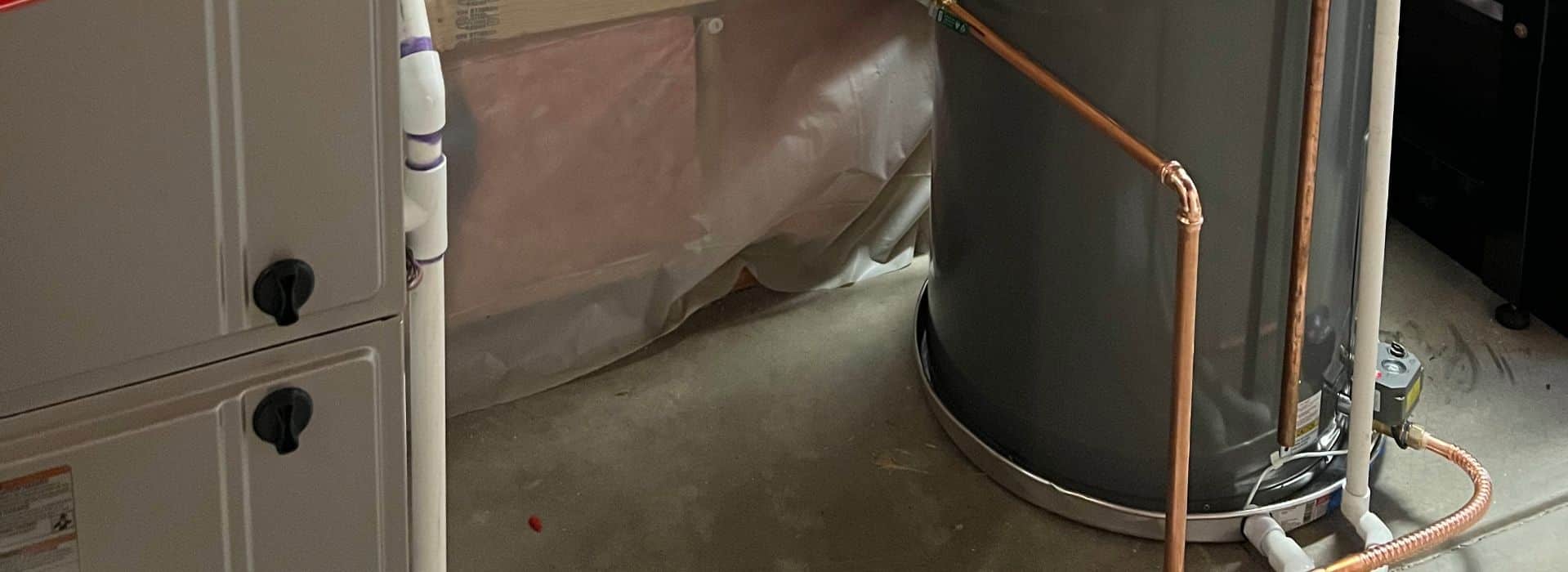
Boiler replacement in Morrison, CO, involves careful consideration of unique local factors that affect heating systems. Professionals assess each home's specific needs to ensure efficient and effective heating solutions.
- Morrison's altitude and climate create unique heating challenges that require specialized knowledge. A thorough diagnostic assessment helps determine whether repair or replacement is more cost-effective. Cardom Plumbing & Heating offers a systematic approach tailored to the specific demands of each home.
- Boiler Replacement in Morrison, CO When your boiler starts making unusual sounds, takes longer to heat your home, or simply can’t keep up with Morrison’s frigid mountain winters, you’re facing a decision that affects your comfort and safety for years to come.
- Boiler replacement isn’t just about swapping out old equipment – it’s about matching the right heating system to your home’s specific demands, your elevation, and the unique challenges of living in the foothills.
Boiler replacement in Morrison, CO involves assessing your current heating system's performance and determining if it meets your home’s specific heating needs. This process includes selecting a suitable replacement that can handle the local climate, ensuring safety and comfort during the harsh winter months.
Boiler Replacement in Morrison, CO
When your boiler starts making unusual sounds, takes longer to heat your home, or simply can't keep up with Morrison's frigid mountain winters, you're facing a decision that affects your comfort and safety for years to come. Boiler replacement isn't just about swapping out old equipment – it's about matching the right heating system to your home's specific demands, your elevation, and the unique challenges of living in the foothills.
A professional boiler replacement involves removing your existing unit, evaluating your home's heating requirements, and installing a properly sized system that accounts for Morrison's altitude of nearly 5,800 feet. This process requires expertise in gas line connections, water supply integration, venting systems, and hydronic heating distribution – all critical components that must work together seamlessly.
Why Professional Diagnosis Matters
Many homeowners attempt to extend the life of a failing boiler beyond its practical limits. A thorough diagnostic assessment reveals whether repair makes financial sense or if replacement delivers better long-term value. Morrison's older housing stock, hard water conditions, and extreme temperature swings create stress patterns that accelerate boiler wear in ways that aren't always visible.
- Accurate heat load calculations adjusted for high-altitude performance
- Proper venting configuration to prevent combustion issues at elevation
- Water chemistry assessment to protect your new investment
- Integration with existing radiators, baseboard heaters, or radiant floor systems
Common Boiler Issues in Morrison, CO
Morrison sits at the intersection of mountain terrain and Front Range climate patterns, creating heating challenges you won't find in Denver or other lower-elevation communities. The town's position in Bear Creek Canyon means temperature inversions, rapid weather shifts, and extended cold snaps that push boilers to their limits.
Homes built during Morrison's various development periods – from historic stone structures near downtown to mountain cabins and newer construction – each present distinct boiler replacement considerations. Many properties still operate with original heating systems that have exceeded their expected lifespan by decades.
Local Factors Affecting Boiler Performance
- Altitude effects: At 5,800 feet, boilers receive less oxygen for combustion, reducing efficiency by 4-8% compared to sea-level ratings
- Water mineral content: Jefferson County water contains dissolved minerals that accumulate in boiler heat exchangers, reducing heat transfer over time
- Temperature extremes: Winter lows frequently drop below zero, demanding consistent high-output operation
- Older infrastructure: Many Morrison homes have gas lines, water supplies, and electrical systems dating to mid-century construction
- Canyon microclimate: Bear Creek Canyon creates localized cold air pooling that extends heating season demands
- Power fluctuations: Mountain electrical service experiences more outages, affecting boiler ignition and control systems
Warning Signs Your Boiler Needs Replacement
Watch for these indicators that your current system is approaching end-of-life:
- Heating bills increasing despite similar usage patterns
- Rooms heating unevenly or taking longer to reach temperature
- Visible corrosion, rust, or water staining around the unit
- Frequent pilot light failures or ignition problems
- Strange odors – particularly metallic or sulfur smells
- System age exceeding 15-20 years
How Cardom Plumbing & Heating Can Help
Our boiler replacement process follows a systematic approach designed specifically for Morrison's mountain environment. We don't use one-size-fits-all solutions – every installation begins with understanding your home's unique heating demands.
Our Step-by-Step Replacement Process
- Initial assessment: We evaluate your current boiler's condition, measure your home's heat loss characteristics, and document existing distribution systems
- Load calculation: Using Manual J protocols adjusted for altitude, we determine the precise heating capacity your home requires
- Equipment selection: We recommend boiler options that match your performance needs, efficiency goals, and budget parameters
- Pre-installation preparation: We verify gas line capacity, assess venting routes, and confirm water supply adequacy
- Professional removal: Your old boiler is disconnected, drained, and removed with proper handling of any hazardous materials
- New system installation: We install your replacement boiler with attention to manufacturer specifications and local code requirements
- System integration: All connections to existing radiators, baseboards, or radiant systems are tested and balanced
- Commissioning and testing: We verify combustion efficiency, check for leaks, and calibrate controls for optimal performance
Methods and Techniques
- Combustion analysis testing to optimize fuel-air mixture at altitude
- Pressure testing of all water and gas connections
- Thermal imaging to verify even heat distribution
- Carbon monoxide detection throughout the installation area
- Flow rate verification for hydronic circulation
Communication Throughout the Project
You'll know exactly what's happening at each phase. We provide written estimates before work begins, explain any unexpected findings immediately, and walk you through your new system's operation before we leave.
Why Choose Cardom Plumbing & Heating
Cardom Plumbing & Heating brings specialized knowledge of mountain heating systems that general contractors simply don't possess. Our technicians hold certifications in high-efficiency boiler installation, hydronic system design, and gas line work – credentials that matter when you're depending on your heating system through Morrison winters.
We've worked in homes throughout Jefferson County's foothill communities for years, building practical experience with the specific challenges these properties present. From historic Morrison buildings with unique architectural constraints to modern mountain homes with complex radiant systems, we've solved heating problems others couldn't figure out.
What Sets Us Apart
- Altitude-specific expertise: We understand how elevation affects boiler sizing, venting, and combustion tuning
- Local parts availability: Relationships with regional suppliers mean faster access to components
- Emergency response: When your boiler fails in January, we prioritize getting you back to warmth quickly
- Thorough documentation: You receive complete records for permits, warranties, and future service needs
- Post-installation support: We follow up to verify your system performs as expected and answer operational questions
Our diagnostic approach uses modern combustion analyzers, thermal cameras, and pressure testing equipment to identify issues precisely – not guesswork based on symptoms alone.
Housing Characteristics & Boiler Replacement Considerations
Morrison's housing stock reflects over a century of development, from the town's founding in 1874 through various building booms. This diversity creates a range of boiler replacement scenarios that require different approaches and equipment selections.
Historic Properties
Homes built before 1950 often feature:
- Gravity-fed hot water systems with large-diameter distribution pipes
- Cast iron radiators requiring specific water temperatures and flow rates
- Limited mechanical room space constraining equipment options
- Masonry chimneys that may need relining for modern high-efficiency venting
- Original gas service lines with reduced capacity
Mid-Century Construction
Homes from the 1950s through 1970s typically have baseboard hot water heat, copper distribution piping, and boilers sized for the less stringent insulation standards of that era. Replacement often allows downsizing to smaller, more efficient units when combined with insulation improvements.
Mountain Cabin Construction
Many Morrison properties began as seasonal cabins later converted to year-round residences. These homes frequently have:
- Undersized heating systems for full-time occupancy
- Non-standard construction details affecting heat loss
- Limited access for equipment delivery and installation
- Propane rather than natural gas service
Modern Construction
Newer homes often incorporate radiant floor heating, which requires boilers capable of delivering lower water temperatures efficiently. High-efficiency condensing boilers pair well with these systems but demand proper condensate drainage – a consideration in Morrison's freeze-prone environment.
Environmental Conditions & Boiler Replacement Implications
Morrison's environmental factors directly impact boiler selection, installation methods, and long-term system performance. Understanding these conditions helps ensure your replacement boiler delivers reliable service for its full expected lifespan.
Water Quality Characteristics
Jefferson County water – whether from municipal sources or private wells – contains mineral content that affects boiler operation:
- Calcium and magnesium deposits accumulate on heat exchanger surfaces
- Scale buildup reduces heat transfer efficiency over time
- Some systems benefit from water treatment or filtration
- Condensing boilers are particularly sensitive to water chemistry
Climate Impacts on Heating Systems
Morrison experiences temperature swings that stress boiler components:
- Winter temperatures regularly drop below -10°F during cold snaps
- Rapid temperature changes – sometimes 40+ degrees in hours – cycle boilers frequently
- Extended heating season from September through May demands durable equipment
- Afternoon sun followed by rapid evening cooling creates variable heating loads
Soil and Drainage Considerations
The rocky, clay-heavy soils common in Morrison's canyon terrain affect boiler installation in several ways. Condensate drainage from high-efficiency boilers must be routed carefully to prevent freeze-ups. Underground gas and water service lines may require specialized routing around rock formations.
Altitude Effects on Combustion
At Morrison's elevation, atmospheric pressure is approximately 17% lower than sea level. This reduced oxygen availability means:
- Boiler input ratings must be derated for altitude
- Combustion air supply becomes more critical
- Venting systems require careful sizing
- High-efficiency units need altitude-specific tuning
Morrison Climate Data and Heating Demand Patterns
Morrison's position at the mouth of Bear Creek Canyon creates heating demands that exceed what elevation alone would suggest. Climate data from nearby monitoring stations reveals patterns that directly influence boiler sizing and selection for local homes.
The town experiences an average of 6,200 heating degree days annually – approximately 15% higher than Denver's metropolitan average. This metric, which measures cumulative heating demand over a season, translates directly to boiler runtime hours and fuel consumption.
Key Climate Statistics
- Average January low: 18°F, with frequent dips below zero
- Record low temperature: -25°F
- Days below freezing: Approximately 155 per year
- Heating season length: Mid-September through late May (8+ months)
- Average annual snowfall: 65-80 inches, with significant variation by micro-location
Impact on Boiler Replacement Decisions
These climate realities mean Morrison homeowners should prioritize:
- Boilers rated for continuous high-output operation
- Equipment with proven reliability in cold-start conditions
- Systems designed for the extended cycling patterns mountain climates demand
- Adequate capacity margins for extreme cold events
The canyon's tendency to trap cold air during temperature inversions creates localized conditions even colder than official weather station readings suggest. Properties on the canyon floor may experience temperatures 5-10 degrees colder than homes on surrounding ridges – a factor that affects boiler sizing calculations significantly.


