

Boiler replacement in Denver requires careful consideration due to the unique climate and housing characteristics. Homeowners often face the choice between repairing or replacing their aging systems, which involves a detailed assessment and installation process tailored to their specific needs.
- Boiler replacement includes evaluating the current system and ensuring proper sizing and integration with existing infrastructure. Denver's altitude and climate create specific challenges for boiler performance and efficiency.
- Common signs that a boiler may need replacement include age over 15 years, frequent repairs, and uneven heating throughout the home.
- Cardom Plumbing & Heating offers a structured replacement process, ensuring compliance with local regulations and providing ongoing support after installation.
The process for boiler replacement in Denver involves assessing the current system's efficiency and performance, selecting a suitable replacement model, and scheduling professional installation. Homeowners should consider factors like energy efficiency, size, and cost to ensure the new boiler meets their heating needs effectively.
Boiler Replacement in Denver, CO
Your boiler stopped producing heat at 2 AM during a January cold snap. Or maybe you've noticed your energy bills climbing steadily while your home stays inconsistently warm. These scenarios drive Denver homeowners to confront a critical decision – repair or replace their aging boiler system.
Boiler replacement involves removing your existing heating unit and installing a new system designed to meet your home's specific heating demands. This process goes far beyond a simple swap. It requires careful assessment of your current infrastructure, proper sizing calculations, venting modifications, and integration with your existing radiators, baseboard heaters, or radiant floor systems.
Professional diagnosis matters because boiler systems interact with multiple home components:
- Gas lines and fuel delivery systems requiring proper pressure and safety controls
- Water circulation through pipes, expansion tanks, and zone valves
- Venting and exhaust systems that must meet current safety codes
- Electrical connections for thermostats, pumps, and control boards
Denver's mile-high elevation creates unique boiler challenges. The thinner air affects combustion efficiency, while dramatic temperature swings – sometimes 40 degrees in a single day – stress heating systems beyond what manufacturers typically anticipate. Homes built across different eras feature varying pipe materials, venting configurations, and heating layouts that influence replacement options.
Common Boiler Issues in Denver, CO
Denver's climate punishes heating systems in ways that coastal or lower-elevation cities simply don't experience. Winter temperatures regularly drop below zero, demanding sustained boiler operation for months at a time. Spring brings rapid freeze-thaw cycles that stress pipes and connections. Summer's relative warmth means boilers sit dormant, allowing seals and gaskets to dry out before the next heating season.
The Front Range's hard water accelerates scale buildup inside heat exchangers and circulation pipes. This mineral accumulation reduces heat transfer efficiency, forcing boilers to work harder while delivering less warmth. Over time, scale deposits cause hot spots that crack cast iron components or corrode steel surfaces from the inside out.
Warning Signs Your Denver Boiler Needs Replacement
Watch for these indicators that repair may no longer be cost-effective:
- Boiler age exceeding 15-20 years – older units lack modern efficiency standards and parts become scarce
- Frequent repairs occurring more than twice per heating season
- Visible rust, corrosion, or water staining around the boiler cabinet
- Uneven heating throughout your home despite thermostat adjustments
- Rising natural gas bills without corresponding changes in usage patterns
- Yellow or orange burner flames instead of steady blue – indicating combustion problems
Local Factors Affecting Boiler Performance
Denver's infrastructure age varies dramatically by neighborhood. Capitol Hill and Five Points feature homes from the early 1900s with original cast iron radiator systems. Stapleton and Green Valley Ranch have modern construction with different heating configurations entirely.
- Altitude affects gas combustion – boilers must be properly tuned for 5,280-foot elevation
- Denver Water's supply contains moderate mineral content that accumulates in closed-loop systems
- Older neighborhoods may have undersized gas lines that limit high-efficiency boiler options
- Historic home designations in certain areas affect venting and exterior modification possibilities
How Cardom Plumbing & Heating Can Help
Boiler replacement requires methodical planning and precise execution. Cardom Plumbing & Heating follows a structured process designed for Denver's specific conditions and housing stock.
Our Replacement Process
- Initial Assessment: We evaluate your current boiler's condition, measure your home's heating load, and inspect existing infrastructure including gas lines, venting, and distribution systems.
- System Sizing: Using Manual J calculations adjusted for Denver's altitude and climate, we determine the proper BTU output for your specific home – avoiding both undersized units that struggle and oversized systems that cycle inefficiently.
- Equipment Selection: Based on your home's characteristics and budget, we recommend appropriate boiler types – whether standard efficiency, high-efficiency condensing, or combi units that provide both heat and hot water.
- Preparation Work: Before installation day, we coordinate any necessary permits, schedule gas line modifications if needed, and ensure all materials arrive on site.
- Professional Installation: Our technicians remove the old unit, install the new boiler, connect all piping and controls, and configure the system for optimal performance at Denver's elevation.
- Testing and Commissioning: We verify proper combustion, check all safety controls, balance zone heating, and confirm thermostat communication before considering the job complete.
Techniques and Methods
Our approach incorporates current best practices:
- Combustion analysis using digital analyzers calibrated for high-altitude operation
- Pressure testing of all new connections before system activation
- Water chemistry testing to determine if treatment or filtration benefits your system
- Thermal imaging to verify even heat distribution after installation
- Carbon monoxide testing throughout the home following startup
Communication Throughout
We keep you informed at every phase. Before work begins, you receive a detailed scope document outlining what we'll do and what to expect. During installation, our technicians explain their work and answer questions. After completion, we walk you through system operation, maintenance requirements, and warranty coverage.
Why Choose Cardom Plumbing & Heating
Cardom Plumbing & Heating brings specific qualifications to Denver boiler work. Our technicians hold state plumbing and gas licenses, manufacturer certifications for major boiler brands, and ongoing training in high-efficiency system installation. We understand the permit requirements for Denver, Aurora, Lakewood, and surrounding jurisdictions – handling paperwork so you don't have to.
Local knowledge shapes how we approach each project. We've worked in Denver's diverse housing stock – from Victorian-era mansions in Curtis Park to mid-century ranches in Wheat Ridge to new construction in Lowry. This experience means we anticipate challenges specific to your home's era and construction style rather than discovering problems mid-installation.
What Sets Us Apart
- Same-day response for emergency heating failures during winter months
- Upfront pricing with written estimates before work begins
- Post-installation follow-up to verify system performance after you've used it
- Coordination with Xcel Energy rebate programs for qualifying high-efficiency equipment
- Detailed documentation including equipment manuals, warranty registration, and maintenance schedules
Our diagnostic approach saves money by accurately identifying whether replacement is truly necessary or if targeted repairs can extend your current system's life. We won't recommend replacement when a $300 repair solves the problem – but we'll be honest when continued repairs waste money on a failing unit.
Recent Work
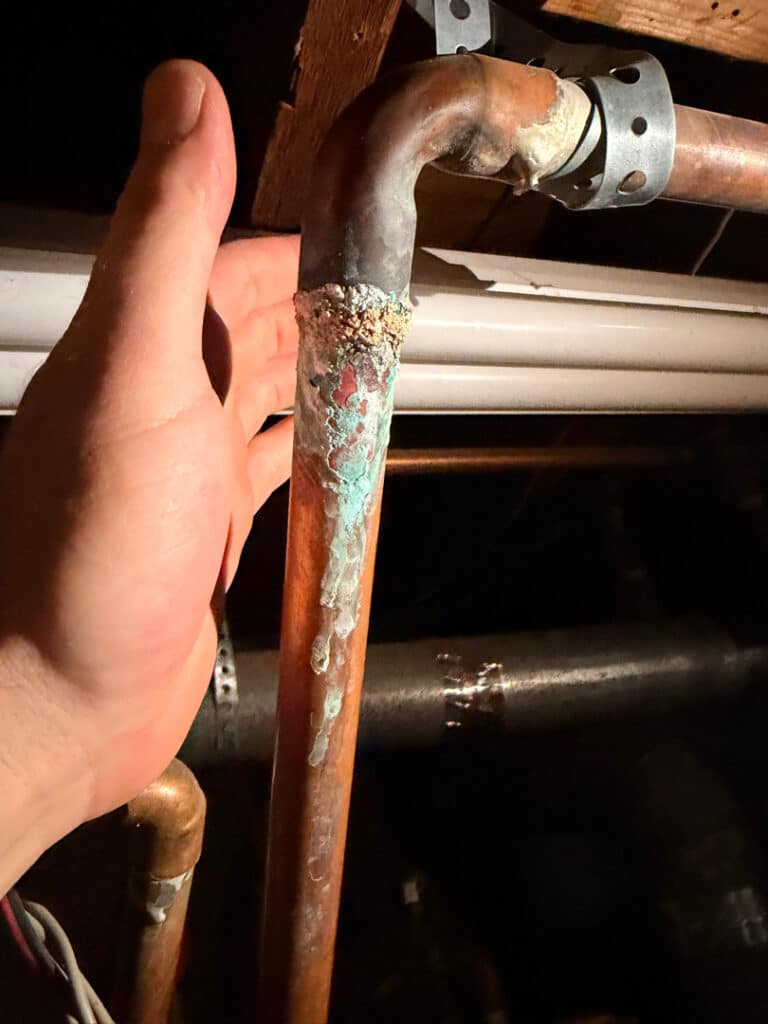
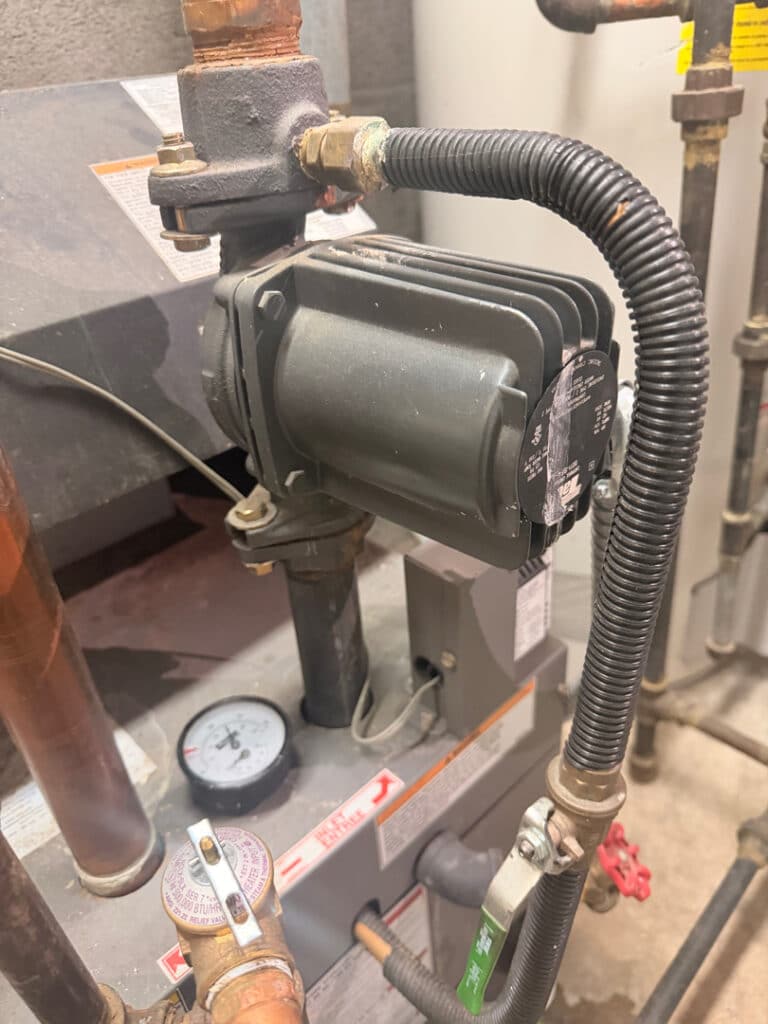
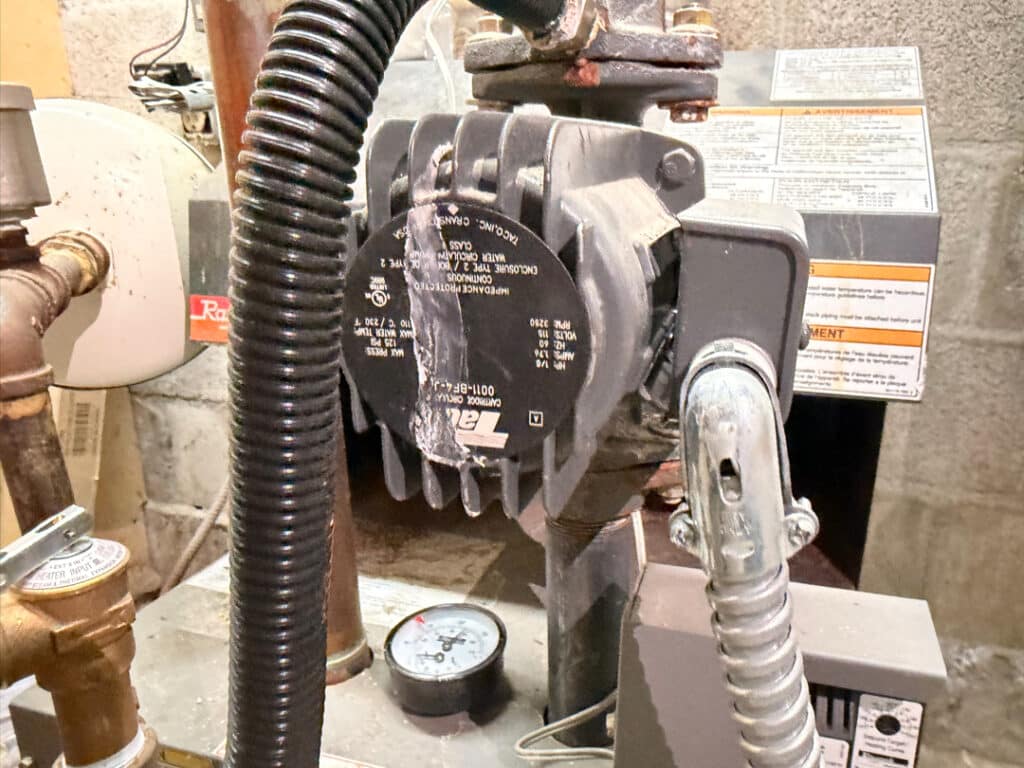
Boiler is Shut Down and Not Coming On - Denver
- Problem: Boiler was not firing.
- Found: Blown fuse on the boiler.
- Fixed: Replace motor with parts.
- Outcome: Boiler fired right up. Some of the leaks around the boiler seized up and stopped leaking when the system got hot.
Clean Boiler and Write Up list of Problems - Denver
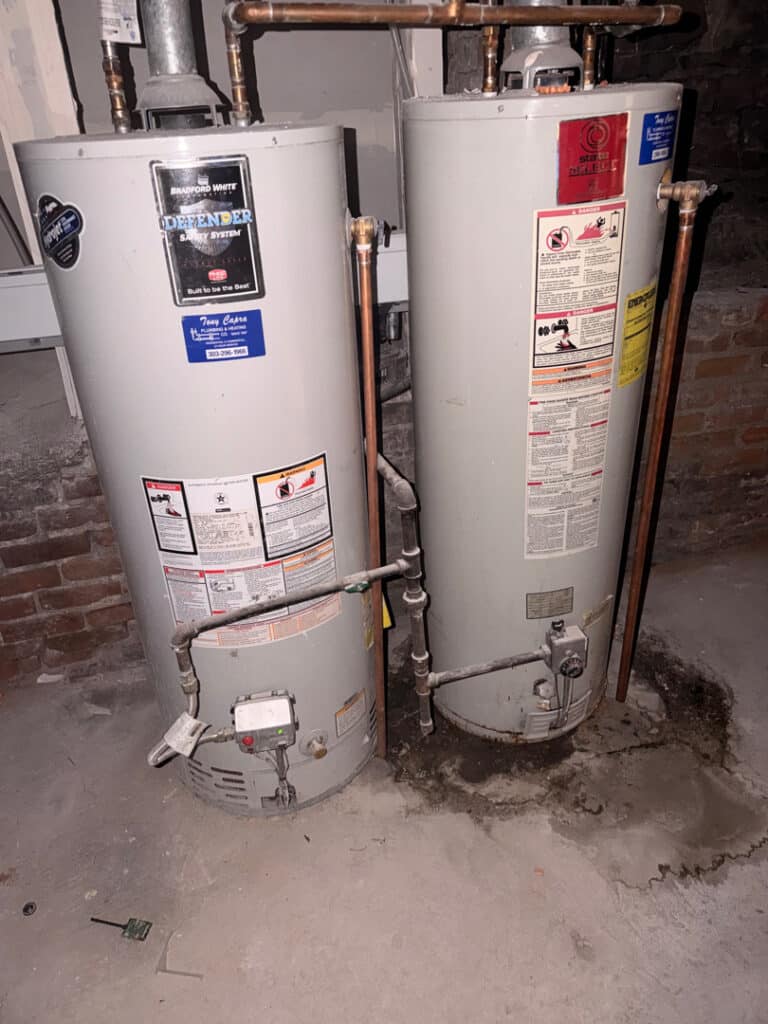
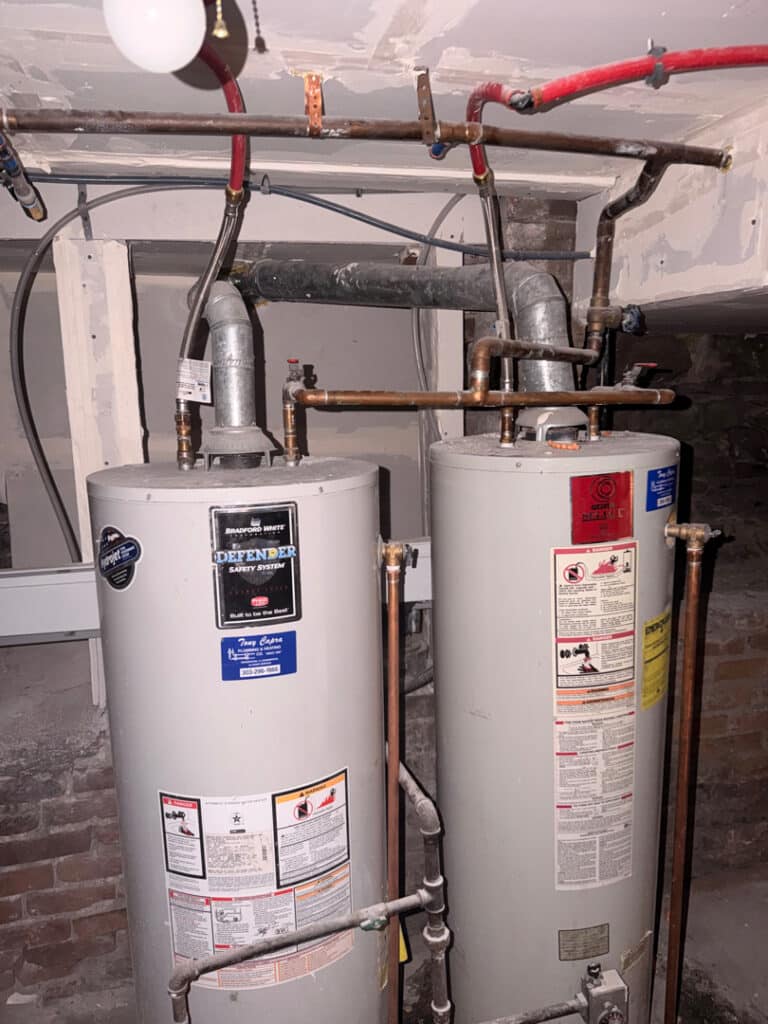
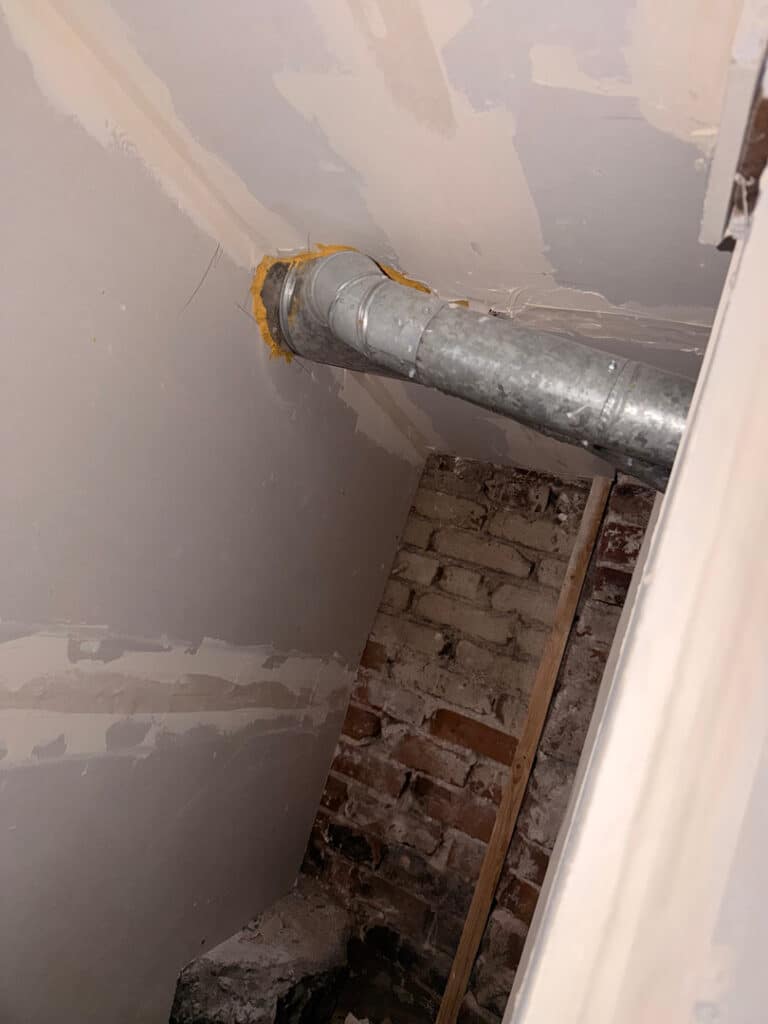
- Problem: Boiler and water heater service
- Found: Removed burners and cleaned them.
- Fixed: Cleaned off ignitor and pilot assembly.
- Outcome: Boiler is drafting well. Checked both heaters.
Radiator in the Basement Apartment is Leaking - Denver
- Problem: Repair leaking radiator
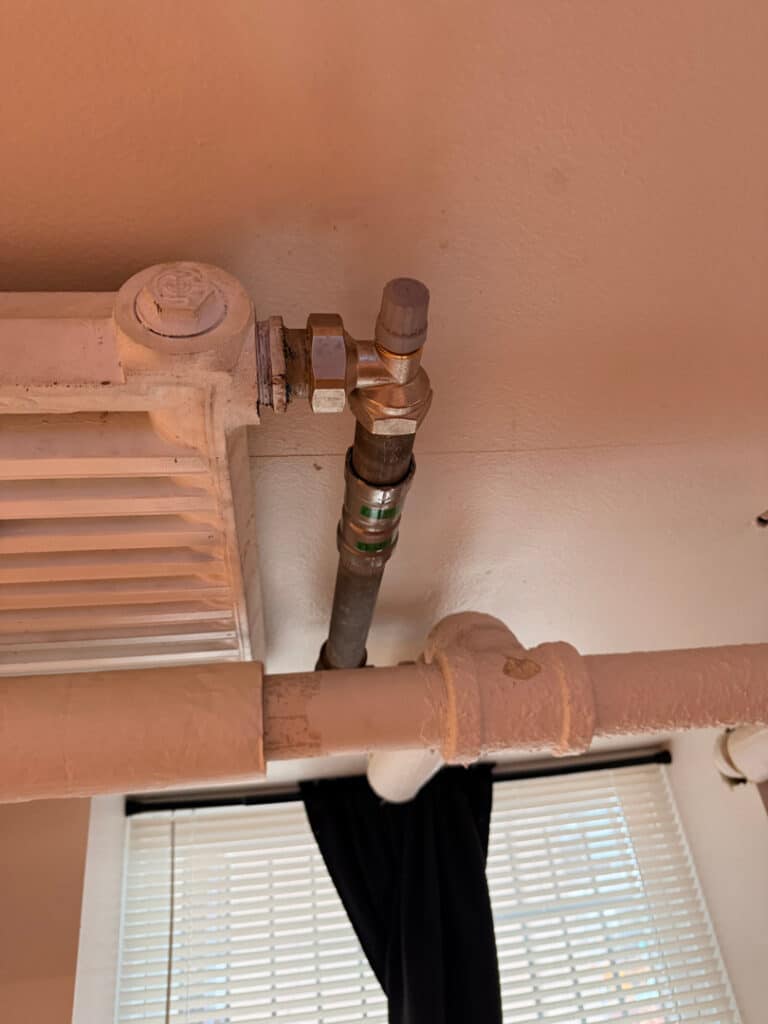
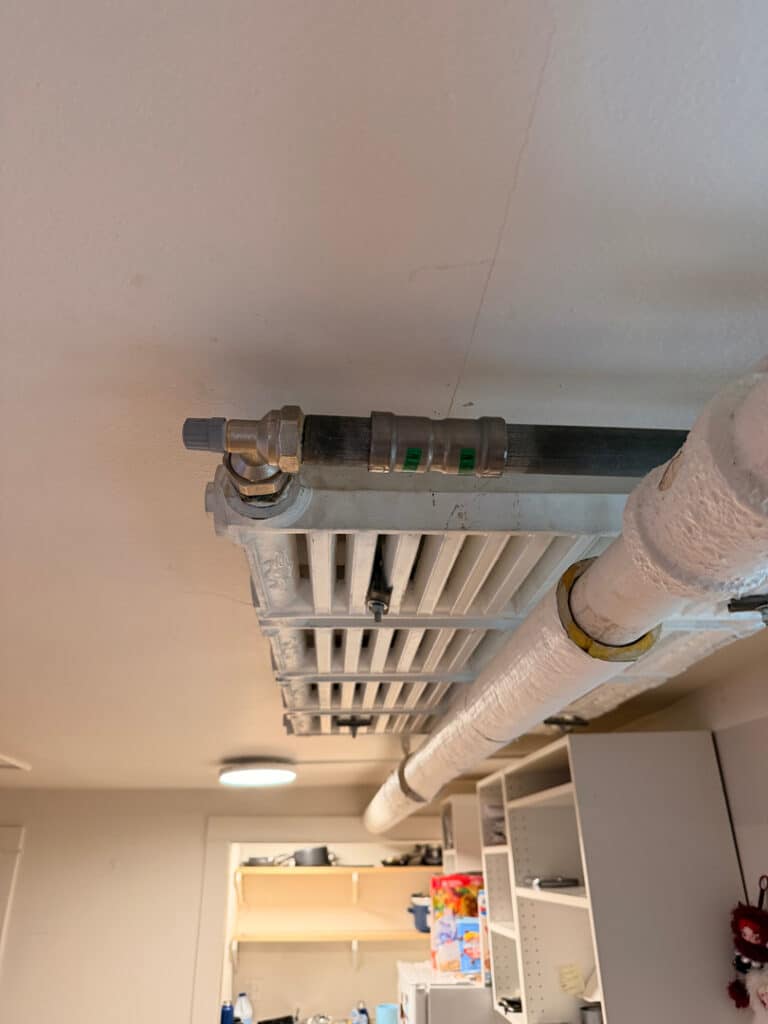
- Found: Radiator suspended from the ceiling was leaking at the radiator.
- Fixed: Went out to pick up parts and returned to replace steam radiator valve fitting and short piece of pipe. Had to cut and add a coupling. When we broke apart the piping, it went out of alignement and could not be reinstalled correctly without a longer piece of pipe. Had to remove the 1 1/2" X 1 1/4" bushing going into the radiator and then reassemble all parts on the radiator.
- Outcome: Finished installation and turned on the boiler to reheat the system and test. No leaks.
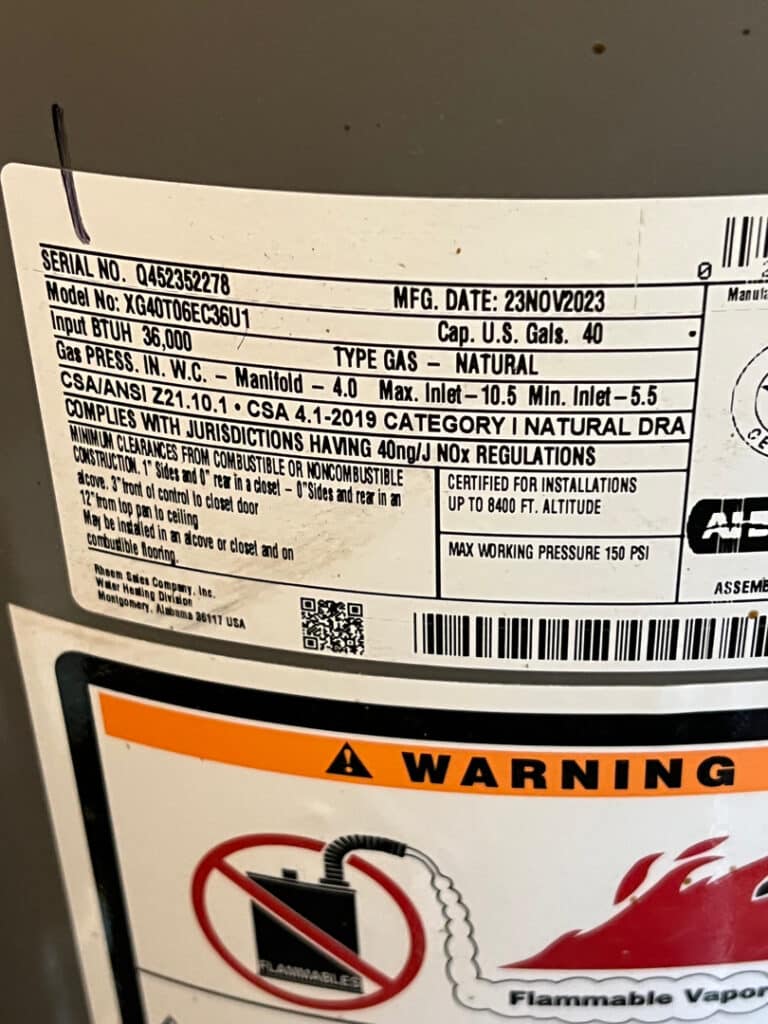
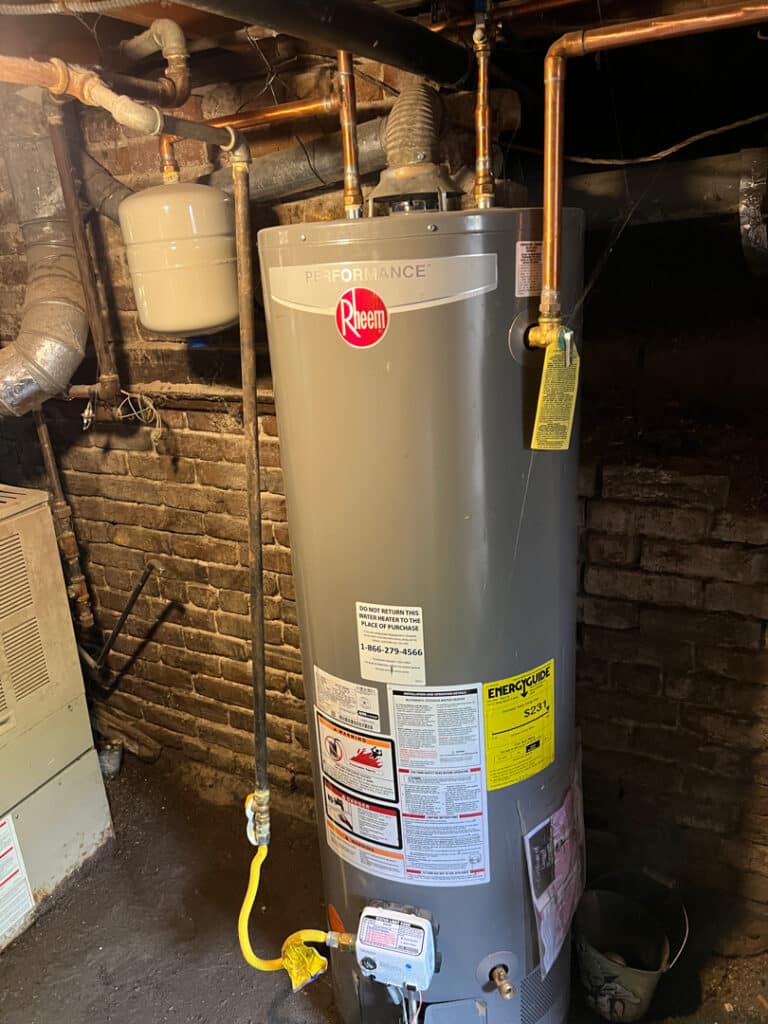
Restore Boiler for Heat and Hot Water - Denver
- Problem: Water heater is not working
- Found: The hatch access to the basement is not sealed very well which allows water to leak down inside. This caused a lot of water to go into the chamber of the heater and put out the pilot.
- Fixed: Took out the burner assemly and cleaned it. Reinstalled and lit the pilot.
- Outcome: I fired up right away and we tested it many times and it seems OK.
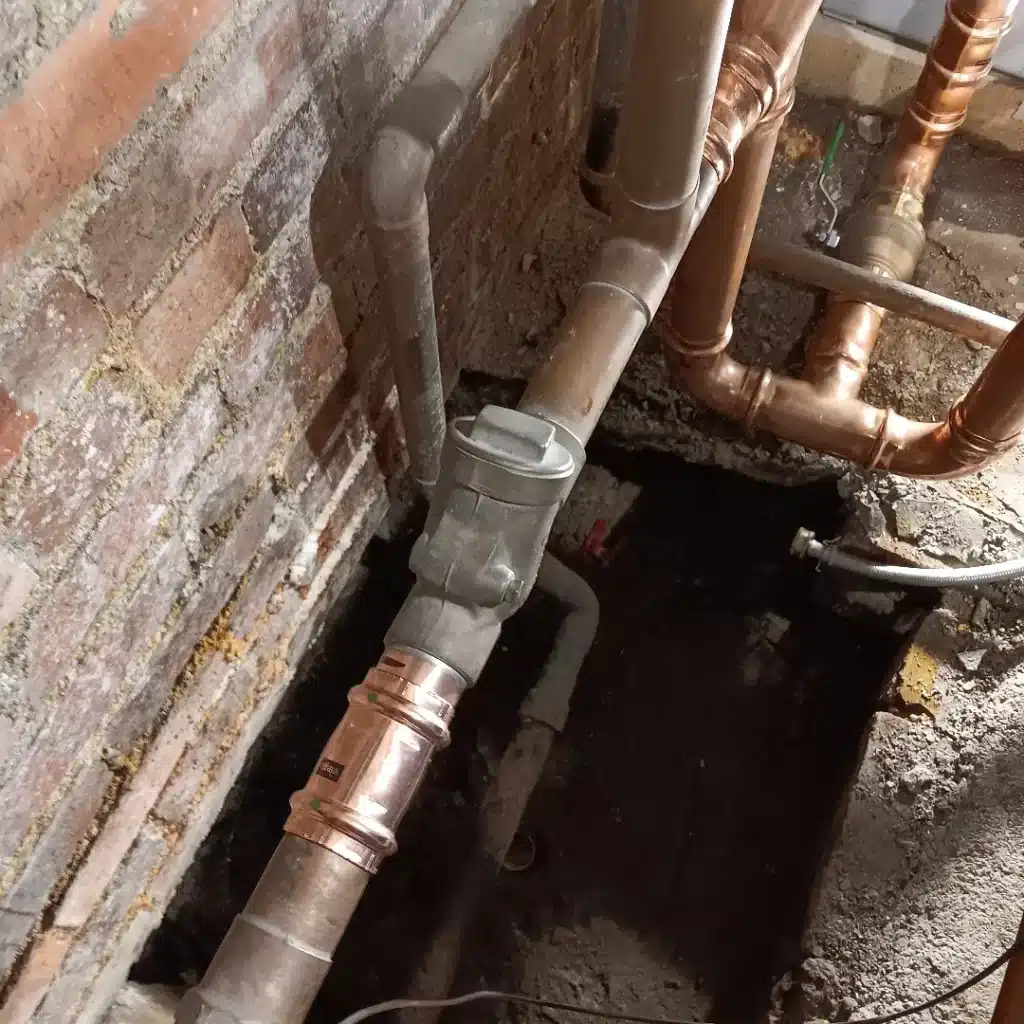
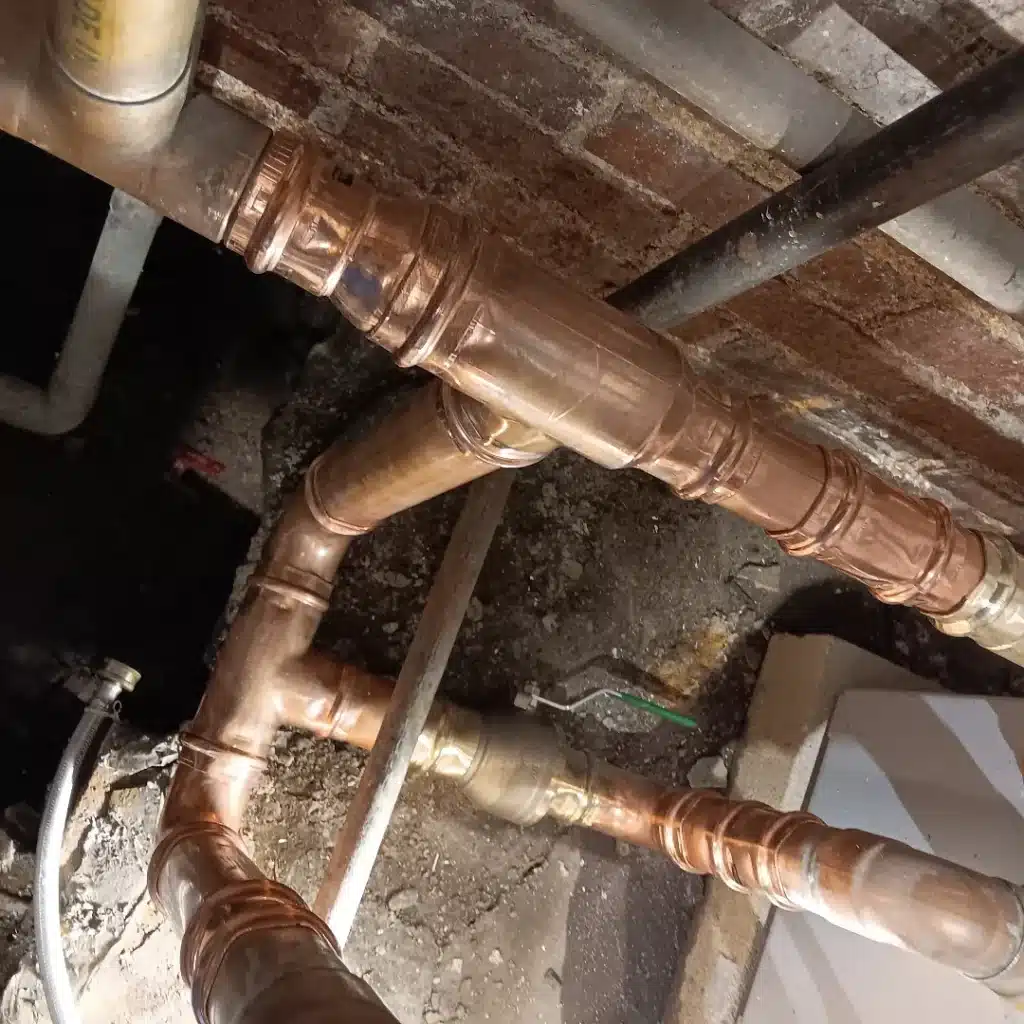
Steam Boiler Repairs to the Piping that Have Been Leaking - Denver
- Problem: Boiler repairs.
- Found: Pipe is leaking.
- Fixed: Installed new check valve and tested system for leaks. No leaks in any pipes. Filled boiler with water and set levels for proper steam functioning.
- Outcome: Tested and no leak.
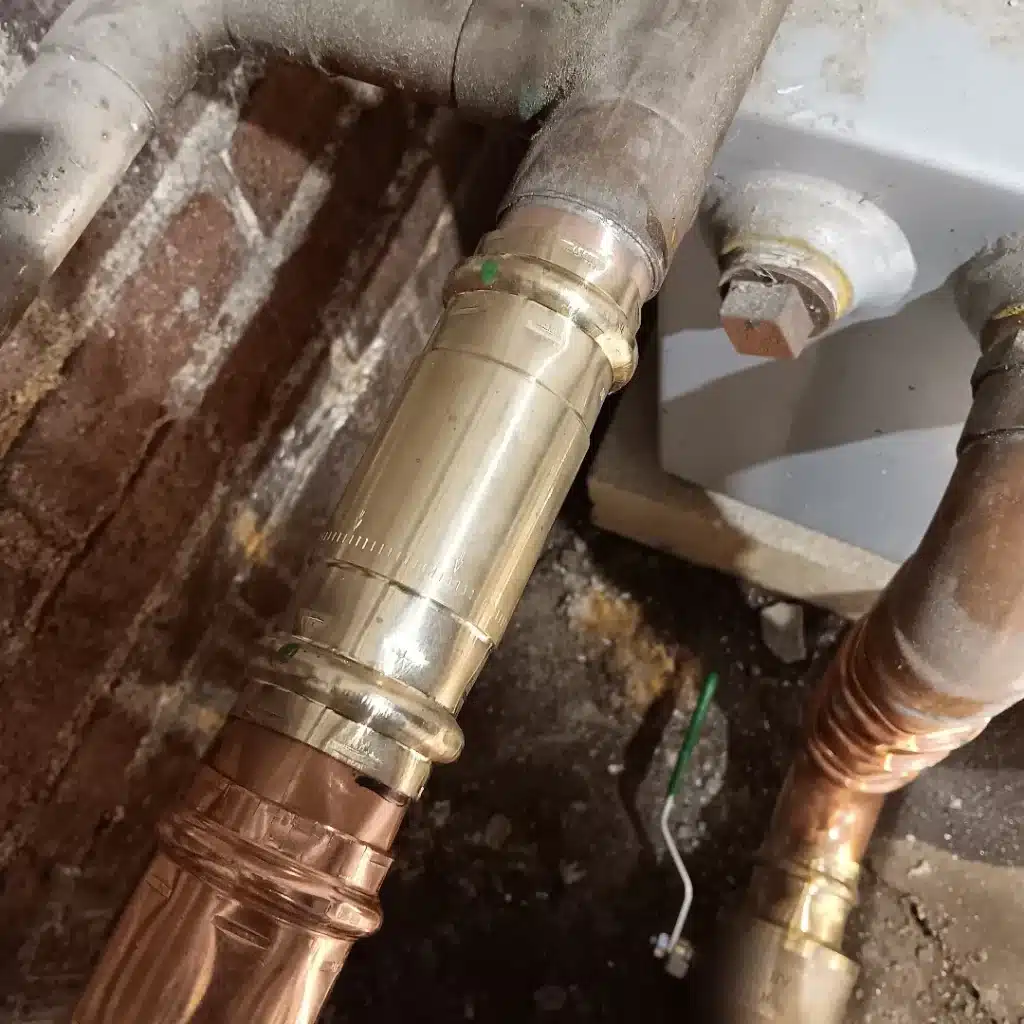
Boiler Leaking - Denver
- Problem: Boiler and water heater upgrades and repairs.
- Found: Numerous boiler and water heater repairs of leaks and code violation upgrades.
- Fixed: Water was turned back on and set at 12 PSI for this home. Expansion tanks were both pressurized to the correct amount.
- Outcome: All work was completed and tested.
Four Boiler Repairs - Denver
- Problem: Boiler leaking from several locations.
- Found: Old expansion tank.
- Fixed: Remove old expansion tank and install new with holdrite bracket pressurize to 20 psi Remove Unions and clean up and apply Teflon dope To them, Fill system back up and check for leaks, no leaks found ran boiler up to temp on the heating side and the domestic side.
- Outcome: No issues found.
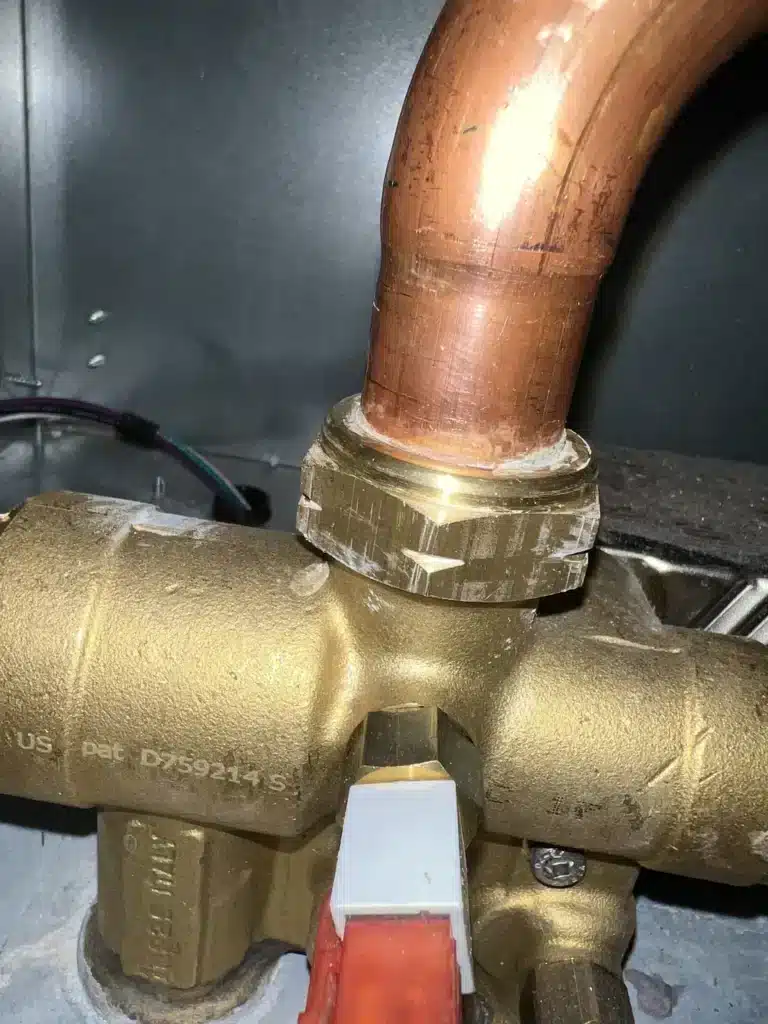
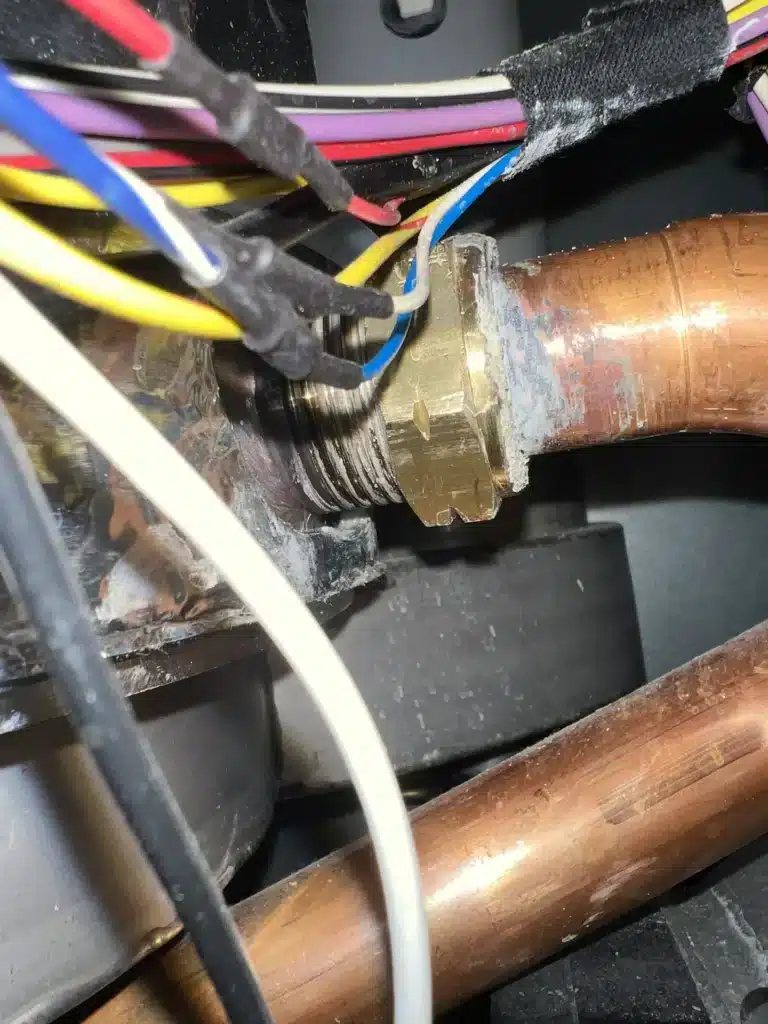
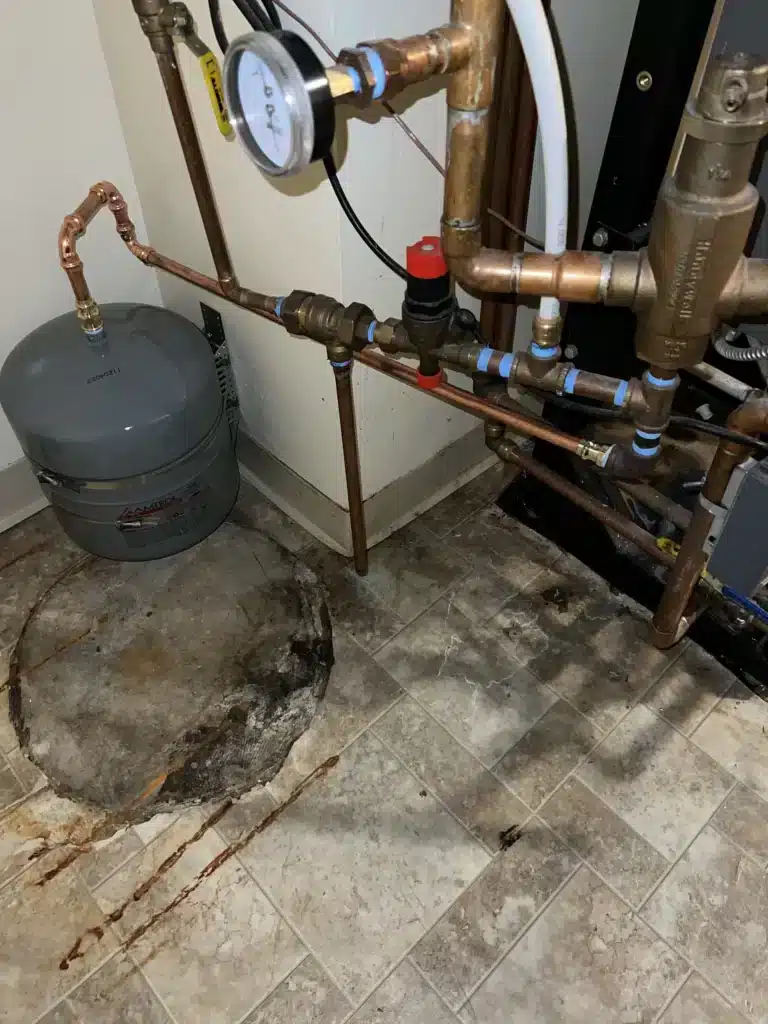
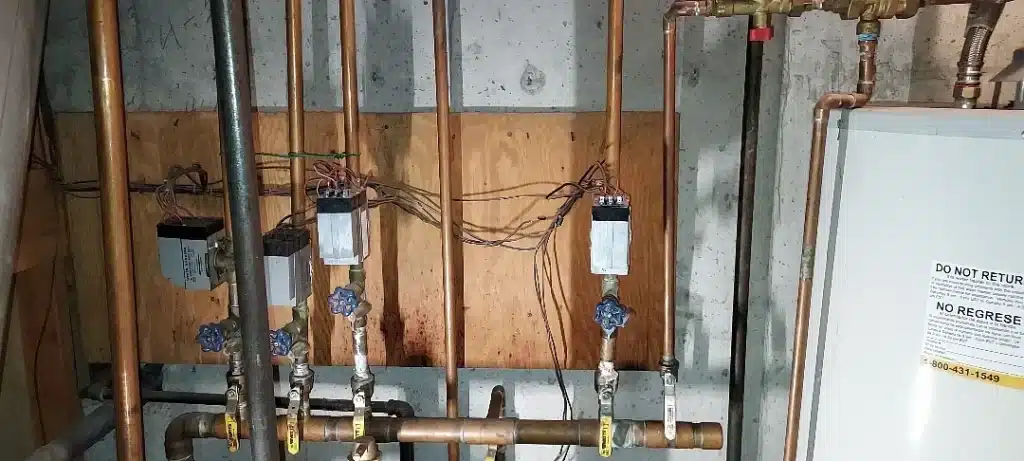
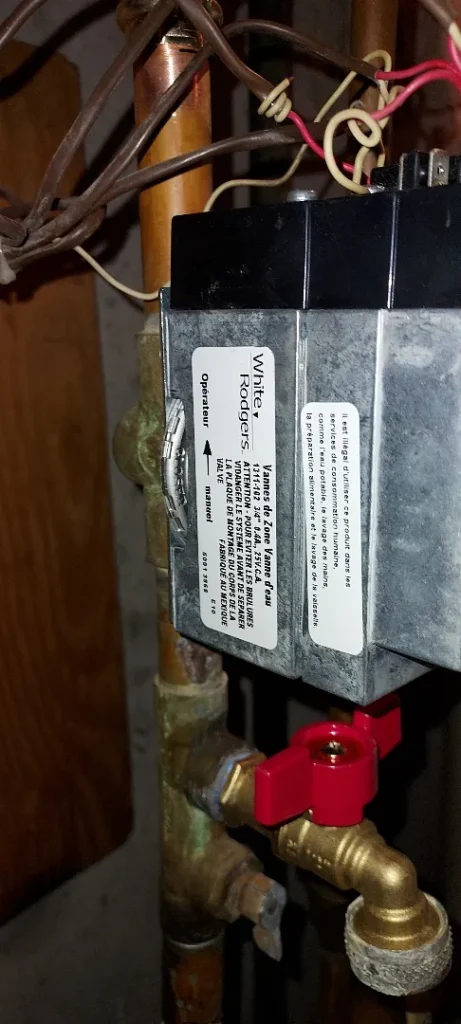
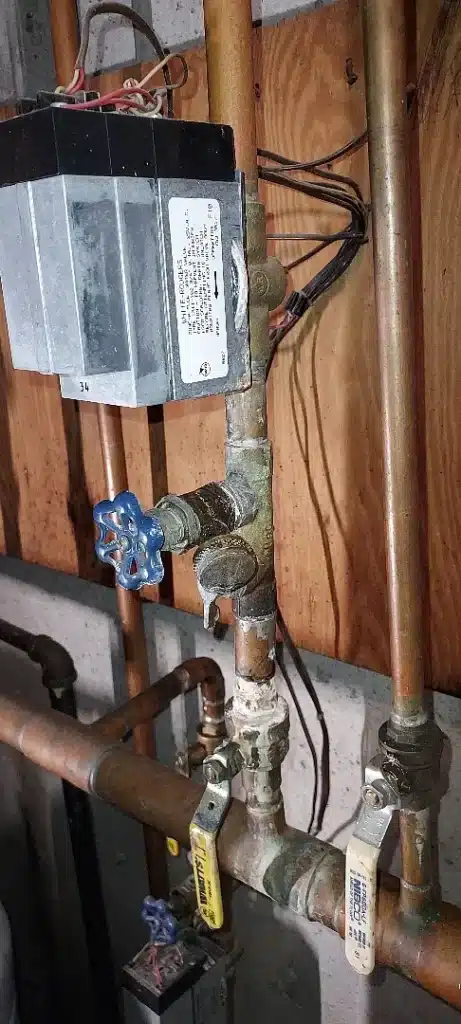
Zone Valve Leaking - Denver
- Problem: Replace leaking zone valve.
- Found: leaking zone valve
- Fixed: Removed leaking zone valve and replaced. Rewired zone valve. Replaced boiler drain to valve to zone with 1/4 turn boiler drain. Bled air out of system. Added ball valve above zone valve.
- Outcome: Tested and no leak.
Housing Characteristics & Boiler Replacement Considerations
Denver's housing stock spans more than 140 years of construction, creating distinct boiler replacement scenarios based on when and how homes were built. Each era presents specific opportunities and challenges for modern heating system installation.
Historic Homes (Pre-1940)
Neighborhoods like Capitol Hill, Cheesman Park, and parts of North Denver contain brick homes originally designed for coal-fired boilers later converted to gas. These properties typically feature:
- Cast iron radiator systems with large water volumes requiring specific boiler sizing
- Original chimney venting that may need relining for modern equipment
- Basement mechanical rooms with limited access for equipment removal and installation
- Single-pipe steam systems in some cases – requiring specialized replacement approaches
Mid-Century Construction (1940-1980)
Post-war neighborhoods including Glendale, University Hills, and Harvey Park often have baseboard hot water systems. These homes present different considerations:
- Copper or steel distribution piping in generally good condition
- Smaller boiler rooms than historic homes but better accessibility
- Existing B-vent flues compatible with standard-efficiency replacements
- Potential for conversion to high-efficiency condensing units with PVC venting
Modern Construction (1980-Present)
Newer developments in Stapleton, Green Valley Ranch, and Highlands Ranch may feature radiant floor heating or combination systems. These installations typically allow:
- Direct replacement with similar equipment
- Easier high-efficiency upgrades due to modern venting provisions
- Integration with smart thermostats and zoning controls
- Simpler permit processes due to code-compliant original installations
Environmental Conditions & Boiler Replacement Implications
Denver's environmental factors directly impact boiler selection, installation methods, and long-term system performance. Understanding these conditions helps homeowners make informed replacement decisions.
Water Quality Characteristics
Denver Water supplies the metro area from mountain reservoirs, delivering water with moderate mineral content. While softer than many Western cities, the supply still contains calcium and magnesium that accumulate in heating systems over time.
- Total hardness typically ranges from 50-120 ppm depending on seasonal source variations
- Closed-loop boiler systems concentrate minerals as water evaporates through small leaks
- High-efficiency condensing boilers require cleaner water to protect aluminum heat exchangers
- Water treatment options include system inhibitors, filtration, or softening depending on equipment type
Climate Impacts on Heating Systems
Denver's semi-arid climate creates specific stresses on boiler equipment:
- Heating season extends from October through April – approximately 180 days of regular boiler operation
- Design temperature of -10°F requires properly sized equipment for sustained cold periods
- Low humidity accelerates seal and gasket deterioration during summer dormancy
- Rapid temperature swings cause expansion and contraction stress on piping connections
- Altitude reduces air density by approximately 17%, affecting combustion efficiency
Soil and Foundation Considerations
Denver's expansive clay soils affect homes in ways that influence boiler installation. Foundation movement can stress piping connections, while high water tables in some areas complicate basement mechanical room configurations. Homes in flood-prone areas near Cherry Creek or the South Platte may benefit from elevated equipment mounting or specific venting arrangements.
Denver Heating Degree Days and Energy Consumption Data
Heating degree days – a measurement of how much heating a building needs based on outdoor temperatures – provide concrete data for boiler replacement decisions. Denver averages approximately 6,000 heating degree days annually, placing it among the colder major U.S. cities and creating sustained demand on residential heating systems.
This heating load translates to real energy consumption. According to Xcel Energy data, the average Denver single-family home uses between 600-900 therms of natural gas annually, with heating accounting for roughly 60-70% of that total. Older boilers operating at 80% efficiency or less waste significant fuel compared to modern units rated at 95% or higher.
What This Means for Replacement Decisions
- A 15% efficiency improvement on 500 therms of heating use saves approximately 75 therms annually
- At current natural gas rates, high-efficiency upgrades often pay back within 7-10 years through reduced fuel costs
- Xcel Energy offers rebates ranging from $400-$800 for qualifying high-efficiency boiler installations
- Properly sized equipment matched to Denver's heating load operates more efficiently than oversized units
Denver's combination of cold winters, altitude-related combustion challenges, and aging housing stock makes professional boiler replacement particularly valuable. Equipment selected and installed for local conditions performs better and lasts longer than generic solutions. Cardom Plumbing & Heating applies this local knowledge to every replacement project, helping Denver homeowners achieve reliable, efficient heating for years to come.


