
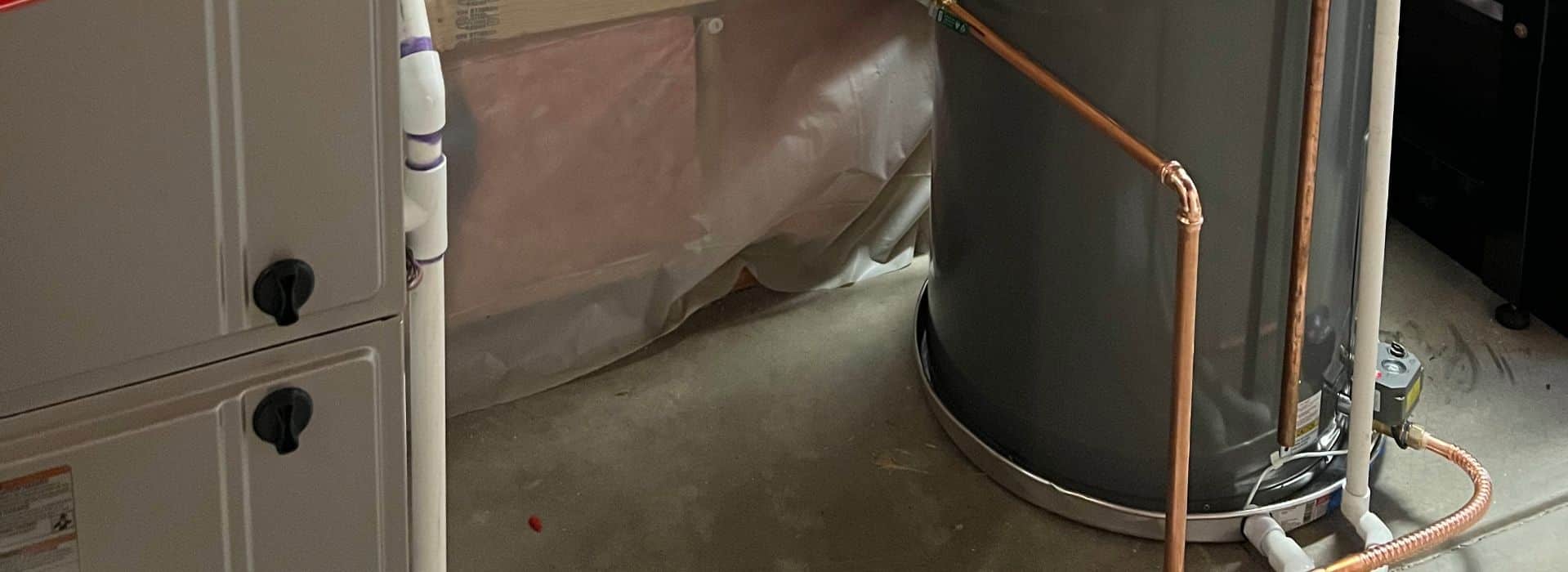
Boiler replacement in Golden, CO is essential for maintaining reliable heating during harsh winters. The process involves evaluating existing systems and installing modern units tailored to the unique challenges of the area.
- Golden's high elevation and temperature fluctuations create specific heating demands that must be addressed during boiler replacement.
- Older homes may require special considerations due to original heating systems and local water quality issues that affect boiler performance.
- Professional diagnosis is critical as boiler problems can often mimic other issues, leading to costly repairs if not properly assessed.
Boiler replacement is the process of removing an old or malfunctioning heating unit and installing a new, appropriately sized boiler that meets the specific heating needs of a home. This ensures reliable hydronic heating, especially important in colder climates like Golden, CO, where consistent heat and hot water are essential.
Boiler Replacement in Golden, CO
That morning when your boiler fails to fire up – leaving your Golden home without heat or hot water during a February cold snap – reveals just how dependent your household has become on reliable hydronic heating. Boiler replacement involves removing your aging or failed heating unit and installing a modern, properly sized system that matches your home's specific heating demands and the unique challenges of mountain living.
Professional diagnosis matters because boiler issues often masquerade as other problems. What seems like a simple ignition failure might actually indicate heat exchanger corrosion, while inconsistent heating could stem from undersized equipment struggling against Golden's elevation and temperature swings. A thorough evaluation determines whether repair makes sense or replacement offers the smarter long-term investment.
Golden's position at the gateway to the Rockies creates distinct heating challenges that influence every boiler replacement decision:
- Elevation of approximately 5,675 feet affects combustion efficiency and equipment sizing
- Dramatic temperature fluctuations – from mild afternoons to frigid nights – stress heating components
- Historic downtown properties and mid-century homes present unique installation considerations
- Hard water from local sources accelerates mineral buildup inside boiler systems
Common Boiler Issues in Golden, CO
Cardom Plumbing & Heating provides Boiler Replacement services in all neighborhoods of Golden including Briarwood Commons, Canyon View, Golden Hills, Golden Pointe Apartmements, and Mesa View Estates.
Golden's geographic position creates a heating environment unlike anywhere else along the Front Range. The town sits in a natural bowl where cold air settles during winter inversions, sometimes dropping temperatures 10-15 degrees below neighboring communities. This phenomenon pushes boilers to work harder and longer than equipment in nearby Denver suburbs.
The area's water supply – sourced primarily from Clear Creek and treated by the City of Golden – carries mineral content that accumulates inside boiler heat exchangers over time. This scaling reduces heat transfer efficiency, forces equipment to run longer cycles, and eventually leads to premature component failure. Homes built before water softening became common practice often show accelerated boiler degradation.
Local Factors Affecting Boiler Performance
- High altitude reduces air density, requiring specific burner adjustments for proper combustion
- Freeze-thaw cycles stress expansion tanks and pressure relief valves
- Older neighborhoods near downtown feature original cast iron radiator systems that demand compatible boiler types
- Clay-heavy soils in certain areas create foundation settling that can stress boiler connections and piping
- Power fluctuations during mountain storms damage electronic ignition systems and control boards
- Rapid barometric pressure changes affect draft and venting performance
Warning Signs Your Boiler Needs Attention
Recognizing early symptoms prevents emergency failures during Golden's coldest periods. Watch for these indicators:
- Unusual noises – banging, kettling, or gurgling sounds during operation
- Visible rust or corrosion on the boiler body or connections
- Yellow or orange burner flames instead of steady blue
- Increasing heating bills despite similar usage patterns
- Rooms that never reach comfortable temperatures
- Frequent pilot light outages or ignition failures
- Water pooling beneath the unit or around pipe connections
Recent Work
Boiler is Not Firing Up - Golden
- Problem: Boiler not firing properly
- Found: Boiler working but only intermittently
- Fixed: Went to factory reps warehouse and picked up the part and installed it.
- Outcome: Tested all zones many times and it was working properly

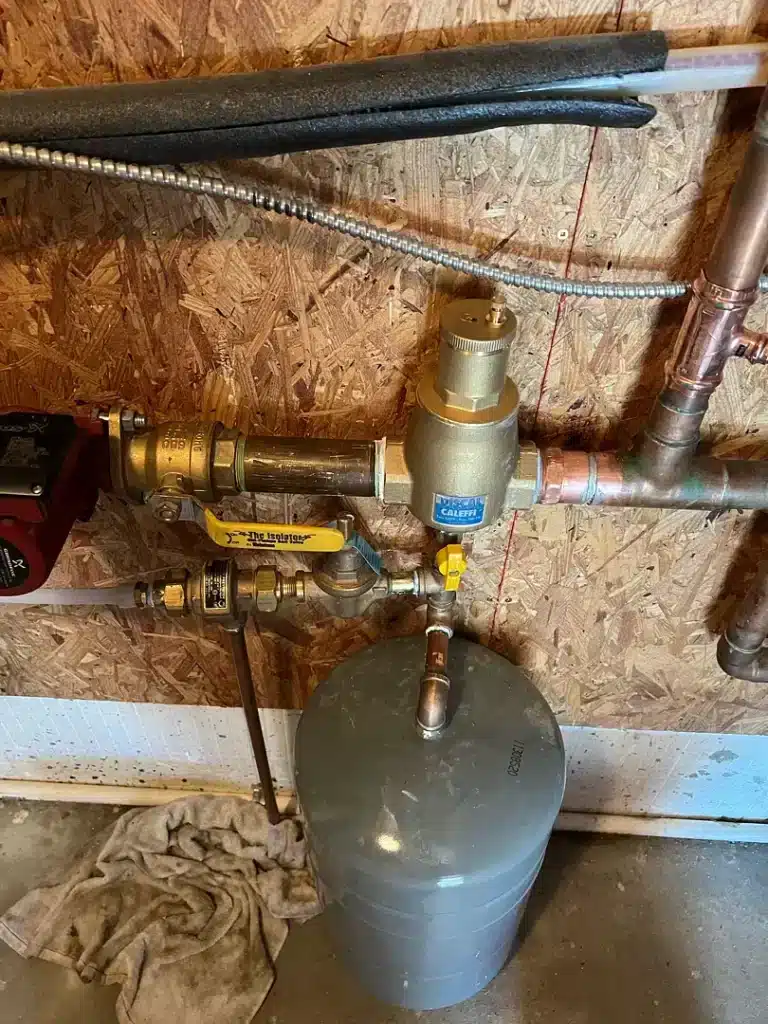
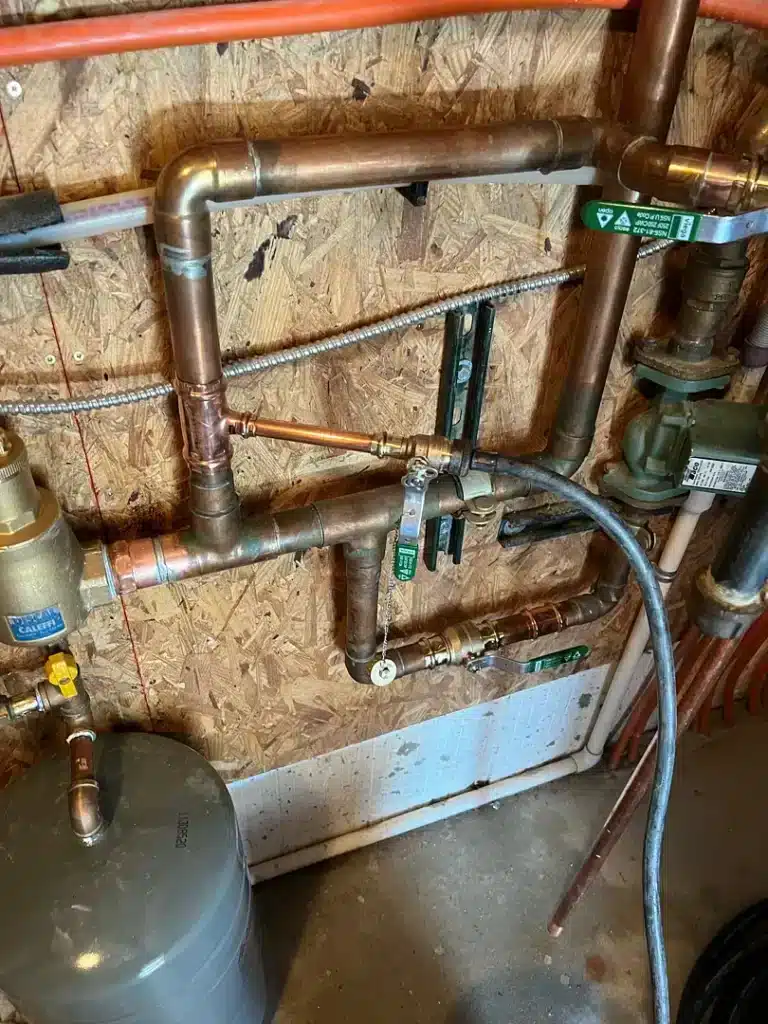
Boiler Repairs and Upgrade - Golden
- Problem: Boiler need repair
- Found: Old boiler
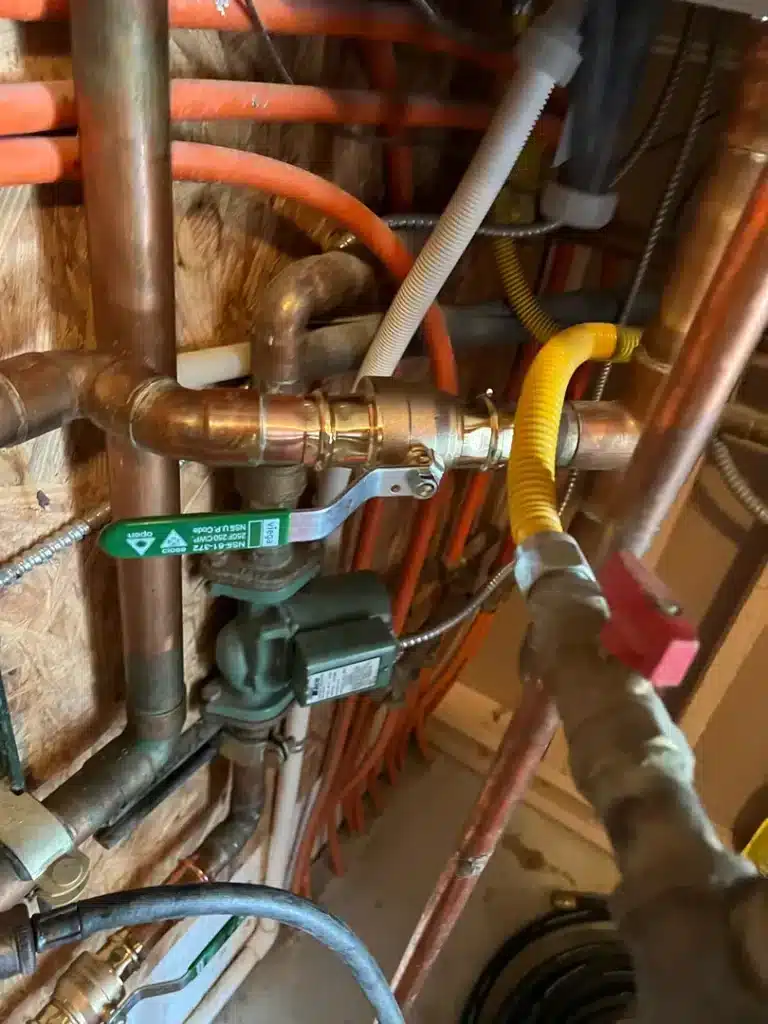
- Fixed: Boiler repairs New air eliminator Purge valve added. Isolation valve added. C.W. supply to boiler moved to after water treatment system ystem flushed and Fernox added.
- Outcome: Remove and replace Calle for air scoop, add isolation, ball valves, add boiler drain, refill system,purge air, and test for leaks also tied a water feed with treated water
How Cardom Plumbing & Heating Can Help
Our boiler replacement process addresses Golden's specific heating challenges through methodical evaluation and precision installation. Every project follows a structured approach designed to match your home with appropriate equipment.
Our Replacement Process
- Initial Assessment – We evaluate your current system's condition, measure your home's heating load, and discuss your comfort goals and budget considerations
- Heat Load Calculation – Using Manual J protocols adjusted for Golden's elevation, we determine the exact BTU output your home requires
- Equipment Selection – We present options that fit your heating needs, considering fuel type, efficiency ratings, and compatibility with existing distribution systems
- Pre-Installation Preparation – We coordinate delivery, obtain necessary permits, and prepare the installation area to minimize disruption
- Professional Removal – Old equipment is disconnected, drained, and removed with proper handling of any hazardous materials
- New System Installation – Your replacement boiler is positioned, connected to existing piping, and integrated with your home's heating distribution
- Testing and Commissioning – We verify combustion efficiency, check all safety controls, and balance the system for optimal performance
- Homeowner Training – We walk you through operation, maintenance requirements, and what to monitor going forward
Techniques and Methods
- Combustion analysis using digital analyzers calibrated for high-altitude operation
- Pressure testing of all connections before system activation
- Water chemistry testing to recommend appropriate treatment solutions
- Venting inspection and modification to meet current codes
- Zone valve and circulator pump evaluation for compatibility
- Thermostat integration and programming assistance
Communication remains constant throughout your project. You'll receive updates at each phase, along with clear explanations of any unexpected findings or recommendations.
Why Choose Cardom Plumbing & Heating
Our technicians hold certifications for gas appliance installation and hydronic heating systems – qualifications that matter when working at altitude where improper setup creates safety risks. We maintain current licensing with Jefferson County and stay updated on Golden's specific permit requirements for heating equipment replacement.
Local knowledge shapes every recommendation we make. We understand which boiler brands perform reliably in Golden's conditions, which efficiency ratings actually deliver savings at this elevation, and which installation approaches work best in different neighborhood housing styles. This familiarity comes from years of serving Clear Creek Valley communities.
What Sets Us Apart
- Same-day response available for emergency heating failures during winter months
- Detailed written proposals with equipment specifications and warranty information
- Post-installation follow-up to verify system performance after initial operation period
- Direct relationships with equipment manufacturers for warranty support
- Ongoing maintenance programs that extend equipment lifespan
We invest in diagnostic technology that identifies problems accurately the first time – including thermal imaging cameras, combustion analyzers, and pressure testing equipment. This investment means fewer callbacks, faster installations, and systems that perform as promised from day one.
Housing Characteristics & Boiler Replacement Considerations
Golden's housing stock reflects the town's evolution from mining community to college town to sought-after Front Range destination. Each era left behind distinct building styles with specific heating implications that affect boiler replacement decisions.
Historic Properties (Pre-1950)
The neighborhoods surrounding downtown Golden contain Victorian-era homes and early 20th century bungalows originally heated by coal-fired boilers. Many of these properties retain cast iron radiator systems that require careful boiler matching:
- High-mass radiators need boilers capable of delivering adequate water temperatures
- Original single-pipe steam systems may benefit from conversion to hot water operation
- Basement mechanical rooms often have limited clearances for modern equipment
- Older chimneys may require liner installation for safe venting
Mid-Century Homes (1950-1980)
Ranch-style homes and split-levels from this period frequently feature baseboard hot water heating. These systems present different considerations:
- Original copper piping generally remains serviceable but requires inspection
- Zoning modifications can improve comfort and efficiency
- Equipment rooms typically offer better access than older homes
- Asbestos insulation on original piping requires professional handling during replacement
Contemporary Construction (1980-Present)
Newer developments in areas like Heritage Square and the foothills neighborhoods often feature radiant floor heating or high-efficiency forced-air systems. Boiler replacement in these homes involves:
- Matching condensing boiler technology with existing radiant manifolds
- Integrating with smart thermostats and zoning controls
- Evaluating combination boiler options for domestic hot water
- Ensuring adequate gas supply for high-efficiency equipment
Environmental Conditions & Boiler Replacement Implications
Golden's environmental factors directly influence boiler selection, installation methods, and long-term system performance. Understanding these conditions helps homeowners make informed replacement decisions.
Water Quality Characteristics
The City of Golden Water Treatment Plant processes surface water from Clear Creek, producing water that meets all federal standards but carries characteristics affecting heating equipment:
- Moderate hardness levels (typically 80-120 mg/L) contribute to scale formation inside boilers
- Seasonal variations in source water quality affect mineral content
- Dissolved oxygen levels can accelerate corrosion in ferrous components
- pH levels generally remain stable but warrant monitoring in closed-loop systems
We recommend water treatment solutions based on your specific water chemistry and boiler type. Proper treatment extends equipment life and maintains efficiency.
Climate Impact on Heating Systems
Golden experiences approximately 300 days of sunshine annually, but winter brings distinct challenges for heating equipment:
- Average January low temperatures around 17°F with frequent drops below zero
- Rapid temperature swings – sometimes 40+ degrees in a single day – stress expansion components
- Low humidity accelerates evaporation in open systems and affects air quality
- Heavy snowfall periods increase heating demand while potentially blocking vents
Soil and Foundation Considerations
The geology around Golden includes expansive clay soils in many areas, particularly in neighborhoods east of downtown. This soil type creates foundation movement that can:
- Stress rigid piping connections over time
- Require flexible connections at equipment interfaces
- Affect floor-mounted equipment leveling
- Influence decisions about equipment placement during replacement
Golden's Winter Climate Data and Heating Demand
Golden's heating season extends roughly from October through April, with peak demand occurring during December, January, and February. Historical climate data from the National Weather Service reveals patterns that directly influence boiler sizing and replacement timing for local homeowners.
The town averages approximately 5,800 heating degree days annually – a measurement that quantifies heating demand based on outdoor temperatures. This figure exceeds Denver's average by roughly 15%, reflecting Golden's slightly higher elevation and position against the foothills where cold air drainage occurs during clear winter nights.
Key Climate Statistics Affecting Boiler Systems
- Average heating season length: 180-200 days
- Record low temperature: -25°F (requiring substantial heating reserve capacity)
- Average January heating degree days: approximately 1,050
- Typical overnight low during cold snaps: -5°F to 5°F
- Days per year with temperatures below freezing: approximately 155
These statistics inform proper equipment sizing. An undersized boiler struggles during extreme cold events, running continuously without reaching setpoint temperatures. Oversized equipment cycles excessively, wasting fuel and accelerating wear on components. Accurate heat load calculations using Golden-specific design temperatures – typically -5°F to -10°F – prevent both problems.
Optimal Replacement Timing
Late summer and early fall represent the ideal window for boiler replacement in Golden. This timing offers several advantages:
- Scheduling flexibility before heating season demand peaks
- Opportunity to test new equipment before cold weather arrives
- Reduced urgency allows thorough evaluation and equipment selection
- Manufacturer rebates and utility incentives often align with this period
Emergency replacements during January or February remain possible but typically involve longer wait times for equipment and installation scheduling. Planning ahead – especially when your current boiler shows warning signs – prevents uncomfortable and costly mid-winter failures.


