
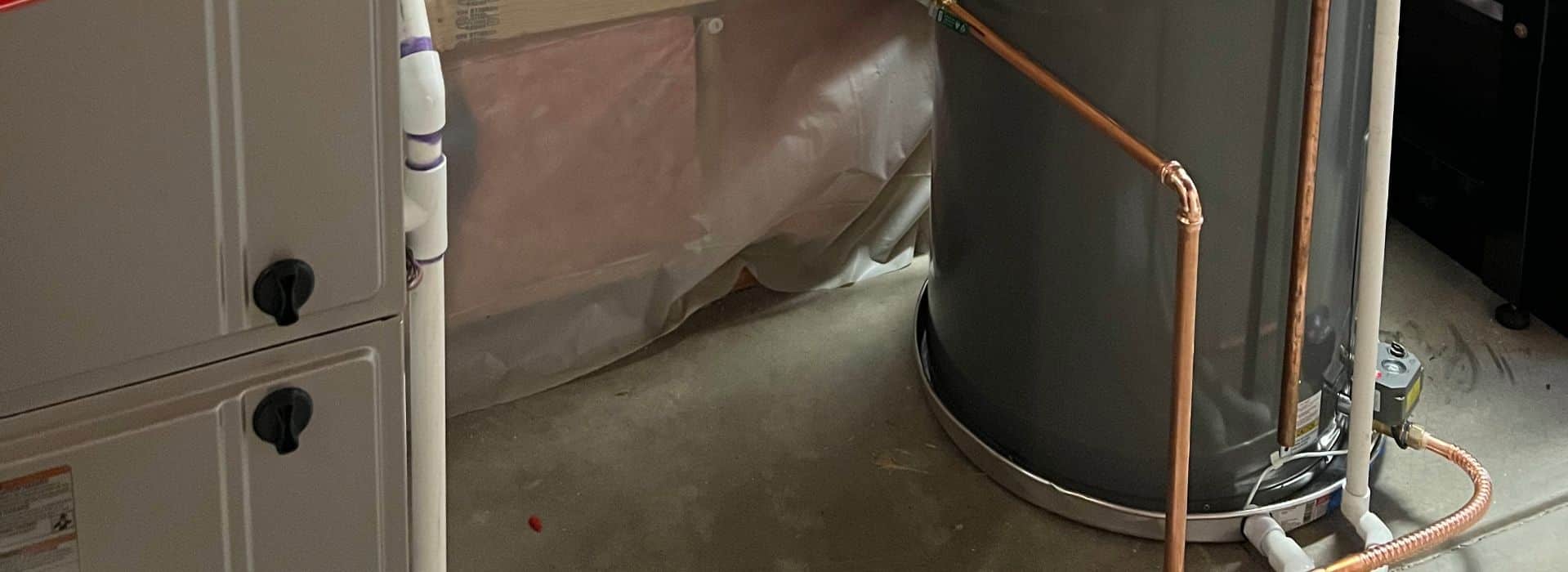
Homeowners in Federal Heights, CO, facing issues with aging boilers must consider whether to repair or replace their systems. Boiler replacement involves careful assessment and installation of modern units tailored to local conditions, ensuring efficient heating and safety.
- Many homes in Federal Heights have boilers that are 20 to 50 years old, leading to increased heating costs and uneven temperatures.
- Local factors like high elevation and water quality impact boiler performance, making professional assessment essential.
- Cardom Plumbing & Heating offers specialized knowledge and a structured replacement process to address unique challenges in the area.
A boiler replacement in Federal Heights involves assessing the current system's efficiency and performance, selecting a new boiler that meets your heating needs, and ensuring proper installation. Homeowners often consider factors like energy efficiency, cost, and the potential for long-term savings when making this decision.
Boiler Replacement in Federal Heights, CO
That rumbling sound from your basement isn't getting any quieter. Your heating bills keep climbing while your home stays stubbornly cold. If your boiler has been struggling through another Colorado winter, you're likely facing a decision that many Federal Heights homeowners encounter – whether to keep patching an aging system or invest in a complete boiler replacement.
Boiler replacement involves removing your existing heating unit and installing a modern, efficient system designed to meet your home's specific heating demands. This process goes far beyond simply swapping equipment – it requires careful assessment of your current piping infrastructure, radiator capacity, fuel connections, and ventilation requirements to ensure the new system integrates seamlessly with your home.
Why Professional Assessment Matters
Federal Heights sits at approximately 5,200 feet elevation, where atmospheric pressure and temperature extremes create unique demands on hydronic heating systems. A professional diagnosis identifies issues that homeowners often miss:
- Heat exchanger degradation from mineral-rich Front Range water supplies
- Expansion tank failures caused by pressure fluctuations at altitude
- Corroded piping connections that could compromise a new installation
- Inadequate venting configurations that reduce efficiency and safety
The semi-arid climate, dramatic temperature swings, and aging housing stock throughout Federal Heights mean your boiler replacement requires local expertise – not generic solutions designed for sea-level conditions.
Common Boiler Issues in Federal Heights, CO
Cardom Plumbing & Heating provides Boiler Replacement services in all neighborhoods of Federal Heights including Countryside Village, Denver Cascade, Friendly Village, Holiday Hills Village, Kimberly Hills, Lamplighter Trailer Park, Redwood Estates, The Lodge, and Tuscan Heights.
Federal Heights experiences temperature variations that stress heating systems in ways many homeowners don't anticipate. Winter nights regularly drop below freezing while afternoon sun can push temperatures 40 degrees higher – all within the same day. Your boiler cycles constantly to compensate, accelerating wear on components designed for more moderate climates.
The city's housing stock presents another challenge. Many Federal Heights homes were built during the 1960s and 1970s development boom, equipped with boilers that have now operated for 30 to 50 years. While these systems were built to last, decades of hard water exposure and altitude-related stress have taken their toll.
Local Factors Affecting Boiler Performance
- Elevation effects – Reduced oxygen levels at 5,200 feet affect combustion efficiency in older atmospheric boilers, leading to incomplete fuel burn and carbon buildup
- Water hardness – Denver Metro area water contains dissolved minerals that accumulate inside heat exchangers, reducing heat transfer and forcing systems to work harder
- Clay-heavy soil – Ground movement during freeze-thaw cycles can shift foundations and stress connected piping systems
- Aging infrastructure – Original gas lines and water supply connections in older Federal Heights neighborhoods may require upgrades during boiler replacement
- Rapid temperature cycling – Frequent on-off operation during shoulder seasons causes thermal stress on cast iron components
- Low humidity – Dry conditions accelerate corrosion on exposed metal components and gasket deterioration
Warning Signs Your Boiler Needs Replacement
Watch for these indicators that suggest repair may no longer be the most practical option:
- Heating costs increasing by 15% or more year over year despite similar usage
- Uneven heating throughout your home – some rooms too hot, others perpetually cold
- Frequent pilot light outages or ignition failures
- Visible rust, corrosion, or water staining around the unit
- Strange noises including banging, whistling, or gurgling sounds
- Yellow or orange flame instead of steady blue combustion
- System age exceeding 20 years with increasing repair frequency
How Cardom Plumbing & Heating Can Help
Replacing a boiler requires methodical planning and precise execution. Cardom Plumbing & Heating follows a structured process designed to minimize disruption while maximizing the performance of your new heating system.
Our Boiler Replacement Process
- Initial consultation and load calculation – We assess your home's heating requirements, measure square footage, evaluate insulation levels, and calculate the BTU output needed for efficient operation at Federal Heights' elevation
- System evaluation – Our technicians inspect existing piping, radiators or baseboard units, expansion tanks, and venting to determine what can be retained and what needs upgrading
- Equipment selection – Based on your home's needs and budget, we recommend boiler options suited to high-altitude operation and local water conditions
- Preparation and protection – We protect your floors, walls, and belongings before beginning any work
- Safe removal – The old boiler is disconnected, drained, and removed according to environmental regulations
- Installation and connection – Your new boiler is positioned, connected to existing piping, and integrated with gas and electrical supplies
- System flush and fill – We clean the entire hydronic loop and fill with fresh water treated for mineral content
- Testing and calibration – Combustion analysis, pressure testing, and thermostat calibration confirm proper operation
- Homeowner orientation – We walk you through your new system's operation, maintenance needs, and warranty coverage
Techniques and Methods
Our installation approach addresses Federal Heights' specific challenges:
- Combustion analysis – We verify proper fuel-air mixture for altitude-adjusted performance
- Pressure testing – All connections are tested at operating pressure before system activation
- Expansion tank sizing – We calculate correct tank capacity for your system volume and altitude conditions
- Venting verification – Proper draft and exhaust flow are confirmed for safety and efficiency
- Zone balancing – Multi-zone systems are adjusted to deliver consistent heat throughout your home
Communication Throughout
You'll receive updates at each project phase. We explain what we're doing, why it matters, and what comes next. If we encounter unexpected conditions – corroded piping, inadequate gas supply, or structural concerns – we discuss options before proceeding.
Why Choose Cardom Plumbing & Heating
Boiler replacement demands expertise that general contractors simply don't possess. Cardom Plumbing & Heating brings specialized hydronic heating knowledge combined with deep familiarity with Federal Heights' unique conditions. Our technicians hold current certifications in gas fitting, hydronic systems, and high-efficiency equipment installation – qualifications that matter when your family's comfort and safety depend on proper execution.
Local Knowledge That Makes a Difference
We've served the Federal Heights community long enough to understand its housing patterns, infrastructure quirks, and seasonal demands. That experience translates into practical advantages:
- Familiarity with common boiler models installed in 1960s-1970s Federal Heights homes
- Established relationships with equipment suppliers for faster parts availability
- Understanding of local code requirements and permit processes
- Experience with the specific water quality challenges affecting Adams County heating systems
Service Commitments
When your heating fails during a January cold snap, waiting days for service isn't acceptable. Cardom Plumbing & Heating prioritizes emergency boiler situations and maintains scheduling flexibility to address urgent needs. We stand behind our installations with follow-up support – if questions arise after your new boiler is running, we're available to help.
Our diagnostic capabilities include modern combustion analyzers, thermal imaging for detecting heat distribution issues, and pressure testing equipment that identifies problems before they become failures. This technology-forward approach means fewer callbacks and longer-lasting installations.
Housing Characteristics & Boiler Replacement Considerations
Federal Heights' residential landscape reflects its development history as a post-war suburban community. The city's housing stock creates specific considerations for boiler replacement projects that experienced contractors must address.
Dominant Housing Types
- Single-family ranch homes – Built primarily between 1955 and 1975, these one-story residences often feature original cast iron boilers with baseboard radiation systems
- Split-level homes – Popular during the 1960s-1970s building boom, these multi-level designs present zoning challenges that modern boilers handle more effectively
- Townhomes and condominiums – Later developments introduced shared-wall construction where boiler replacement must account for noise transmission and limited mechanical space
- Mobile and manufactured homes – Federal Heights includes manufactured housing communities with compact boiler requirements and specific venting constraints
Age-Related Considerations
Homes built before 1980 frequently contain original heating equipment that has exceeded its expected service life. These older systems often feature:
- Standing pilot ignition systems that waste fuel continuously
- Cast iron heat exchangers with decades of scale accumulation
- Oversized capacity based on outdated calculation methods
- Asbestos-containing insulation on piping and equipment
Modern boiler replacement in these homes typically improves efficiency by 15% to 30% while reducing equipment footprint. However, installers must carefully evaluate existing piping compatibility, as older steel or iron distribution systems may require flushing or partial replacement to function properly with high-efficiency condensing boilers.
Foundation and Structural Factors
Federal Heights homes built on expansive clay soils have experienced foundation movement over decades. This settling can affect boiler installations through misaligned piping, stressed connections, and compromised venting. A thorough pre-installation inspection identifies these issues before they complicate your replacement project.
Environmental Conditions & Boiler Replacement Implications
Federal Heights' environmental conditions directly impact boiler selection, installation methods, and long-term system performance. Understanding these factors helps homeowners make informed decisions about their heating investments.
Water Quality Characteristics
The Denver Water system serving Federal Heights draws from mountain snowmelt sources, producing water that's relatively soft compared to groundwater supplies. However, treatment processes add minerals that affect heating systems over time:
- Moderate hardness levels (50-100 ppm) cause gradual scale buildup in heat exchangers
- Chloramine disinfection can accelerate corrosion in copper and brass components
- Seasonal turbidity variations during spring runoff affect water clarity and sediment content
- pH levels typically range from 7.0 to 8.5, generally compatible with hydronic systems
For boiler replacement, these conditions inform decisions about system flushing, water treatment additives, and heat exchanger material selection. Stainless steel heat exchangers in modern condensing boilers resist corrosion better than older cast iron designs.
Climate Impacts on Heating Systems
Federal Heights experiences a semi-arid continental climate with characteristics that stress heating equipment:
- Temperature extremes – Winter lows reaching -10°F to -20°F during cold snaps demand reliable heating capacity
- Rapid temperature swings – 40-50 degree daily variations cause expansion and contraction stress on piping and fittings
- Low humidity – Average relative humidity below 50% accelerates gasket and seal deterioration
- Extended heating season – Homes typically require heat from October through May, accumulating 6,000+ heating degree days annually
Soil and Drainage Considerations
The clay-heavy soils prevalent throughout Federal Heights expand when wet and contract during dry periods. This movement affects boiler installations in several ways:
- Foundation settling can misalign flue connections and create draft problems
- Underground gas lines may shift, requiring inspection during equipment replacement
- Basement moisture intrusion during wet seasons can affect equipment placement and electrical connections
- Frost penetration to 30+ inches requires attention to any below-grade piping modifications
These environmental realities inform every aspect of a properly executed boiler replacement – from equipment selection to installation methods and ongoing maintenance recommendations.
Heating Degree Days and Energy Consumption in Federal Heights
Federal Heights residents face heating demands that significantly exceed national averages. Climate data reveals why boiler efficiency matters so much in this community – and why aging equipment costs homeowners substantially more to operate than modern alternatives.
Local Heating Demand Statistics
The Denver metropolitan area, including Federal Heights, accumulates approximately 6,000 to 6,200 heating degree days annually. This measurement – calculated by comparing daily average temperatures against a 65°F baseline – quantifies how hard your heating system must work throughout the year.
- Federal Heights heating season typically spans 220-240 days per year
- January averages the highest heating demand with 1,000+ heating degree days
- Even May and September require supplemental heating during cold snaps
- Nighttime temperatures drop below 50°F for approximately 200 nights annually
Efficiency Impact on Operating Costs
A boiler operating at 65% efficiency – typical for units installed before 1990 – wastes roughly 35 cents of every fuel dollar. Modern condensing boilers achieve 90-95% efficiency, dramatically reducing this waste. For Federal Heights homeowners with high heating degree day exposure, this efficiency gap translates to hundreds of dollars in annual savings:
- Average natural gas consumption for heating in the Denver metro area ranges from 600-900 therms annually
- Upgrading from 65% to 92% efficiency can reduce consumption by 25-30%
- Payback periods for high-efficiency boiler replacement typically range from 5-8 years in this climate
- Utility rebate programs through Xcel Energy may offset initial equipment costs
These statistics demonstrate why boiler replacement represents a sound investment for Federal Heights homeowners. The combination of extended heating seasons, high heating degree day accumulation, and aging housing stock creates conditions where modern, efficient equipment delivers measurable returns while improving home comfort and reliability.


