

Boiler replacement in Lakewood, CO is essential when heating systems show signs of age, such as strange noises and rising energy bills. The process involves removing old units and installing modern systems tailored to the specific heating needs of homes in the area.
- Cold radiators and hot water loss indicate a failing boiler that may need replacement. Professional assessment helps determine if repairs or replacement is more cost-effective.
- Lakewood's unique climate and older housing stock can accelerate boiler wear, making timely replacement important for efficiency.
- New high-efficiency boilers can significantly reduce heating costs and improve safety features, providing better long-term value.
Signs that indicate a boiler replacement is needed include cold radiators, lack of hot water, unusual noises from the system, frequent cycling on and off, and rising energy bills. These issues suggest that the heating system may be nearing the end of its service life and requires attention.
Boiler Replacement in Lakewood, CO
That morning when you wake up to cold radiators and no hot water hits differently at 5,500 feet elevation in January. Your boiler has been making strange noises for months, cycling on and off more frequently, and your energy bills keep climbing. These aren't minor inconveniences – they're signals that your heating system is approaching the end of its service life.
Boiler replacement involves removing your existing heating unit and installing a modern, properly sized system that matches your home's heating demands. This process encompasses disconnecting gas and water lines, safely removing the old unit, preparing the installation site, connecting the new boiler to your existing hydronic distribution system, and commissioning the equipment for optimal performance.
Professional diagnosis matters because boiler systems involve complex interactions between combustion, water circulation, pressure regulation, and heat distribution. A technician evaluating your system can determine whether repairs make financial sense or whether replacement offers better long-term value. In Lakewood specifically, our semi-arid climate with intense temperature swings, the prevalence of homes built during the 1970s and 1980s expansion period, and Denver Water's moderately hard water supply all influence how boilers age and perform.
- Modern high-efficiency boilers can reduce heating costs by 15-30% compared to units installed before 2000
- New systems offer improved safety features including automatic shutoffs and carbon monoxide monitoring
- Properly sized replacement boilers eliminate short-cycling that wears components prematurely
- Updated controls and thermostats provide zone heating capabilities for better comfort management
Common Boiler Issues in Lakewood, CO
Lakewood sits at the intersection of several factors that accelerate boiler wear. The city's housing stock includes thousands of homes constructed during Jefferson County's rapid growth between 1965 and 1990 – many still operating on their original or first-replacement boilers now reaching 25-35 years old.
Our Front Range climate creates particular stress on heating systems. Winter temperatures regularly drop into single digits, demanding sustained high output from boilers. Yet afternoon sunshine can push temperatures into the 50s, causing rapid cycling between heating modes. This constant expansion and contraction fatigues metal components, stresses seals, and accelerates corrosion in heat exchangers.
Local Factors Affecting Boiler Performance
- Water hardness: Denver Water supplies Lakewood with moderately hard water (around 50-100 mg/L calcium carbonate), leading to scale buildup inside boiler heat exchangers that reduces efficiency over time
- Elevation effects: At 5,500+ feet, combustion air contains less oxygen, requiring proper burner adjustment – older boilers often run inefficiently because they were never calibrated for altitude
- Temperature volatility: Lakewood experiences 40-50 degree daily temperature swings in winter, forcing boilers through repeated startup and shutdown cycles
- Aging infrastructure: Many homes in Green Mountain, Belmar, and older Lakewood neighborhoods have original cast iron radiator systems that benefit from modern condensing boiler upgrades
- Natural gas pressure variations: Xcel Energy's distribution network in established neighborhoods occasionally experiences pressure fluctuations that affect older boiler ignition systems
- Dry air conditions: Low humidity accelerates corrosion on boiler components and can cause gaskets and seals to dry out and crack prematurely
Warning Signs Your Boiler Needs Replacement
Watch for these indicators that repair costs may no longer justify keeping your current system:
- Heating bills increasing year over year despite similar usage patterns
- Frequent pilot light outages or ignition failures
- Visible rust or corrosion on the boiler body or connections
- Water pooling around the base of the unit
- Radiators taking significantly longer to warm up than in previous years
- Strange banging, kettling, or gurgling sounds during operation
- Yellow or orange burner flames instead of steady blue
- Age exceeding 15-20 years for standard efficiency units
How Cardom Plumbing & Heating Can Help
Our boiler replacement process follows a systematic approach designed to minimize disruption while maximizing the performance of your new heating system.
Our Replacement Process
- Initial assessment: We evaluate your current boiler's condition, measure your home's heating load, inspect the distribution system (radiators, baseboard heaters, or radiant floors), and assess venting requirements
- System sizing calculation: Using Manual J heat load calculations adjusted for Lakewood's elevation and climate data, we determine the correct boiler capacity – oversizing wastes energy while undersizing leaves you cold
- Equipment selection: Based on your home's characteristics and budget, we recommend appropriate boiler types – conventional, high-efficiency condensing, or combi units that also provide domestic hot water
- Preparation and scheduling: We coordinate delivery, obtain necessary permits from Jefferson County, and schedule installation during weather conditions that allow safe work
- Safe removal: Our technicians disconnect and remove the old boiler, properly disposing of the unit according to EPA guidelines for any hazardous materials
- New installation: We install the replacement boiler, connect gas and water lines, set up venting (including new PVC venting for condensing units), and wire controls
- System commissioning: We purge air from the hydronic system, adjust combustion settings for altitude, calibrate controls, and verify proper operation across all zones
- Testing and documentation: Final pressure testing, safety checks, and carbon monoxide verification ensure safe operation before we complete the job
Techniques and Methods
- Combustion analysis using digital analyzers to optimize burner efficiency at Lakewood's elevation
- Pressure testing of all connections to identify potential leaks before startup
- System flushing to remove sediment and debris that could damage new equipment
- Magnetic filtration installation to protect the new boiler from circulating particles
- Expansion tank inspection and replacement when existing tanks show signs of failure
- Circulator pump evaluation to ensure adequate flow through the distribution system
Communication Throughout
We provide written estimates before work begins, explain options without pressure, and keep you informed during installation. After completion, we walk you through your new system's operation, explain maintenance requirements, and answer questions about optimal settings for your household patterns.
Why Choose Cardom Plumbing & Heating
Boiler work requires specific expertise that differs from standard HVAC or plumbing services. Our technicians hold certifications in hydronic heating systems and receive ongoing training on modern condensing boiler technology. We maintain proper licensing through the State of Colorado and carry comprehensive insurance that protects your property during installation.
Lakewood residents benefit from our familiarity with local building codes, permit requirements, and the specific challenges homes in this area face. We've worked in neighborhoods from Two Creeks to Applewood, understanding how different construction eras and housing styles affect boiler installation approaches. When you call with a heating emergency, you reach our local team – not a distant call center.
What Sets Us Apart
- Altitude expertise: Every boiler we install receives proper high-altitude combustion adjustment – a step some contractors skip
- Complete system evaluation: We assess your entire hydronic system, not just the boiler, identifying issues that could affect new equipment performance
- Quality equipment partnerships: We install boilers from manufacturers known for reliability and parts availability
- Transparent pricing: Detailed written estimates break down equipment, labor, and materials with no hidden charges
- Post-installation support: We're available for questions, adjustments, and warranty service after your new system is running
- Permit handling: We manage Jefferson County permit applications and schedule required inspections
Our approach prioritizes doing the job correctly over doing it quickly. Boiler replacement represents a significant investment that should provide reliable heating for 20+ years. Taking time during installation to address underlying issues and optimize system performance delivers better long-term value than rushing through the work.
Recent Work
Small Mystery Leak - Lakewood
- Problem: Water leaking in house that is empty
- Found: We did find that when we manually filled the boiler to proper pressure with a hose, the boiler relief valve dumped water on the floor.
- Fixed: Picked up the proper size relief valve and installed on the boiler. This stopped the leak. Purged the air from the zone by filling the boiler with a garden hose and manually purging air from the system using the isolation valve and boiler drain on the system.
- Outcome: Boiler is working now at this time and the relief valve is no long dumping.
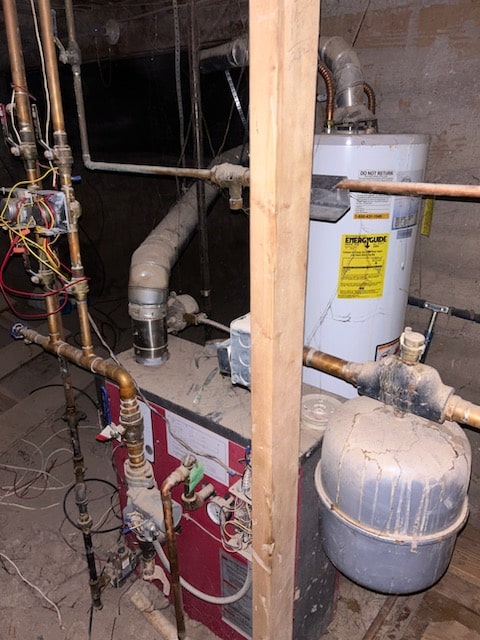
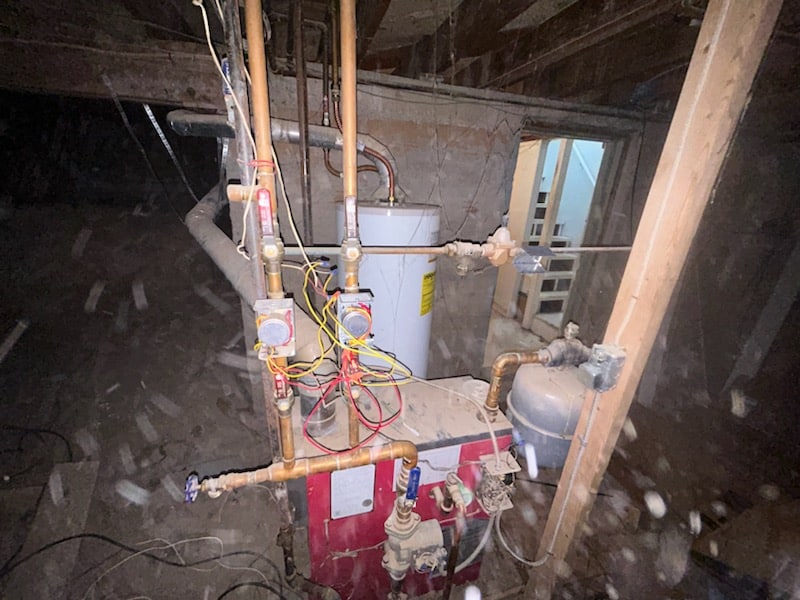
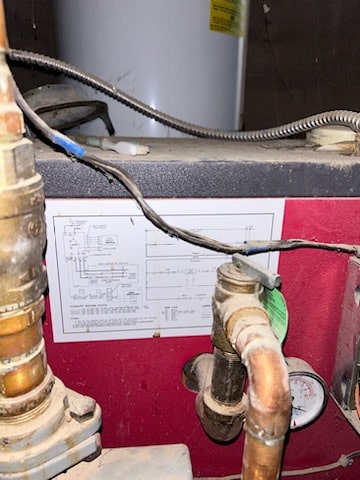
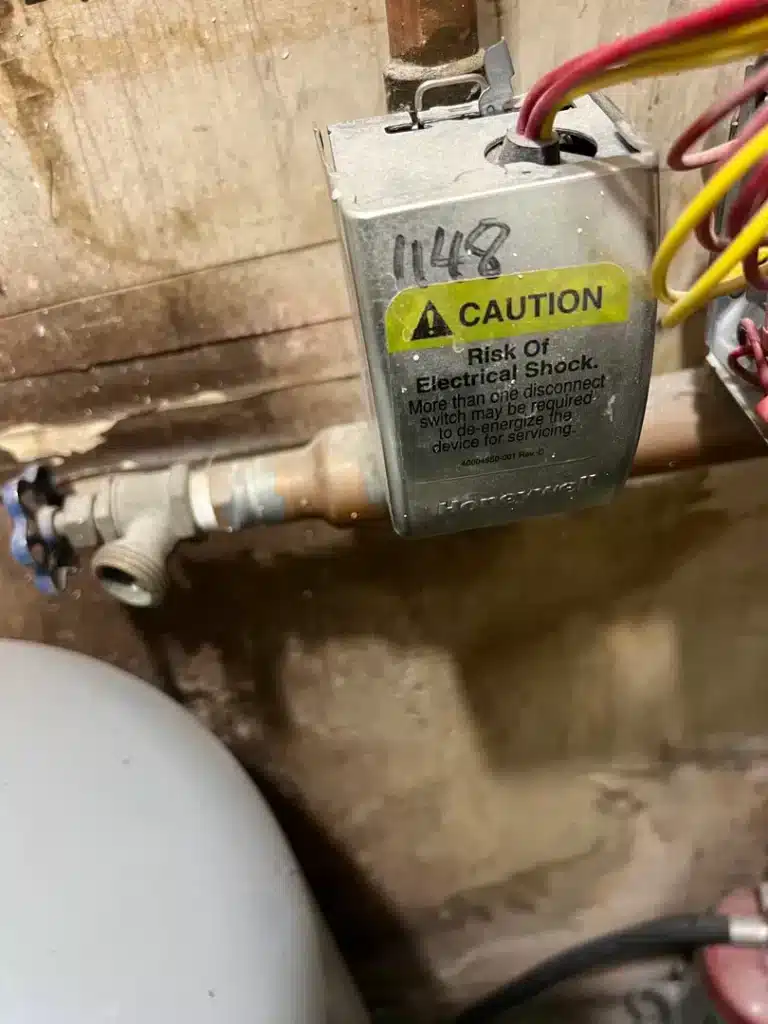
Boiler Start Up for Season for this 6-Plex - Lakewood
- Problem: Start up boiler for the 6-plex
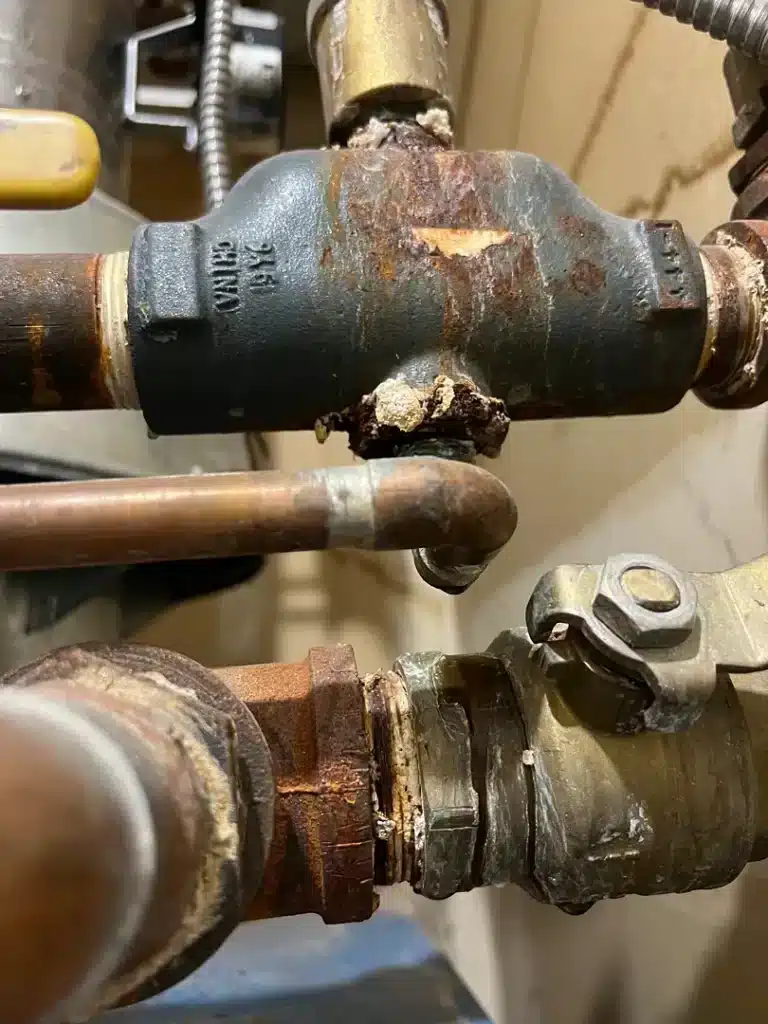
- Found: Weird noises. Leak at air scoop, looks rusted.
- Fixed: The flame sensor is dirty or going bad so I cleaned it up.
- Outcome: Refired and did not have an issue again.
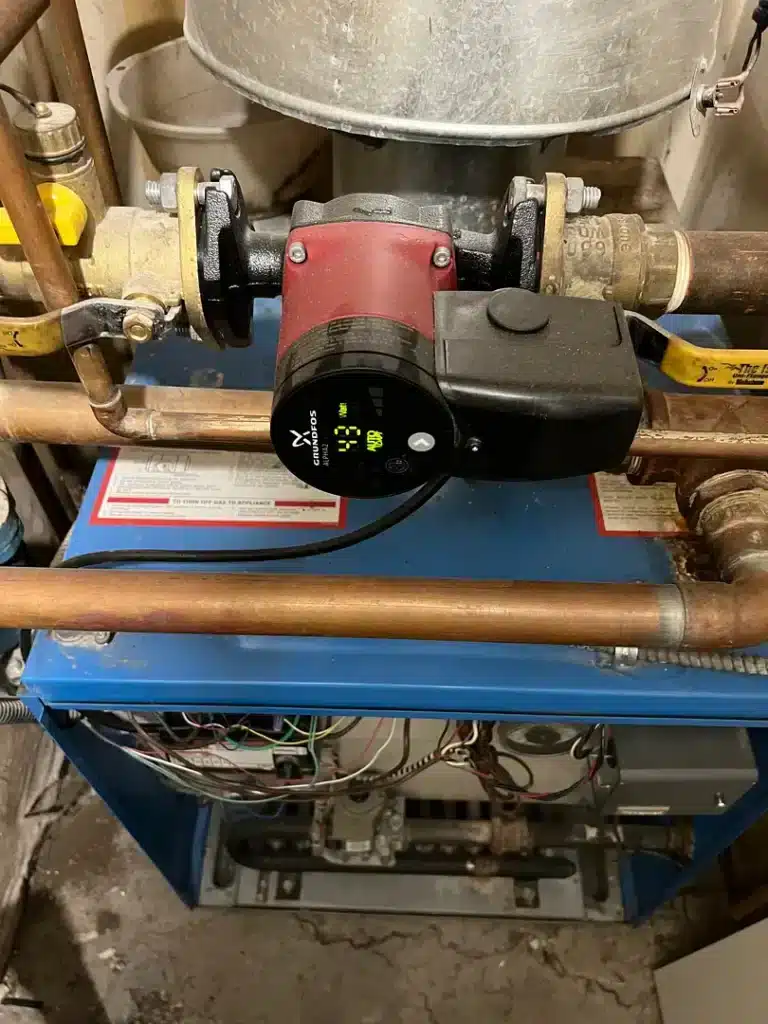
Housing Characteristics & Boiler Replacement Considerations
Lakewood's housing stock reflects distinct construction periods, each presenting unique considerations for boiler replacement projects.
Construction Era Patterns
- Pre-1960 homes: Found primarily in older Lakewood near Colfax Avenue, these properties often have original cast iron radiator systems. Replacement boilers must be compatible with high-mass distribution systems that operate at different temperatures than modern baseboard heating.
- 1960s-1980s construction: The bulk of Lakewood housing, including Green Mountain and much of central Lakewood, dates from this period. Many feature copper baseboard systems with zone valves – ideal candidates for modern condensing boiler upgrades.
- 1990s-2000s developments: Areas like Bear Creek and newer sections often have radiant floor heating requiring specific boiler configurations with mixing valves and outdoor reset controls.
- Recent construction: Newer homes in Belmar and infill developments typically use forced-air systems, but some include hydronic components for specific applications.
Structural Considerations
Basement configurations vary significantly across Lakewood. Older homes often have utility rooms with adequate space for boiler replacement, while split-level designs from the 1970s sometimes present access challenges. We evaluate installation logistics during initial assessments to identify any complications.
Venting requirements differ based on boiler type and home construction:
- Conventional boilers require metal flue connections to existing chimneys
- High-efficiency condensing units need PVC venting that can exit through walls or roofs
- Some older homes have shared chimney flues that require evaluation before installation
- Combustion air supply must meet code requirements – particularly relevant in tightly sealed newer homes
Foundation types also affect installation. Lakewood homes sit on full basements, crawl spaces, or slab construction depending on location and era. Each configuration influences equipment placement, drainage for condensate (from high-efficiency units), and access for future maintenance.
Environmental Conditions & Boiler Replacement Implications
Water Quality Characteristics
Denver Water provides Lakewood's municipal supply, drawing from mountain reservoirs including Dillon, Gross, and the South Platte system. Water hardness typically ranges from 50-100 mg/L calcium carbonate – moderate by national standards but sufficient to cause scale accumulation in boiler heat exchangers over time.
- Scale buildup reduces heat transfer efficiency, forcing boilers to work harder
- Modern condensing boilers are particularly sensitive to water quality due to their compact heat exchangers
- Water treatment options including inhibitors can extend equipment life
- Annual flushing helps remove accumulated sediment from hydronic systems
Climate Impacts on Heating Systems
Lakewood's semi-arid continental climate creates specific demands on boiler systems:
- Heating degree days: Lakewood averages approximately 6,000 heating degree days annually, indicating substantial heating demand from October through April
- Temperature extremes: Winter lows regularly reach 0°F to -10°F, requiring boilers capable of sustained high output
- Rapid temperature changes: Chinook winds can raise temperatures 30-40 degrees in hours, causing thermal stress on heating equipment
- Low humidity: Average relative humidity of 30-40% accelerates corrosion and dries out seals and gaskets
- Intense solar radiation: High-altitude sunshine creates passive solar heating that affects thermostat behavior and cycling patterns
Soil and Drainage Considerations
While boilers themselves sit inside homes, soil conditions affect related systems. Lakewood's clay-heavy soils expand and contract seasonally, potentially stressing underground gas lines that supply boilers. Properties in flood-prone areas near Bear Creek or Lakewood Gulch should consider boiler placement that minimizes flood damage risk.
Condensate drainage from high-efficiency boilers requires attention in Lakewood's climate. Acidic condensate must drain properly – either to floor drains, condensate pumps, or exterior terminations that won't freeze during winter months.
Energy Usage and Heating Costs in Lakewood
Understanding local energy patterns helps Lakewood homeowners make informed decisions about boiler replacement investments. Xcel Energy serves as the primary natural gas provider for residential heating, and their rate structures directly impact the payback period for high-efficiency boiler upgrades.
Local Energy Data
- Average residential natural gas usage: Lakewood homes using gas heating typically consume 600-900 therms annually, with approximately 70% of that usage occurring during the October-March heating season
- Current gas rates: Xcel Energy's residential rates fluctuate seasonally, with winter rates typically higher than summer – making efficiency improvements more valuable during peak demand months
- Efficiency gains: Replacing an 80% AFUE boiler with a 95% AFUE condensing unit reduces gas consumption by approximately 15-18% for the same heat output
- Rebate availability: Xcel Energy periodically offers rebates for high-efficiency heating equipment installation – amounts and eligibility requirements change annually
Cost-Benefit Considerations
For a typical Lakewood home consuming 750 therms annually for heating, upgrading from an older 80% efficient boiler to a modern 95% efficient condensing unit saves approximately 95-115 therms per year. At current gas rates, this translates to annual savings that accumulate significantly over the 20+ year expected lifespan of quality boiler equipment.
Beyond direct fuel savings, new boilers reduce maintenance costs and eliminate the risk of emergency replacement during cold weather – when installation costs increase and equipment availability decreases. Homeowners planning to stay in their Lakewood property for five or more years typically see positive returns on high-efficiency boiler investments.
- Older boilers often operate at 65-75% actual efficiency due to wear and poor combustion
- New equipment includes warranties covering major components for extended periods
- Improved comfort from consistent heating and better zone control adds quality-of-life value
- Updated equipment may positively affect home resale value and buyer interest


