

Boiler replacement in Broomfield, CO is essential for maintaining efficient heating during harsh winters. The process involves careful assessment and installation of a modern system tailored to the specific needs of each home.
- Homeowners should monitor for signs like strange noises and rising energy bills, indicating potential boiler failure.
- Broomfield's unique climate and water quality can significantly impact boiler performance and longevity.
- Cardom Plumbing & Heating offers specialized knowledge and services to ensure proper boiler installation and maintenance.
Signs that indicate a boiler replacement is needed include strange noises from the boiler, radiators taking a long time to warm up, and steadily increasing energy bills. These symptoms often suggest that the boiler is nearing the end of its operational life, especially in cold climates like Broomfield.
Boiler Replacement in Broomfield, CO
Your boiler has been making strange noises for weeks now. Maybe the radiators take forever to warm up, or you've noticed your energy bills climbing steadily higher each month. These warning signs often point to a system that's reaching the end of its operational life – and Broomfield winters don't forgive heating failures.
Boiler replacement involves removing your existing heating unit and installing a modern, properly sized system that meets your home's specific demands. This process goes far beyond a simple swap – it requires careful assessment of your current piping infrastructure, venting requirements, fuel connections, and heat distribution network throughout your property.
Why Professional Diagnosis Matters
Broomfield's unique combination of high altitude, hard water, and temperature extremes creates specific challenges for boiler systems. A professional evaluation identifies whether replacement is truly necessary or if targeted repairs might extend your current system's life.
- Accurate heat load calculations accounting for Broomfield's 5,400-foot elevation
- Assessment of existing piping compatibility with modern high-efficiency units
- Evaluation of venting systems for proper combustion at altitude
- Analysis of water quality impacts on internal boiler components
Common Boiler Issues in Broomfield, CO
Broomfield sits at the intersection of the Rocky Mountain foothills and the Front Range urban corridor, creating a microclimate that tests heating systems in ways that lower-elevation communities never experience. The city's housing stock ranges from 1960s-era developments near the original downtown to newer construction in the Interlocken and Anthem communities – each presenting distinct boiler considerations.
Water quality plays a significant role in boiler longevity here. Broomfield draws water from multiple sources including the Colorado-Big Thompson Project, and the mineral content varies seasonally. This hard water accelerates scale buildup inside heat exchangers, reducing efficiency and eventually causing premature failure.
Local Factors Affecting Boiler Performance
- Altitude-related combustion issues – Reduced oxygen at 5,400 feet requires specific burner adjustments; improperly tuned systems waste fuel and produce dangerous carbon monoxide
- Rapid temperature swings – Broomfield regularly experiences 40-degree temperature changes within hours, forcing boilers to cycle frequently and stressing components
- Hard water mineral deposits – Calcium and magnesium accumulation reduces heat transfer efficiency by up to 25% over time
- Aging infrastructure in established neighborhoods – Homes built before 1990 often have undersized gas lines or outdated venting that complicates modern boiler installation
- Freeze-thaw foundation movement – Clay soils common in Broomfield expand and contract seasonally, potentially stressing boiler connections and piping
- Low humidity degradation – Dry winter air accelerates seal and gasket deterioration in older boiler systems
Warning Signs Broomfield Homeowners Should Monitor
Recognizing early failure indicators can prevent emergency situations during January cold snaps when temperatures plunge below zero.
- Radiators heating unevenly or taking longer than 20 minutes to warm
- Yellow or orange burner flames instead of steady blue
- Frequent pilot light outages or ignition failures
- Visible rust or corrosion on the boiler body or connections
- Water pooling beneath the unit or around pressure relief valves
- Energy bills increasing more than 15% without usage changes
How Cardom Plumbing & Heating Can Help
Replacing a boiler involves coordinated work across multiple building systems. Cardom Plumbing & Heating approaches each project with a structured process designed to minimize disruption while maximizing your new system's performance and longevity.
Our Boiler Replacement Process
- Initial Assessment – We evaluate your current boiler's condition, measure your home's actual heat loss, and inspect existing piping, venting, and fuel supply infrastructure
- System Design – Using Manual J heat load calculations adjusted for Broomfield's altitude, we determine the correct boiler capacity – avoiding both undersizing and wasteful oversizing
- Equipment Selection – We present options matching your budget and efficiency goals, explaining the trade-offs between standard and condensing models
- Preparation Work – Before installation day, we coordinate any necessary permits, schedule inspections, and arrange equipment delivery
- Safe Removal – Your old boiler is disconnected, drained, and removed following proper disposal protocols for any hazardous materials
- Installation – The new unit is positioned, connected to existing piping, vented according to manufacturer specifications, and integrated with your thermostat system
- Commissioning – We adjust combustion settings for altitude, balance the distribution system, and verify all safety controls function correctly
- Owner Training – You receive hands-on instruction for operating your new boiler, understanding its displays, and performing basic maintenance
Methods and Techniques
- Combustion analysis using digital flue gas analyzers calibrated for high-altitude operation
- Hydrostatic pressure testing to verify system integrity before activation
- Thermal imaging to confirm proper heat distribution throughout the system
- Carbon monoxide monitoring during startup and adjustment phases
- Water chemistry testing to recommend appropriate treatment if needed
Communication Throughout Your Project
You'll receive a detailed scope of work before we begin, daily progress updates during multi-day installations, and complete documentation including warranty information and maintenance schedules upon completion.
Why Choose Cardom Plumbing & Heating
Boiler work demands specialized knowledge that general HVAC contractors often lack. Cardom Plumbing & Heating maintains specific certifications for hydronic heating systems – the technical category that includes boilers, radiant floor heating, and steam systems. Our technicians complete manufacturer training for the brands we install, qualifying your equipment for full warranty coverage.
Working throughout the Broomfield area for years has given us intimate knowledge of local building codes, inspection requirements, and the specific challenges homes here face. We've replaced boilers in 1960s ranch homes with original cast iron radiators and in new construction with modern in-floor radiant systems – each requiring different approaches and expertise.
What Sets Us Apart
- Altitude-specific expertise – Every installation includes proper high-altitude combustion tuning, not generic sea-level settings
- Plumbing integration capability – As a full-service plumbing company, we handle any pipe modifications without subcontracting
- Responsive scheduling – We prioritize boiler replacements during heating season, understanding that delays mean cold homes
- Post-installation support – Follow-up visits verify your system performs as expected after you've lived with it
- Transparent pricing – Detailed written quotes break down equipment, labor, and materials before work begins
Our diagnostic approach emphasizes accuracy over speed. Recommending replacement when repairs would suffice wastes your money – but recommending repairs on a failing system wastes even more. We provide honest assessments backed by measurable data from our testing equipment.
Recent Work
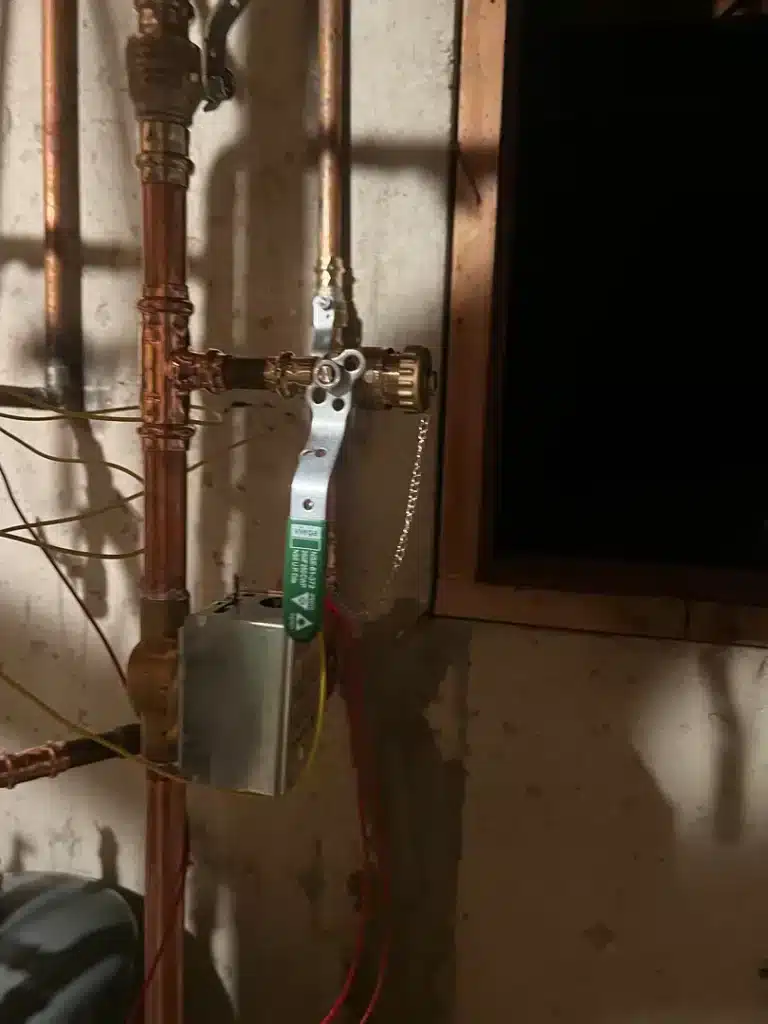
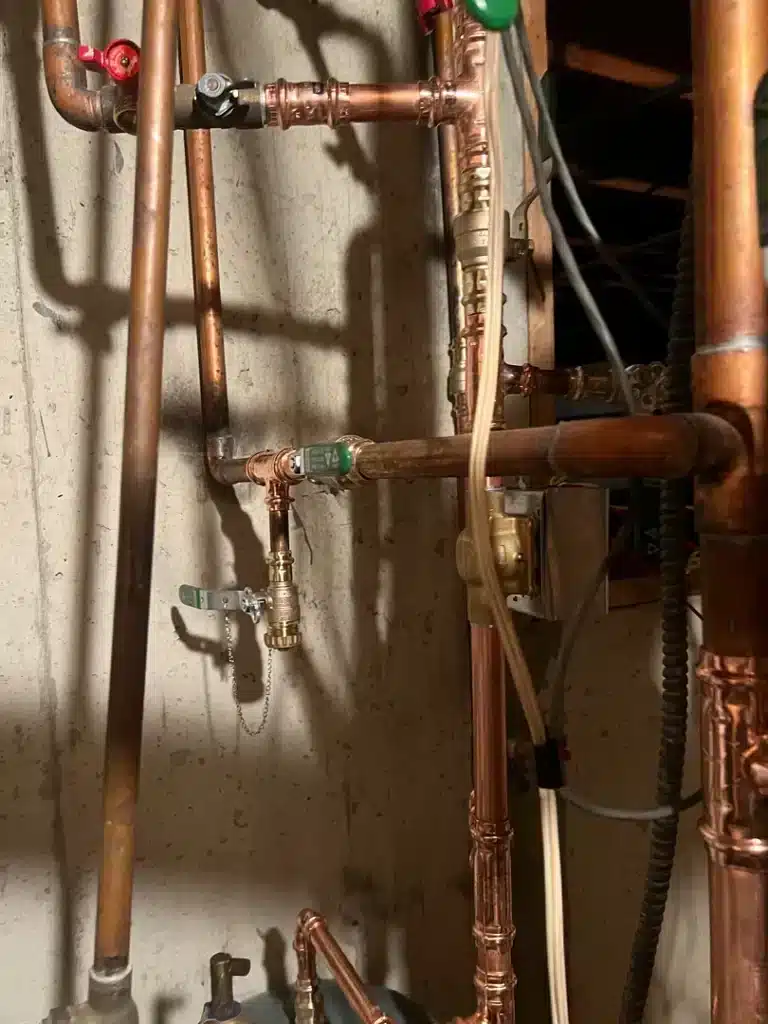
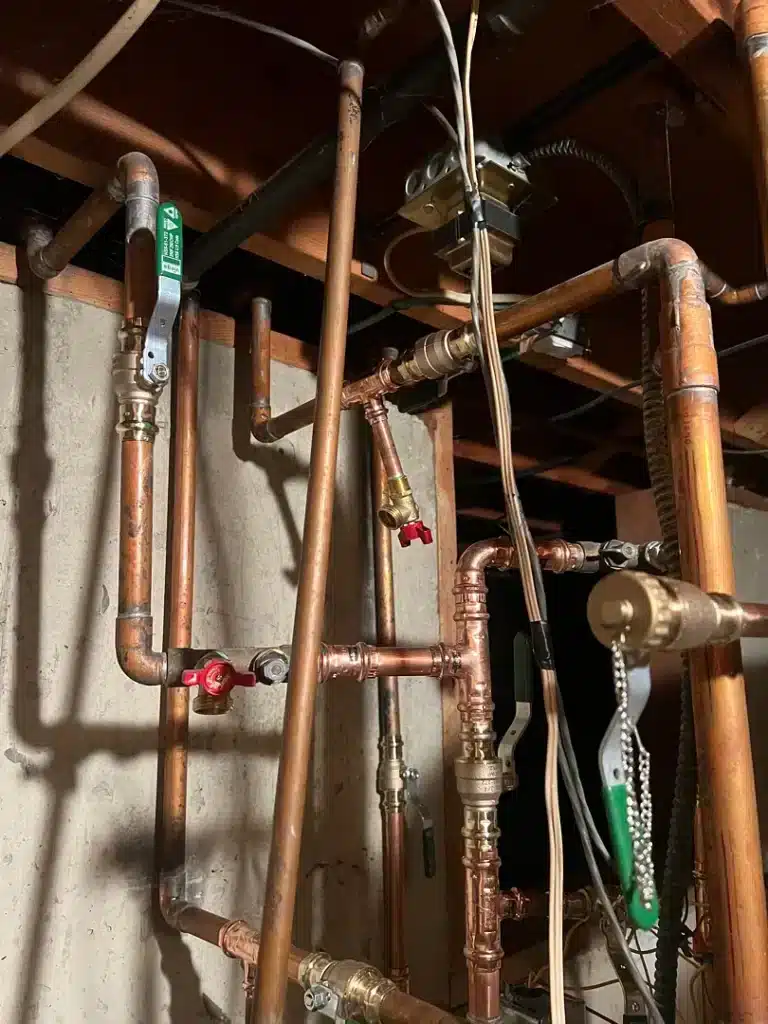
Boiler Repairs - Broomfield
- Problem: Boilers not working
- Found: Numerous Boiler Repairs
- Fixed: Replaced circ pump. Replace expansion tank. Removed both the supply and return mains that were leaking and replaced with new. Installed iso ball valve on the supply and return main. Replaced both WR zone valves with Honeywell Installed 8ea. iso ball valves and tee with boiler drains for purging the system. Re-wired boiler.
- Outcome: Tested. Found that Aquastat relay wasnly putting out 19 Volts. Rewired system where there was 30 volts available and system fired up and started working. Aquastat relay is going out. Notified owner that he should replace the boiler with new and not replace the aquastat relay because the boiler is about 55 years old. Boiler is dying and should be replaced.
Housing Characteristics & Boiler Replacement Considerations
Broomfield's housing stock reflects its evolution from a small agricultural community to a thriving suburb straddling four counties. Understanding your home's era and construction type directly impacts boiler replacement planning.
Housing Eras and Their Implications
- Pre-1970 homes (Original Broomfield) – Often feature cast iron radiator systems with large-diameter steel piping; replacement boilers must accommodate these high-volume systems or include modifications
- 1970s-1980s construction – Frequently have baseboard hot water heating with copper distribution piping; generally compatible with modern condensing boilers
- 1990s developments (Broadlands, McKay Landing) – Mix of forced-air and hydronic systems; homes with boilers often have combination space heating and domestic hot water configurations
- 2000s and newer (Anthem, Interlocken) – Higher insulation standards reduce heat load requirements; replacement boilers can often be smaller than original equipment
Structural Considerations by Home Type
Ranch-style homes common in older Broomfield neighborhoods typically locate boilers in basements or utility rooms with straightforward access. Split-level and bi-level designs – popular here in the 1970s – sometimes position mechanical equipment in cramped spaces requiring careful planning for equipment removal and replacement.
Newer two-story homes often place boilers in main-floor utility closets or garages. These locations affect venting options – garage installations require specific clearances and sealed combustion designs to prevent vehicle exhaust infiltration.
- Basement installations allow gravity-assisted condensate drainage from high-efficiency units
- Main-floor locations may require condensate pumps for proper drainage
- Garage installations need freeze protection for exposed piping sections
- Attic or crawlspace access affects equipment size limitations
Environmental Conditions & Boiler Replacement Implications
Broomfield's environmental conditions create specific demands on heating systems that influence both equipment selection and installation methods. Understanding these factors helps explain why boiler replacement here differs from lower-elevation, milder climates.
Water Quality Characteristics
The City and County of Broomfield sources water primarily from Standley Lake and the Colorado-Big Thompson Project. Water hardness typically ranges from 120-180 parts per million – classified as moderately hard to hard. This mineral content accumulates inside boiler heat exchangers over time, reducing efficiency and eventually causing overheating failures.
- Scale buildup of 1/8 inch can reduce heat transfer efficiency by 25%
- Condensing boilers are particularly susceptible to hard water damage in their secondary heat exchangers
- Water treatment systems or regular descaling may be recommended alongside replacement
- Closed-loop hydronic systems require proper water chemistry to prevent internal corrosion
Climate Impacts on Heating Systems
Broomfield experiences approximately 5,800 heating degree days annually – a measurement of heating demand based on outdoor temperatures. This places significant operational demands on boilers from October through April.
- Extended heating season – Seven to eight months of regular boiler operation accelerates wear compared to milder climates
- Extreme cold events – Temperatures below -10°F occur several times each winter, requiring reliable equipment and proper sizing
- Chinook wind temperature swings – Rapid warming can cause pressure fluctuations in closed hydronic systems
- Low humidity – Winter relative humidity often drops below 20%, affecting gaskets and seals
Soil and Foundation Effects
Broomfield's expansive clay soils – particularly in areas near the original town center and in portions of the Broadlands – create seasonal foundation movement. While this doesn't directly damage boilers, it can stress connected piping and require flexible connections or expansion provisions during installation.
Energy Costs and Heating Efficiency Data in Broomfield
Natural gas prices and consumption patterns directly influence boiler replacement decisions for Broomfield homeowners. Xcel Energy serves the area, and understanding local energy data helps quantify the financial impact of upgrading aging heating equipment.
Colorado residential natural gas prices have averaged between $0.80 and $1.20 per therm over recent years, with winter peak pricing often 30-40% higher than summer rates. For homes with older boilers operating at 80% efficiency or below, upgrading to a 95% efficient condensing unit can reduce annual heating fuel consumption by 15-20%.
Local Energy Consumption Patterns
- Average Broomfield household uses 600-900 therms annually for heating, depending on home size and insulation quality
- Homes built before 1980 typically consume 25-35% more heating fuel than newer construction of similar size
- High-efficiency boiler upgrades often pay for themselves in fuel savings within 8-12 years
- Colorado offers periodic rebates for high-efficiency heating equipment through utility programs
How Energy Data Affects Replacement Decisions
When evaluating boiler replacement, fuel cost projections help determine whether premium high-efficiency equipment makes financial sense for your situation. A home using 800 therms annually for heating could save $80-120 per year by upgrading from an 80% to 95% efficient boiler at current gas prices – more significant savings if prices rise.
Broomfield's climate demands reliable heating, making efficiency investments practical rather than optional. The combination of long heating seasons, cold temperature extremes, and altitude-related combustion challenges means properly selected and installed equipment delivers both comfort and economy throughout its operational life.


