

When facing boiler issues in Boulder, CO, homeowners must consider replacement to maintain comfort and efficiency. Cardom Plumbing & Heating offers a systematic approach to ensure proper installation and long-term reliability of new heating systems.
- Boulder’s unique climate and aging homes create specific challenges for boiler performance. A thorough assessment helps determine if repair or replacement is the best option.
- Modern boilers operate at higher efficiency, reducing energy costs and safety risks associated with older units. They are designed to meet the specific heating demands of local homes.
- Cardom Plumbing & Heating provides licensed technicians who understand the local infrastructure and offer transparent processes for boiler replacement.
Signs that indicate a boiler replacement is needed include unusual sounds coming from the unit, difficulty maintaining consistent heat, and an inability to keep up with winter temperatures. Additionally, a failing boiler may consume more energy and pose safety concerns, making it essential to address these issues promptly.
Boiler Replacement in Boulder, CO
When your boiler starts making unusual sounds, struggling to maintain consistent heat, or simply can't keep up with Boulder's demanding winter temperatures, you're facing a decision that affects your home's comfort and efficiency for years to come. A failing boiler isn't just an inconvenience – it's a system that's consuming more energy, potentially creating safety concerns, and leaving you wondering if tonight will be the night it finally gives out.
Boiler replacement involves removing your existing heating unit and installing a modern, properly sized system designed to meet your home's specific heating demands. This process connects directly to your home's water supply, gas lines, and hydronic distribution network – whether that's radiators, baseboard heaters, or radiant floor systems.
- Improved energy efficiency – modern boilers operate at 90-98% efficiency compared to older units at 60-80%
- Reliable heating performance during Boulder's unpredictable mountain weather
- Reduced risk of carbon monoxide leaks and water damage from aging equipment
- Lower monthly utility costs and decreased environmental impact
Professional diagnosis matters because boiler systems involve complex interactions between gas supply, water pressure, electrical controls, and heat distribution. Boulder's elevation at 5,430 feet affects combustion efficiency, while our hard water accelerates mineral buildup inside heat exchangers. A thorough assessment determines whether repair makes sense or replacement provides better long-term value.
Common Boiler Issues in Boulder, CO
Cardom Plumbing & Heating provides Boiler Replacement services in all neighborhoods of Boulder including Arapahoe Ridge, Dakota Ridge, East Aurora, Frazier Meadows, Goss-Grove, Holiday, Keewaydin, Martin Acres, Meadow Glen, Park East, Promontory North, Table Mesa, The Hill, The Promontory, Washington Village, and Wonderland Hills.
Boulder's unique combination of high altitude, extreme temperature swings, and aging housing stock creates specific challenges for residential boilers. Many homes in neighborhoods like Mapleton Hill, Whittier, and University Hill feature original heating systems from the early-to-mid 1900s that have far exceeded their expected lifespan.
The Front Range climate puts extraordinary stress on heating equipment. Winter temperatures can drop from 50°F to below zero within hours during cold front arrivals, forcing boilers to cycle repeatedly and work at maximum capacity. This thermal stress accelerates wear on components like expansion tanks, circulator pumps, and heat exchangers.
Local Factors Affecting Boiler Performance
- High altitude combustion – Reduced oxygen at elevation affects burner efficiency and requires specific altitude adjustments that older units may lack
- Hard water mineral content – Boulder's water contains calcium and magnesium that accumulate inside boiler components, reducing heat transfer and causing premature failure
- Historic home infrastructure – Many older Boulder properties have undersized gas lines or outdated venting systems incompatible with modern high-efficiency boilers
- Freeze-thaw cycling – Pipes and boiler components experience expansion and contraction stress during Boulder's 300+ days of sunshine followed by rapid evening temperature drops
- Radiant floor system prevalence – Many Boulder homes use hydronic radiant heating, which requires specific boiler temperatures and flow rates that aging equipment struggles to maintain
- Natural gas pressure fluctuations – Peak winter demand can affect gas pressure delivery, impacting boiler performance in older systems without proper regulation
Warning Signs Requiring Attention
Watch for these indicators that your boiler may need replacement rather than repair:
- Uneven heating throughout your home despite thermostat adjustments
- Yellow or orange burner flames instead of steady blue
- Frequent pilot light outages or ignition failures
- Visible corrosion, rust staining, or water pooling around the unit
- Rising utility bills without changes in usage patterns
- Boiler age exceeding 15-20 years
Recent Work
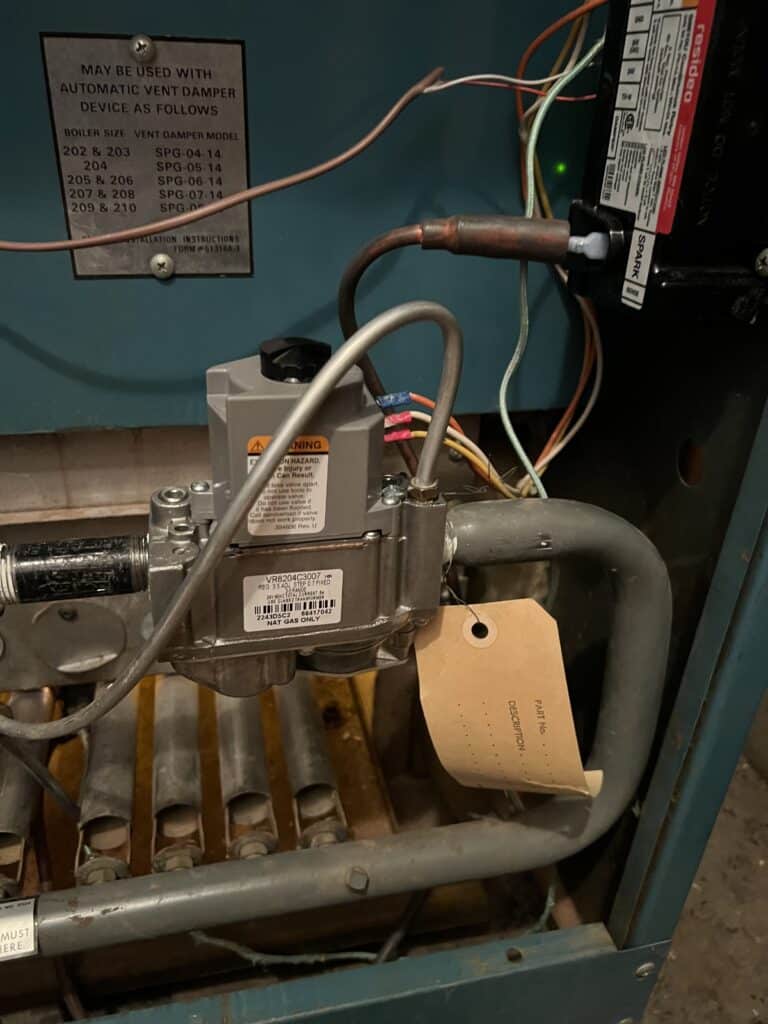
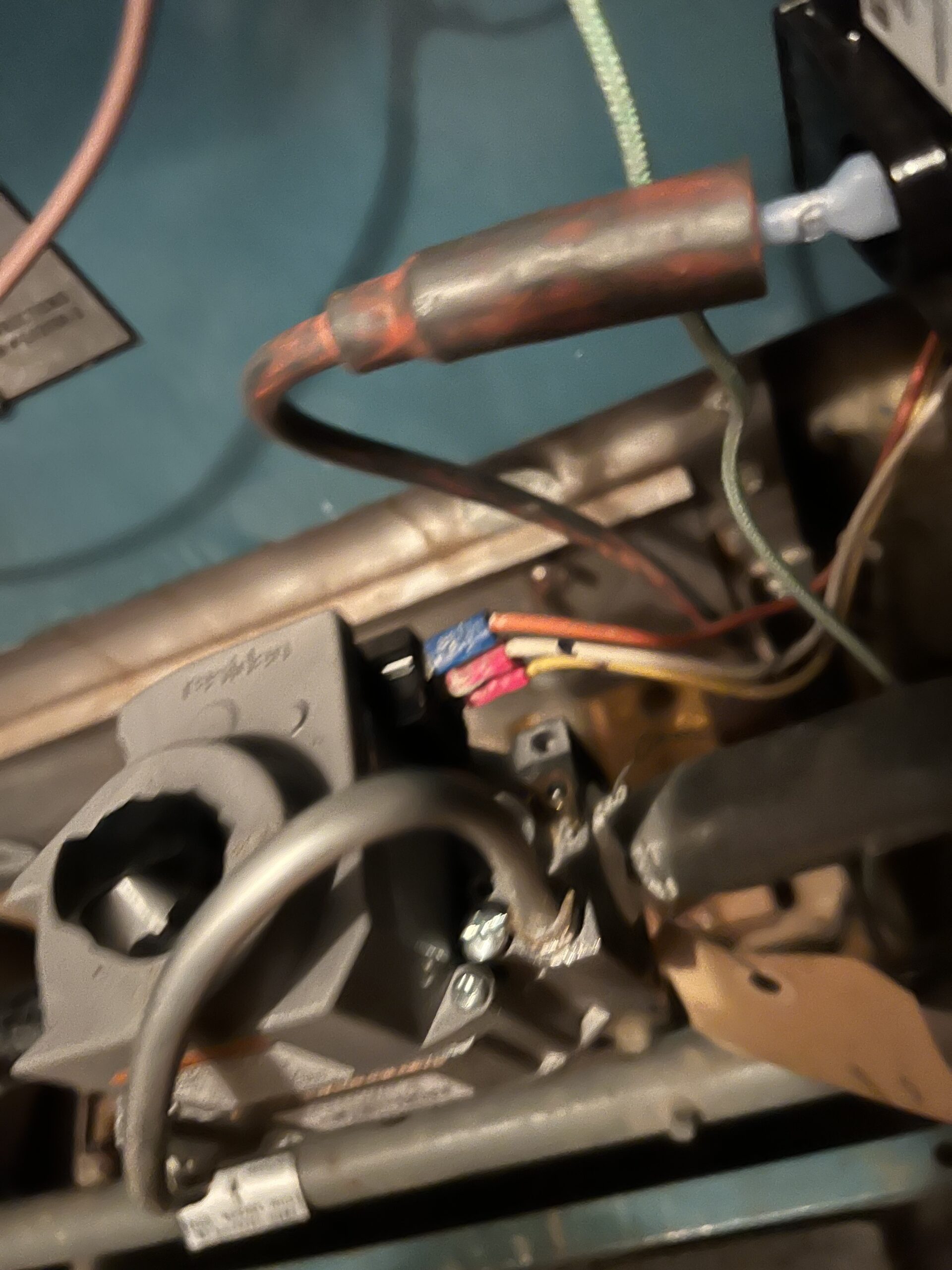
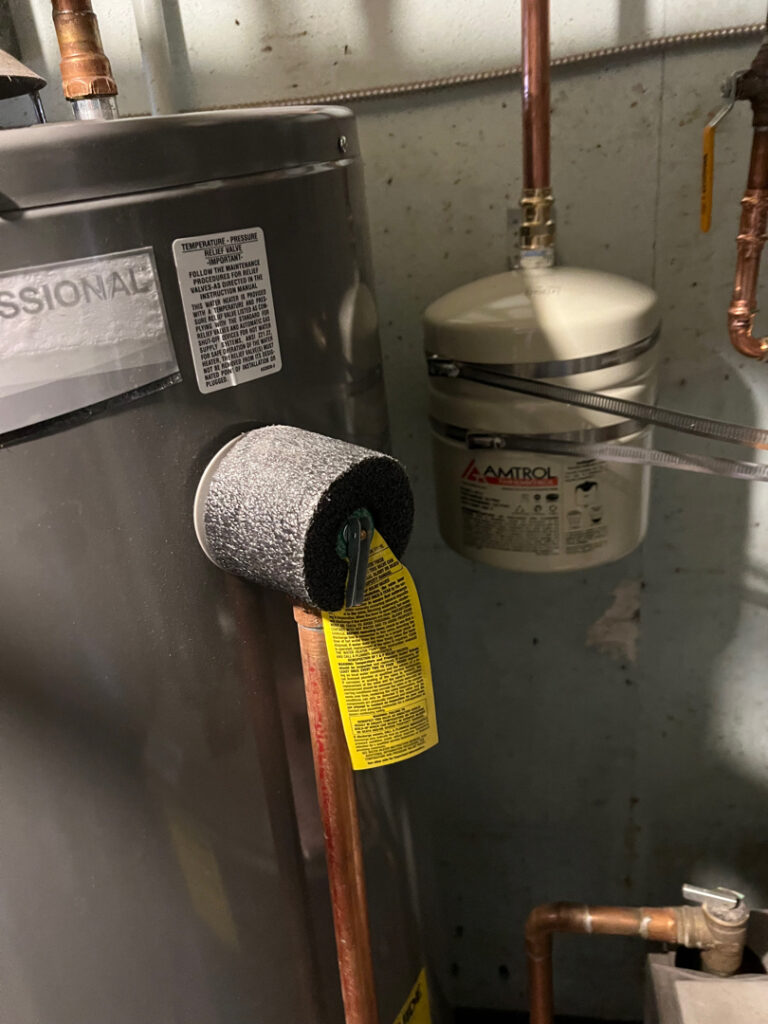
Boiler issue - Boulder
- Problem: Boiler shutting down
- Found: Boiler was failing and working intermittently.
- Fixed: Ordered up replacement valve and got quick ship in over the weekend.
- Outcome: Replaced valve and tested six times. Pilot and main burner were stronger.
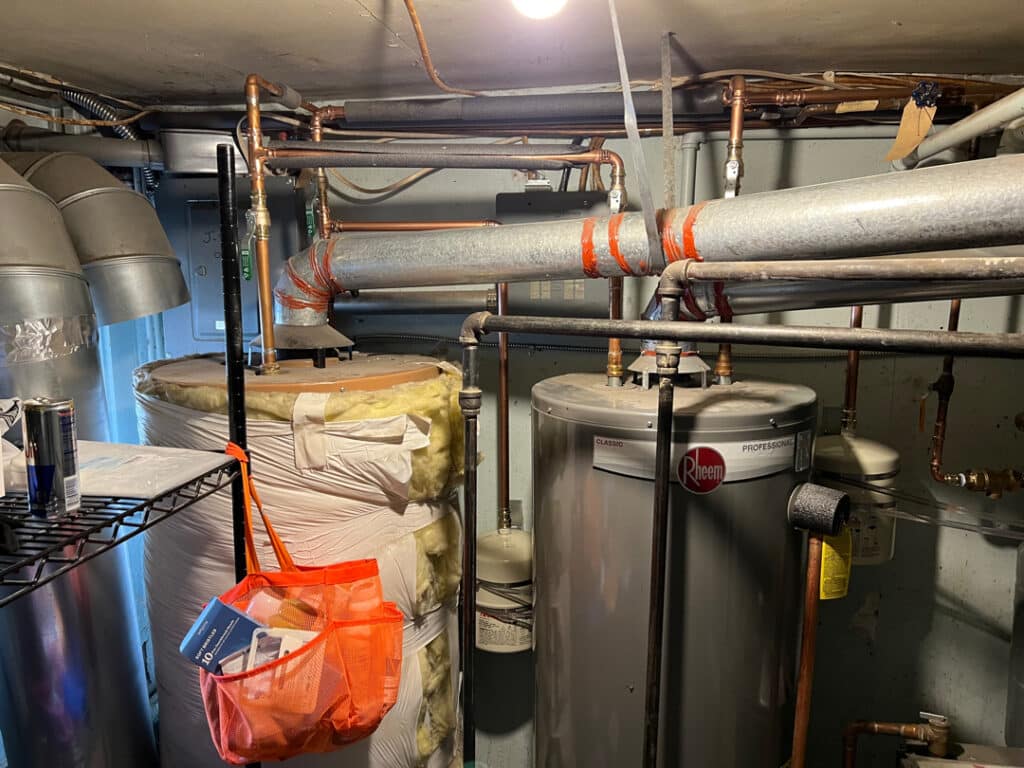
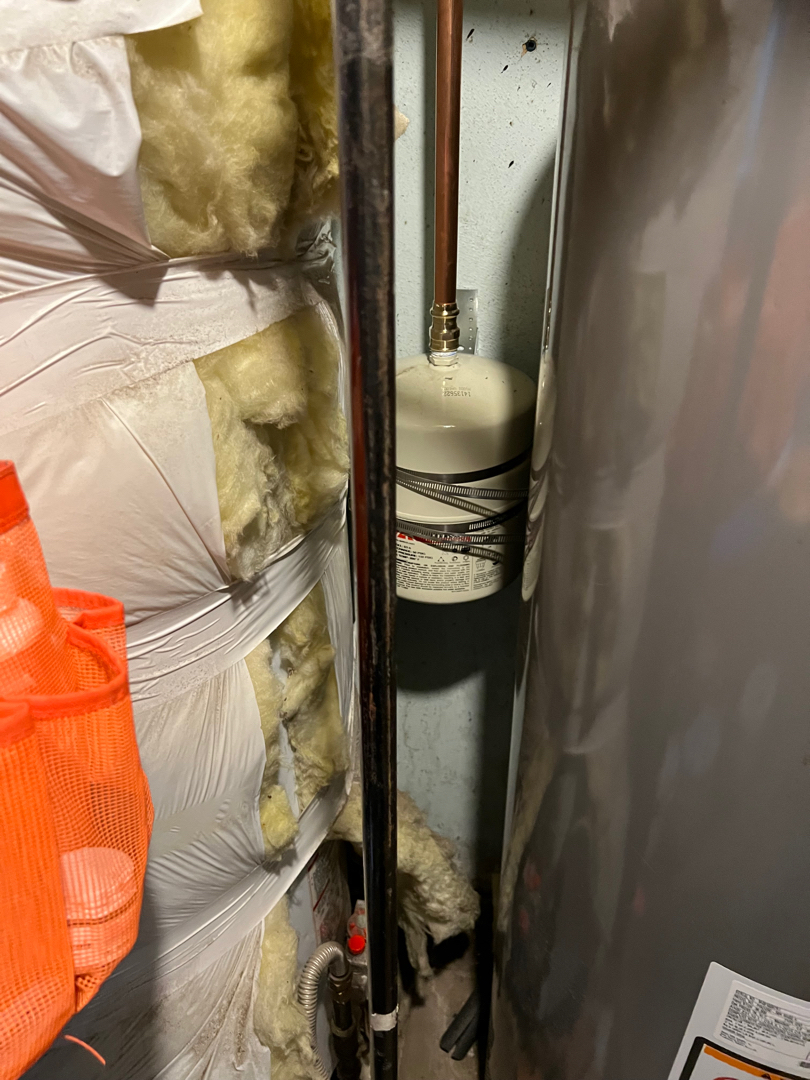
Boiler and Water Heater Repairs - Boulder
- Problem: Water heater and boiler service and code upgrades
- Found: Found leak coming from ceiling and leaking into the boiler room.
- Fixed: The boiler we added a new air scoop and a new circ pump as well as a new backflow/fill valve
- Outcome: Tested and no leak.
How Cardom Plumbing & Heating Can Help
Our boiler replacement process follows a systematic approach designed to minimize disruption while maximizing the performance of your new heating system.
Our Step-by-Step Replacement Process
- Initial assessment and load calculation – We evaluate your current system, measure your home's heating requirements, and assess existing infrastructure including gas lines, venting, and distribution systems
- Equipment selection consultation – Based on your home's characteristics and your efficiency goals, we present appropriate boiler options with clear explanations of features, benefits, and operating costs
- Pre-installation preparation – We coordinate permits, schedule work during weather-appropriate windows, and prepare the installation area to protect your home
- Safe removal of existing equipment – Old boilers are disconnected, drained, and removed with proper handling of any hazardous materials
- New system installation – Your replacement boiler is positioned, connected to gas, water, and electrical systems, and integrated with your existing heat distribution network
- Testing and calibration – We perform comprehensive startup procedures, adjust settings for Boulder's altitude, and verify proper operation across all zones
- Customer walkthrough and documentation – You receive hands-on instruction for your new system, all warranty documentation, and maintenance guidelines
Methods and Techniques
- Combustion analysis to verify proper air-fuel mixture at altitude
- Pressure testing of all water and gas connections
- Carbon monoxide detection throughout the installation area
- Flow rate verification for hydronic distribution systems
- Thermostat integration and zone control testing
Communication remains consistent throughout the project. You'll know what to expect each day, receive updates on any discoveries during installation, and have direct access to your installation team for questions.
Why Choose Cardom Plumbing & Heating
Cardom Plumbing & Heating brings licensed, insured technicians with specific training in high-efficiency boiler systems and altitude-specific installation requirements. Our team holds certifications from major boiler manufacturers and stays current with evolving technology through ongoing education programs.
We've served Boulder County for years, building familiarity with the specific challenges of local homes – from historic Victorian properties near Pearl Street to mid-century ranches in Table Mesa. This experience means we anticipate issues before they become problems and arrive prepared with appropriate solutions.
What Sets Us Apart
- Local response capability – We maintain staffing levels that allow prompt scheduling, with emergency availability for heating failures during cold weather
- Quality verification – Every installation includes documented testing, proper permit closure, and follow-up contact to confirm system performance
- Diagnostic technology – We use combustion analyzers, thermal imaging, and pressure testing equipment to verify proper installation and identify any concerns
- Transparent process – Written proposals detail all work, equipment specifications, and warranty terms before any commitment
Our approach prioritizes long-term system reliability over quick installations. We take time to properly size equipment, verify infrastructure compatibility, and configure systems for optimal performance in Boulder's specific conditions.
Housing Characteristics & Boiler Replacement Considerations
Boulder's housing stock reflects over a century of development, creating diverse boiler replacement scenarios across different neighborhoods and construction eras.
Historic Properties (Pre-1950)
Neighborhoods like Mapleton Hill, Whittier, and parts of University Hill contain homes built between 1880 and 1950. These properties present specific challenges:
- Original gravity-fed hot water systems that may need circulation pump additions
- Cast iron radiators requiring specific water temperatures and flow rates
- Basement mechanical rooms with limited access for equipment removal and installation
- Older gas line sizing that may require upgrades for modern high-efficiency units
- Chimney venting systems that need evaluation for compatibility with condensing boilers
Mid-Century Construction (1950-1980)
Ranch homes and split-levels throughout Table Mesa, Martin Acres, and South Boulder often feature baseboard hot water heating. These systems typically include:
- Copper distribution piping in good condition but potentially undersized for modern boilers
- Zone valve systems that benefit from updated controls during replacement
- Mechanical rooms with better access than historic properties
- Existing venting that may accommodate direct-vent high-efficiency options
Modern Construction (1980-Present)
Newer Boulder homes – particularly those in Gunbarrel, North Boulder, and recent developments – often incorporate radiant floor heating. These systems require careful boiler selection to provide appropriate water temperatures without damaging embedded tubing.
Environmental Conditions & Boiler Replacement Implications
Water Quality Characteristics
Boulder's water supply comes primarily from the Boulder Creek watershed and is treated at the Betasso Water Treatment Facility. While the water meets all safety standards, it contains mineral content that affects boiler systems:
- Moderate hardness levels (typically 50-120 mg/L as calcium carbonate) cause gradual scale buildup in heat exchangers
- Seasonal variations in source water affect mineral content throughout the year
- Scale accumulation reduces heat transfer efficiency and shortens equipment lifespan
- Modern condensing boilers are particularly sensitive to water quality due to their compact heat exchanger designs
We often recommend water treatment solutions or regular descaling maintenance schedules to protect new boiler investments.
Climate Impacts on Heating Systems
Boulder's climate creates demanding conditions for residential heating equipment:
- Temperature extremes – Winter lows below zero combined with afternoon highs in the 40s-50s create wide daily temperature swings
- Chinook wind events – Rapid warming can cause condensation issues in improperly vented systems
- Extended heating season – Boulder typically requires heating from October through May, with occasional June cold snaps
- Solar gain variability – Sunny days reduce heating demand dramatically, requiring responsive boiler controls
Altitude Considerations
At 5,430 feet elevation, Boulder's reduced atmospheric pressure affects boiler combustion. Proper altitude adjustments are mandatory for safe, efficient operation. Older boilers installed without these adjustments often run rich, wasting fuel and producing excess carbon monoxide.
Natural Gas Infrastructure and Energy Costs in Boulder
Xcel Energy provides natural gas service throughout Boulder County, and understanding local energy patterns helps inform boiler replacement decisions. Natural gas prices in Colorado fluctuate seasonally, with winter rates typically higher due to increased demand. The average Boulder household uses significantly more natural gas during heating months – often three to four times summer consumption levels.
Upgrading from an older 65-75% efficient boiler to a modern condensing unit operating at 95% efficiency can reduce natural gas consumption by 25-30% for heating. For many Boulder homeowners, this translates to meaningful annual savings:
- Average Boulder home heating costs range from $800-$1,500 annually depending on home size and insulation
- High-efficiency boiler upgrades typically recover installation cost premiums within 5-8 years through energy savings
- Colorado offers various rebates and incentives for high-efficiency heating equipment installation
- Xcel Energy periodically provides additional rebates for qualifying equipment upgrades
Boulder's commitment to climate action goals has increased interest in high-efficiency heating systems. The city's Climate Commitment aims for significant emissions reductions, and residential heating represents a substantial portion of community energy use. Modern boilers not only reduce utility costs but also align with community sustainability values – a consideration many Boulder homeowners prioritize when selecting replacement equipment.
Gas infrastructure in older Boulder neighborhoods occasionally requires evaluation during boiler replacement projects. Homes with original gas service may have undersized supply lines that restrict flow to high-capacity modern equipment. Our assessment process includes gas line evaluation to identify any infrastructure upgrades needed for optimal system performance.


