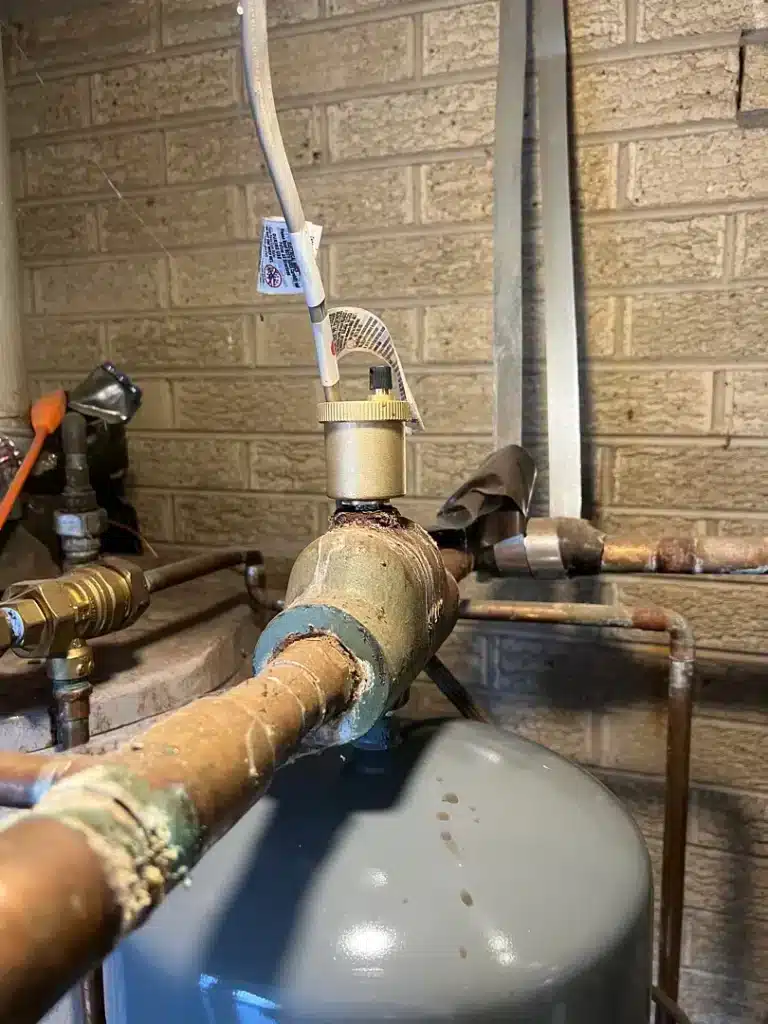
Boiler repair in Wheat Ridge, CO is essential for maintaining the comfort and safety of homes during harsh winters. The process involves diagnosing and fixing issues within hydronic heating systems, which require specialized knowledge due to their complexity.
Boiler systems provide reliable heat but can malfunction, leading to urgent repair needs. Technicians must understand plumbing and heating principles to address issues effectively.
Common problems include uneven heating, pressure fluctuations, and mineral scaling from the local water supply. Recognizing warning signs early can prevent emergencies.
Cardom Plumbing & Heating offers a systematic repair process, prioritizing safety and efficiency while ensuring clear communication with homeowners throughout the service.
What is boiler repair in Wheat Ridge, CO?
Boiler repair in Wheat Ridge, CO involves diagnosing and fixing issues with heating systems that provide warmth to homes. When a boiler fails, it can lead to uncomfortable living conditions, especially during cold months. Professional repair services ensure that these systems are restored quickly to maintain efficient heating and prevent further damage.
Boiler Repair in Wheat Ridge, CO
That unsettling silence when your boiler fails to ignite on a freezing January morning hits differently in Wheat Ridge. You're standing in a rapidly cooling home, watching your breath form clouds in the kitchen, wondering how long until pipes start freezing. Boiler systems provide reliable radiant heat for thousands of Wheat Ridge homes – but when they malfunction, the urgency is immediate and real.
Boiler repair encompasses diagnosing and correcting issues within hydronic heating systems that use heated water or steam to warm your home. This includes addressing problems with burners, heat exchangers, circulator pumps, expansion tanks, zone valves, thermostats, and the network of pipes and radiators distributing warmth throughout your living spaces. Unlike forced-air systems, boilers require specialized knowledge of both plumbing and heating principles – a combination that demands experienced technicians who understand pressure dynamics, water chemistry, and combustion safety.
Professional diagnosis matters because boiler systems involve gas combustion, water pressure, and electrical controls working in precise coordination. A seemingly minor symptom – like uneven heating or a slight pressure drop – can indicate anything from a simple air lock to a failing heat exchanger. Wheat Ridge's semi-arid climate, mineral-rich water supply, and diverse housing stock from multiple construction eras create unique challenges that generic troubleshooting guides simply can't address.
Rapid heat restoration to prevent pipe freezing and property damage during Colorado's harsh winters
Safety verification of gas connections, venting, and carbon monoxide prevention systems
Pressure and circulation testing to identify hidden leaks or failing components
System efficiency optimization to reduce utility costs while maintaining comfort
Wheat Ridge sits at approximately 5,400 feet elevation along the Clear Creek corridor, where winter temperatures regularly plunge below zero and rapid temperature swings stress heating equipment. The city's housing inventory spans nearly a century – from 1920s bungalows to 1970s ranch homes to modern construction – meaning boiler systems range from original cast-iron radiator setups to contemporary high-efficiency units. Each era brings distinct repair challenges.
The municipal water supply, drawn from mountain snowmelt and treated at the Coors water treatment facility, contains dissolved minerals that accumulate inside boiler components over time. This mineral scaling reduces heat transfer efficiency, creates hot spots on heat exchangers, and gradually restricts water flow through pipes and radiators. Homes with older galvanized steel piping face accelerated corrosion where dissimilar metals meet copper or brass fittings – a common failure point in Wheat Ridge's mid-century housing stock.
Seasonal Stress Factors
Colorado's Front Range climate creates a punishing cycle for boiler systems. Summer dormancy allows sediment to settle and seals to dry out, while the sudden demand of fall startup tests every component simultaneously. Winter's sustained operation reveals weaknesses that developed during the off-season, and spring's freeze-thaw cycles can stress expansion tanks and pressure relief valves.
Altitude effects – Reduced oxygen at elevation affects combustion efficiency and requires proper burner adjustment
Hard water scaling – Mineral deposits from Denver Water's supply accumulate in heat exchangers and reduce efficiency
Freeze risk – Boiler failures during cold snaps can lead to frozen and burst pipes within hours
Aging infrastructure – Many Wheat Ridge homes have original boilers from the 1950s-1970s requiring specialized parts
Expansion tank failures – Pressure fluctuations from temperature swings accelerate diaphragm wear
Thermostat incompatibility – Older boiler controls often conflict with modern smart thermostats
Warning Signs Requiring Immediate Attention
Recognizing early symptoms prevents minor issues from becoming emergency repairs. Watch for these indicators:
Unusual sounds – banging, kettling, gurgling, or rumbling from the boiler unit
Visible leaks or moisture around the boiler base, pipes, or radiators
Pressure gauge readings outside the normal 12-15 PSI range
Pilot light that repeatedly extinguishes or burns yellow instead of blue
Uneven heating between rooms or cold radiators despite system operation
Increased energy bills without corresponding usage changes
Our boiler repair process follows a systematic approach developed through years of servicing Wheat Ridge homes. We combine traditional diagnostic techniques with modern testing equipment to identify root causes – not just symptoms.
Our Diagnostic and Repair Process
Initial assessment – We listen to your description of symptoms, review the boiler's service history if available, and perform a visual inspection of the entire system
Safety verification – Before any repair work, we test for gas leaks, verify proper venting, and check carbon monoxide levels around the unit
Pressure and circulation testing – We measure system pressure at multiple points, check expansion tank pre-charge, and verify circulator pump operation
Combustion analysis – Using digital analyzers, we measure flue gas composition to assess burner efficiency and identify combustion problems
Component diagnosis – Based on test results, we isolate the specific failing components and explain findings before proceeding
Repair execution – We complete approved repairs using quality replacement parts compatible with your specific boiler make and model
System testing – After repairs, we run the boiler through complete heating cycles to verify proper operation under load
Documentation – We provide written records of work performed, parts installed, and recommendations for future maintenance
Diagnostic Techniques and Equipment
Digital manometers for precise pressure measurement throughout the system
Infrared thermometers to identify heat distribution problems and blockages
Combustion analyzers measuring oxygen, carbon monoxide, and stack temperature
Borescope cameras for internal inspection of heat exchangers and flue passages
Ultrasonic leak detection for pinpointing hidden water losses
Electrical testing equipment for controls, thermostats, and safety switches
Communication Throughout the Process
We explain findings in clear terms before recommending repairs. You'll understand what failed, why it failed, and what options exist for correction. For older boilers, we provide honest assessments about repair viability versus replacement considerations – sometimes a repair makes sense, sometimes it doesn't, and we'll give you the information to decide.
Emergency repairs receive priority scheduling, with technicians dispatched as quickly as possible during heating season. Non-emergency service appointments include arrival windows and confirmation calls so you're not waiting around wondering when help will arrive.
Why Choose Cardom Plumbing & Heating
Boiler systems demand technicians who understand both plumbing principles and heating mechanics – they're not furnaces, and they're not water heaters, though they share characteristics with both. Our team holds certifications in hydronic heating systems, gas appliance repair, and backflow prevention. We maintain current licensing through the State of Colorado and carry comprehensive insurance protecting both our work and your property.
Wheat Ridge's housing diversity means we encounter boilers ranging from vintage cast-iron monsters to modern condensing units. Our parts inventory and supplier relationships accommodate this range – we're not limited to servicing only new equipment or only specific brands. When older boilers require discontinued components, we know where to source them or how to engineer compatible alternatives.
What Sets Us Apart
Local presence – We're based in the Denver metro area and familiar with Wheat Ridge's neighborhoods, housing patterns, and common boiler installations
Heating season priority – During cold weather, boiler repairs receive expedited scheduling because we understand the urgency
Transparent pricing – We provide detailed estimates before work begins and explain any changes if additional issues emerge
Follow-up verification – After major repairs, we check in to confirm the system continues operating properly
Maintenance guidance – We teach you what to monitor between service visits and when to call for professional attention
Our technicians carry diagnostic equipment in their vehicles rather than making return trips for testing tools. This means faster diagnosis and often same-visit repairs for common issues. We stock frequently-needed parts for popular boiler brands, reducing delays waiting for shipments.
Wheat Ridge developed primarily during three distinct construction periods, each leaving a signature on the city's boiler installations. Understanding your home's era helps predict likely repair needs and system characteristics.
Pre-1950s Construction
The city's oldest homes, concentrated near 38th Avenue and the original town center, often feature gravity-fed steam or hot water systems with cast-iron radiators. These systems were built for longevity but require specialized knowledge:
Cast-iron boilers with standing pilot lights and minimal controls
Large-diameter steel or iron piping with threaded connections
Radiators sized for coal-fired heat output – often oversized for modern gas boilers
Original expansion tanks in attics or high points requiring periodic draining
1950s-1970s Ranch Era
Wheat Ridge's extensive ranch-style housing stock from this period commonly includes baseboard hot water heat. These systems present their own repair patterns:
Copper or steel baseboard convectors throughout single-story floor plans
Zone valves controlling different areas – common failure points
Circulator pumps with replaceable cartridges or older three-piece designs
Aquastats and relay controls that predate modern electronic thermostats
1980s-Present Construction
Newer Wheat Ridge homes and renovations feature modern hydronic systems with improved efficiency but increased complexity:
Modulating condensing boilers with electronic ignition and digital controls
PEX tubing for radiant floor installations
Outdoor reset controls adjusting water temperature based on weather
Integrated domestic hot water production requiring additional maintenance
Renovation projects often combine elements from multiple eras – a 1960s ranch with an updated boiler but original baseboard, or a 1940s home with modern controls grafted onto vintage radiators. These hybrid systems require technicians comfortable working across technologies.
Wheat Ridge receives water from Denver Water's system, sourced primarily from mountain watersheds. While treated to drinking water standards, this supply contains dissolved minerals that affect boiler operation:
Dissolved oxygen in fresh makeup water accelerates corrosion in steel components
pH levels near neutral minimize aggressive corrosion but don't prevent it entirely
Seasonal variations in source water affect mineral content throughout the year
Boilers in Wheat Ridge benefit from periodic flushing to remove accumulated sediment and scale. Homes with automatic makeup water systems experience more mineral accumulation than closed systems that rarely add fresh water.
Climate Impacts on Boiler Systems
The Front Range climate creates specific stresses on hydronic heating equipment. Wheat Ridge experiences approximately 150 days annually where heating is needed, with January temperatures averaging highs near 43°F and lows around 17°F. However, Arctic outbreaks can push temperatures well below zero for extended periods.
Rapid temperature swings – Denver's famous 40-degree temperature changes stress expansion tanks and pressure relief valves
Low humidity – Dry air accelerates seal deterioration in pumps and valves during summer dormancy
Altitude combustion effects – At 5,400 feet, boilers require approximately 17% more air for proper combustion than at sea level
Freeze protection urgency – When boilers fail during cold snaps, pipe freezing can begin within 4-6 hours in poorly insulated areas
Soil and Foundation Considerations
Wheat Ridge's expansive clay soils cause foundation movement that can stress boiler piping. Homes experiencing settling may develop leaks at pipe joints or see radiator connections work loose over time. Underground boiler piping – common in homes with detached garages or outbuildings – faces additional risks from soil movement and moisture infiltration.
Recent Work
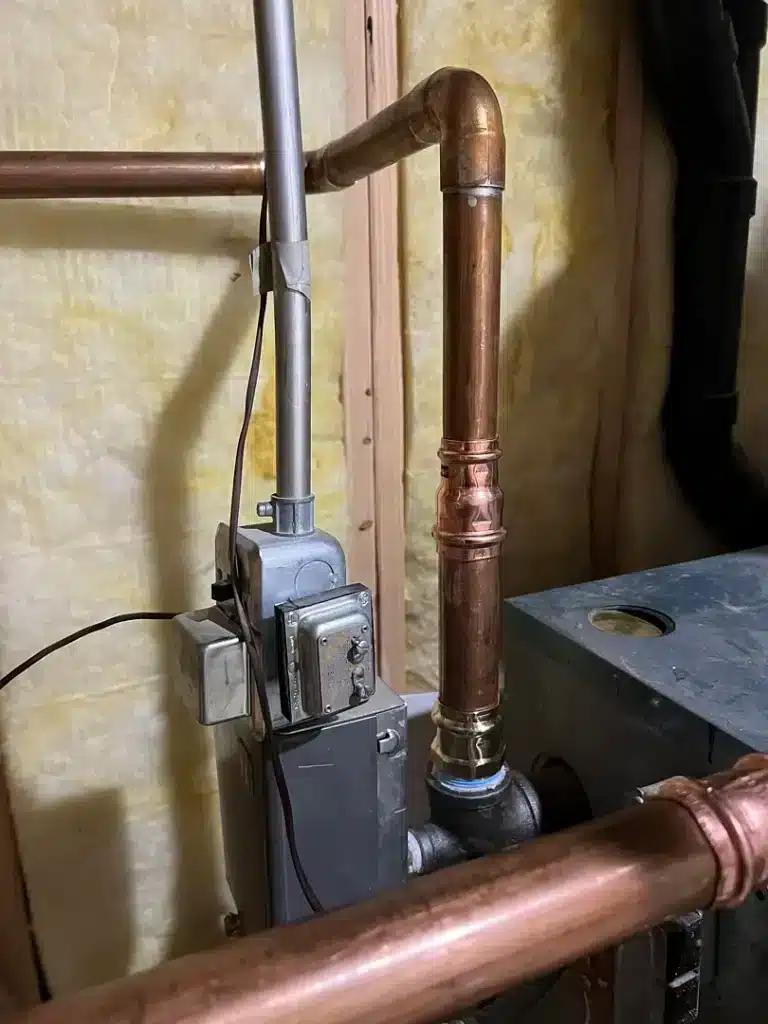
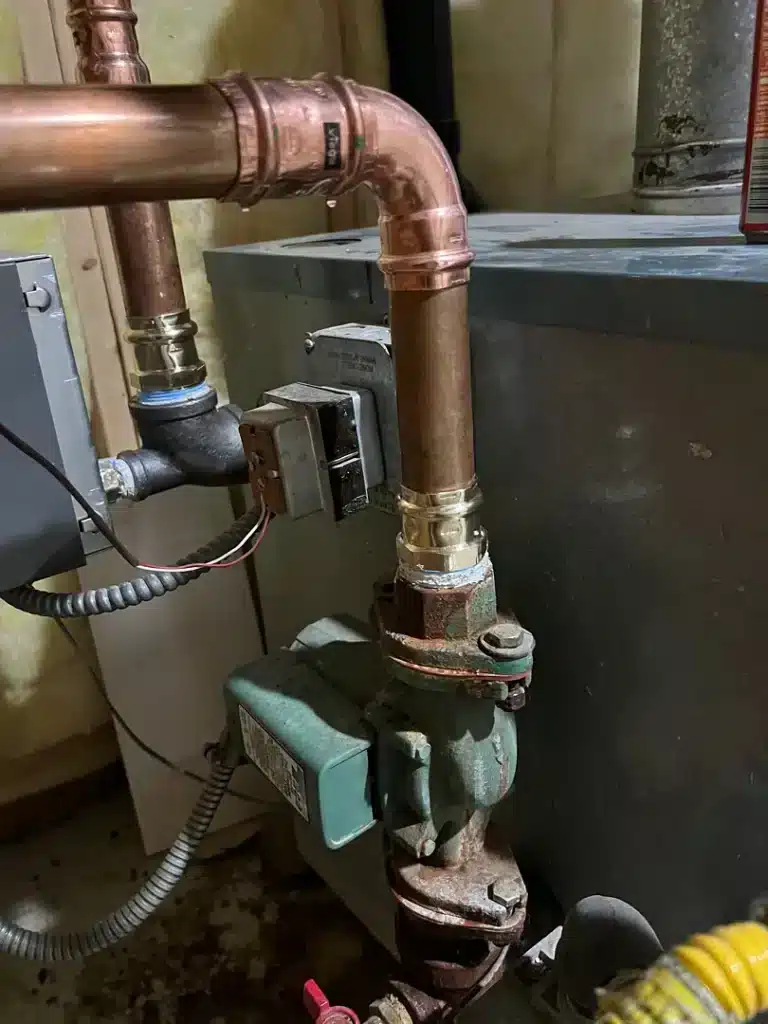
Repair Boiler Leaks - Wheat Ridge
Problem:Repair two boiler leaks on the supply and return mains at the boiler.
Found:Rotted pipes.
Fixed:Repipe the supply main with new copper and steel fittings. Reinstall the aquastate relay into the tee fittings. Repipe the return main with copper fittings. Turn on the water and fill the system. Purge air as much as possible from the boiler system before opening up all isolation valves.
Outcome:Start up the boiler and test.
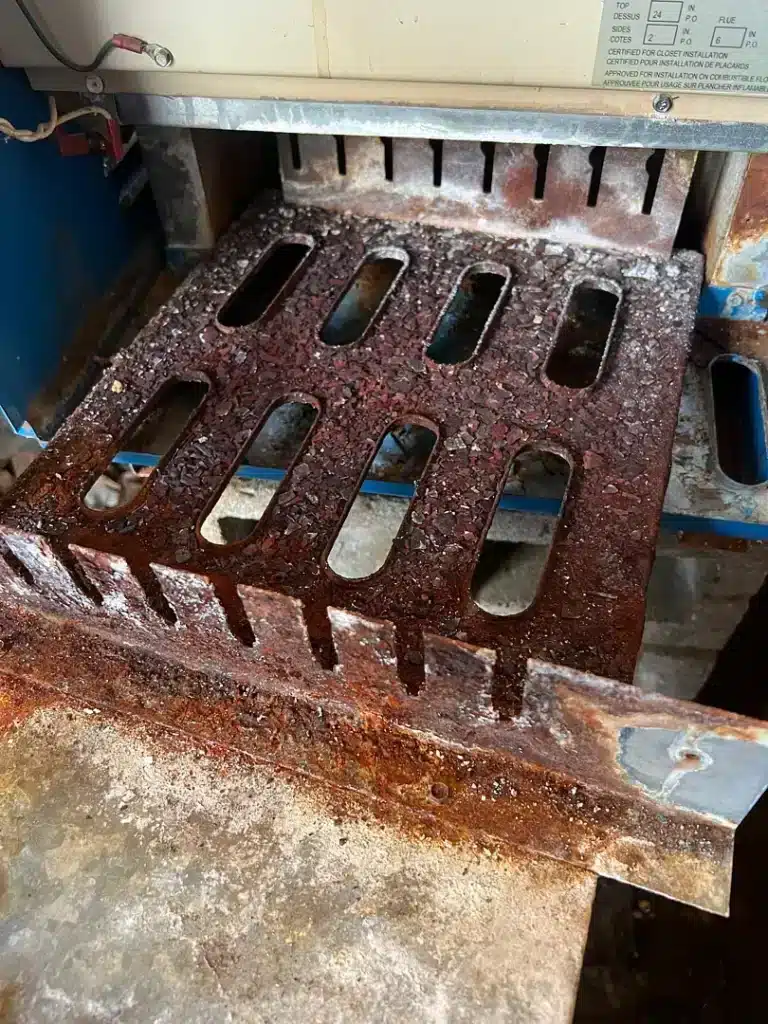
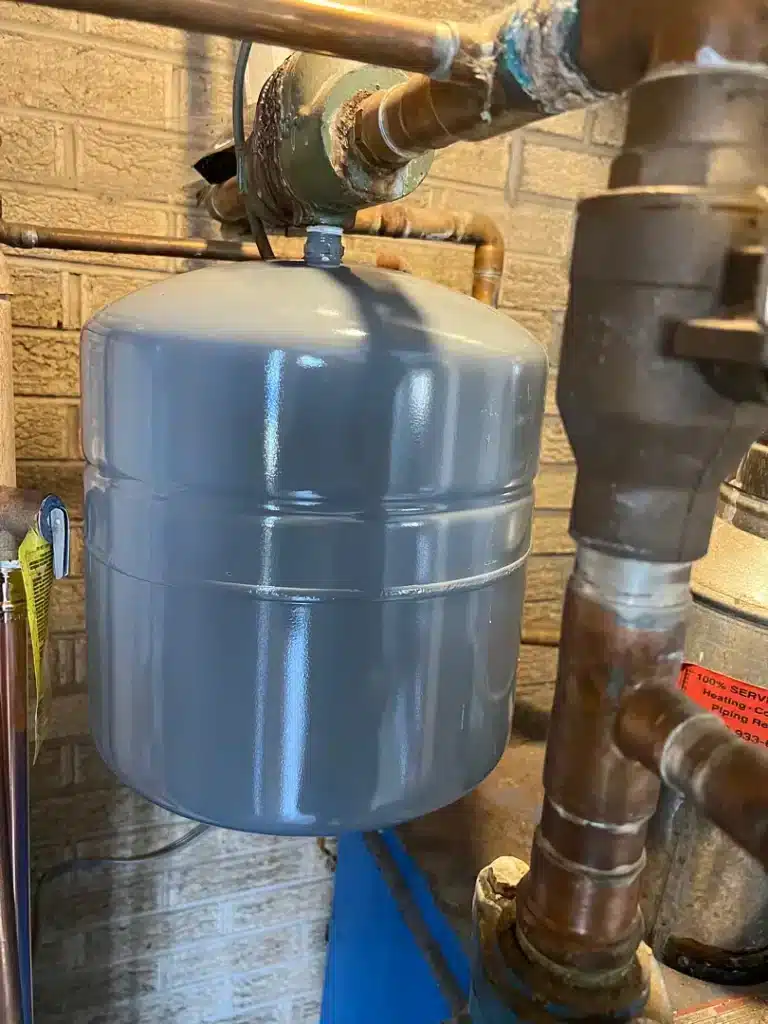
Boiler Repairs and Upgrade - Wheat Ridge
Problem:Numerous small boiler repairs and upgrade.
Found:Boiler was very dirty and rusty at the burners and need a thorough cleaning.
Fixed:Clean boiler, remove and replace , air vent, relief valve and expansion tank. Also pipe water heater relief to floor.
Outcome:Fill boiler back up and test, no issues found.
Heating Degree Days and Energy Demand in Wheat Ridge
Wheat Ridge's heating requirements directly influence boiler wear patterns and repair timing. The Denver metropolitan area averages approximately 6,000-6,200 heating degree days annually – a measurement indicating cumulative heating demand throughout the year. This places Wheat Ridge in a moderate-to-high heating demand zone where boilers operate extensively from October through April.
Seasonal demand patterns create predictable repair cycles. October and November see increased service calls as systems restart after summer dormancy – problems that developed during the off-season become apparent. December through February brings emergency repairs when failures occur during peak demand. March and April calls often involve systems that struggled through winter and finally failed as temperatures moderate.
Key Heating Statistics for Wheat Ridge
Average heating season length – Approximately 200 days requiring some heating, with 150 days of sustained boiler operation
Peak demand months – December and January, when boilers may run 18-20 hours daily during cold snaps
Design temperature – HVAC systems in the Denver area are typically sized for 1°F outdoor design temperature
Altitude adjustment – Boiler input ratings are typically derated 4% per 1,000 feet above sea level, affecting Wheat Ridge equipment by approximately 20%
These statistics inform repair decisions. A boiler struggling to maintain temperature during moderate weather will fail during severe cold. Efficiency losses from scaling or combustion problems become more costly when the system runs extensively. Understanding Wheat Ridge's heating demands helps prioritize repairs and maintenance timing – addressing issues during shoulder seasons prevents emergency failures when technicians are busiest and temperatures are most dangerous.
Energy costs in Colorado have increased significantly in recent years, making boiler efficiency more financially relevant. A system operating at 75% efficiency due to deferred maintenance costs substantially more to operate than one maintained at its rated 85% or higher efficiency. For Wheat Ridge homeowners running boilers 150+ days annually, these efficiency losses translate to meaningful dollar amounts on utility bills.
Common signs include unusual noises, inconsistent heating, leaks around the boiler, or a pilot light that won’t stay lit. If you notice any of these issues, it’s best to contact a professional for a thorough inspection.
The cost of boiler repair can vary widely depending on the issue and the age of the system. On average, homeowners can expect to pay between $150 to $1,000 for repairs, but more extensive issues may cost more.
While some minor maintenance tasks can be done by homeowners, such as bleeding radiators, most repairs should be handled by a qualified technician. Boilers involve gas and water systems that require specialized knowledge to ensure safety and proper function.
The duration of a boiler repair can vary based on the complexity of the issue. Simple repairs might take a couple of hours, while more extensive repairs could take a full day or more. A technician can provide a more accurate estimate after assessing the problem.
If your boiler stops working in winter, first check the thermostat and ensure the power supply is intact. If everything seems normal but the boiler still won’t operate, contact a professional immediately to prevent frozen pipes and further damage.
It is recommended to have your boiler serviced at least once a year. Regular maintenance can help identify potential issues early, improve efficiency, and extend the lifespan of your heating system.
In Wheat Ridge, you’ll find a mix of older cast-iron boilers and modern high-efficiency units. Each type presents unique repair challenges, and technicians need to be familiar with both to provide effective service.