

Boiler repair in Golden, CO is essential for maintaining warmth during harsh winter conditions. Technicians must be skilled in diagnosing and fixing issues unique to high-altitude environments and older heating systems.
- Boiler systems in Golden face challenges from extreme temperature fluctuations and hard water, leading to increased wear and tear. Technicians need specialized knowledge to address these unique issues effectively.
- Common problems include scale buildup, pressure fluctuations, and ignition failures, which require prompt attention to avoid costly emergencies.
- Cardom Plumbing & Heating offers structured diagnostic processes and employs experienced technicians to ensure accurate repairs and efficient operation of boiler systems.
Boiler repair in Golden, CO involves addressing issues that prevent a boiler from functioning properly, especially during cold weather. Technicians assess problems like lack of heat, unusual noises, or pilot light issues, providing urgent repairs to restore warmth and ensure the system operates efficiently in challenging mountain conditions.
Boiler Repair Services in Golden, CO
When your boiler stops producing heat on a frigid January morning in Golden, every minute without warmth feels like an hour. The rumbling sounds, the lukewarm radiators, the pilot light that won't stay lit – these aren't just inconveniences at 7,200 feet elevation. They're urgent situations that demand immediate attention from technicians who understand how mountain conditions affect hydronic heating systems.
Boiler repair encompasses the diagnosis, troubleshooting, and restoration of hot water and steam heating systems that distribute warmth throughout your home. Unlike forced-air furnaces, boilers heat water that circulates through radiators, baseboard units, or radiant floor systems. This involves complex interactions between burners, heat exchangers, circulator pumps, expansion tanks, pressure relief valves, and intricate piping networks – all of which require specialized knowledge to service properly.
Professional diagnosis matters because boiler systems operate under pressure and involve either natural gas or propane combustion. Misdiagnosing a faulty aquastat as a bad circulator pump wastes money and leaves the real problem unaddressed. Golden's unique combination of high altitude, hard water, and extreme temperature swings creates specific stress patterns on boiler components that experienced local technicians recognize immediately.
- Altitude-adjusted combustion analysis for proper burner efficiency at 7,200+ feet
- Hard water scale removal and prevention strategies for heat exchanger longevity
- Freeze protection assessment for homes in exposed foothill locations
- Pressure system evaluation accounting for elevation effects on expansion tanks
Common Boiler Issues in Golden, CO
Golden's location at the base of the Rocky Mountain foothills creates a demanding environment for boiler systems. The city experiences dramatic temperature fluctuations – sometimes 40 degrees or more within a single day – forcing boilers to cycle repeatedly between standby and full operation. This constant on-off pattern accelerates wear on ignition systems, thermostats, and circulator pumps far faster than in communities with more stable climates.
The municipal water supply, drawn from Clear Creek and supplemented by mountain reservoirs, carries mineral content that accumulates inside heat exchangers and piping over time. Scale buildup acts as an insulator, reducing heat transfer efficiency and causing boilers to work harder to maintain set temperatures. Many Golden homes built during the mining era or early 20th century still operate original cast iron radiator systems – durable but demanding precise water chemistry to prevent internal corrosion.
Seasonal Stress Patterns
Winter brings the most obvious demands, but fall startup and spring shutdown create their own challenges. Boilers that sat dormant through summer often develop stuck valves, seized circulator pumps, or corroded electrical connections. The first cold snap typically reveals problems that developed during months of inactivity.
- High altitude combustion issues – Reduced oxygen density at elevation requires specific burner adjustments; improperly tuned boilers produce carbon monoxide or fail to ignite reliably
- Expansion tank failures – Atmospheric pressure differences at elevation affect tank pre-charge settings; incorrect pressure causes water hammer, relief valve discharge, or system pressure drops
- Freeze damage in crawl spaces – Many Golden homes have exposed boiler piping in unheated crawl spaces; sub-zero nights can freeze return lines and crack fittings
- Scale accumulation in heat exchangers – Golden's moderately hard water deposits calcium and magnesium inside boiler vessels, reducing efficiency by 10-25% over time
- Thermocouple and flame sensor failures – Rapid temperature cycling causes thermal fatigue in safety components; failed thermocouples prevent ignition entirely
- Zone valve malfunctions – Homes with multiple heating zones rely on motorized valves that stick or burn out after years of constant operation
Warning Signs Requiring Attention
Recognizing early symptoms prevents small problems from becoming expensive emergencies. Watch for these indicators:
- Radiators heating unevenly or remaining cold in certain rooms
- Unusual noises – banging, gurgling, or kettling sounds from the boiler
- Visible water pooling around the boiler base or near piping connections
- Pressure gauge readings outside the normal 12-15 PSI range
- Pilot light that extinguishes repeatedly or burns yellow instead of blue
- Increasing gas bills without corresponding changes in heating demand
How Cardom Plumbing & Heating Can Help
Effective boiler repair begins with systematic diagnosis rather than guesswork. Our technicians follow a structured approach that identifies root causes – not just symptoms – ensuring repairs address the actual problem and prevent recurrence.
Our Diagnostic and Repair Process
- Initial system assessment – We examine the entire heating system, checking boiler age, maintenance history, fuel type, and distribution method before touching any components
- Combustion analysis – Using digital analyzers calibrated for high altitude, we measure flue gas composition, combustion efficiency, and carbon monoxide levels to evaluate burner performance
- Pressure and circulation testing – We verify system pressure, expansion tank pre-charge, circulator pump operation, and zone valve function throughout all heating zones
- Heat exchanger inspection – Visual and probe inspection identifies scale buildup, cracks, or corrosion that compromise efficiency and safety
- Control system evaluation – We test thermostats, aquastats, high-limit controls, and safety switches to confirm proper operation and calibration
- Repair execution – With diagnosis complete, we perform necessary repairs using manufacturer-specified parts and techniques appropriate for your specific boiler model
- Post-repair verification – After repairs, we conduct full operational testing including combustion analysis, pressure verification, and heat distribution confirmation
Techniques and Methods
Different boiler problems require different approaches. Our technicians employ multiple diagnostic and repair techniques based on system type and symptoms:
- Infrared thermal imaging – Identifies cold spots in distribution piping, blocked radiators, and heat exchanger hot spots indicating scale buildup
- Electronic leak detection – Pinpoints hidden leaks in embedded piping or behind walls without destructive exploration
- Chemical descaling – Circulating acidic solutions through heat exchangers dissolves mineral deposits and restores heat transfer efficiency
- Power flushing – High-velocity water circulation removes sludge, rust, and debris from radiators and piping that impede circulation
- Combustion air adjustment – Altitude-specific modifications to air intake and gas pressure optimize burner performance at Golden's elevation
Communication and Coordination
We explain findings in plain language before beginning any work. You'll understand what failed, why it failed, and what options exist for repair or replacement. For complex repairs requiring parts orders, we provide temporary solutions when possible to maintain heat while awaiting components.
Why Choose Cardom Plumbing & Heating
Boiler systems demand technicians with specific hydronic heating expertise – not generalists who primarily service forced-air equipment. Our team includes technicians with manufacturer certifications for major boiler brands including Weil-McLain, Burnham, Buderus, and Viessmann. We maintain current licensing for both plumbing and gas work, allowing us to address the complete range of boiler issues without subcontracting portions of the job.
Working in Golden and the surrounding foothills communities means understanding how elevation affects heating equipment. We've adjusted hundreds of boilers for proper high-altitude combustion, diagnosed expansion tank problems caused by atmospheric pressure differences, and repaired freeze damage in homes where mountain exposure creates extreme conditions. This local experience translates directly into faster, more accurate diagnoses.
Service Commitments
- Responsive scheduling – We prioritize heating emergencies, especially during cold weather when system failures create urgent situations
- Transparent pricing – Diagnostic fees apply toward repair costs; no surprises after we've opened up your system
- Warranty support – Our repairs include workmanship guarantees, and we assist with manufacturer warranty claims when applicable
- Follow-up verification – Complex repairs include follow-up contact to confirm continued proper operation
Our service vehicles carry common boiler components – thermocouples, ignitors, circulator pumps, expansion tanks, and zone valves – enabling same-visit repairs for many common failures. When specialized parts require ordering, we expedite shipping and schedule installation promptly upon arrival.
Recent Work
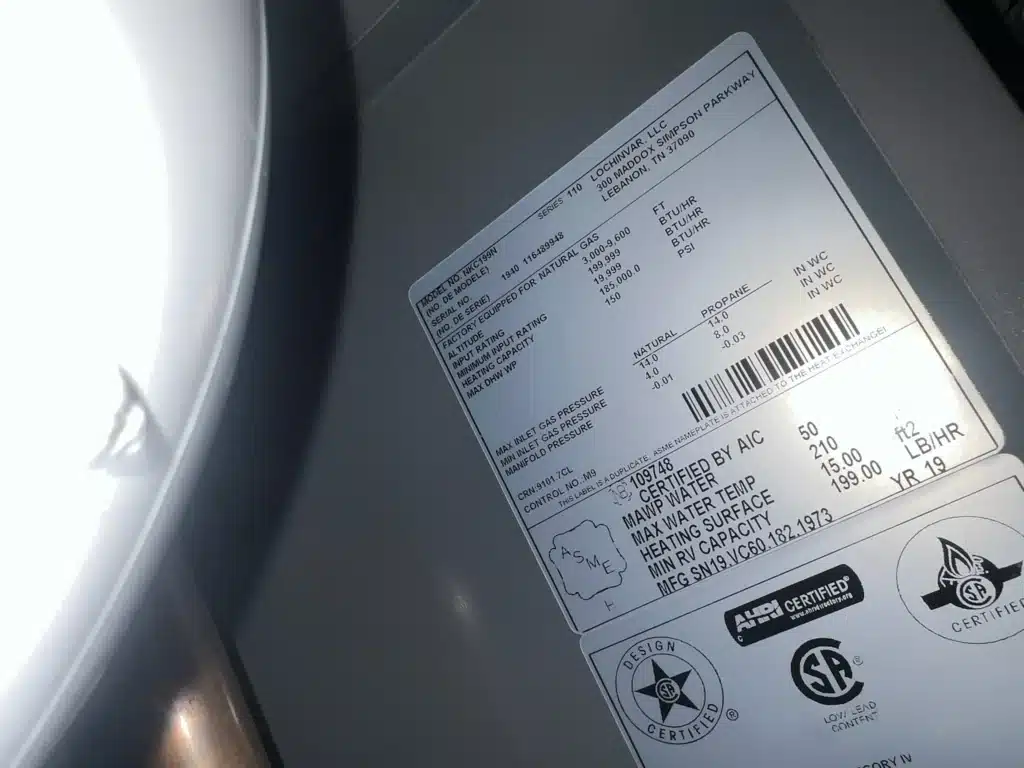
Boiler is Not Firing Up - Golden
- Problem: Boiler not firing properly
- Found: Boiler working but only intermittently
- Fixed: Went to factory reps warehouse and picked up the part and installed it.
- Outcome: Tested all zones many times and it was working properly

Boiler Repairs and Upgrade - Golden
- Problem: Boiler need repair
- Found: Old boiler
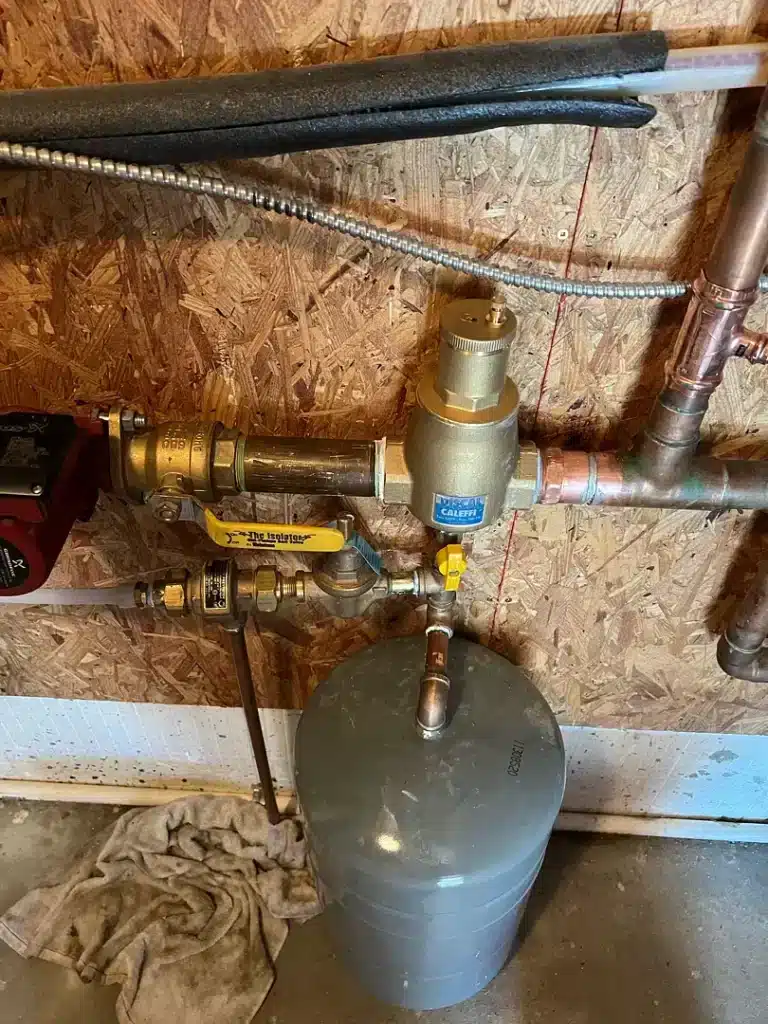
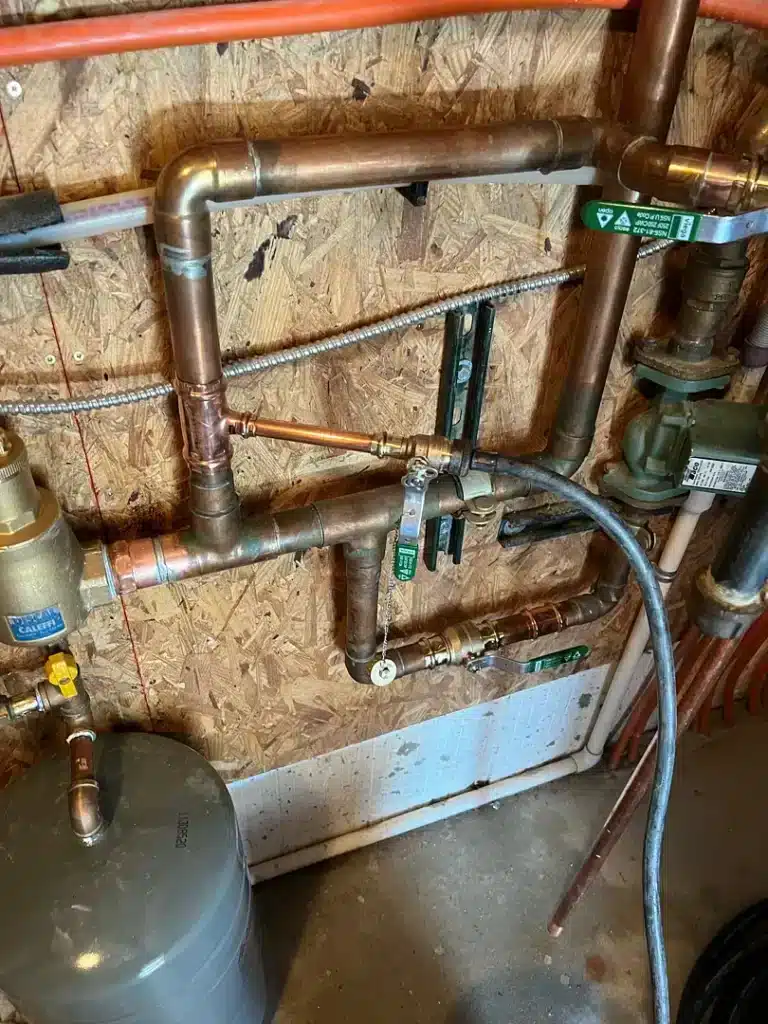
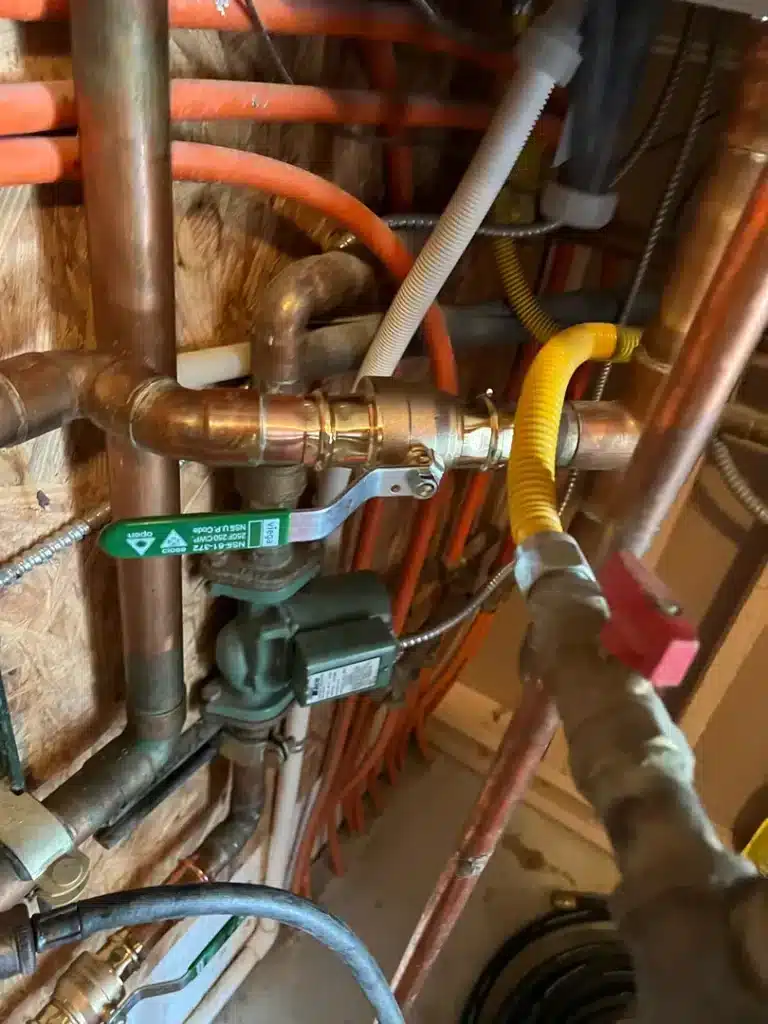
- Fixed: Boiler repairs New air eliminator Purge valve added. Isolation valve added. C.W. supply to boiler moved to after water treatment system ystem flushed and Fernox added.
- Outcome: Remove and replace Calle for air scoop, add isolation, ball valves, add boiler drain, refill system,purge air, and test for leaks also tied a water feed with treated water
Housing Characteristics & Boiler Repair Considerations
Golden's housing stock reflects over 150 years of development, from original mining-era structures to contemporary mountain homes. This diversity creates distinct boiler service considerations based on construction period, architectural style, and heating system design.
Historic Downtown and Older Neighborhoods
Homes built before 1950 frequently feature cast iron radiator systems originally designed for coal-fired boilers later converted to gas. These systems present specific characteristics:
- Single-pipe steam or gravity hot water distribution requiring specialized knowledge
- Oversized radiators designed for lower water temperatures than modern systems
- Original piping with threaded connections prone to corrosion and leaks
- Boiler rooms in basements with limited access for equipment replacement
Mid-Century Ranch and Split-Level Homes
The 1950s through 1970s brought baseboard hydronic heating to Golden neighborhoods. These systems typically include:
- Copper distribution piping with soldered joints susceptible to pinhole leaks
- Finned-tube baseboard convectors requiring periodic cleaning
- Standing pilot boilers now reaching end-of-life at 40-50 years old
- Single-zone designs without individual room temperature control
Contemporary Mountain Homes
Newer construction in Golden's foothill areas often incorporates radiant floor heating and high-efficiency condensing boilers. These modern systems demand technicians familiar with:
- PEX tubing embedded in concrete slabs or suspended under subfloors
- Modulating-condensing boilers with electronic controls and outdoor reset
- Multiple zone configurations with mixing valves and variable-speed pumps
- Integration with domestic hot water production through indirect tanks
Understanding which system type exists in a particular home guides diagnostic approaches and parts requirements. A 1920s bungalow with steam radiators presents completely different service needs than a 2010 custom home with in-floor radiant heating.
Environmental Conditions & Boiler Repair Implications
Golden's environmental conditions create specific challenges for boiler operation and longevity. Understanding these factors helps homeowners recognize why certain problems develop and how to prevent them.
Water Quality Characteristics
The City of Golden sources water primarily from Clear Creek, supplemented by wells and reservoir storage. Water treatment addresses safety and basic quality, but mineral content remains a factor for heating systems:
- Moderate hardness levels (typically 80-120 mg/L) cause gradual scale accumulation
- Dissolved minerals concentrate as water evaporates from boiler vessels
- Scale deposits reduce heat exchanger efficiency and can cause overheating
- Periodic water treatment or system flushing extends boiler life significantly
Climate Impacts on Heating Systems
Golden experiences approximately 150 days annually where heating is necessary, with January temperatures frequently dropping below zero. This extended heating season affects boilers in several ways:
- Continuous winter operation – Boilers run for months without rest, accelerating component wear
- Extreme cold snaps – Sub-zero temperatures stress systems already operating near capacity
- Rapid temperature swings – Chinook winds can raise temperatures 30-40 degrees in hours, causing rapid cycling
- Low humidity – Dry mountain air increases static electricity issues with electronic controls
Altitude Effects
At 7,200 feet elevation, atmospheric pressure is approximately 23% lower than at sea level. This affects boiler operation through:
- Reduced oxygen availability requiring combustion adjustments
- Lower boiling point of water affecting pressure relief valve settings
- Expansion tank pre-charge requirements differing from sea-level specifications
- Gas pressure regulation needing altitude-specific adjustment
Technicians unfamiliar with high-altitude heating often misdiagnose problems or make adjustments that create new issues. Proper altitude compensation during installation and service prevents efficiency losses and safety hazards.
Golden's Heating Degree Days and Energy Demand Patterns
Heating degree days – a measurement of how much heating a building requires based on outdoor temperature – provide insight into Golden's boiler demands. Jefferson County, where Golden is located, averages approximately 6,000-6,500 heating degree days annually. This places Golden in a climate zone requiring substantial heating infrastructure and creates consistent demand for boiler maintenance and repair services.
The heating season in Golden typically extends from early October through late April, with peak demand occurring December through February. During this period, boilers may operate 12-18 hours daily, accumulating significant run time that accelerates wear on burners, pumps, and controls. Homes in exposed foothill locations or at higher elevations within Golden's boundaries experience even greater heating demands.
Energy Consumption Patterns
- Average Golden household heating costs run 15-25% higher than Denver metro due to colder temperatures and longer seasons
- Natural gas remains the predominant boiler fuel, with Xcel Energy serving most of Golden
- Propane systems are common in areas beyond natural gas infrastructure, particularly in mountain subdivisions
- High-efficiency condensing boilers can reduce fuel consumption by 15-30% compared to standard-efficiency units
These energy demand patterns directly influence boiler repair needs. Systems operating under heavy load for extended periods experience more frequent component failures. Homeowners in Golden benefit from proactive maintenance scheduling before heating season begins, ensuring their boilers operate efficiently when demand peaks. The combination of high heating requirements and elevation-specific challenges makes professional boiler service particularly valuable in this community.


