

Cardom Plumbing & Heating specializes in boiler repair services tailored to Boulder’s unique heating demands. Their approach focuses on accurate diagnostics and repairs that consider the region's high altitude and hard water conditions.
- They provide thorough evaluations and diagnostics to identify root causes of boiler issues.
- The company offers same-day response for heating emergencies during cold weather.
- Technicians are certified and experienced with a wide range of boiler systems, ensuring effective repairs.
Boiler repair in Boulder, CO involves addressing issues with heating systems that are essential for maintaining comfort during harsh winter conditions. Given the region's extreme temperatures, repairs must be tailored to the specific demands of local boiler systems, ensuring they operate efficiently and safely for the household.
Boiler Repair Services in Boulder, CO
When your boiler stops producing heat on a January morning with temperatures hovering near zero, you need more than a quick fix – you need a repair approach built around Boulder's unique heating demands. Boiler systems in this region work harder and longer than those in milder climates, and when they fail, the consequences affect your entire household's comfort and safety.
Boiler repair encompasses the diagnosis, troubleshooting, and restoration of hydronic heating systems that use water or steam to distribute warmth throughout your home. This includes addressing issues with burners, heat exchangers, circulator pumps, expansion tanks, zone valves, thermostats, and the intricate network of pipes that carry heated water to radiators or radiant floor systems. Professional diagnosis matters because boiler systems involve multiple interconnected components – a symptom in one area often traces back to a root cause elsewhere in the system.
Boulder's combination of high altitude, hard water, and dramatic temperature swings creates specific stress points that accelerate boiler wear. Homes here range from historic bungalows with original steam systems to modern builds with high-efficiency condensing boilers, each presenting distinct repair considerations.
- Accurate diagnostics that identify root causes rather than surface symptoms
- Repairs calibrated for high-altitude combustion and pressure requirements
- Solutions accounting for Boulder's mineral-rich water supply
- System longevity improvements through proper component matching
Common Boiler Issues in Boulder, CO
Cardom Plumbing & Heating provides Boiler Repair services in all neighborhoods of Boulder including Arapahoe Ridge, Dakota Ridge, East Aurora, Frazier Meadows, Goss-Grove, Holiday, Keewaydin, Martin Acres, Meadow Glen, Park East, Promontory North, Table Mesa, The Hill, The Promontory, Washington Village, and Wonderland Hills.
Boulder sits at 5,430 feet elevation, where atmospheric pressure runs roughly 17% lower than sea level. This affects combustion efficiency in gas-fired boilers, often requiring specific air-fuel mixture adjustments that standard installations may overlook. When these adjustments drift or were never properly set, you'll notice incomplete combustion, soot buildup, and premature heat exchanger degradation.
The Front Range water supply carries dissolved minerals – primarily calcium and magnesium – that accumulate inside boiler components over time. This scale buildup restricts water flow through heat exchangers, reduces heat transfer efficiency, and forces your system to work harder to maintain temperature. In severe cases, scale deposits cause localized overheating that leads to cracked heat exchangers and costly replacements.
Seasonal Stress Patterns
Boulder's heating season typically runs from October through April, with January and February demanding near-continuous boiler operation. Systems that sat dormant through summer may develop stuck valves, seized circulator pumps, or corroded connections that only reveal themselves when heating demand peaks.
- Altitude-related combustion issues – improper gas pressure settings causing yellow flames, carbon monoxide production, or frequent pilot outages
- Hard water scale accumulation – reduced efficiency, kettling sounds, and eventual heat exchanger failure
- Freeze damage from power outages – Boulder's winter storms can leave systems vulnerable when electricity fails
- Expansion tank failures – waterlogged tanks creating pressure fluctuations and relief valve discharge
- Zone valve malfunctions – inconsistent heating between rooms or floors
- Circulator pump wear – bearing failures from continuous winter operation and hard water deposits
Warning Signs Requiring Attention
Early intervention prevents minor boiler issues from becoming emergency situations. Watch for these indicators:
- Unusual sounds – banging, gurgling, or high-pitched whistling during operation
- Pressure gauge readings outside the normal 12-15 PSI range
- Visible water pooling near the boiler or along pipe connections
- Radiators or zones that remain cold while others heat normally
- Frequent cycling – the boiler starting and stopping repeatedly
- Rising energy bills without corresponding changes in usage
How Cardom Plumbing & Heating Can Help
Our approach to boiler repair starts with thorough system evaluation rather than assumption-based fixes. We've developed diagnostic protocols specific to Front Range conditions because standard troubleshooting guides often miss altitude and water quality factors that drive many local boiler failures.
Our Repair Process
- Initial assessment – We examine your boiler's operational history, review any error codes, and listen to your observations about system behavior
- Combustion analysis – Using digital analyzers, we measure flue gas composition to verify proper air-fuel ratios at Boulder's elevation
- Pressure and temperature mapping – We check readings throughout the system to identify circulation problems or component restrictions
- Component inspection – Heat exchangers, burners, controls, and safety devices receive individual examination
- Root cause identification – We determine why the failure occurred, not just what failed
- Repair execution – Using manufacturer-specified parts and procedures appropriate for your system type
- System testing – Full operational verification including safety control function and efficiency measurement
Diagnostic Methods and Techniques
- Digital combustion analyzers calibrated for high-altitude readings
- Infrared thermography for identifying heat distribution problems
- Water quality testing to assess scale potential and corrosion risk
- Pressure decay testing for detecting hidden leaks
- Electrical diagnostics for control and ignition system faults
Communication Throughout the Process
Before any repair work begins, we explain what we've found and present your options clearly. You'll understand the problem, the proposed solution, and how we'll verify the repair worked. After completing the work, we walk through what was done and provide recommendations for preventing similar issues.
Why Choose Cardom Plumbing & Heating
Our technicians hold certifications in hydronic heating systems and maintain ongoing training in both traditional and high-efficiency boiler technologies. We understand the specific requirements of condensing boilers, steam systems, and radiant floor applications – each demands different expertise and repair approaches.
Working throughout Boulder County has given us direct experience with the full range of boiler systems installed here. From 1920s-era steam boilers in Mapleton Hill homes to modern combination units in newer Gunbarrel developments, we've diagnosed and repaired systems across every era and manufacturer.
What Sets Us Apart
- Local parts inventory – Common repair components stocked for faster service completion
- High-altitude expertise – Combustion adjustments and pressure calculations specific to Boulder's elevation
- Same-day response – Priority scheduling for heating emergencies during cold weather
- Repair verification – Post-service testing confirms system operation meets specifications
- Follow-up support – We check in after repairs to confirm continued performance
Our diagnostic equipment includes commercial-grade combustion analyzers, digital manifold gauges, and thermal imaging cameras. These tools allow precise measurements rather than guesswork, leading to accurate diagnoses and repairs that address actual problems rather than symptoms.
Recent Work
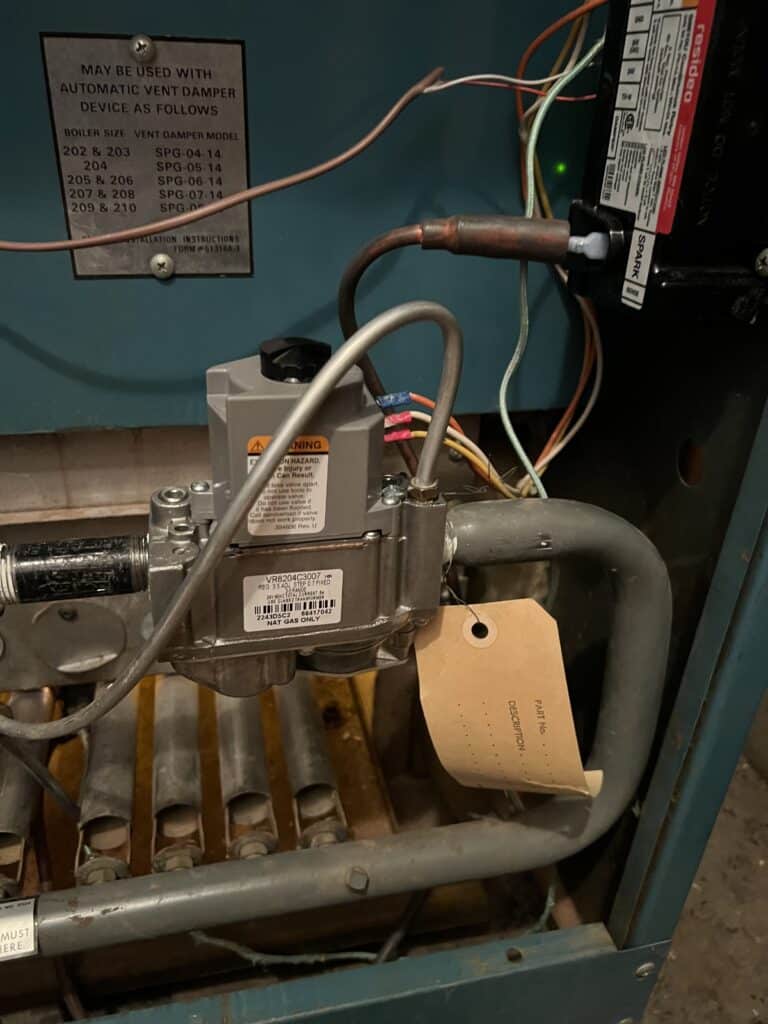
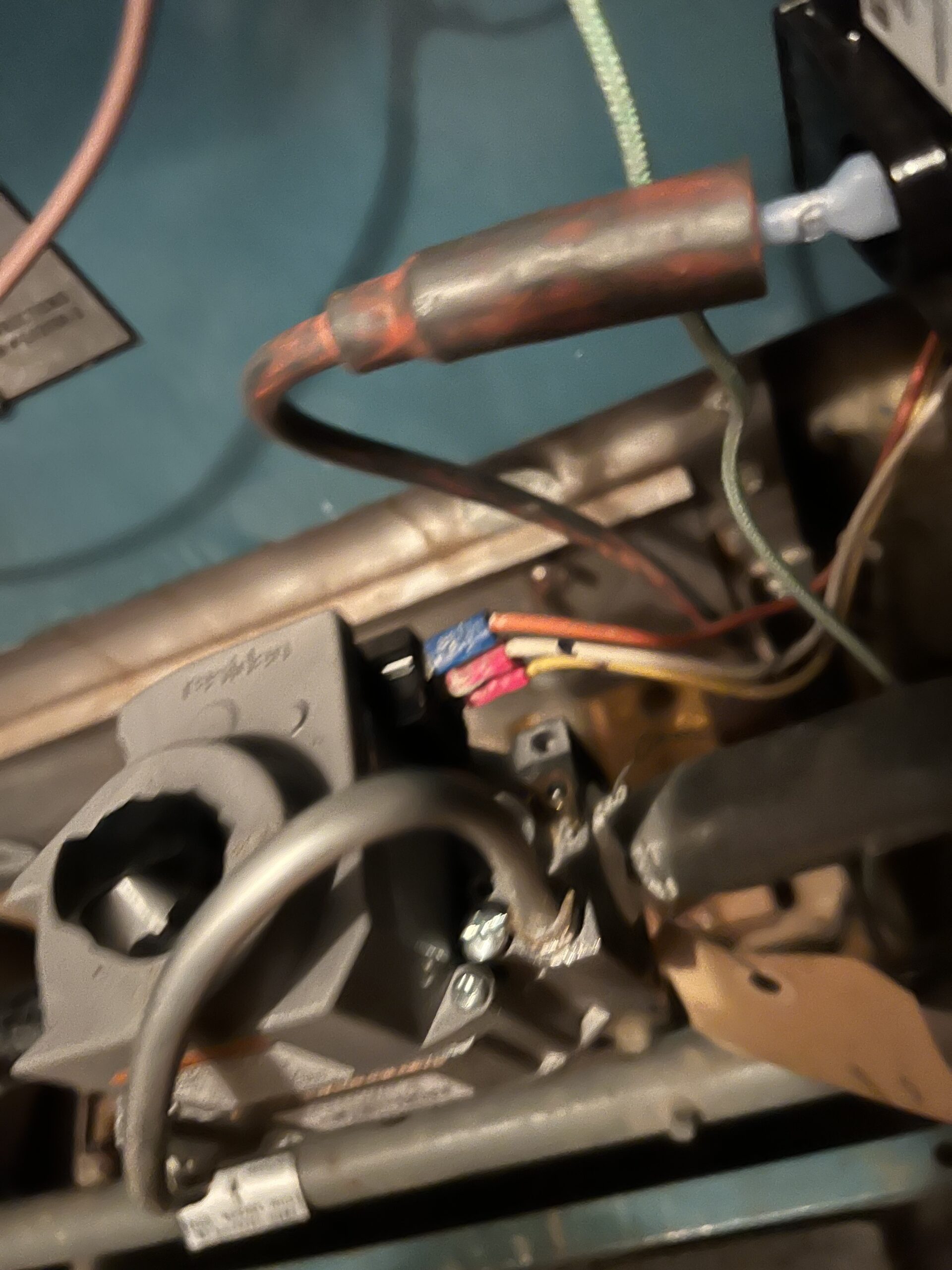
Boiler issue - Boulder
- Problem: Boiler shutting down
- Found: Boiler was failing and working intermittently.
- Fixed: Ordered up replacement valve and got quick ship in over the weekend.
- Outcome: Replaced valve and tested six times. Pilot and main burner were stronger.
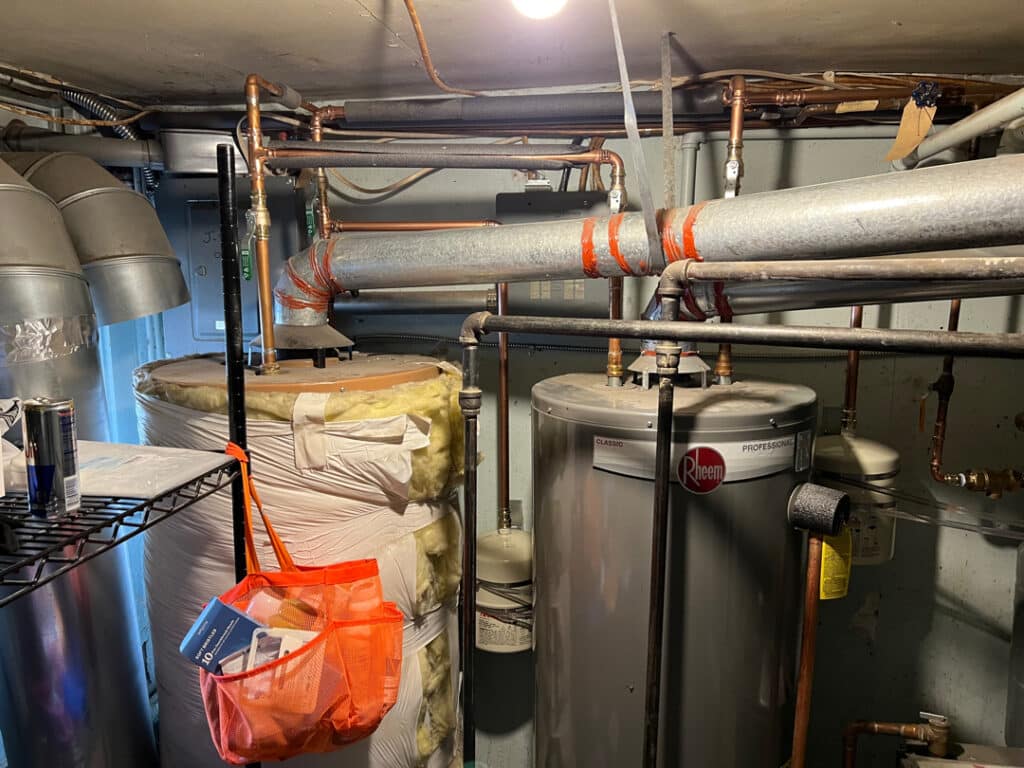
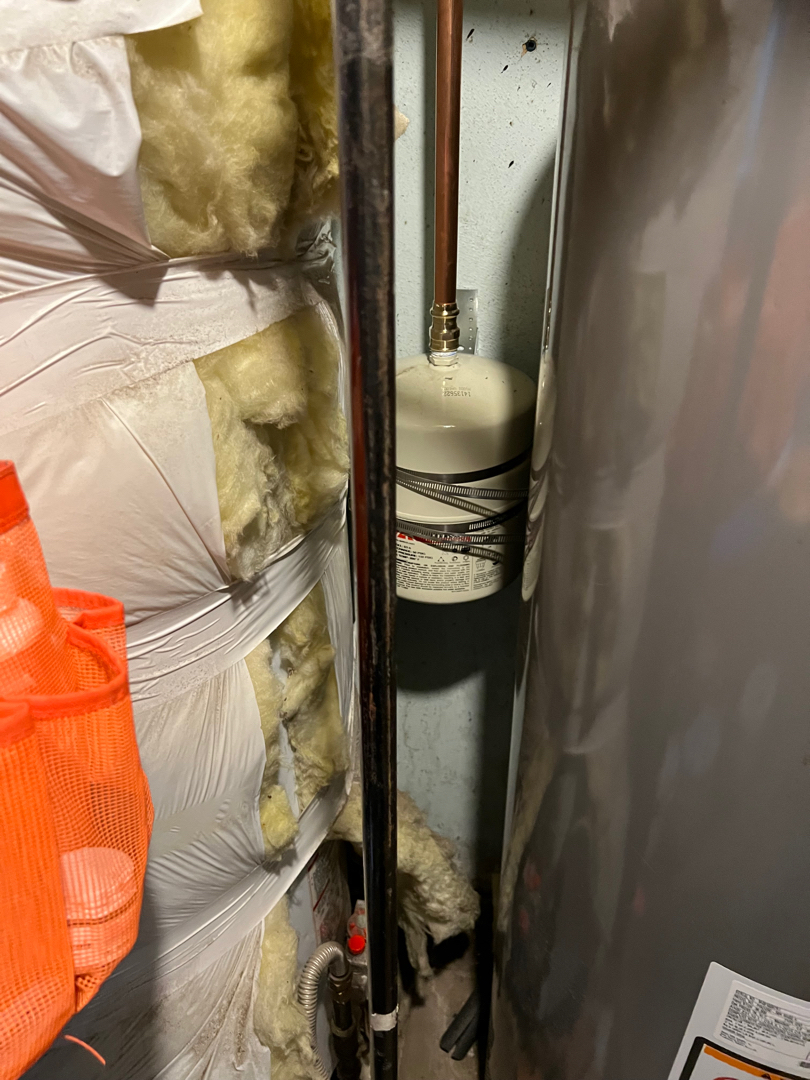
Boiler and Water Heater Repairs - Boulder
- Problem: Water heater and boiler service and code upgrades
- Found: Found leak coming from ceiling and leaking into the boiler room.
- Fixed: The boiler we added a new air scoop and a new circ pump as well as a new backflow/fill valve
- Outcome: Tested and no leak.
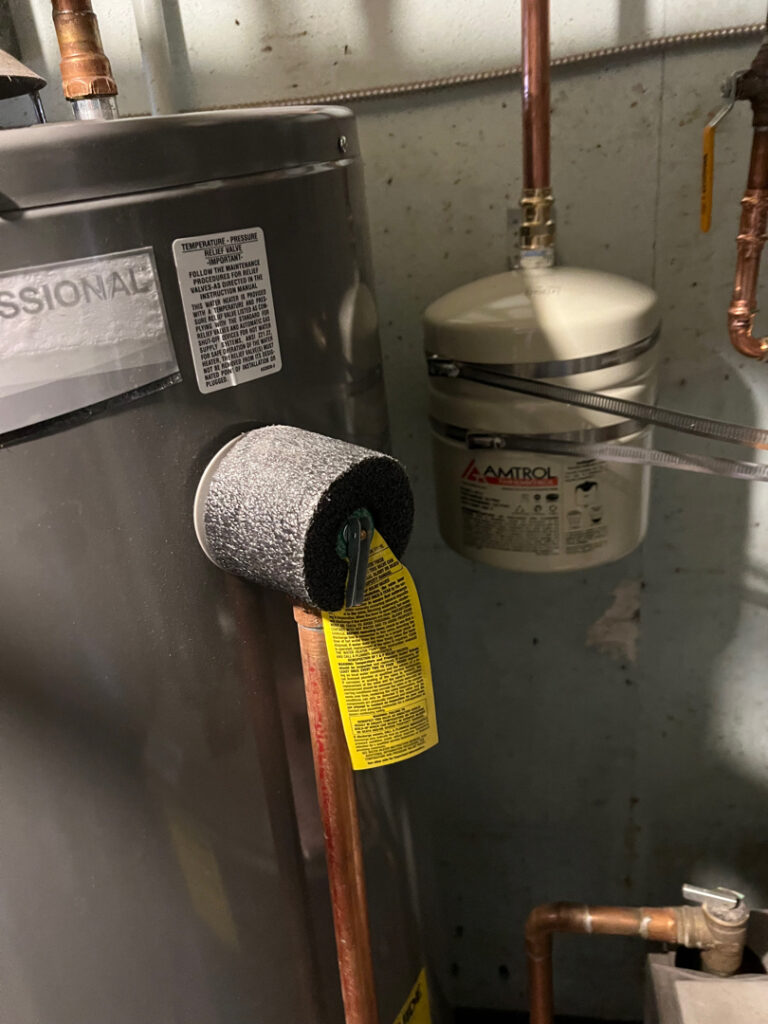
Housing Characteristics & Boiler Repair Considerations
Boulder's housing stock spans more than a century of construction, with each era bringing different heating system installations and associated repair needs. Understanding your home's characteristics helps predict likely boiler issues and guides appropriate repair strategies.
Historic Neighborhoods (Pre-1950)
Homes in University Hill, Whittier, and Mapleton Hill often retain original or early-replacement boiler systems. These properties present specific considerations:
- Cast iron radiator systems requiring proper water treatment and air elimination
- Steam boilers with specialized pressure controls and condensate return systems
- Older pipe materials including galvanized steel prone to internal corrosion
- Undersized gas lines that may restrict modern boiler performance
- Limited access points for service in finished basements
Mid-Century Construction (1950-1980)
Properties from this period often feature standing pilot boilers with atmospheric venting. These systems remain serviceable but require attention to:
- Thermocouple and pilot assembly maintenance
- Heat exchanger integrity after decades of thermal cycling
- Original circulator pumps approaching or exceeding service life
- Expansion tanks that may have lost air charge or developed internal corrosion
Modern Construction and Retrofits
Newer Boulder homes and updated systems frequently include high-efficiency condensing boilers. These units achieve greater fuel economy but demand specific repair expertise:
- Condensate management systems requiring periodic cleaning
- Electronic ignition and modulating controls with diagnostic capabilities
- Stainless steel or aluminum heat exchangers sensitive to water chemistry
- Outdoor reset controls that adjust operation based on external temperature
Environmental Conditions & Boiler Repair Implications
Boulder's environmental factors directly influence boiler system longevity and the types of repairs commonly needed. Understanding these conditions helps explain why certain components fail and how proper maintenance can extend system life.
Water Quality Characteristics
Boulder's municipal water supply originates from mountain watersheds, primarily Boulder Creek and the Silver Lake watershed. While this water receives treatment at the Betasso Water Treatment Facility, it retains mineral content that affects boiler systems:
- Moderate hardness levels (typically 50-80 mg/L as calcium carbonate) causing gradual scale formation
- Seasonal variations in mineral content following spring runoff
- pH levels requiring monitoring in closed-loop hydronic systems
- Dissolved oxygen content contributing to internal corrosion when not properly managed
For boiler systems, this means heat exchangers and piping gradually accumulate mineral deposits. Annual water testing and appropriate treatment – whether chemical inhibitors or periodic flushing – prevents the efficiency losses and component damage that scale causes.
Climate Impacts on Heating Systems
Boulder experiences approximately 4,500 heating degree days annually, indicating substantial demand on boiler systems. The combination of cold winters and rapid temperature swings creates specific stress patterns:
- Extended run times during cold snaps accelerate wear on moving components
- Temperature swings of 40+ degrees in a single day cause expansion and contraction stress
- Low humidity conditions affect air-fuel mixture in combustion systems
- Power outages during winter storms risk freeze damage if systems lack protection
Altitude Effects
At Boulder's elevation, atmospheric pressure averages approximately 24.6 inches of mercury compared to 29.9 inches at sea level. This pressure difference affects gas-fired boilers in measurable ways – combustion air contains less oxygen per cubic foot, requiring adjusted gas orifices and air settings. Boilers installed without altitude compensation often run inefficiently and produce elevated carbon monoxide levels.
Heating Degree Days and Energy Demand in Boulder
Boulder's heating requirements exceed many Front Range communities due to its elevation and proximity to mountain weather patterns. According to climate data, the city averages between 6,000 and 6,500 heating degree days annually – a measurement that quantifies how much heating a building requires based on outdoor temperatures. This places Boulder's heating demand roughly 15-20% higher than Denver's, translating directly to increased boiler operation hours and accelerated component wear.
January typically records the highest heating demand, with average low temperatures around 19°F and frequent dips below zero during Arctic air intrusions. During these periods, boilers may operate nearly continuously, stressing components that would otherwise cycle on and off. This sustained operation pattern affects specific system elements:
- Circulator pump bearings – Continuous operation without rest cycles accelerates wear
- Burner components – Extended firing times increase heat stress on ignition assemblies
- Zone valves – Frequent position changes during multi-zone heating cause actuator fatigue
- Expansion tanks – Repeated pressure cycling from temperature swings affects bladder integrity
Understanding Boulder's heating intensity helps explain why boiler maintenance and timely repairs matter more here than in milder climates. A system operating 2,000+ hours annually during heating season experiences wear equivalent to several years of operation in warmer regions. This context shapes our repair recommendations – we prioritize solutions that account for Boulder's demanding heating environment rather than applying generic fixes that may not hold up through a full Colorado winter.


