

Boiler repair services in Broomfield, CO address critical heating issues that arise due to the region's unique environmental challenges. Their expertise ensures efficient diagnosis and repair of hydronic heating systems, which are essential for maintaining comfort during harsh winters.
- They diagnose and repair boiler systems that distribute heat through water or steam. This involves specialized knowledge due to the complexity of the systems.
- Local factors like high altitude and hard water affect boiler performance, requiring tailored solutions.
- Their process includes thorough inspections, testing, and transparent communication about repairs and costs.
Signs that indicate a boiler needs repair include unusual noises such as rumbling, radiators that remain cold despite the thermostat being set high, and water pooling beneath the boiler unit. These issues should be addressed promptly, especially in cold climates where heating is essential for comfort.
Boiler Repair Services in Broomfield, CO
That unsettling rumble from your basement. The radiators that stay cold despite the thermostat climbing. The mysterious puddle forming beneath your boiler unit. These warning signs demand immediate attention – especially when Broomfield's winter temperatures plunge below freezing and your home's heating system becomes the difference between comfort and crisis.
Boiler repair encompasses the diagnosis, troubleshooting, and restoration of hydronic heating systems that use hot water or steam to distribute warmth throughout your property. Unlike forced-air furnaces, boilers rely on a complex network of pipes, radiators, baseboard heaters, and circulation pumps that require specialized knowledge to service properly. Professional diagnosis matters because boiler systems involve pressurized water, gas connections, and electrical components working in precise coordination – misdiagnosis can lead to continued damage, safety hazards, or costly replacement of parts that weren't actually failing.
Broomfield presents unique challenges for boiler systems. The city sits at 5,420 feet elevation, affecting combustion efficiency and system calibration. Hard water from local supplies accelerates mineral buildup inside heat exchangers. Rapid temperature swings – sometimes 40 degrees in a single day – stress expansion tanks and pressure relief valves beyond typical wear patterns.
- Restored heating efficiency that reduces monthly energy costs
- Extended equipment lifespan through proper component repair
- Prevention of water damage from leaks and pressure failures
- Maintained home safety by addressing gas and ventilation concerns
Common Boiler Issues in Broomfield, CO
Broomfield's geographic position along the Front Range creates a demanding environment for boiler systems. The city experiences approximately 157 days per year where heating is necessary, with January temperatures averaging 43°F during the day but dropping to 18°F overnight. This constant cycling between heating demands and dormant periods accelerates wear on ignition systems, thermostats, and zone valves.
The municipal water supply in Broomfield draws from multiple sources including the Great Western Reservoir and treated surface water. This water tends toward moderate hardness – typically measuring between 120-180 parts per million of calcium carbonate. Over time, these minerals precipitate inside boiler heat exchangers, reducing efficiency and eventually causing overheating as scale insulates the metal from the water it's meant to heat.
Local Factors Affecting Boiler Performance
- High altitude combustion: Reduced oxygen density at 5,400+ feet requires precise burner adjustments that many systems lack from factory settings
- Freeze-thaw cycling: Broomfield averages 60 freeze-thaw cycles annually, stressing pipes and fittings throughout the distribution system
- Mineral-rich water: Local water hardness accelerates sediment accumulation in heat exchangers and circulation loops
- Dry winter air: Low humidity levels increase static electricity risks in electronic ignition systems and control boards
- Soil movement: Expansive clay soils common in Broomfield can shift foundation settling, stressing boiler piping connections
- Aging infrastructure: Many homes built during Broomfield's 1970s-1990s growth periods now have boilers approaching or exceeding their expected lifespan
Warning Signs Requiring Professional Attention
Recognizing early symptoms prevents minor boiler issues from becoming emergency failures. Watch for these indicators that your system needs repair:
- Unusual noises – banging, kettling, gurgling, or whistling sounds
- Inconsistent heating between zones or radiators
- Visible water leaks or corrosion around the unit
- Frequent pressure drops requiring manual refilling
- Yellow or orange pilot flame instead of steady blue
- Increased heating bills without usage changes
- Radiators remaining cold at the top while warm at the bottom
How Cardom Plumbing & Heating Can Help
Our approach to boiler repair combines systematic diagnosis with targeted solutions. We've refined our process specifically for the conditions Broomfield boilers face – from altitude adjustments to hard water damage assessment.
Our Boiler Repair Process
- Initial assessment: We listen to your observations about system behavior, review heating history, and identify when problems first appeared
- Visual inspection: Our technicians examine the boiler unit, expansion tank, circulator pumps, and accessible piping for obvious damage, corrosion, or leaks
- Diagnostic testing: We measure water pressure, check combustion efficiency, test safety controls, and evaluate zone valve operation
- Problem identification: Based on findings, we explain exactly what's failing, why it happened, and what repair options exist
- Repair execution: With your approval, we complete necessary repairs using manufacturer-specified or equivalent-quality parts
- System testing: After repairs, we run the boiler through complete heating cycles, verifying proper operation across all zones
- Documentation: You receive a detailed report of work performed, parts replaced, and recommendations for future maintenance
Diagnostic Techniques We Employ
- Combustion analysis to verify proper fuel-air mixture and CO levels
- Pressure testing to identify leaks in closed-loop systems
- Thermal imaging to detect circulation problems and blocked passages
- Electrical testing of ignition systems, thermostats, and control boards
- Water quality assessment for mineral content and pH levels
- Flue gas analysis to confirm safe venting operation
Communication Throughout the Process
We explain findings in plain language – not technical jargon. Before any repair begins, you'll understand what failed, why it matters, and what the repair involves. We provide options when multiple approaches exist, helping you make informed decisions about your heating system investment.
Why Choose Cardom Plumbing & Heating
Boiler systems differ significantly from standard furnaces, requiring technicians who specialize in hydronic heating rather than general HVAC work. Our team maintains specific certifications in boiler service, including training on both traditional cast iron units and modern high-efficiency condensing models. We understand the pressure vessels, heat exchangers, and circulation systems that make boilers unique.
Local knowledge shapes our approach to every service call. We've worked in Broomfield neighborhoods from Original Town to Broadlands, encountering the specific boiler brands and installation patterns common to each area's construction era. This familiarity means faster diagnosis – we often recognize problems before testing confirms them because we've seen the same failure patterns in similar homes throughout the community.
What Sets Us Apart
- Responsive scheduling: We prioritize boiler emergencies, particularly during heating season when delays mean cold homes
- Stocked service vehicles: Common repair parts travel with our technicians, reducing return visits for standard repairs
- Altitude-adjusted service: We calibrate burners and combustion systems specifically for Broomfield's elevation
- Follow-up verification: After major repairs, we check in to confirm your system continues operating properly
- Transparent communication: No surprise charges – we discuss costs before work begins
Our technicians carry diagnostic equipment capable of identifying problems that visual inspection alone would miss. From combustion analyzers to thermal cameras, we invest in technology that provides accurate answers rather than educated guesses.
Recent Work
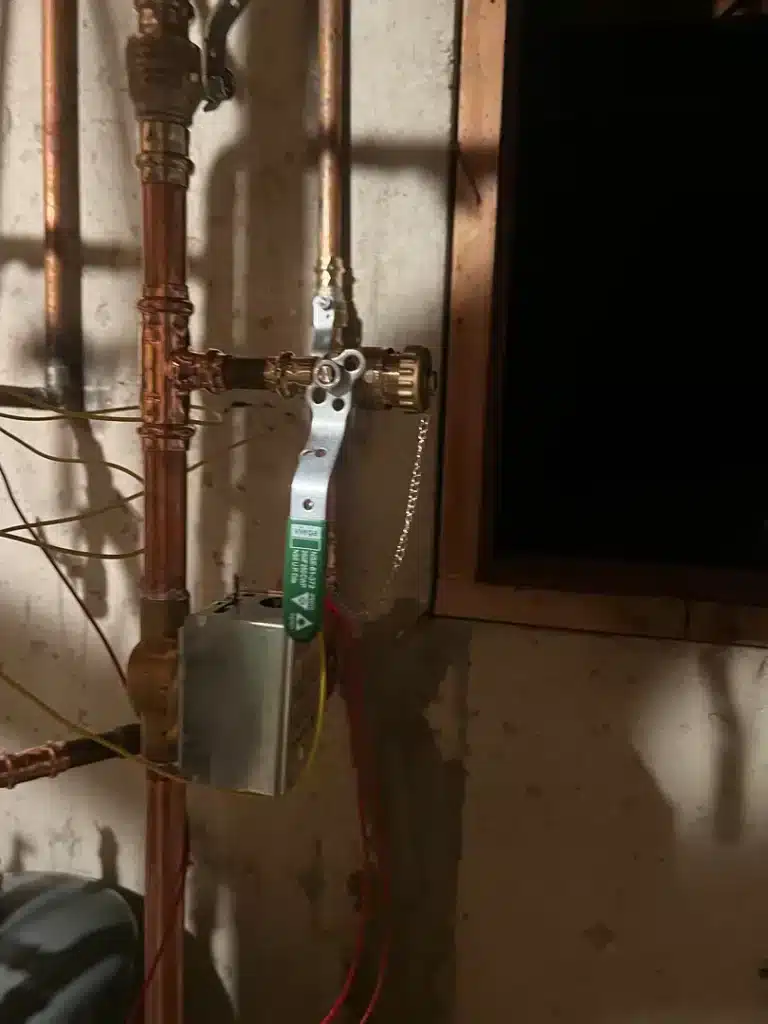
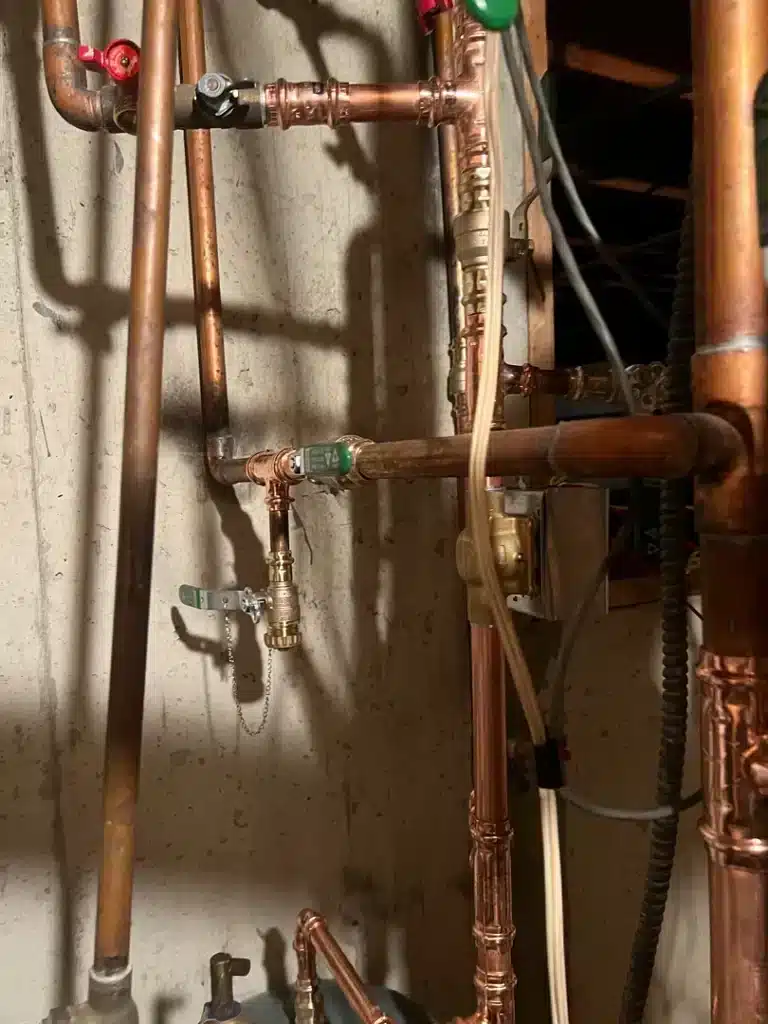
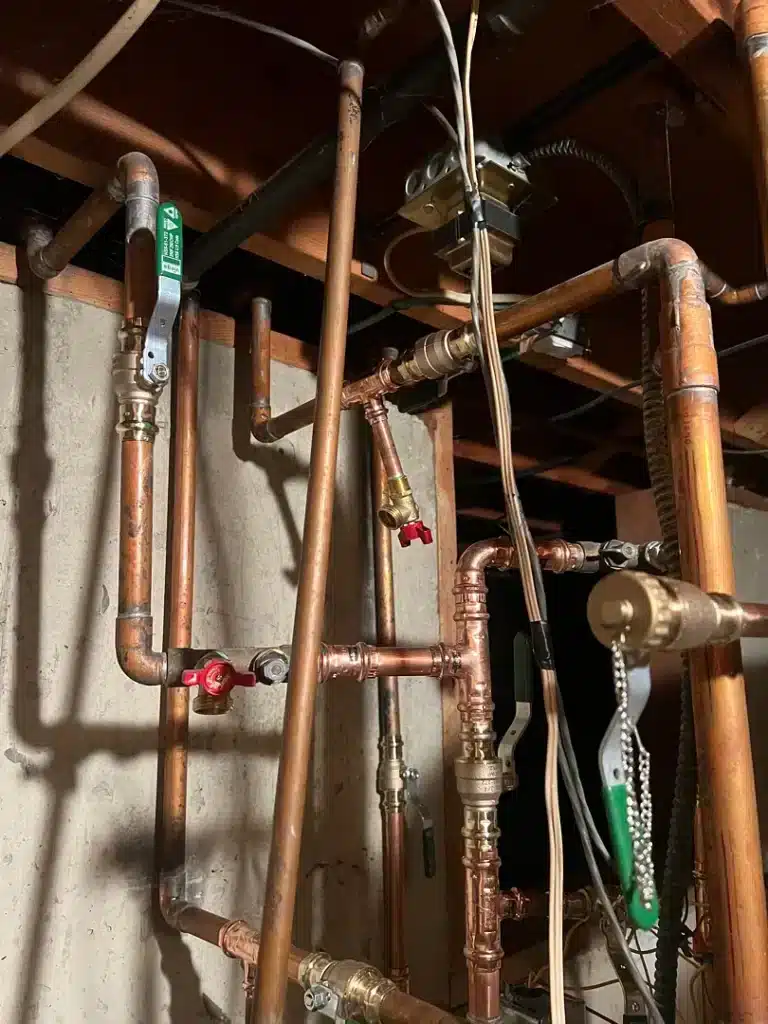
Boiler Repairs - Broomfield
- Problem: Boilers not working
- Found: Numerous Boiler Repairs
- Fixed: Replaced circ pump. Replace expansion tank. Removed both the supply and return mains that were leaking and replaced with new. Installed iso ball valve on the supply and return main. Replaced both WR zone valves with Honeywell Installed 8ea. iso ball valves and tee with boiler drains for purging the system. Re-wired boiler.
- Outcome: Tested. Found that Aquastat relay wasnly putting out 19 Volts. Rewired system where there was 30 volts available and system fired up and started working. Aquastat relay is going out. Notified owner that he should replace the boiler with new and not replace the aquastat relay because the boiler is about 55 years old. Boiler is dying and should be replaced.
Housing Characteristics & Boiler Repair Considerations
Broomfield's housing stock reflects distinct construction periods, each bringing different boiler systems and associated repair needs. Understanding your home's era helps anticipate common issues and appropriate solutions.
Construction Era Breakdown
- Pre-1970 Original Town homes: Often feature older cast iron boilers with standing pilots, gravity-fed systems, and original radiators requiring specialized knowledge of vintage equipment
- 1970s-1980s developments: Typically installed mid-efficiency boilers with electronic ignition – these units now exceed 35-40 years old and frequently need heat exchanger assessment
- 1990s-2000s construction: Higher-efficiency sealed combustion units became standard, though many now require circulator pump replacement and expansion tank service
- Recent construction (2010+): Modern condensing boilers with complex controls, requiring technicians familiar with digital diagnostics and modulating burner systems
Neighborhood-Specific Patterns
The Broadlands and Interlocken areas feature predominantly newer construction with high-efficiency systems. These boilers often experience condensate drainage issues during extreme cold – the acidic condensate can freeze in drain lines, triggering safety shutdowns. Older neighborhoods near Midway Boulevard contain more traditional boiler installations where sediment accumulation and circulator pump failures represent common repair needs.
Multi-story homes throughout Broomfield present zoning challenges. Boilers serving multiple floors rely on zone valves and multiple circulators that require periodic maintenance. When one zone stops heating while others work normally, the problem typically lies in zone-specific components rather than the boiler itself.
Foundation and Piping Considerations
- Slab foundations common in newer areas limit access to buried distribution piping
- Basement installations in older homes provide better access but may have original copper or steel piping nearing end of service life
- Radiant floor systems – popular in 1990s-2000s construction – require specialized leak detection when problems develop
Environmental Conditions & Boiler Repair Implications
Broomfield's environmental factors directly impact boiler system longevity and repair frequency. From water chemistry to soil conditions, local elements shape the specific challenges your heating system faces.
Water Quality Characteristics
The City of Broomfield sources water from both surface supplies and the Denver Water system. Annual water quality reports indicate total hardness averaging 140-160 mg/L – classified as moderately hard. This mineral content accumulates inside boiler systems over time, particularly affecting:
- Heat exchanger surfaces where scale reduces heat transfer efficiency
- Pressure relief valves that can become mineral-encrusted and fail to operate
- Expansion tanks where sediment collects and reduces effective capacity
- Zone valves where mineral deposits impede proper seating
The municipal treatment process maintains pH levels between 7.2-7.8, slightly alkaline conditions that discourage corrosion but don't eliminate it entirely. Older steel components in boiler systems remain vulnerable to oxidation, particularly where air enters the closed loop through failing air eliminators or expansion tank bladders.
Climate Impact on Boiler Systems
Broomfield's semi-arid climate with cold winters creates specific stresses:
- Extended heating seasons: Boilers operate roughly 2,000+ hours annually, accelerating wear on ignition systems and moving parts
- Rapid temperature swings: Chinook winds can raise temperatures 30-40 degrees within hours, causing thermal shock to system components
- Low humidity: Winter humidity often drops below 20%, increasing static discharge risks to electronic controls
- Freeze risk: Overnight lows below 0°F occur multiple times each winter, threatening any exposed or poorly insulated piping
Soil and Structural Factors
Expansive clay soils prevalent throughout Broomfield create foundation movement that stresses boiler piping connections. Seasonal soil moisture changes cause subtle shifts that can loosen fittings or stress solder joints over time. Homes experiencing foundation settling should have boiler connections inspected for developing leaks or stress cracks.
Broomfield Heating Demand & Energy Usage Data
Understanding local heating patterns provides context for boiler repair timing and system demands. Broomfield falls within climate zone 5B according to the International Energy Conservation Code, indicating cold winters that require substantial heating capacity. The city experiences approximately 6,000-6,200 heating degree days annually – a measure indicating how much heating is needed based on outdoor temperatures falling below 65°F.
This heating load means Broomfield boilers work significantly harder than systems in milder climates. A boiler operating in this environment cycles more frequently, experiences more thermal stress, and consumes components faster than identical equipment installed at lower elevations with shorter heating seasons.
Local Heating Statistics
- Average heating season runs from October through April – approximately 7 months of active boiler operation
- January heating demand peaks with average temperatures requiring near-continuous operation
- Natural gas remains the predominant boiler fuel in Broomfield, with Xcel Energy serving most residential customers
- Older boilers operating at 80% efficiency cost approximately 25% more to operate than modern 95%+ efficiency units
- Emergency heating calls increase 300-400% during cold snaps when temperatures drop below 10°F
Implications for Boiler Maintenance and Repair
The extended heating season makes pre-winter boiler inspection particularly valuable. Systems that develop problems in September face lower repair demand and faster scheduling than those failing during January cold snaps. Many Broomfield homeowners schedule annual boiler service in early fall, allowing time for parts ordering and repairs before heating becomes critical.
Energy efficiency also factors into repair decisions. When facing major component replacement on an older boiler, the calculation between repair and replacement shifts based on remaining equipment lifespan versus ongoing fuel savings from modern high-efficiency units. Our technicians help evaluate these decisions based on your specific equipment condition and usage patterns.


