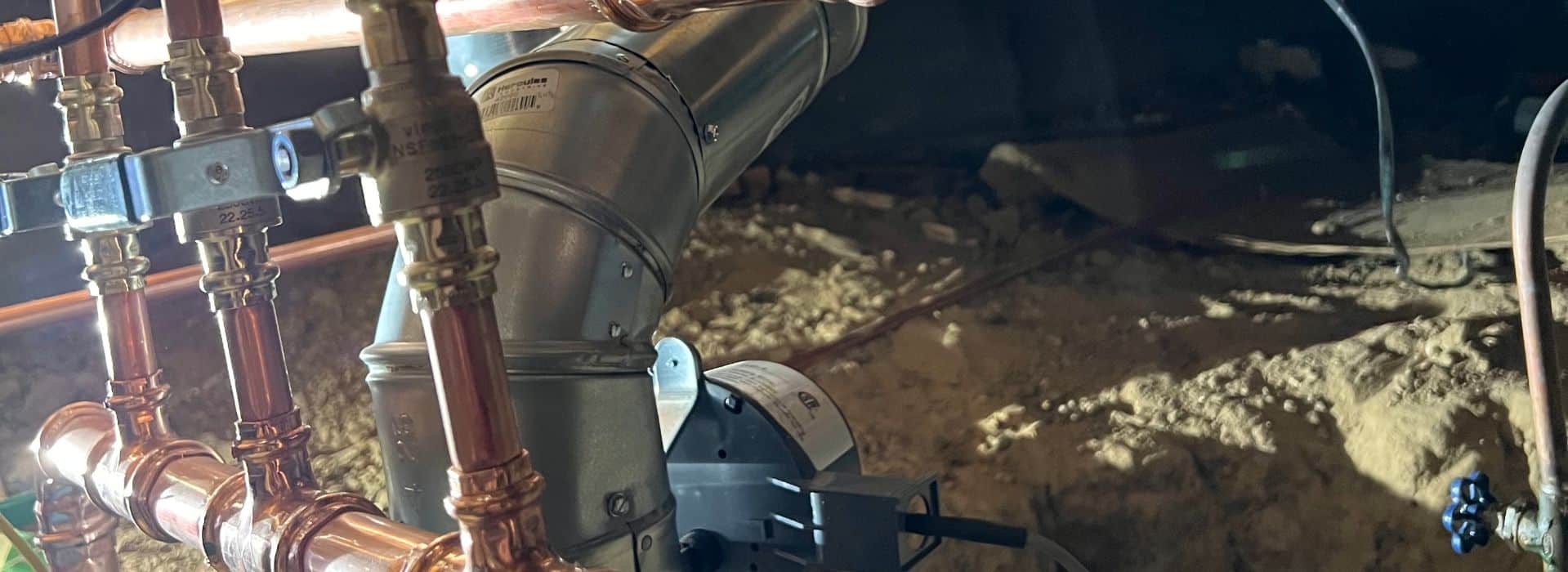
Gas leaks in Northglenn, CO, pose serious risks and require immediate professional attention. The repair process involves locating the leak, isolating affected areas, and ensuring safe operation of gas systems.
Homeowners should be aware of warning signs like sulfur odors or hissing sounds near gas appliances. Aging infrastructure in Northglenn increases the likelihood of gas leaks, especially in homes built from the 1970s to 1990s.
Professional technicians use advanced detection methods and follow strict safety protocols to identify and repair leaks. This includes pressure testing and electronic verification to ensure the problem is resolved.
Cardom Plumbing & Heating offers licensed and experienced technicians who understand local gas systems and provide thorough communication throughout the repair process.
What should you do if you smell gas in your home?
If you smell gas in your home, it's crucial to take immediate action. Evacuate everyone from the premises, avoid using electrical devices, and do not light any flames. Contact a qualified technician to inspect and repair the gas leak, as this is a serious safety hazard that requires professional attention.
Gas Leak Repair in Northglenn, CO
That faint sulfur smell near your furnace or water heater isn't something to dismiss. If you've noticed the distinctive odor of natural gas in your Northglenn home – or heard an unusual hissing sound near gas appliances – your instincts to seek professional help are correct. Gas leaks represent one of the most serious plumbing and heating emergencies homeowners face, requiring immediate attention from qualified technicians.
Gas leak repair involves locating the source of escaping natural gas within your home's distribution system, isolating the affected components, and restoring safe operation. This work spans gas supply lines, appliance connections, shut-off valves, flexible connectors, and the fittings that join these elements. In Northglenn's housing stock – much of which dates from the 1970s through 1990s – aging gas infrastructure demands careful inspection and expert repair techniques.
Why Professional Gas Leak Diagnosis Matters
Attempting to locate or repair gas leaks without proper training and equipment creates serious safety hazards. Professional diagnosis matters because:
Electronic gas detectors identify leak locations that human senses might miss
Pressure testing reveals hidden leaks within walls or underground lines
Licensed technicians understand local code requirements and Xcel Energy specifications
Proper repair sequencing prevents secondary leaks or incomplete fixes
Northglenn's semi-arid climate, with temperature swings from below zero to above 90 degrees, stresses gas fittings and connectors throughout the year. The city's mix of original construction and renovated properties means gas systems vary widely in age, materials, and condition – making professional assessment particularly valuable.
Cardom Plumbing & Heating provides Gas Leak Repair services in all neighborhoods of Northglenn including Arden Karl's Farm, Fox Run, Heritage at Stone Mountain, Red Hawk Ranch, Regatta, Reserve at Northglenn, and Village at North Hills.
Northglenn's development history shapes the gas leak challenges homeowners encounter today. Built primarily during the suburban expansion of the 1970s and 1980s, many homes feature gas piping materials and installation methods that have reached or exceeded their expected service life. Black iron pipe threaded connections – standard for that era – develop corrosion at joints after decades of service.
The Front Range's dramatic temperature variations create expansion and contraction cycles that stress rigid gas connections. Winter nights dropping to single digits followed by sunny afternoons reaching 50 degrees cause metal components to flex repeatedly. Over years, this thermal cycling loosens fittings and degrades thread sealants. Underground gas lines face additional stress from Northglenn's clay-heavy soils, which expand when wet and contract during dry periods.
Seasonal Considerations
Heating season brings increased gas leak risks as furnaces, boilers, and water heaters operate more frequently. The transition from summer to winter – when systems fire up after months of dormancy – often reveals leaks that developed during the off-season. Spring thaw and summer monsoon moisture can also affect underground lines and exterior meter connections.
Warning Signs Northglenn Residents Should Monitor
Rotten egg or sulfur odor near gas appliances, meters, or supply lines
Hissing or whistling sounds from gas pipes or connections
Dead vegetation in unusual patterns above buried gas lines
Higher-than-expected gas bills without increased usage
Pilot lights that repeatedly extinguish or burn with orange flames
Visible corrosion or damage on exposed gas piping
Local Factors Contributing to Gas Leak Needs
Housing age – many homes built 40-50 years ago with original gas infrastructure
Soil movement from expansive clay affecting underground lines
Our gas leak repair process follows a systematic approach designed to locate problems accurately and restore safe operation. Every service call begins with safety assessment and follows industry protocols for gas system work.
Our Step-by-Step Gas Leak Repair Process
Initial Safety Assessment – Upon arrival, technicians evaluate the immediate situation, check for dangerous gas concentrations, and determine whether evacuation or utility notification is needed
System Isolation – We identify and close appropriate shut-off valves to isolate the suspected leak area while maintaining service to unaffected portions when possible
Electronic Leak Detection – Using combustible gas detectors, we systematically scan all accessible gas piping, connections, and appliances to pinpoint leak locations
Pressure Testing – For hidden or suspected leaks, we perform pressure decay tests on isolated line sections to confirm leak presence and severity
Repair Execution – Based on findings, we perform appropriate repairs – whether tightening connections, replacing fittings, installing new pipe sections, or upgrading flexible connectors
Post-Repair Testing – Every repair undergoes pressure testing and electronic verification to confirm the leak has been eliminated
System Restoration – We restore gas flow, relight pilots, and verify proper appliance operation before completing the service
Diagnostic Methods and Repair Techniques
Combustible gas analyzers capable of detecting parts-per-million concentrations
Manometer pressure testing for line integrity verification
Soap bubble testing for visual confirmation at specific joints
Thread sealant compounds rated for natural gas applications
CSST bonding verification and correction when applicable
Flexible connector replacement with current-standard products
Communication and Quality Control
Throughout the repair process, we keep homeowners informed about what we're finding and what repairs are needed. Before beginning any work, you'll understand the scope and approach. After completion, we document the repairs performed and provide guidance on monitoring your gas system going forward.
Why Choose Cardom Plumbing & Heating
Gas system work demands technicians who combine proper licensing, specialized training, and hands-on experience. Cardom Plumbing & Heating maintains all required state and local certifications for gas line work in Colorado. Our technicians complete ongoing training on gas detection equipment, repair techniques, and evolving safety codes.
Local Knowledge That Matters
Working throughout Northglenn and the surrounding Adams County communities, we've developed familiarity with the area's housing stock and common gas system configurations. We understand the typical construction methods used in different neighborhoods and decades – knowledge that speeds diagnosis and ensures appropriate repair approaches. Our relationships with local building departments and utility providers help streamline any required inspections or coordination.
What Sets Our Service Apart
Licensed gas technicians with specific training in leak detection and repair
Professional-grade electronic detection equipment for accurate leak location
Same-day response available for suspected gas leak emergencies
Clear communication about findings, options, and repair recommendations
Follow-up verification to confirm repairs remain secure
Documentation suitable for insurance claims or property records
We approach gas leak calls with appropriate urgency while maintaining the careful, methodical process these situations require. Rushing through gas work creates risks; cutting corners on testing leaves problems undetected. Our commitment is thorough, safe service that addresses the immediate concern and identifies any related issues that warrant attention.
Housing Characteristics & Gas Leak Repair Considerations
Northglenn's residential development occurred in distinct phases, each bringing characteristic construction methods and gas system configurations. Understanding these patterns helps homeowners recognize the specific considerations their properties may present.
Original Development Era – 1960s and 1970s
Homes from Northglenn's founding period through the 1970s typically feature:
Black iron gas piping with threaded connections throughout
Original gas shut-off valves that may be difficult to operate or fully close
Appliance connectors that predate current flexible connector standards
Gas meters in locations that may have been enclosed by later additions
Basement or crawlspace routing that can be difficult to inspect
These systems have often provided decades of reliable service but now warrant closer monitoring. Corrosion at threaded joints, deteriorating pipe dope, and aging valve seats become more common as systems approach 50 years of service.
1980s and 1990s Construction
Homes built during Northglenn's continued growth in these decades may include corrugated stainless steel tubing – CSST – alongside traditional black iron piping. CSST installations from this period require verification of proper bonding to protect against lightning-induced damage. Gas appliance locations and venting configurations from this era generally meet current standards but may show wear at connection points.
Renovated and Updated Properties
Properties that have undergone kitchen remodels, furnace replacements, or additions may have gas systems reflecting multiple installation eras. Connection points between old and new work deserve particular attention, as do any modifications made without permits or inspections. We frequently encounter DIY gas work that doesn't meet code requirements – situations that create both safety and compliance concerns.
Environmental Conditions & Gas Leak Repair Implications
Northglenn's environmental conditions directly affect gas system integrity and leak repair requirements. From soil characteristics to climate patterns, local factors shape how gas infrastructure ages and fails.
Soil and Underground Conditions
The clay-dominant soils throughout much of Northglenn create challenging conditions for underground gas lines. These soils exhibit significant volume changes between wet and dry seasons:
Spring moisture causes soil expansion that can stress buried pipe and fittings
Late summer drought leads to soil contraction and settling
Freeze-thaw cycles near the surface affect shallow service lines
Root intrusion from mature trees can contact and damage underground piping
These soil movements don't typically cause immediate failures but contribute to gradual joint loosening and coating degradation over years.
Climate Impacts on Gas Systems
Northglenn's semi-arid continental climate produces temperature extremes that stress gas system components. Winter lows reaching below zero cause metal contraction, while summer temperatures exceeding 95 degrees produce expansion. This annual cycling – repeated over decades – fatigues connections and degrades sealing compounds. The region's low humidity accelerates corrosion on exposed metal components, particularly at meter connections and exterior risers.
Water Quality and Related Considerations
While water quality doesn't directly affect gas systems, Northglenn's moderately hard water – supplied primarily by the City of Thornton's water system – can influence decisions about water heater and boiler installations that involve gas connections. Sediment accumulation in water heaters may affect burner operation and contribute to premature appliance failure, potentially creating situations where gas connections require attention.
Atmospheric Conditions
Altitude affects combustion air requirements for gas appliances
Wind patterns can disperse outdoor gas leaks, complicating detection
Barometric pressure changes may affect pilot light stability
Snow accumulation around meters can conceal leak evidence
Natural Gas Infrastructure and Safety Data in Northglenn
Xcel Energy serves as the primary natural gas provider for Northglenn residents, maintaining the distribution infrastructure that delivers gas to homes throughout the city. Understanding the local gas system context helps homeowners appreciate both the reliability of modern gas service and the importance of maintaining their portion of the system.
According to Colorado Public Utilities Commission data, the state's natural gas distribution systems experience leak reports that require professional response. While serious incidents remain rare, the potential consequences of unaddressed gas leaks – including fire, explosion, and carbon monoxide exposure – make prompt professional attention advisable whenever leaks are suspected.
Relevant Local Statistics and Patterns
Northglenn's housing stock includes approximately 12,000 single-family homes, most with natural gas service for heating, water heating, or cooking
Adams County fire departments respond to gas-related calls throughout the year, with increased frequency during heating season
Colorado requires licensed plumbers for gas piping work, with specific certifications for gas system installation and repair
Xcel Energy provides free meter-side leak investigation but homeowner-side repairs require licensed contractors
How This Affects Gas Leak Repair Services
The prevalence of natural gas service in Northglenn homes – combined with the age of much of the housing stock – creates ongoing demand for qualified gas leak repair services. Homeowners benefit from understanding the division between utility responsibility – which typically ends at the meter – and homeowner responsibility for all piping and connections beyond that point. When Xcel Energy identifies a homeowner-side leak during their investigation, they'll shut off service until a licensed contractor completes repairs and the system passes inspection.
Cardom Plumbing & Heating maintains the licensing, insurance, and inspection relationships needed to complete these repairs efficiently, helping Northglenn residents restore safe gas service with minimal disruption.
If you smell gas, it's crucial to act quickly. Evacuate everyone from the house immediately and avoid using any electrical devices or flames. Once you're at a safe distance, call your gas company or a qualified technician to report the leak.
Common signs of a gas leak include a distinct sulfur smell, hissing sounds near gas appliances, and dead or dying vegetation around gas lines. If you notice any of these symptoms, it's important to seek professional help right away.
Gas leak repair typically involves locating the source of the leak, isolating affected components, and making necessary repairs. This may include replacing damaged pipes, fittings, or connectors to restore safe operation of your gas system.
The cost of gas leak repair can vary based on the extent of the damage and the specific repairs needed. On average, homeowners can expect to pay anywhere from a few hundred to over a thousand dollars, depending on the complexity of the repair.
Hiring a professional is essential because they have the training and equipment to safely diagnose and repair gas leaks. Attempting to fix a gas leak without proper knowledge can lead to serious safety hazards, including explosions or toxic exposure.
To prevent gas leaks, regularly inspect your gas appliances and connections for signs of wear or damage. Schedule routine maintenance with a qualified technician, and consider installing gas detectors to alert you to any leaks early.
We provide gas leak repair services throughout all neighborhoods in Northglenn, including Arden Karl's Farm, Fox Run, Heritage at Stone Mountain, Red Hawk Ranch, Regatta, Reserve at Northglenn, and Village at North Hills.