Gas leaks in Boulder, CO pose significant safety risks due to the area's aging infrastructure and environmental conditions. Professional gas leak repair services are essential for detecting and fixing compromised natural gas lines to prevent potentially catastrophic incidents.
Gas leaks can be detected through specialized equipment that identifies gas presence at low concentrations. Common issues include corroded fittings and damaged connectors, especially in older homes.
Boulder's unique climate and soil conditions contribute to the risk of gas line failures, requiring vigilant monitoring and repair.
Cardom Plumbing & Heating offers licensed technicians and advanced detection tools, ensuring thorough and safe gas leak repairs throughout Boulder.
What is a gas leak and why is it a concern in Boulder, CO?
A gas leak is an escape of natural gas from pipes or appliances, often detected by a sulfur smell. In Boulder, CO, gas leaks are particularly concerning due to the area's aging infrastructure and environmental factors, which can compromise gas line integrity and pose serious safety risks.
Gas Leak Repair in Boulder, CO
That faint sulfur smell near your furnace or water heater demands immediate attention. Gas leaks represent one of the most serious safety concerns in residential and commercial plumbing systems – and Boulder's unique combination of aging infrastructure, elevation, and temperature extremes creates conditions where gas line integrity requires constant vigilance.
Gas leak repair encompasses the detection, diagnosis, and correction of compromised natural gas lines throughout your property. This specialized service addresses everything from corroded fittings and damaged flexible connectors to cracked main lines and faulty appliance connections. Professional intervention isn't optional here – it's the difference between a minor repair and a catastrophic incident.
Why Professional Gas Leak Detection Matters
Natural gas is colorless and odorless in its pure form. The distinctive rotten egg smell comes from mercaptan, an additive designed to alert you to leaks. However, small leaks can go undetected for months, especially in well-ventilated areas or when the leak occurs underground. Professional technicians use specialized equipment that identifies gas presence at concentrations far below what human senses can detect.
Electronic gas detectors pinpoint leak locations with precision impossible through smell alone
Pressure testing reveals compromised sections before they become dangerous
Thermal imaging identifies temperature anomalies around gas appliances
Combustible gas indicators measure exact concentration levels for safety assessment
Boulder's housing stock – ranging from historic downtown properties to modern mountain developments – presents diverse gas system configurations. Older homes often feature galvanized steel piping that corrodes over decades, while newer construction may have flexible gas lines vulnerable to shifting foundations. The city's 5,430-foot elevation also affects gas pressure calibration and appliance performance, adding another layer of complexity to leak diagnosis.
Cardom Plumbing & Heating provides Gas Leak Repair services in all neighborhoods of Boulder including Arapahoe Ridge, Dakota Ridge, East Aurora, Frazier Meadows, Goss-Grove, Holiday, Keewaydin, Martin Acres, Meadow Glen, Park East, Promontory North, Table Mesa, The Hill, The Promontory, Washington Village, and Wonderland Hills.
Boulder's Front Range location creates a perfect storm of conditions that stress residential gas systems. Temperature swings of 40 degrees or more in a single day – common during spring and fall – cause metal gas lines to expand and contract repeatedly. This thermal cycling gradually weakens joints, fittings, and pipe walls over years of service.
The region's clay-heavy soil compounds underground line problems. During wet periods, clay expands and exerts pressure on buried gas lines. During drought conditions, soil contracts and shifts, potentially pulling connections apart or stressing pipe joints. Properties in older Boulder neighborhoods like Mapleton Hill, Whittier, and University Hill often have original gas infrastructure dating to the mid-20th century.
Local Factors Contributing to Gas Leak Risks
Freeze-thaw cycles: Boulder averages 155 days per year with minimum temperatures below freezing, creating constant expansion and contraction stress on gas fittings
Seismic activity: The Front Range experiences minor seismic events that can shift foundations and stress rigid gas connections
Altitude effects: Lower atmospheric pressure at elevation requires different gas pressure settings, and improper calibration accelerates appliance wear
Aging infrastructure: Many Boulder homes built between 1950 and 1980 have galvanized gas lines approaching or exceeding their expected service life
Wildlife interference: Rodents and other animals sometimes damage exposed flexible gas connectors in crawl spaces and utility areas
Construction vibration: Boulder's ongoing development activity transmits ground vibrations that can loosen gas fittings in nearby properties
Warning Signs Requiring Immediate Attention
Gas leaks don't always announce themselves with obvious odors. Watch for these indicators that suggest compromised gas lines in your Boulder home:
Dead vegetation in patches above underground gas lines
Hissing or whistling sounds near gas appliances or meters
Higher-than-expected gas bills without increased usage
Pilot lights that frequently extinguish
Visible corrosion on exposed gas piping or connectors
Physical symptoms like headaches or nausea when spending time near gas appliances
Our approach to gas leak repair combines systematic detection protocols with repair techniques matched to Boulder's specific conditions. Every service call follows a structured process designed to identify all compromised areas – not just the obvious ones.
Our Gas Leak Detection and Repair Process
Initial safety assessment: We evaluate immediate hazards, ensure proper ventilation, and determine whether evacuation or utility shutoff is necessary before proceeding
System pressure testing: We isolate your gas system and perform pressure decay tests to confirm leak presence and estimate severity
Electronic detection sweep: Using combustible gas detectors, we systematically scan all accessible gas lines, connections, and appliances throughout your property
Pinpoint location identification: Once we detect elevated gas readings, we narrow down the exact leak source using concentration gradient analysis
Repair scope determination: We assess whether the leak requires fitting replacement, pipe section repair, or more extensive line work
Repair execution: Our technicians complete necessary repairs using materials and methods appropriate for your system type and age
Post-repair pressure testing: We verify system integrity by repeating pressure tests to confirm all leaks are resolved
Appliance reconnection and testing: We restore gas service, relight pilots, and verify proper appliance operation before completing the service
Detection Methods and Repair Techniques
Different leak scenarios require different approaches. Our technicians are equipped and trained for the full range of gas leak situations Boulder homes present.
Soap bubble testing: Simple but effective for visible connections and fittings
Electronic sniffers: Detect gas at parts-per-million concentrations for hidden leaks
Infrared cameras: Identify temperature differentials indicating gas escape
Tracer gas injection: Locates underground leaks without excavation
Pressure isolation testing: Segments systems to identify which branch contains the leak
Communication and Quality Assurance
Gas work demands clear communication. Before beginning any repair, we explain what we've found, what we recommend, and why. You'll understand the scope of work before we proceed. After completion, we document all repairs and provide guidance on monitoring your system going forward.
Why Choose Cardom Plumbing & Heating
Gas leak repair isn't something to entrust to the lowest bidder or the first name in a search result. This work requires specific licensing, proper insurance, and demonstrated competence. Cardom Plumbing & Heating maintains all required Colorado gas work certifications and carries comprehensive liability coverage for gas-related services.
Our technicians complete ongoing training in gas detection technology and repair methods. We've worked extensively throughout Boulder County – from historic Chautauqua-area homes to new construction in Gunbarrel and everything between. This local experience means we recognize common issues in Boulder's housing stock before they become emergencies.
What Sets Our Gas Leak Services Apart
24/7 emergency response: Gas leaks don't wait for business hours, and neither do we
Licensed gas technicians: Every team member working on your gas system holds current Colorado gas work credentials
Advanced detection equipment: We invest in professional-grade detection tools that identify leaks faster and more accurately
Comprehensive documentation: You receive detailed records of all work performed, useful for insurance claims and property records
Xcel Energy coordination: We work directly with the local utility when necessary for meter-side issues or service restoration
Follow-up verification: We offer post-repair inspections to confirm long-term repair integrity
Our reputation in Boulder depends on doing gas work correctly. We don't cut corners on safety, and we don't leave until your system tests clean and your appliances operate properly.
Recent Work
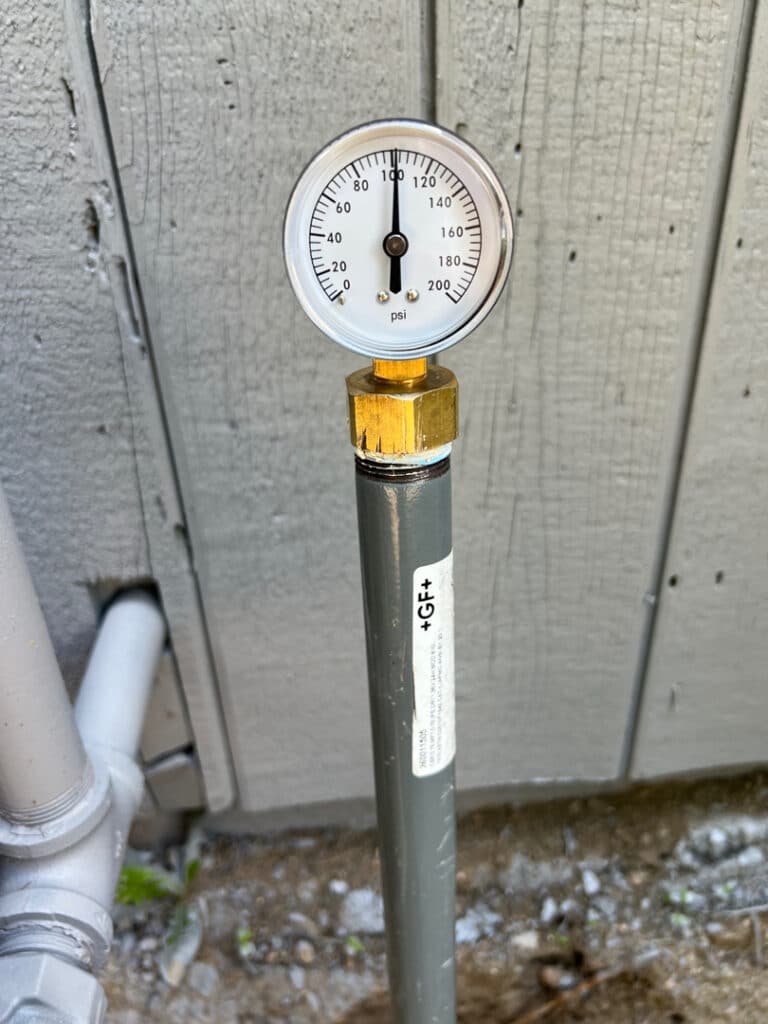
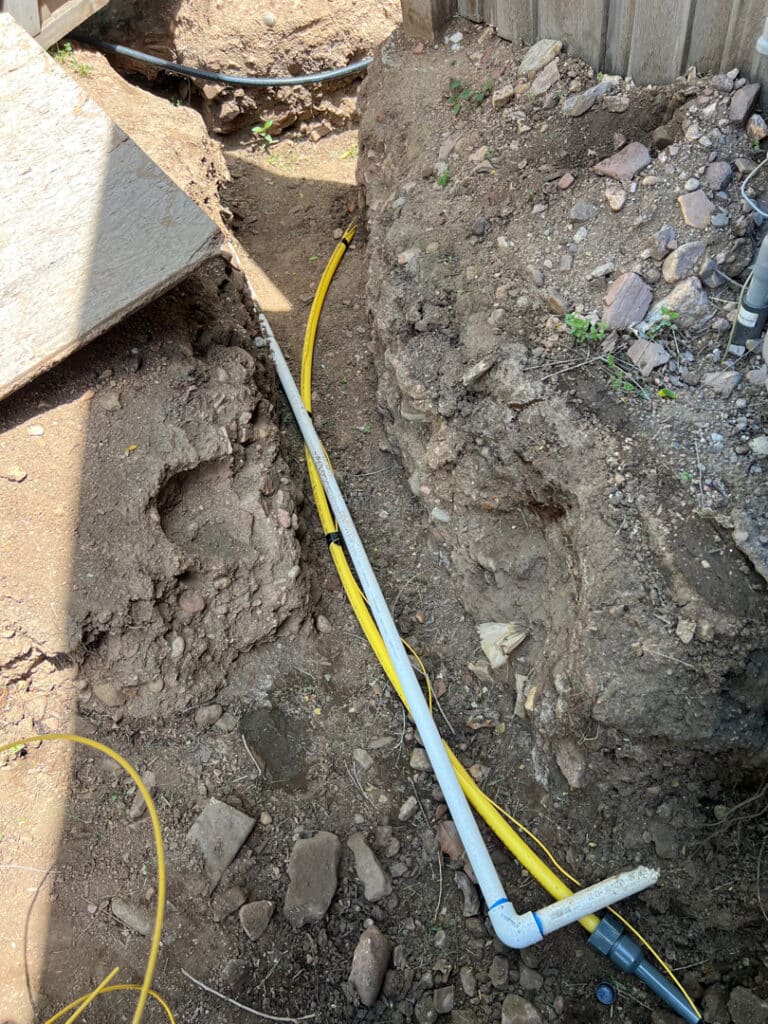
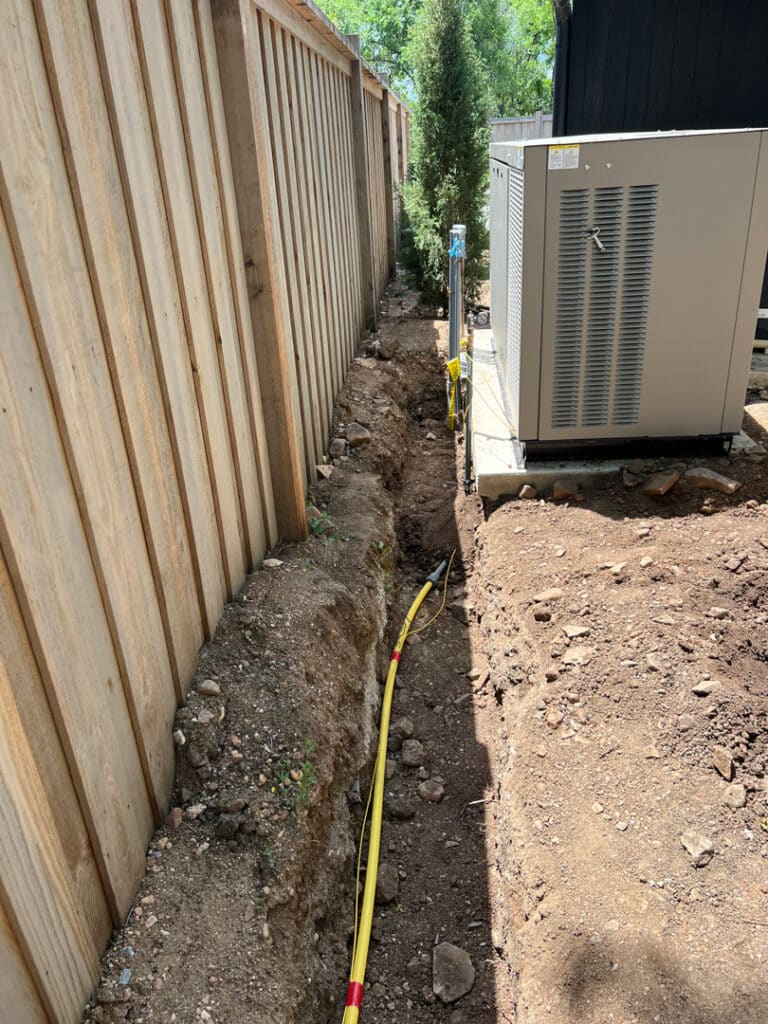
Run Gas Line to New Generator - Boulder
Problem:Deposit on gas piping to generator
Found:Start digging areas homeowner came out and said it needs to be backfilled before I put my pipe in
Fixed:While here he asked that I move gas line going to pool heater so it doesn’t hit generator door, cut and moved with 1 90
Housing Characteristics & Gas Leak Repair Considerations
Boulder's housing inventory reflects over a century of construction practices, each era bringing different gas system designs and materials. Understanding your home's vintage helps predict potential gas line vulnerabilities.
Pre-1960 Construction
Boulder's oldest neighborhoods – including Mapleton Hill, Downtown, and portions of University Hill – contain homes with original cast iron and black steel gas piping. These systems have often exceeded their intended service life.
Threaded connections may have corroded internally while appearing sound externally
Original gas valves often seize or fail to seal completely
Pipe routing may not meet current code standards for clearances and support
Multiple modifications over decades create complex systems with unknown weak points
1960-1990 Construction
Homes from this era – common in Martin Acres, Table Mesa, and North Boulder – typically feature galvanized steel or early flexible connector systems. These properties often need attention at joints and transitions.
Galvanized coatings deteriorate over 30-50 years, exposing steel to corrosion
Early flexible connectors lack the durability of modern CSST systems
Appliance connections may use outdated fitting styles prone to loosening
Post-1990 Construction
Newer Boulder developments in areas like Gunbarrel, Dakota Ridge, and recent infill projects typically use corrugated stainless steel tubing – CSST – for gas distribution. While durable, these systems have specific vulnerabilities.
CSST requires proper bonding and grounding to prevent lightning-related damage
Improper installation or subsequent modifications can compromise system integrity
Fittings require specialized tools and training for proper installation
Environmental Conditions & Gas Leak Repair Implications
Boulder's environmental conditions create ongoing stress on residential gas systems. Understanding these factors helps explain why gas leak repair needs arise and how to minimize future risks.
Climate Impacts on Gas Infrastructure
The Front Range climate subjects gas systems to conditions that accelerate wear and create leak opportunities.
Temperature extremes: Boulder's record high of 104°F and record low of -33°F represent a 137-degree range that metal piping must accommodate
Rapid temperature changes: Chinook wind events can raise temperatures 30-40 degrees in hours, causing sudden thermal expansion
Low humidity: Boulder's average relative humidity of 45% contributes to soil desiccation and ground movement around buried lines
UV exposure: High-altitude sun intensity degrades exposed flexible connectors and protective coatings faster than at sea level
Soil and Ground Conditions
Boulder County soils create specific challenges for underground gas infrastructure. The region's expansive clay soils – particularly prevalent in eastern Boulder – swell when wet and shrink when dry. This seasonal movement exerts lateral pressure on buried gas lines and can displace pipe supports over time.
Clay soil expansion can exceed 10% volume change between wet and dry conditions
Frost penetration reaches 30-36 inches in Boulder, affecting shallow gas line installations
Rocky substrates in foothill areas make proper bedding difficult during original installation
Water Quality and Corrosion Factors
While gas lines don't carry water, moisture in surrounding soil affects external corrosion rates. Boulder's water table fluctuates seasonally, and irrigation practices can saturate soil around buried gas infrastructure. Properties near Boulder Creek or its tributaries may experience higher groundwater levels that accelerate external pipe corrosion.
Natural Gas Infrastructure and Safety Statistics in Boulder
Boulder's natural gas distribution system serves approximately 45,000 residential and commercial customers through Xcel Energy's network. The utility reports responding to thousands of gas odor calls annually across its Colorado service territory, with a significant portion traced to actual leaks requiring professional repair.
Colorado's Public Utilities Commission tracks gas incident data statewide. Recent years have seen increased emphasis on pipeline replacement programs, particularly targeting vintage infrastructure in established communities like Boulder. The state's Pipeline Safety Program has identified aging distribution mains and service lines as priority concerns, especially in neighborhoods developed before modern installation standards.
Local Gas Safety Data Points
Boulder County Fire Departments respond to an average of 200+ gas-related calls annually
Xcel Energy has committed to replacing aging cast iron and bare steel mains throughout its Colorado service area
Colorado requires licensed plumbers to perform gas piping work – unlicensed repairs are illegal and void insurance coverage
The National Transportation Safety Board identifies excavation damage as the leading cause of gas distribution incidents
Indoor gas leak detection systems are now recommended by fire safety officials for homes with gas appliances
These statistics underscore why professional gas leak detection and repair matter. Boulder's combination of aging infrastructure in established neighborhoods and rapid development creating excavation risks means gas system integrity requires ongoing attention. Cardom Plumbing & Heating stays current with local utility coordination requirements and state safety regulations to provide gas leak services that protect your property and comply with all applicable codes.
Common signs of a gas leak include a faint sulfur smell, hissing sounds near gas lines, and dead or dying vegetation around your property. If you notice any of these symptoms, it’s crucial to evacuate the area and contact a professional immediately.
Professionals use specialized equipment like electronic gas detectors, thermal imaging cameras, and pressure testing tools to accurately locate gas leaks. These methods can identify gas presence at levels undetectable by human senses, ensuring a thorough assessment.
If you suspect a gas leak, evacuate everyone from the building immediately and avoid using any electrical devices, including phones. Once you are at a safe distance, call your gas company or a qualified technician to report the situation and request assistance.
The cost of gas leak repair can vary widely based on the severity of the leak and the complexity of the repair. On average, homeowners in Boulder may expect to pay between $200 and $1,500, depending on the extent of the damage and the necessary repairs.
Hiring a professional for gas leak repairs is essential for safety and accuracy. Professionals have the training and tools to diagnose and fix leaks properly, reducing the risk of dangerous situations and ensuring compliance with local regulations.
To prevent gas leaks, regularly inspect your gas appliances and lines for signs of wear or damage, and schedule routine maintenance with a qualified technician. Additionally, ensure proper ventilation and avoid placing heavy objects on gas lines.
We provide gas leak repair services throughout Boulder, including neighborhoods like Arapahoe Ridge, Dakota Ridge, and Table Mesa. Our team is equipped to handle gas issues in both residential and commercial properties across the city.