Gas leak detection in Denver is critical due to safety hazards like fire risks and carbon monoxide poisoning. The unique environmental conditions and aging infrastructure in the area necessitate professional inspections to identify and address potential leaks.
Gas leaks can be subtle, often indicated by a sulfur smell or unusual sounds near appliances.
Trained technicians utilize advanced technology for thorough inspections, including electronic detectors and pressure testing.
Understanding the local housing characteristics helps identify vulnerabilities in gas systems and ensures effective detection.
What are the dangers of gas leaks in Denver homes?
Gas leaks in Denver homes pose significant dangers, including the risk of fire, explosions, and carbon monoxide poisoning. The unique high-altitude environment can exacerbate these risks, making it essential for homeowners to address any signs of a gas leak, such as a sulfur smell near appliances.
Gas Leak Detection in Denver, CO
That faint sulfur smell near your furnace or water heater demands immediate attention. Gas leaks in Denver homes present serious safety hazards – from fire and explosion risks to carbon monoxide poisoning – and our high-altitude environment creates unique challenges for gas-burning appliances and distribution systems throughout the metro area.
Gas leak detection involves systematic inspection of all gas-carrying components in your home, including supply lines, appliance connections, shut-off valves, and meter assemblies. Professional detection goes far beyond simply sniffing for odors. Trained technicians use electronic combustible gas detectors, pressure testing equipment, and thermal imaging to identify leaks that might otherwise go unnoticed until they become dangerous.
Why Professional Detection Matters
Denver's combination of aging infrastructure, extreme temperature swings, and high-altitude combustion dynamics makes professional gas leak detection particularly valuable. Many homes in established neighborhoods like Capitol Hill, Washington Park, and Park Hill feature gas systems installed decades ago – systems that may have developed small leaks at joints, fittings, or corroded sections over time.
Electronic detection identifies leaks too small to smell but large enough to accumulate
Pressure testing reveals hidden leaks in walls, ceilings, and underground lines
Professional assessment determines whether repairs or line replacement is appropriate
Documentation provides records for insurance, real estate transactions, and safety compliance
Denver's climate subjects gas systems to remarkable stress. Winter temperatures regularly plunge below zero while summer highs exceed 95°F, creating expansion and contraction cycles that gradually loosen threaded connections and stress rigid piping. The city's semi-arid climate also means soil moisture levels fluctuate dramatically – conditions that accelerate corrosion on underground gas lines and can shift soil around buried pipes.
Many Denver homes were built during distinct construction booms – the early 1900s in neighborhoods like Five Points and Curtis Park, the post-war expansion through Lakewood and Arvada, and the 1970s-80s growth across Aurora and Centennial. Each era used different piping materials and installation methods, creating varied vulnerability patterns across the metro area.
Local Factors Affecting Gas System Integrity
Altitude-related combustion stress – Gas appliances work harder at 5,280 feet, running hotter and placing additional strain on connections
Freeze-thaw cycles – Denver averages over 150 days annually with temperatures crossing the freezing point, stressing rigid connections
Clay soil movement – Expansive soils common in many Denver neighborhoods shift seasonally, potentially disturbing underground lines
Aging infrastructure – Homes built before 1980 may have galvanized or black iron piping approaching end of service life
Seismic micro-activity – Minor ground movement along the Front Range can gradually stress buried gas lines
Dry air corrosion patterns – Low humidity accelerates certain types of metal degradation at exposed fittings
Warning Signs Denver Residents Should Monitor
Gas leaks often announce themselves through subtle indicators before becoming obvious hazards. Pay attention to these signals:
Rotten egg or sulfur odor near appliances, meters, or along gas line routes
Hissing or whistling sounds near gas connections
Dead vegetation in otherwise healthy landscaping above buried lines
Unexplained increases in gas bills without usage changes
Pilot lights that frequently extinguish
Yellow or orange furnace flames instead of steady blue
Visible corrosion, rust, or damage on exposed gas piping
Our gas leak detection process combines advanced technology with systematic inspection protocols developed specifically for Denver-area homes and their unique characteristics.
Our Detection Process
Initial safety assessment – We evaluate immediate hazard levels and ensure safe working conditions before proceeding with detailed inspection
Visual inspection – Technicians examine all visible gas piping, connections, appliance hookups, and the meter assembly for signs of corrosion, damage, or improper installation
Electronic detection sweep – Using calibrated combustible gas detectors, we scan all accessible gas lines and connection points for even trace amounts of escaping gas
Pressure testing – When appropriate, we isolate sections of the gas system and conduct pressure decay tests to identify leaks in concealed locations
Appliance connection inspection – Each gas appliance receives individual attention, including flexible connector condition, shut-off valve operation, and connection integrity
Documentation and reporting – We provide detailed findings including leak locations, severity assessments, and recommended repairs
Detection Methods and Equipment
Combustible gas analyzers – Detect gas concentrations as low as parts per million
Manometer pressure testing – Measures pressure stability over time to reveal hidden leaks
Thermal imaging – Identifies temperature anomalies that may indicate gas escape points
Ultrasonic detection – Locates leaks through sound frequencies inaudible to human ears
Communication and Follow-Up
Throughout the detection process, we keep you informed about what we're finding and what it means for your home's safety. If we identify leaks, we explain repair options clearly – including which repairs address immediate safety concerns and which represent preventive maintenance opportunities.
Why Choose Cardom Plumbing & Heating
Gas leak detection requires technicians who understand both the technical aspects of gas systems and the specific challenges Denver homes face. Cardom Plumbing & Heating brings both – our team holds current certifications in gas system inspection and repair, and we've served the Denver metro area long enough to recognize the patterns and problems common to different neighborhoods and housing eras.
Our Qualifications
Licensed and insured for gas line work throughout the Denver metro area
Technicians trained in current detection technologies and safety protocols
Ongoing education on evolving gas system materials and installation methods
Familiarity with local code requirements and utility company specifications
Response and Availability
Gas leaks don't wait for convenient timing. We maintain availability for urgent gas leak concerns because we understand that a suspected leak creates immediate anxiety and potential danger. Our dispatch process prioritizes gas-related calls, and our technicians arrive equipped with full detection capabilities – no return trips for forgotten equipment.
Quality and Accountability
Every detection service includes comprehensive documentation of our findings. We stand behind our assessments and repair recommendations, and we're happy to explain our diagnostic process and answer questions about what we've found. Our goal is your confidence in your home's gas system safety – not just completing a service call.
Housing Characteristics & Gas Leak Detection Considerations
Denver's housing stock spans more than a century of construction methods, gas system technologies, and code requirements. Understanding your home's era helps anticipate where gas leak vulnerabilities may develop.
Historic Homes (Pre-1940)
Neighborhoods like Capitol Hill, Congress Park, and portions of North Denver contain homes originally built with gas lighting systems later converted for heating and cooking. These properties often feature:
Multiple generations of gas piping – some original, some added during renovations
Black iron or galvanized steel piping that may be approaching 80-100 years of service
Irregular routing as systems were adapted over decades
Connections to appliances that have been replaced multiple times
Mid-Century Homes (1940-1970)
Post-war neighborhoods across Lakewood, Wheat Ridge, and older Aurora subdivisions typically have more standardized gas installations, but age remains a factor. Common characteristics include:
Black iron piping with threaded connections throughout
Original installations now 50-80 years old
Basement or crawlspace routing that may have been modified
Connections to furnaces and water heaters that have been replaced multiple times
Modern Construction (1980-Present)
Newer homes in areas like Highlands Ranch, Parker, and recent Denver infill projects benefit from improved materials and installation standards. However, these homes aren't immune to gas leak concerns:
Flexible appliance connectors have defined service lives
Settlement in newer construction can stress rigid connections
Builder-grade installations may use minimum-specification materials
Recent Work
Gas Leak Valve Replacement - Denver
Problem:Gas leak reported
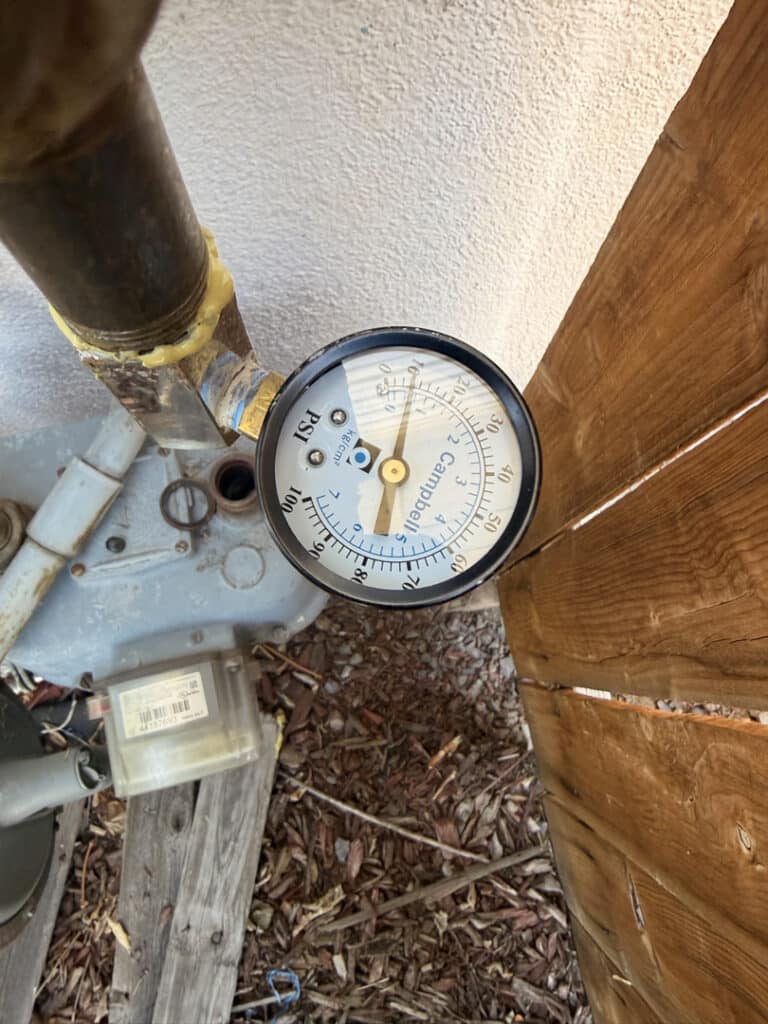
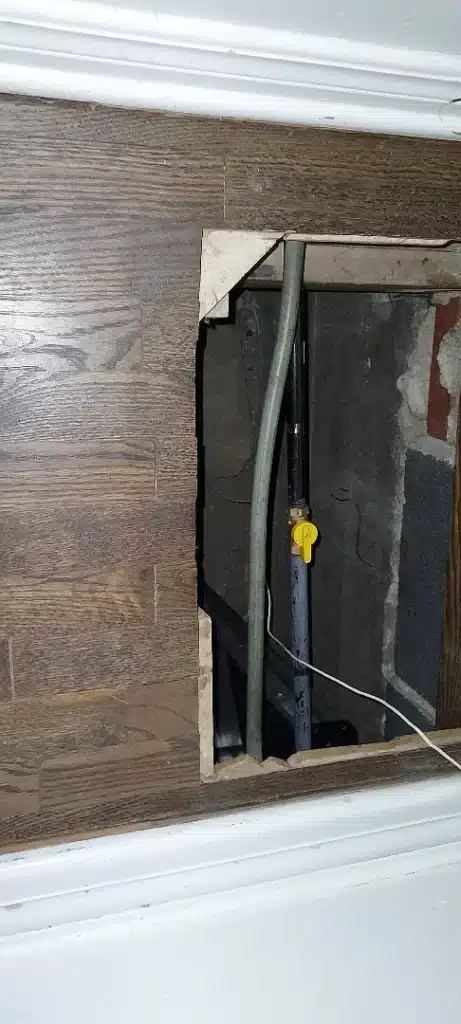
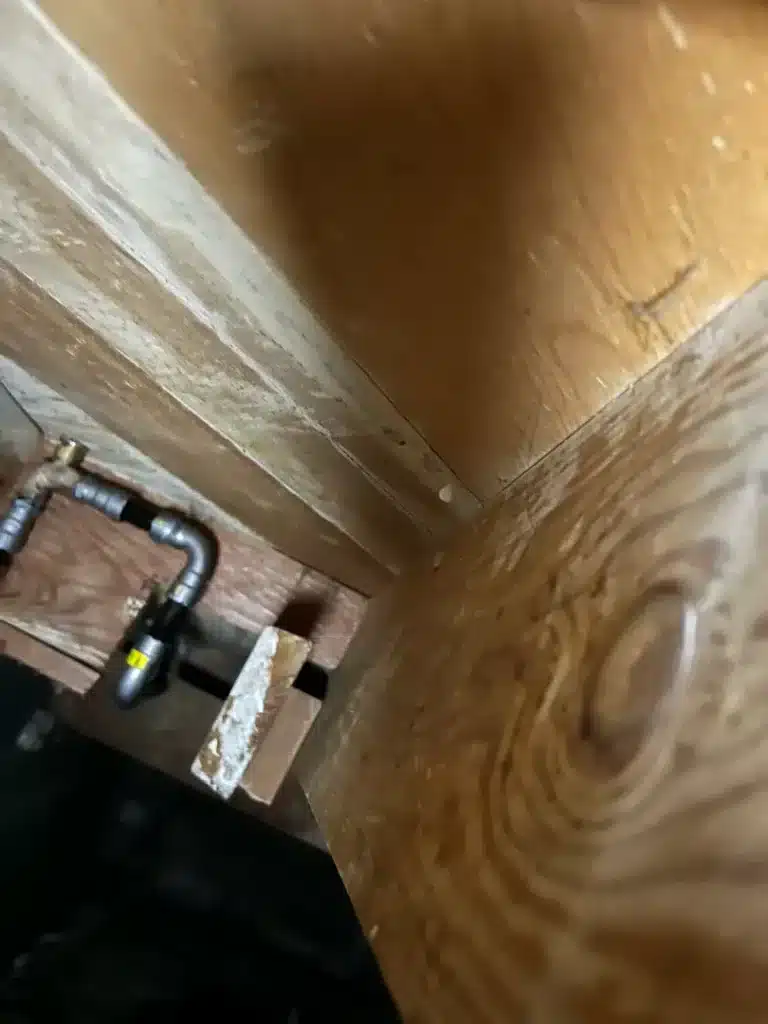
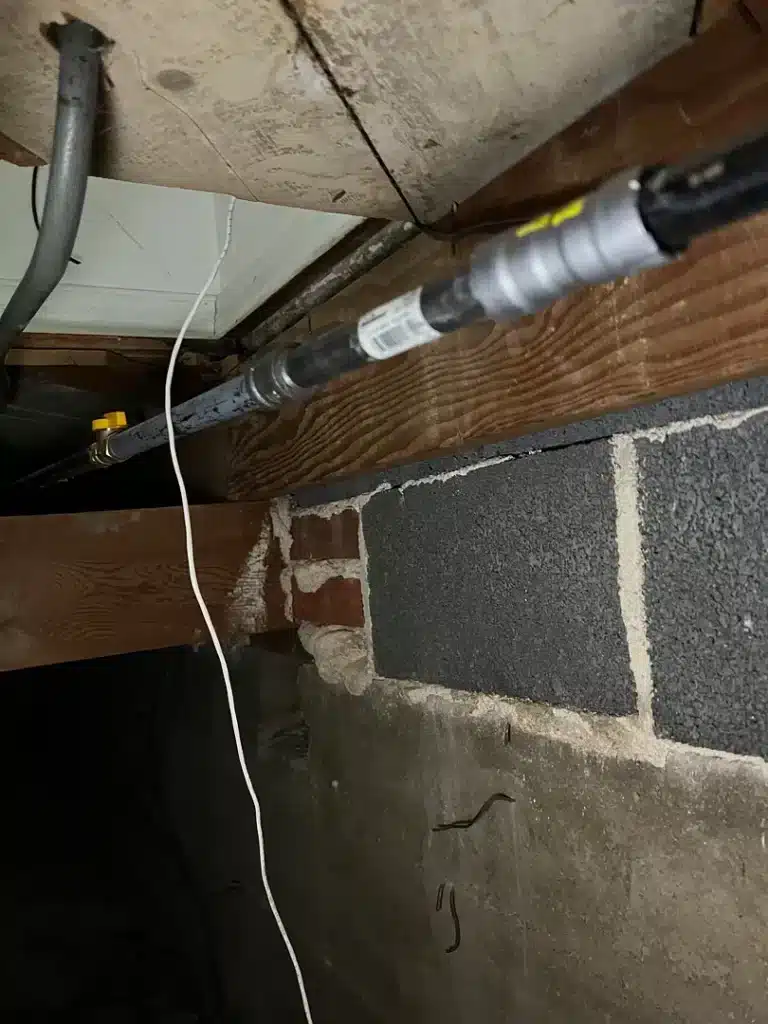
Fixed:Disconnected the meter, put a gauge on the line, removed the old valve and nipple behind the dryer, and pressure tested the line at 10 psi
Outcome:Gas line now holds pressure on the test
Replace Log Lighter Valve to Install - Denver
Problem:Log lighter valve.
Found:Old log lighter valve.
Fixed:Removed many coupling and te black union fitting on the gas supply to the fireplace. Tie in new log lighter valve. Order black flange for hte log ligher valve but it will be a few weeks before it arrives.
Environmental Conditions & Gas Leak Detection Implications
Denver's environment creates specific stresses on gas distribution systems that homeowners should understand. These factors influence both where leaks develop and how urgently they should be addressed.
Climate Impacts on Gas Systems
The Front Range climate subjects gas piping to significant thermal cycling. Metal expands and contracts with temperature changes, and Denver's dramatic daily and seasonal swings – sometimes 40-50 degrees in a single day – accelerate wear on threaded connections and rigid joints.
Winter heating season places maximum demand on gas systems when they're coldest and most contracted
Spring and fall temperature swings create the most dramatic expansion-contraction cycles
Summer heat can soften older pipe dope and thread sealants
UV exposure degrades above-ground flexible connectors over time
Soil and Underground Line Considerations
Denver-area soils vary considerably, but expansive clay is common throughout much of the metro region. These soils swell when wet and shrink when dry, creating ground movement that can stress buried gas lines.
Tree root growth can displace or damage buried lines over time
Frost penetration in severe winters reaches 30+ inches in Denver
Corrosive soil conditions vary by neighborhood and drainage patterns
Altitude and Combustion Factors
At 5,280 feet, gas appliances operate with approximately 17% less oxygen than at sea level. This affects combustion efficiency and can cause appliances to run hotter, placing additional thermal stress on nearby connections. Appliances not properly adjusted for altitude may also produce more carbon monoxide – making gas system integrity even more important for overall home safety.
Natural Gas Infrastructure and Safety Data in Denver
Denver's natural gas distribution network serves over 1.4 million customers across the Front Range, with Xcel Energy operating the primary distribution system throughout the metro area. The utility reports responding to thousands of gas odor calls annually, with the majority resulting from minor leaks at customer-owned equipment and appliances rather than utility infrastructure.
Local Gas Safety Statistics
Colorado experiences an average of 15-20 significant gas-related incidents annually requiring emergency response
Approximately 70% of residential gas leaks occur at appliance connections rather than distribution piping
Homes built before 1980 account for a disproportionate share of gas leak service calls
Winter months – November through February – see the highest volume of gas leak reports as heating systems run continuously
Infrastructure Age and Replacement Programs
Xcel Energy has ongoing programs to replace aging gas mains throughout the Denver metro area, but customer-owned piping from the meter to appliances remains the homeowner's responsibility. Much of Denver's residential gas infrastructure dates from significant building periods – the early 1900s, post-WWII expansion, and 1970s-80s suburban growth – meaning millions of feet of gas piping are now 40-100+ years old.
The Colorado Public Utilities Commission requires utilities to maintain records of leak reports and repairs, and these records show that proactive detection and repair significantly reduces emergency incidents. Homes that receive regular gas system inspections experience fewer emergency shutoffs and lower rates of serious leak events. For Denver homeowners, this data reinforces the value of professional gas leak detection – particularly for homes with aging systems or those that haven't been inspected in recent years.
Common signs of a gas leak include a faint sulfur smell, hissing sounds near gas lines, and dead or dying vegetation around the area of the leak. Additionally, if you experience headaches, dizziness, or nausea, it may indicate a gas leak, and you should evacuate immediately and call for help.
While you can look for odors or listen for hissing sounds, professional detection is more reliable. Technicians use electronic combustible gas detectors and pressure testing equipment to identify leaks that may not be noticeable to the average person.
Denver's unique high-altitude environment and extreme temperature fluctuations can stress gas systems, leading to potential leaks. Professional detection can uncover small leaks that might go unnoticed and ensure the safety of your home.
If you suspect a gas leak, immediately evacuate the area and avoid using any electrical devices, including phones. Once you are at a safe distance, call your gas company or a professional gas leak detection service for assistance.
It is recommended to have your gas lines inspected at least once every year, especially in areas with older infrastructure. Regular inspections can help identify potential issues before they become serious hazards.
Gas leaks can lead to serious safety hazards, including fire, explosions, and carbon monoxide poisoning. These risks make it essential to address any signs of a gas leak promptly and have your systems professionally inspected.
You can find gas leak detection services in Denver by searching online or asking for recommendations from local contractors. Many companies specialize in gas leak detection and can provide the necessary inspections and repairs.