Gas leak detection in Thornton, CO is essential due to the area's reliance on natural gas for heating and cooking. Identifying leaks quickly can prevent dangerous situations and costly repairs.
Residents should be aware of warning signs like sulfur smells, hissing sounds, and rising utility bills.
Our detection process uses advanced tools and methods to locate leaks throughout the entire gas system.
We provide detailed documentation of our findings and can often perform repairs during the same visit.
What are the signs of a gas leak in your home?
Signs of a gas leak in your home include a faint sulfur smell, a hissing sound that is hard to pinpoint, and an unexplained increase in your utility bill. These indicators can suggest a serious issue within your plumbing and heating systems, especially in areas where natural gas is commonly used.
Gas Leak Detection in Thornton, CO
That faint sulfur smell near your furnace. A hissing sound you can't quite locate. An unexplained spike in your utility bill. These subtle warning signs often signal something far more serious – a gas leak somewhere in your home's plumbing and heating infrastructure. In Thornton's climate, where natural gas powers most residential heating systems, water heaters, and cooking appliances, the ability to quickly identify and locate gas leaks can mean the difference between a simple repair and a dangerous situation.
Gas leak detection involves specialized diagnostic procedures to identify escaping natural gas or propane within your home's fuel delivery system. This includes examining gas supply lines, appliance connections, meter assemblies, underground service lines, and the joints and fittings throughout your heating system. Professional detection goes far beyond simply sniffing for mercaptan – that distinctive rotten-egg odor added to natural gas – and employs precision instruments capable of identifying leaks too small for human senses to perceive.
Thornton's housing stock presents unique gas safety considerations. Homes built during the city's rapid expansion in the 1980s and 1990s may have aging flexible gas connectors or corroded iron piping approaching the end of their service life. The region's semi-arid climate with dramatic temperature swings causes expansion and contraction stress on pipe joints and fittings throughout the year.
Electronic detection equipment identifies gas concentrations as low as 1 part per million
Pressure testing isolates specific sections of your gas system to pinpoint leak locations
Thermal imaging reveals temperature anomalies indicating underground or concealed leaks
Comprehensive inspection documents the condition of all accessible gas connections and appliances
Cardom Plumbing & Heating provides Gas Leak Detection services in all neighborhoods of Thornton including Amber Creek, Burgundy, Eastlake, Fox Run, Holiday Hills Village, Lambertson Lakes, Loma Linda Estates, Marshall Lake, North Hills, Original Thornton, Pine Lakes Ranch, Quebec Highlands, The Grove at Alta Ridge, Wind Dance, Woodland Hills, and York Highlands.
Thornton sits at an elevation of approximately 5,350 feet, where thinner air and lower atmospheric pressure create different combustion dynamics than sea-level communities. Gas appliances must be properly calibrated for altitude, and connections experience different stress patterns than those in lower elevations. Many homes in established Thornton neighborhoods still operate with original gas infrastructure installed decades ago.
The Front Range's clay-heavy soils expand significantly when wet and contract during dry periods. This soil movement places continuous stress on underground gas service lines running from the street to your home. Homes in neighborhoods like Eastlake, North Creek Farms, and the original Thornton subdivisions near 88th Avenue often have galvanized or black iron piping that corrodes over time, particularly at threaded connections where protective coatings may have been compromised during installation.
Local Factors Contributing to Gas Leak Risk
Temperature extremes – Thornton experiences temperature swings of 40+ degrees in a single day, causing metal fittings to expand and contract repeatedly
Aging infrastructure – Homes built during Thornton's 1970s-1990s growth boom now have 30-50 year old gas piping
Our detection process combines advanced instrumentation with systematic inspection protocols developed specifically for Thornton-area homes. We don't simply check the obvious locations – we examine your entire gas distribution system from the meter to every connected appliance.
Our Step-by-Step Detection Process
Initial safety assessment – We evaluate immediate hazard levels using combustible gas indicators before entering confined spaces or operating equipment
System documentation – We map your home's gas infrastructure, noting pipe materials, connection types, appliance locations, and any previous repairs
Electronic sweep – Using calibrated gas detectors, we scan all accessible piping, fittings, valves, and appliance connections throughout your home
Pressure testing – We isolate sections of your gas system and monitor for pressure decay, which reveals leaks too small for electronic detection
Appliance inspection – We examine each gas-burning appliance for proper operation, adequate ventilation, and secure connections
Underground line assessment – When indicators suggest buried line issues, we use specialized equipment to trace and evaluate service lines
Findings report – We provide detailed documentation of all discoveries, including photographs and specific repair recommendations
Detection Methods and Equipment
Combustible gas analyzers – Measure gas concentrations in parts per million for precise leak quantification
Ultrasonic leak detectors – Identify the high-frequency sound of escaping gas through walls and underground
Manometer pressure testing – Monitors system pressure over time to reveal even microscopic leaks
Infrared cameras – Detect temperature variations indicating gas escape points
Soap solution testing – Confirms specific leak locations identified by electronic equipment
Communication Throughout the Process
We explain our findings as we work, showing you exactly what we discover and why it matters. If we identify a leak, we'll discuss repair options immediately – including temporary safety measures if the situation requires prompt action. You'll receive a written summary of our inspection with clear next-step recommendations.
Recent Work
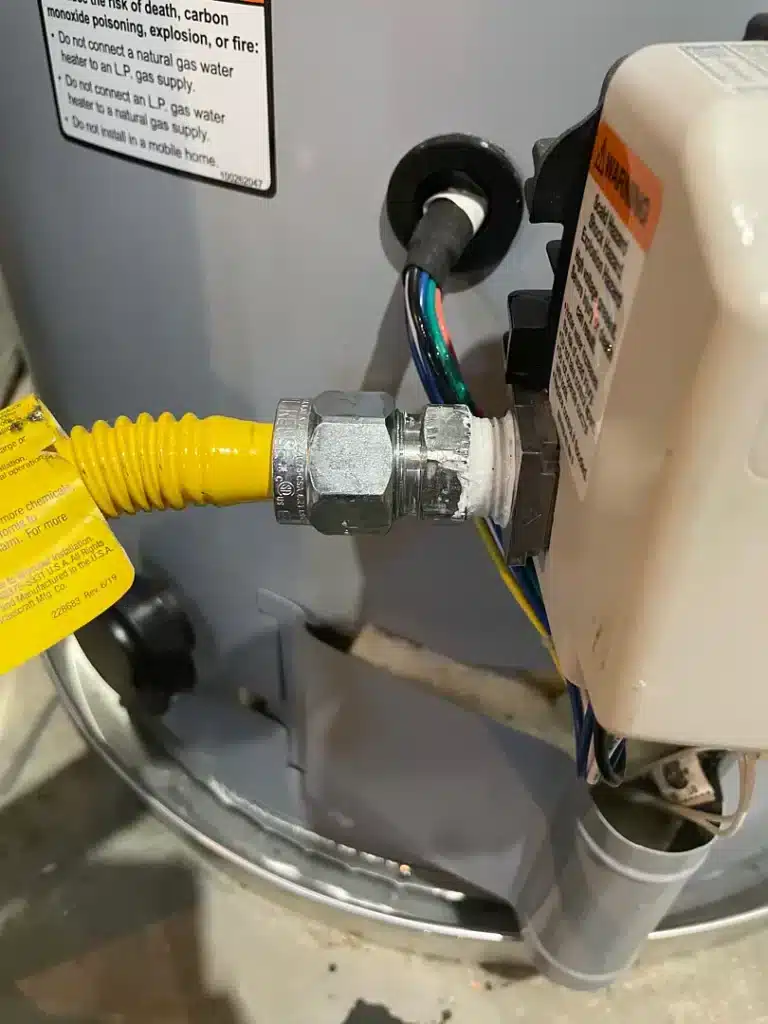
Repair Gas Leak at Water Heater - Thornton
Problem:Find and repair gas leak at water heater.
Found:Found small leak on gas flex connector.
Fixed:Turned off gas and disconnected i/2 union fitting. Applied pipe dope and tightened fitting. Turned on gas and tested all joints
Outcome:Tested and no leak.
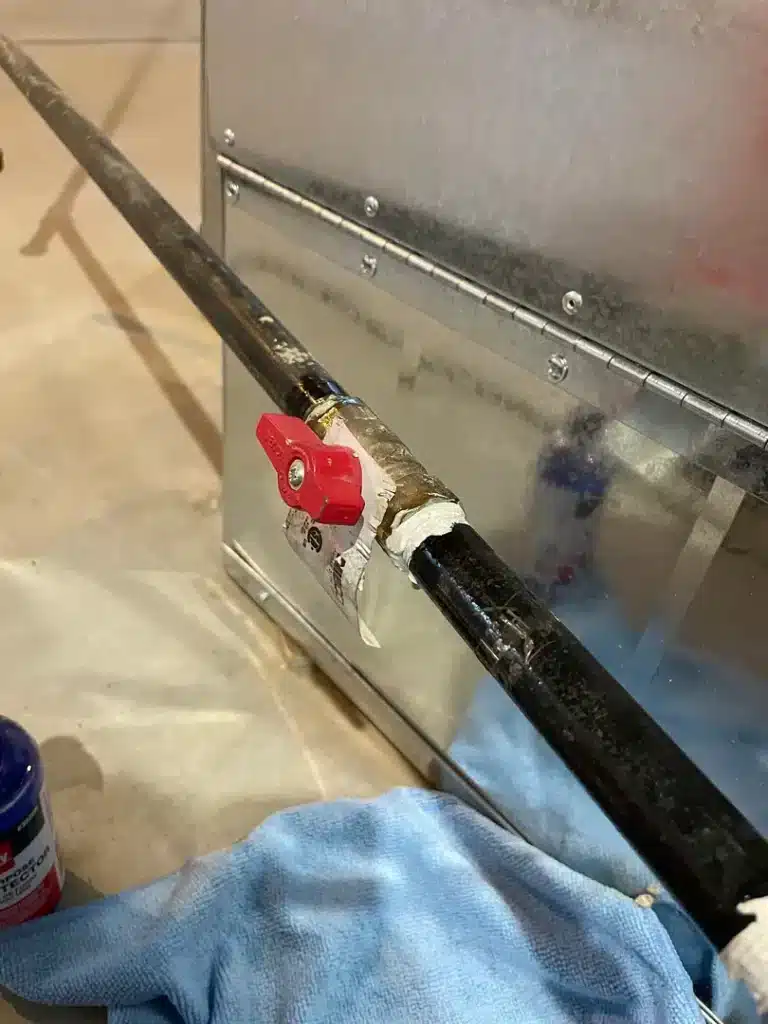
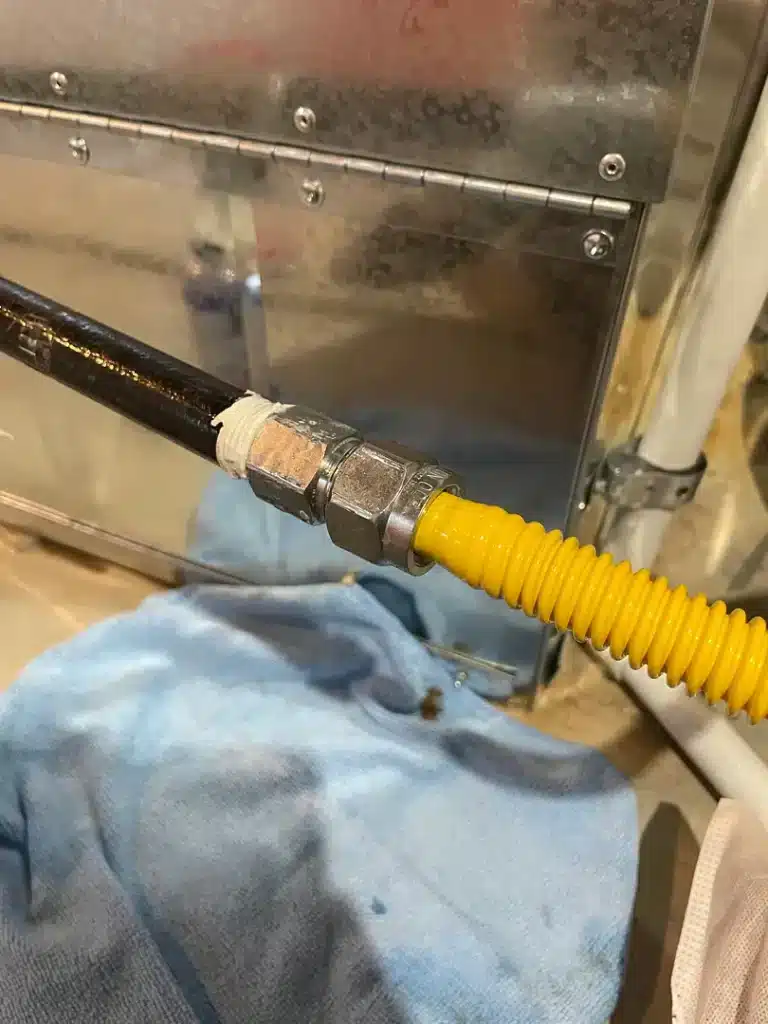
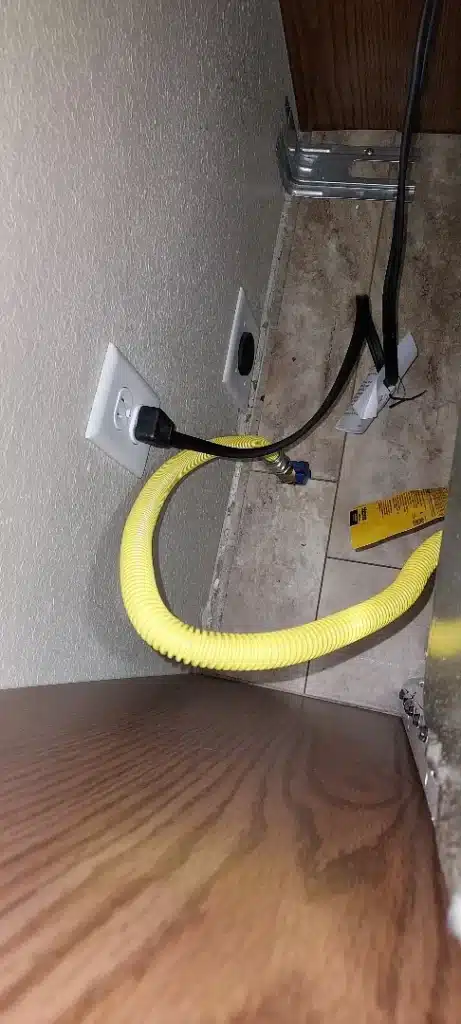
Hook up gas to new stove - Thornton
Problem:Gas to new stove.
Found:Replaced existing gas cock.
Fixed:Replace gas valve with new. Installed. Installed flexible gas supply provided by Arvada Appliance.
Outcome:Tested for function and gas leaks.
Why Choose Cardom Plumbing & Heating
Gas leak detection demands more than basic plumbing knowledge. It requires specialized training, precision equipment, and experience with the specific gas infrastructure common to Thornton homes. Our technicians hold certifications in gas system diagnostics and maintain current training on detection technologies and safety protocols.
We've served the Thornton community long enough to recognize patterns in local gas system failures. We know which pipe materials were commonly installed during different construction periods, which fittings tend to fail first, and how Thornton's environmental conditions accelerate certain types of deterioration. This local knowledge allows us to focus our inspection efforts efficiently.
What Sets Our Service Apart
24/7 emergency response – Gas leaks don't wait for business hours, and neither do we
Licensed gas fitters – Our technicians meet all state and local certification requirements for gas system work
Comprehensive documentation – We provide detailed reports suitable for insurance claims or real estate transactions
Repair capability – When we find a leak, we can often complete repairs during the same visit
Xcel Energy coordination – We communicate directly with the utility when service line issues require their involvement
Our approach prioritizes your safety above all else. If we identify an immediate hazard, we'll take appropriate protective action before discussing repair options. We coordinate with local fire departments and utility emergency services when situations demand it.
Housing Characteristics & Gas Leak Detection Considerations
Thornton's residential development occurred in distinct phases, each bringing different construction practices and gas system materials. Understanding your home's era helps predict potential gas leak vulnerabilities.
Construction Periods and Gas System Characteristics
Pre-1970 homes – Often feature black iron gas piping with threaded connections throughout; these systems may have decades of corrosion at joints and require comprehensive inspection
1970s-1980s construction – Commonly used flexible gas connectors that have since been recalled or identified as failure-prone; many homes still contain these components
1990s-2000s development – Introduced corrugated stainless steel tubing (CSST) which requires proper bonding to prevent lightning-related damage
Recent construction – Generally features modern materials and code-compliant installation, but quality varies with builder practices
Neighborhood-Specific Considerations
Thornton's older neighborhoods near the original town center – particularly areas between 84th and 92nd Avenues – contain some of the community's oldest gas infrastructure. These homes often have galvanized water lines and black iron gas piping that share similar corrosion characteristics. Eastlake and North Creek Farms developments from the 1980s and 1990s frequently feature builder-grade gas connections that may not have received maintenance attention since original installation.
Newer developments in the Thorncreek and Hunters Glen areas generally have more modern gas systems, but rapid construction during boom periods sometimes resulted in rushed installation practices. Even relatively new homes benefit from periodic gas system inspection, particularly at appliance connections and meter assemblies where settling can stress fittings.
Basement and Crawl Space Factors
Unfinished basements allow visual inspection of most gas piping but may accumulate gas in enclosed areas
Environmental Conditions & Gas Leak Detection Implications
Thornton's position along Colorado's Front Range creates environmental conditions that directly impact gas system integrity and leak detection requirements.
Climate Effects on Gas Infrastructure
Winter temperatures in Thornton regularly drop below freezing, with cold snaps pushing readings well below zero. These conditions cause metal gas piping to contract, potentially loosening threaded connections that were secure during warmer months. When temperatures rise rapidly – sometimes 50 degrees in a single day – the expansion stress reverses. This thermal cycling occurs dozens of times each heating season, gradually working fittings loose.
Freeze-thaw cycles – Ground movement from frost heave stresses underground gas service lines
Low humidity – Dry conditions accelerate corrosion on exposed metal fittings
Wind exposure – Exterior meter assemblies and above-ground piping face constant wind stress
Altitude effects – Lower atmospheric pressure at 5,350 feet affects gas pressure differentials and leak behavior
Soil and Drainage Considerations
Thornton's soil composition includes significant clay content that expands when wet and contracts during dry periods. This soil movement creates ongoing stress on underground gas lines running from street mains to home meters. Homes in areas with high water tables or poor drainage face additional corrosion risk on buried metallic piping.
Water Quality and Related Gas System Impacts
While water quality doesn't directly affect gas piping, Thornton's moderately hard water creates mineral buildup in water heaters. This sediment accumulation can mask early signs of gas connection deterioration around water heater installations. Additionally, homes with water softeners often have gas lines routed through utility areas where moisture levels fluctuate – accelerating corrosion on exposed fittings.
Water heater gas connections require regular inspection due to proximity to moisture and heat
Utility room environments with laundry equipment create humidity exposure for nearby gas lines
Condensate drainage from high-efficiency furnaces can corrode adjacent gas piping over time
Natural Gas Infrastructure and Usage Statistics in Thornton
Thornton residents rely heavily on natural gas for residential heating, water heating, and cooking. Xcel Energy serves as the primary natural gas provider for the community, delivering fuel through an extensive distribution network that includes both aging infrastructure in established neighborhoods and newer installations in developing areas.
Local Gas Usage Patterns
Colorado's residential natural gas consumption ranks among the highest in the nation due to heating demands during extended winter seasons. Adams County – where Thornton is located – reports thousands of residential gas service connections, with the vast majority serving single-family homes built during the community's decades of rapid growth.
Average Thornton homes use significantly more natural gas during November through March heating season
Gas-powered furnaces remain the dominant heating source in over 80% of local residences
Water heater connections represent one of the most common gas leak locations in residential settings
Older neighborhoods may have cast iron or steel distribution mains requiring ongoing utility monitoring
Emergency Response Data
The Thornton Fire Department responds to gas-related calls throughout the year, with incidents increasing during heating season when furnaces operate continuously and homeowners first notice odors after summer dormancy. Xcel Energy's emergency response teams maintain active presence in the Thornton area, addressing reports of outdoor gas odors and coordinating with local plumbing professionals on interior leak situations.
Why This Data Matters for Your Home
The combination of aging infrastructure, heavy heating-season usage, and Thornton's environmental conditions creates ongoing gas leak risk that warrants regular professional inspection. Homes approaching 20-30 years of age – representing a significant portion of Thornton's housing stock – reach the point where original gas fittings and connections may begin failing. Proactive detection identifies developing problems before they become safety hazards or result in significant gas loss.
Annual gas system inspection recommended for homes over 20 years old
Immediate professional evaluation warranted whenever gas odors are detected
Real estate transactions should include comprehensive gas system assessment
Post-earthquake or construction activity inspection protects against vibration-induced leaks
Common signs of a gas leak include a faint sulfur smell, hissing sounds near gas lines, and an unexplained increase in your utility bill. If you notice any of these symptoms, it’s important to act quickly and have a professional inspect your home.
Gas leak detection involves specialized diagnostic procedures to identify escaping natural gas or propane. Professionals use precision instruments to detect gas concentrations, inspect gas supply lines, and examine appliance connections to locate leaks that may not be detectable by smell alone.
Hiring a professional ensures that the detection process is thorough and safe. Professionals have the right tools and expertise to identify even small leaks, which can prevent dangerous situations and costly repairs down the line.
Gas leak detection services are available throughout Thornton, CO. Many local plumbing and heating companies offer specialized services to identify and repair gas leaks in residential properties.
If you suspect a gas leak, evacuate the area immediately and avoid using any electrical devices or open flames. Once you are at a safe distance, contact a professional gas leak detection service to assess the situation.
It is recommended to have your gas lines inspected at least once a year, especially if your home has older infrastructure. Regular inspections can help identify potential issues before they become serious problems.
Gas leaks can be caused by various factors, including aging pipes, corroded connectors, improper installation, and environmental stress from temperature changes. In Thornton, homes built during the rapid expansion may have older gas infrastructure that requires careful monitoring.