Gas leak detection in Louisville, CO is essential due to the area's aging infrastructure and unique pressure dynamics. Professional services systematically inspect gas systems to identify leaks that may not be immediately apparent, ensuring safety for residents.
Gas leaks pose serious safety risks, often going unnoticed until they accumulate in enclosed spaces. Professional technicians use advanced equipment to detect even minimal leaks that are invisible to the naked eye.
Louisville's specific environmental factors, such as clay soil movement and elevation pressure variations, complicate gas system integrity, necessitating expert detection services.
Common signs of gas leaks include unusual smells, hissing sounds, and unexplained increases in energy bills, which residents should monitor closely for safety.
What is gas leak detection in Louisville, CO?
Gas leak detection in Louisville, CO involves identifying and addressing gas leaks in homes and businesses, which pose significant safety risks. Due to the area's aging infrastructure and pressure variations, professional detection services are essential for ensuring safety and preventing potential hazards associated with gas leaks.
Gas Leak Detection in Louisville, CO
That faint sulfur smell near your furnace or the unexplained hissing sound behind your kitchen wall – these moments demand immediate attention. Gas leaks in residential and commercial properties represent one of the most serious safety hazards homeowners face, and Louisville's unique combination of aging infrastructure and elevation-related pressure variations makes professional detection services particularly valuable for local residents.
Gas leak detection involves systematic inspection of your entire gas distribution system – from the meter connection through supply lines, appliance connections, and venting systems. Professional technicians use specialized equipment to identify leaks that may be invisible to the naked eye and undetectable by smell alone, since natural gas odorant can fade in certain soil conditions or dissipate through building materials.
Why Professional Detection Matters
Many Louisville homeowners assume they would immediately notice a gas leak. The reality proves more complex. Small leaks can persist for months, accumulating in enclosed spaces or migrating through foundation cracks without triggering obvious warning signs.
Electronic detection equipment identifies gas concentrations as low as 5 parts per million – far below human detection thresholds
Pressure testing reveals leaks in buried lines and concealed piping that visual inspection cannot access
Professional assessment distinguishes between active leaks and residual gas from previous incidents
Systematic inspection covers connection points, flex lines, and appliance manifolds where failures commonly occur
Louisville's position at approximately 5,300 feet elevation creates specific pressure dynamics within gas distribution systems. Combined with the area's clay-heavy soils that shift seasonally and housing stock spanning multiple construction eras, local properties face detection challenges that require experienced, properly equipped technicians.
Cardom Plumbing & Heating provides Gas Leak Detection services in all neighborhoods of Louisville including Balfour, Centennial Heights, Cherrywood II, Eagle Place, Paragon Estates, Parco Dello Zingaro, Steel Ranch Subdivision, and Waneka Landing.
Louisville's Front Range location subjects gas systems to temperature swings that stress pipe connections and fittings throughout the year. Winter nights dropping below zero followed by fifty-degree afternoon temperatures create expansion and contraction cycles that gradually loosen threaded connections and stress soldered joints. These thermal movements affect both indoor and outdoor gas infrastructure.
The community's development history adds another layer of complexity. Homes built during Louisville's coal mining era through the 1950s often feature original gas piping that has exceeded its expected service life. Properties from the 1970s and 1980s may contain brass fittings now known to be susceptible to stress corrosion cracking. Even newer construction in developments like Steel Ranch or Centennial face potential issues from settling foundations affecting underground service lines.
Local Factors Affecting Gas System Integrity
Clay soil movement – Louisville's expansive clay soils shift dramatically between wet and dry seasons, placing stress on buried gas lines and service connections
Elevation pressure variations – Higher altitude affects gas pressure regulation and can mask small leaks that would be more apparent at sea level
Historic district considerations – Downtown Louisville's older buildings may have gas systems modified multiple times over decades, creating complex piping configurations
Seismic micro-activity – Minor ground movement along the Front Range can gradually stress rigid pipe connections
Freeze-thaw cycling – Underground lines experience repeated ground movement from seasonal frost penetration
Appliance turnover – Homeowners replacing furnaces, water heaters, or ranges may have connections made by varying skill levels over time
Warning Signs Louisville Residents Should Monitor
Gas leaks often announce themselves through subtle indicators that homeowners dismiss or attribute to other causes. Dead vegetation in a line pattern across your yard may indicate an underground leak. A persistent sulfur or rotten egg smell – even intermittently – warrants investigation. Unexplained increases in your Xcel Energy bill can signal gas escaping before it reaches your appliances.
Hissing or whistling sounds near gas appliances or piping
Visible corrosion, rust, or damage on exposed gas lines
Pilot lights that repeatedly extinguish
Physical symptoms like headaches, dizziness, or nausea when home
Our gas leak detection process combines advanced technology with systematic inspection protocols developed specifically for Louisville-area properties. We understand local construction patterns, common failure points, and the environmental factors that affect gas system integrity in this community.
Our Detection Process
Initial consultation and safety assessment – We gather information about your concerns, property history, and any symptoms you've observed while evaluating immediate safety conditions
Visual inspection of accessible components – Our technicians examine exposed piping, connections, appliance hookups, and meter assemblies for visible damage or deterioration
Electronic detection sweep – Using combustible gas detectors, we systematically scan all accessible gas infrastructure, including areas where leaks commonly migrate
Pressure testing when indicated – For suspected leaks in concealed or buried lines, we isolate system sections and conduct pressure decay tests to pinpoint problem areas
Leak source identification – Once detected, we precisely locate the leak origin using trace gas methods and acoustic detection equipment
Documentation and repair planning – We provide detailed findings with photographs, location mapping, and clear repair recommendations
Detection Methods and Technology
Combustible gas indicators – Electronic sensors detecting methane and propane at concentrations far below explosive limits
Ultrasonic leak detectors – Equipment that identifies the high-frequency sound of gas escaping under pressure
Infrared cameras – Thermal imaging that can reveal temperature differentials caused by gas expansion at leak points
Soap solution testing – Traditional bubble testing for confirming suspected leak locations at accessible fittings
Manometer pressure testing – Precise measurement of pressure decay over time to identify even minimal leaks
Communication and Follow-Through
Throughout the detection process, we keep you informed about what we're finding and what it means for your property's safety. If we identify a leak requiring immediate attention, we explain your options clearly – including temporary safety measures while permanent repairs are scheduled. Our technicians document everything and provide written reports you can reference or share with insurance providers.
Why Choose Cardom Plumbing & Heating
Gas leak detection requires more than equipment – it demands technicians who understand how gas systems behave in Louisville's specific conditions. Our team brings extensive experience with local construction methods, soil conditions, and the particular challenges that Front Range properties present. We've inspected homes throughout Louisville's historic downtown, newer developments near Coal Creek, and everything in between.
Qualifications That Matter
Our technicians hold current certifications for gas system work and maintain ongoing training on detection technology and safety protocols. We carry appropriate licensing for gas work in Boulder County and maintain insurance coverage that protects both our team and your property. When you call for detection services, you're getting qualified professionals – not general handymen with a gas sniffer.
Licensed gas fitters with specific training in leak detection methodology
Ongoing equipment calibration and maintenance ensuring accurate readings
Background-checked technicians you can trust in your home
Clear communication without unnecessary technical jargon
Local Presence and Response
Operating in the Louisville area means we can respond promptly when you suspect a gas leak. We understand that these situations create anxiety, and waiting days for an appointment isn't acceptable when safety is potentially compromised. Our scheduling prioritizes suspected gas leak calls, and our familiarity with Louisville neighborhoods means efficient routing to your property.
After detection, we don't disappear. If repairs are needed, we can often complete them during the same visit or schedule follow-up work promptly. We stand behind our detection accuracy and repair quality with clear guarantees, and we're available for questions that arise after service completion.
Housing Characteristics & Gas Leak Detection Considerations
Louisville's housing stock reflects over a century of development, creating diverse gas system configurations across the community. Properties near downtown – some dating to the 1880s and 1890s – may have gas systems that have been modified, extended, and partially updated multiple times. These layered modifications can create complex piping arrangements where original materials connect to newer additions through various fitting types.
Construction Era Considerations
Pre-1950s homes – Often feature black iron piping with threaded connections susceptible to corrosion and joint deterioration after decades of service
1950s-1970s construction – May contain brass fittings and early flexible connectors now recognized as failure-prone
1980s-1990s developments – Typically use CSST (corrugated stainless steel tubing) that requires proper bonding to prevent lightning-related damage
2000s and newer homes – Generally feature modern materials and connections, though settling in newer subdivisions can stress buried lines
Foundation and Structural Factors
Many Louisville homes sit on foundations that have experienced some degree of movement due to the area's expansive soils. This movement – even when minor – can stress rigid gas piping and connections. Homes with basement gas appliances may have service lines that pass through foundation walls, creating potential stress points where ground movement meets rigid structure.
Crawl space installations present additional detection challenges. Limited access, moisture accumulation, and occasional pest activity can all affect gas line integrity in ways that aren't visible from living spaces. Properties with additions or remodels may have gas lines routed through multiple structural zones, each with different movement characteristics.
Slab-on-grade foundations may have gas lines embedded in or beneath concrete
Pier and beam construction allows access but exposes piping to temperature extremes
Split-level homes often have complex routing through multiple foundation types
Attached garages with gas appliances require specific detection attention at firewall penetrations
Environmental Conditions & Gas Leak Detection Implications
Louisville's semi-arid climate and Front Range geography create environmental conditions that directly affect gas system integrity and detection requirements. Understanding these factors helps explain why professional detection services prove particularly valuable for local properties.
Soil and Ground Conditions
The clay-dominant soils throughout much of Louisville undergo significant volume changes between wet and dry periods. During extended dry spells – common in late summer and early fall – soil shrinkage can pull away from buried gas lines, creating voids where leaking gas can migrate laterally rather than rising directly to the surface. This migration complicates detection and can cause gas to accumulate in unexpected locations, including beneath foundations or in utility trenches.
Expansive clay creates ground movement that stresses buried service lines
Soil shrinkage during drought conditions allows gas migration along unexpected paths
Rocky substrata in some areas can damage protective pipe coatings during installation
High water table periods – particularly during spring snowmelt – can affect underground line integrity
Climate Impacts on Gas Systems
Louisville experiences temperature ranges from below zero to above 100 degrees Fahrenheit annually. This 100-plus degree swing subjects gas piping and connections to repeated thermal expansion and contraction cycles. Metal components expand in summer heat and contract during winter cold, gradually working threaded connections loose and stressing soldered or welded joints.
The area's low humidity – particularly during winter months – can accelerate corrosion on certain pipe materials and fittings. Combined with occasional high winds that can damage exterior meter assemblies and vent terminations, Louisville's climate creates ongoing stress on gas infrastructure that warrants periodic professional inspection.
Elevation Effects
Lower atmospheric pressure at 5,300 feet affects gas pressure regulation and appliance combustion
Reduced oxygen concentration requires specific appliance adjustments that affect system pressure
Altitude-related pressure differentials can influence how quickly gas disperses from leak points
Natural gas odorant may dissipate differently at elevation, potentially reducing detection by smell
Recent Work
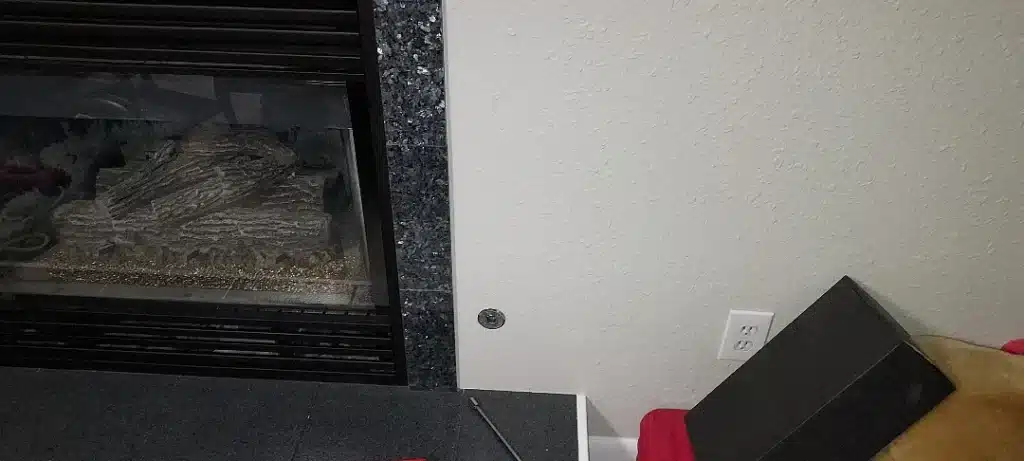
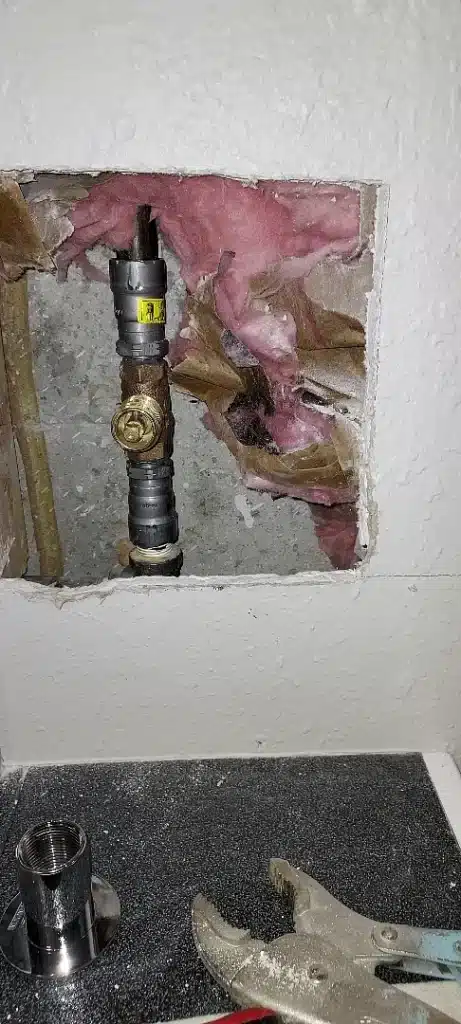
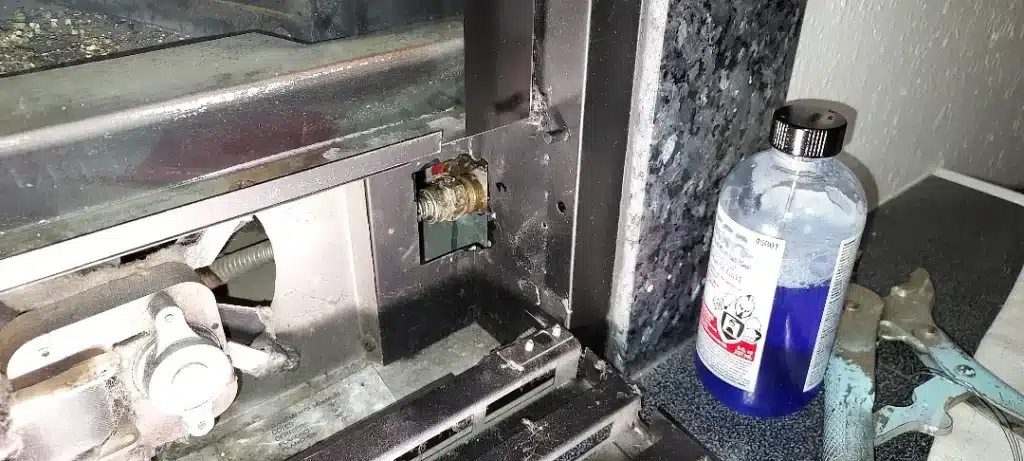
Log Lighter Valve is Leaking - Louisville
Problem:Gas valve to fireplace is leaking
Found:Old valve
Fixed:Installed the new valve. Turned on gas to test for leaks.
Outcome:No lean and working properly
Natural Gas Infrastructure and Safety Data in Louisville
Louisville residents receive natural gas service primarily through Xcel Energy, which maintains an extensive distribution network throughout Boulder County. The local infrastructure includes a mix of pipeline ages and materials, with some segments dating to Louisville's mid-twentieth century growth period and others installed during more recent development phases. Understanding this infrastructure context helps explain why proactive leak detection matters for local property owners.
Regional Safety Statistics and Trends
Colorado consistently ranks among states with higher natural gas usage per capita due to heating demands created by cold winters and high-altitude conditions. According to data from the Pipeline and Hazardous Materials Safety Administration, Colorado experiences dozens of reportable gas distribution incidents annually, with excavation damage and material failures representing leading causes.
Boulder County processes multiple gas leak reports monthly through emergency services
Excavation damage – from construction, landscaping, and utility work – causes approximately 30% of distribution system incidents statewide
Corrosion and material degradation account for a significant portion of service line failures
Indoor gas leaks from appliance connections and interior piping represent a substantial percentage of residential incidents
Local Infrastructure Considerations
Louisville's growth patterns have created a patchwork of gas infrastructure ages throughout the community. Areas developed before 1970 may have service lines and interior piping approaching or exceeding fifty years of service. While properly installed and maintained gas systems can function safely for decades, aging infrastructure benefits from periodic professional inspection to identify developing problems before they become safety hazards.
The community's ongoing development – including infill projects in established neighborhoods and new construction in expanding areas – creates excavation activity that can affect existing gas infrastructure. Even work on neighboring properties can potentially damage your gas service line if proper location protocols aren't followed. Professional detection services provide peace of mind after nearby construction or excavation activity.
Common signs of a gas leak include a faint sulfur smell, hissing sounds near gas lines, dead vegetation around gas lines, and an increase in your gas bill without explanation. If you notice any of these signs, it's important to act quickly and seek professional help.
Gas leak detection involves a thorough inspection of your gas distribution system using specialized equipment. Technicians check for gas concentrations, perform pressure tests, and inspect connection points and piping to identify any leaks that may not be visible or detectable by smell alone.
Hiring a professional is crucial because they have the training and equipment to detect even small leaks that may go unnoticed. They can also perform pressure tests and assess areas that are difficult to access, ensuring a comprehensive evaluation of your gas system.
You can find gas leak detection services in Louisville by searching online for local plumbing and heating companies. Many businesses specialize in gas leak detection and can provide prompt service to ensure your safety.
It's recommended to have your gas lines inspected at least once a year, especially if your home has older infrastructure. Regular inspections can help catch potential issues before they become serious hazards.
If you suspect a gas leak, evacuate the area immediately and avoid using any electrical devices or open flames. Once you are at a safe distance, call your gas company or a professional gas leak detection service for assistance.
Yes, gas leaks can occur in new homes due to improper installation, shifting soil, or material defects. It's important to have regular inspections even in newer properties to ensure the safety of your gas system.