

Cardom Plumbing & Heating offers specialized gas plumbing services in Louisville, CO, addressing unique challenges posed by the area's high altitude and diverse housing stock. Their expert technicians ensure safe and efficient gas line installations, repairs, and maintenance tailored to local conditions.
- They identify gas line issues through systematic inspections and advanced diagnostic technology. Their services include pressure testing and combustion analysis to prevent safety hazards. Local expertise allows for quicker diagnoses and effective solutions tailored to Louisville's varied housing characteristics.
- Gas Plumber Services in Louisville, CO A faint sulfur smell near your water heater.
- A pilot light that refuses to stay lit.
Signs of gas line issues in Louisville include a faint sulfur smell near the water heater, a pilot light that won't stay lit, and uneven, yellow flames on gas burners instead of steady blue ones. These indicators require immediate professional attention to ensure safety and proper appliance function.
Gas Plumber Services in Louisville, CO
A faint sulfur smell near your water heater. A pilot light that refuses to stay lit. Burners on your gas range producing uneven, yellow flames instead of steady blue ones. These subtle signs often indicate gas line issues that demand immediate professional attention – and in Louisville's high-altitude environment, gas appliances face unique operational challenges that make expert service even more critical.
Gas plumbing encompasses the installation, repair, and maintenance of all natural gas lines and connections throughout your home. This specialized work includes gas line routing to furnaces, water heaters, boilers, ranges, dryers, fireplaces, and outdoor grills. Unlike standard water plumbing, gas work requires specific licensing, specialized leak detection equipment, and precise pressure testing protocols to protect your household from carbon monoxide exposure and combustion hazards.
Why Professional Gas Plumbing Diagnosis Matters
Louisville sits at approximately 5,335 feet elevation, where reduced atmospheric pressure affects gas combustion efficiency and appliance calibration. Combined with the town's mix of historic homes near downtown and newer construction in developments like Coal Creek Ranch, gas systems here require technicians who understand both legacy iron pipe installations and modern flexible gas line applications.
- Proper combustion analysis prevents carbon monoxide buildup in your living spaces
- Professional pressure testing identifies micro-leaks invisible to standard detection methods
- Altitude-specific appliance adjustments maximize heating efficiency and reduce utility costs
- Code-compliant installations protect your family and maintain property insurance validity
Common Gas Plumbing Issues in Louisville, CO
Cardom Plumbing & Heating provides Gas Plumber services in all neighborhoods of Louisville including Balfour, Centennial Heights, Cherrywood II, Eagle Place, Paragon Estates, Parco Dello Zingaro, Steel Ranch Subdivision, and Waneka Landing.
Louisville's position along the Front Range creates a demanding environment for residential gas systems. Winter temperatures regularly plunge below zero, driving heavy reliance on gas furnaces and boilers for months at a time. This extended heating season puts continuous stress on gas lines, connections, and appliances that homes in milder climates simply don't experience.
The town's housing stock spans multiple eras, from original coal mining-era homes built in the late 1800s to contemporary construction in neighborhoods like Centennial and Steel Ranch. Older properties often contain galvanized steel or black iron gas piping that corrodes internally over decades, creating potential leak points at joints and threaded connections. Newer homes typically feature corrugated stainless steel tubing (CSST) that requires proper bonding to prevent lightning-related damage – a real concern given Colorado's frequent afternoon thunderstorms.
Seasonal Considerations and Warning Signs
Fall represents the critical window for gas system inspection in Louisville. After sitting dormant through summer, furnaces and boilers need professional evaluation before winter's first cold snap arrives. Spring brings its own challenges as ground settling from freeze-thaw cycles can stress buried gas lines running from the meter to your home.
- Soil movement – Louisville's clay-heavy soils expand and contract dramatically with moisture changes, potentially shifting underground gas lines
- Altitude effects – Gas appliances require specific orifice sizing and air mixture adjustments for proper combustion above 5,000 feet
- Aging infrastructure – Many homes built before 1990 contain original gas piping approaching or exceeding its expected service life
- Thermal cycling – Daily temperature swings of 40+ degrees stress pipe joints and flexible connections
- Wildlife intrusion – Rodents nesting near gas appliances can damage flexible connectors and vent systems
- Corrosion patterns – Mineral-rich soil conditions accelerate external corrosion on buried steel lines
Watch for these warning indicators: hissing sounds near gas appliances, dead vegetation patches above buried lines, persistent headaches when home, yellow or orange burner flames, soot accumulation around furnace vents, and higher-than-normal utility bills without increased usage.
How Cardom Plumbing & Heating Can Help
Our gas plumbing process combines systematic inspection protocols with advanced diagnostic technology to identify issues before they become emergencies. Here's how we approach gas system service in Louisville homes:
Our Gas Plumbing Service Process
- Initial consultation and safety assessment – We begin by discussing your concerns, reviewing your home's gas appliance inventory, and performing immediate safety checks for active leaks using electronic combustible gas detectors
- Comprehensive system inspection – Our technicians trace all visible gas lines, examine connections at each appliance, check valve operation, and assess pipe condition throughout accessible areas
- Pressure testing – We isolate the gas system and perform calibrated pressure decay tests to identify even microscopic leaks that handheld detectors might miss
- Combustion analysis – Using digital analyzers, we measure carbon monoxide levels, draft pressure, and combustion efficiency at each gas appliance
- Repair or installation work – Based on findings, we complete necessary repairs, replacements, or new installations following all applicable codes
- Final testing and documentation – Every job concludes with repeat pressure testing, leak verification, and appliance operation confirmation
Methods and Techniques We Employ
- Electronic leak detection with parts-per-million sensitivity
- Infrared camera inspection for heat signature anomalies
- Manometer pressure testing for precise leak quantification
- Combustion analyzers calibrated for high-altitude operation
- Pipe threading and flare fitting techniques for secure connections
- Proper CSST bonding and grounding installation
Throughout every service visit, we maintain clear communication about what we're finding, what it means for your home's safety, and what options exist for addressing any issues. You'll never face pressure to approve work you don't understand – we take time to explain the situation and answer your questions before proceeding.
Why Choose Cardom Plumbing & Heating
Gas work isn't something to entrust to general handymen or unlicensed contractors. Cardom Plumbing & Heating maintains all required state and local certifications for gas line installation and repair, including specific credentials for high-altitude appliance work. Our technicians complete ongoing training in the latest gas safety protocols, detection technologies, and code requirements that affect Louisville properties.
Local Knowledge That Makes a Difference
We've served Boulder County communities for years, developing intimate familiarity with Louisville's housing patterns, soil conditions, and infrastructure characteristics. When we arrive at your home, we already understand the likely pipe materials, common problem areas, and code requirements specific to your neighborhood. This local expertise translates directly into faster diagnosis and more effective solutions.
- Rapid response availability for gas emergencies – because leaks don't wait for convenient timing
- Detailed documentation provided after every service call
- Follow-up contact to confirm system performance after repairs
- Transparent pricing with explanations before work begins
Our diagnostic approach emphasizes finding root causes rather than applying temporary fixes. When we repair a gas line issue, we also investigate why it occurred and address contributing factors to prevent recurrence. This thorough methodology costs no more than surface-level repairs but delivers lasting results that protect your investment and your family's safety.
Recent Work
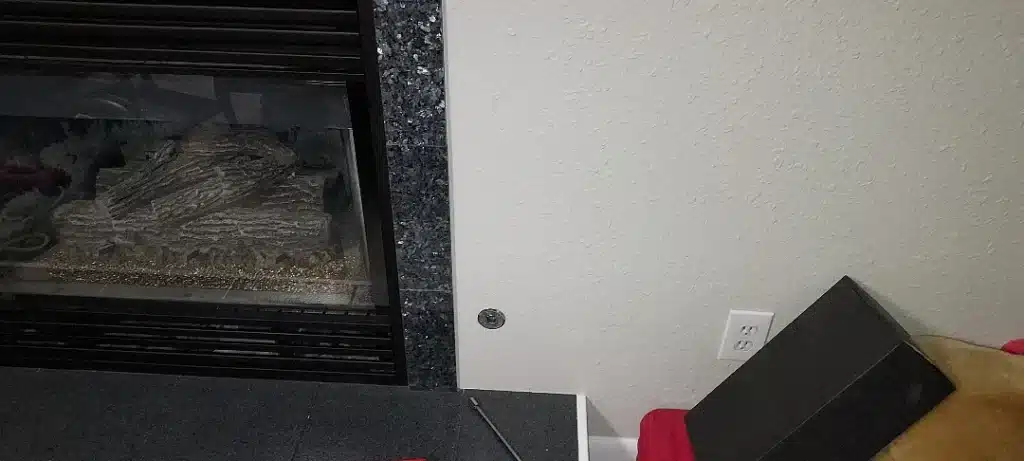
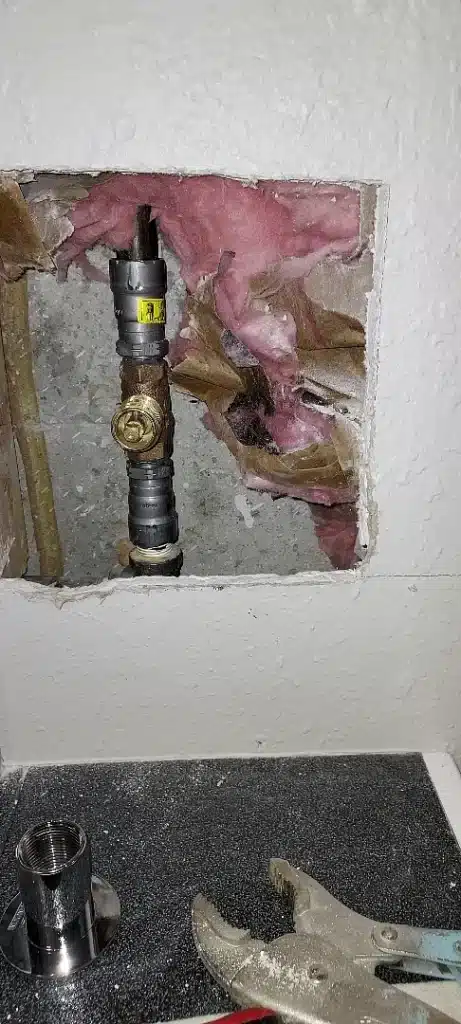
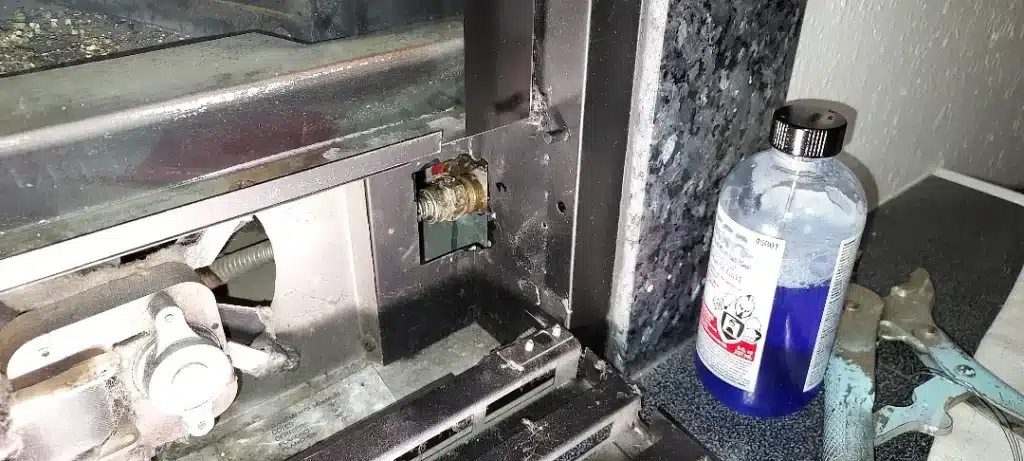
Log Lighter Valve is Leaking - Louisville
- Problem: Gas valve to fireplace is leaking
- Found: Old valve
- Fixed: Installed the new valve. Turned on gas to test for leaks.
- Outcome: No lean and working properly
Housing Characteristics & Gas Plumber Considerations
Louisville's residential landscape reflects over a century of development, creating diverse gas plumbing challenges across different neighborhoods. The original downtown core contains homes dating to the 1880s through 1920s – structures originally built for coal heating that were later retrofitted with natural gas systems. These conversions often resulted in unconventional pipe routing and connections that require experienced assessment.
Housing Era and Gas System Implications
- Pre-1950 homes – Typically feature black iron pipe with threaded connections; joints may have loosened over decades of thermal cycling
- 1950s-1970s construction – Often contains copper gas lines in some sections; these homes frequently need appliance connector upgrades
- 1980s-1990s developments – First generation of CSST installations; many require bonding upgrades to meet current lightning protection standards
- 2000s and newer – Modern materials but may have builder-grade connections that benefit from professional inspection
Louisville's growth patterns concentrated newer construction in the eastern and southern portions of town, while historic areas near Main Street and around Memory Square Park contain the oldest housing stock. Properties in neighborhoods like Old Town Louisville often present complex gas system configurations resulting from multiple additions and renovations over the decades.
Single-family homes dominate Louisville's housing inventory, but the town also includes townhome communities and multi-family buildings with shared gas infrastructure. These properties require technicians who understand both individual unit systems and common supply lines – expertise that affects everything from leak isolation to pressure testing protocols.
Environmental Conditions & Gas Plumber Implications
Louisville's semi-arid climate and Front Range positioning create environmental factors that directly impact gas system performance and longevity. Understanding these conditions helps explain why gas plumbing here demands specialized knowledge beyond what's required in other regions.
Water Quality and Soil Characteristics
The City of Louisville sources water from the Northern Colorado Water Conservancy District and treats it at the Louisville Water Treatment Plant. While water quality doesn't directly affect gas lines, the region's soil composition significantly impacts buried gas piping. Louisville sits on clay-dominant soils that undergo dramatic expansion and contraction cycles with moisture changes – sometimes shifting several inches seasonally. This ground movement stresses underground gas lines and can compromise connections over time.
Climate Impacts on Gas Systems
- Temperature extremes – Louisville experiences temperatures ranging from -20°F to 100°F, creating expansion and contraction stress on all gas piping materials
- Low humidity – Dry conditions can accelerate certain types of seal degradation in older appliance connections
- Rapid pressure changes – Weather fronts moving across the Front Range create atmospheric pressure fluctuations that affect combustion dynamics
- Lightning frequency – Colorado ranks among the highest states for lightning strikes, making proper CSST bonding critical for homes with flexible gas lines
- Wind exposure – Strong Chinook winds can affect exterior gas appliance venting and outdoor gas line installations
The combination of high altitude and cold winters means Louisville homes rely heavily on gas heating systems for extended periods. A typical heating season runs from October through April – sometimes longer – putting substantial operational demands on furnaces, boilers, and water heaters. This extended use accelerates wear on components and makes regular professional maintenance particularly valuable for local homeowners.
Natural Gas Infrastructure and Utility Data in Louisville
Xcel Energy serves as the primary natural gas provider for Louisville, maintaining the distribution network that delivers fuel to residential and commercial properties throughout town. The utility's infrastructure in this area includes both legacy components installed during Louisville's mid-century growth period and modernized sections upgraded in recent decades. Understanding this infrastructure context helps homeowners recognize why professional gas plumbing service matters for their specific situation.
Local Infrastructure Statistics and Considerations
- Louisville's natural gas distribution system includes mains and service lines of varying ages and materials throughout different neighborhoods
- Xcel Energy has conducted ongoing pipeline replacement programs along the Front Range, but individual property service lines remain homeowner responsibility from the meter inward
- Colorado's altitude requires gas appliances to be properly de-rated – typically reducing input capacity by approximately 4% per 1,000 feet above sea level
- The state requires licensed professionals for all gas line work, with permits and inspections mandatory for new installations and major modifications
Louisville's position within Boulder County means local gas plumbing work must comply with both state regulations and county-specific code adoptions. The town has also implemented energy efficiency initiatives that affect gas appliance installations, particularly for new construction and major renovations. These layered requirements make working with knowledgeable local professionals valuable for ensuring compliant, safe installations.
For homeowners, this infrastructure reality translates into practical considerations. Properties with older service lines may experience pressure inconsistencies that affect appliance performance. Homes at the end of distribution branches sometimes see lower delivery pressure during peak demand periods in winter. A qualified gas plumber can assess these factors, recommend appropriate solutions, and ensure your system operates safely and efficiently within Louisville's specific infrastructure context.


