

Gas plumbing in Denver requires specialized knowledge due to unique environmental factors and safety concerns. Our services include installation, repair, and maintenance of gas lines, ensuring compliance with local codes and safety standards.
- Gas line work is critical for safety and requires trained professionals who understand Denver's high-altitude conditions.
- Common issues include leaks and temperature-related stress on gas lines, necessitating thorough inspections and repairs.
- We prioritize safety and compliance, using advanced detection technology and providing clear communication throughout the service process.
A gas plumber in Denver, CO specializes in installing, repairing, and maintaining gas lines and appliances, ensuring safety and compliance with local regulations. They possess the necessary training to handle the unique challenges posed by the high-altitude environment, addressing issues like gas leaks and malfunctioning pilot lights effectively.
Gas Plumber Services in Denver, CO
That faint smell near your water heater or the pilot light that refuses to stay lit – these moments demand immediate attention from a qualified gas plumber. Gas line work sits at the intersection of plumbing expertise and life safety, requiring specialized training that goes far beyond standard pipe fitting. In Denver's high-altitude environment, gas appliances behave differently than at sea level, and the technicians who service them need to understand these unique operational characteristics.
Gas plumbing encompasses the installation, repair, and maintenance of natural gas lines that feed your furnace, water heater, stove, fireplace, and outdoor appliances. This work involves pressure testing, leak detection, proper venting, and compliance with strict building codes designed to protect your household from carbon monoxide exposure and combustion hazards.
- Professional leak detection using electronic sensors and pressure decay testing
- Proper sizing calculations for appliance BTU requirements at altitude
- Code-compliant connections that pass municipal inspections
- Safe disconnection and reconnection during appliance replacement
Denver's combination of aging infrastructure, dramatic temperature swings, and elevation-specific combustion requirements makes professional gas plumbing service particularly valuable. The city's housing stock ranges from Victorian-era homes with original cast iron lines to modern construction using corrugated stainless steel tubing – each demanding different diagnostic approaches and repair techniques.
Common Gas Plumbing Issues in Denver, CO
Denver homeowners face a distinct set of gas plumbing challenges shaped by geography, climate, and the city's development history. The Front Range's clay-heavy soils expand and contract dramatically with moisture changes, placing stress on buried gas lines and their connections. This ground movement can gradually loosen fittings and create small leaks that worsen over time.
Temperature extremes compound these problems. Winter nights that plunge below zero followed by sunny afternoons reaching 50 degrees create thermal cycling that fatigues metal components. Your gas meter, regulator, and exposed piping experience this stress daily during cold months, potentially developing micro-fractures or loosened connections.
Local Factors Affecting Gas Systems
- Altitude effects on combustion: At 5,280 feet, gas appliances receive less oxygen per cubic foot of air, requiring specific orifice sizing and burner adjustments
- Expansive clay soils: The Denver Formation's bentonite clay swells when wet and shrinks when dry, stressing underground lines
- Aging infrastructure: Many neighborhoods built before 1970 still have original black iron gas piping approaching or exceeding its expected service life
- Freeze-thaw cycling: Over 150 freeze-thaw cycles annually stress above-ground connections and meter assemblies
- Low humidity corrosion patterns: Denver's dry air can accelerate certain types of metal degradation differently than humid climates
- Seismic micro-activity: Minor ground settling along the Front Range can shift pipe alignments over decades
Warning Signs Requiring Attention
Watch for these indicators that suggest gas line problems in your Denver home:
- Rotten egg odor near appliances, meters, or along foundation walls
- Hissing or whistling sounds from gas lines or connections
- Dead vegetation in strips or patches above buried gas lines
- Yellow or orange burner flames instead of steady blue
- Pilot lights that repeatedly extinguish
- Higher-than-expected gas bills without usage changes
- Soot buildup around appliance vents or burner areas
Recent Work
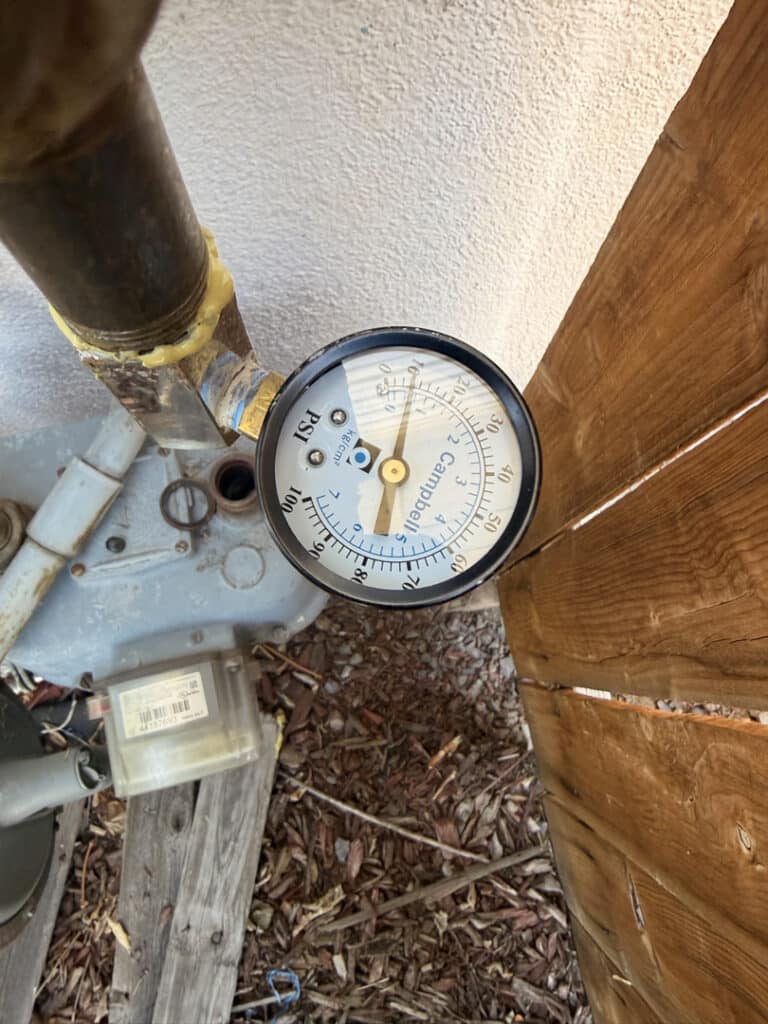
Gas Leak Valve Replacement - Denver
- Problem: Gas leak reported
- Fixed: Disconnected the meter, put a gauge on the line, removed the old valve and nipple behind the dryer, and pressure tested the line at 10 psi
- Outcome: Gas line now holds pressure on the test
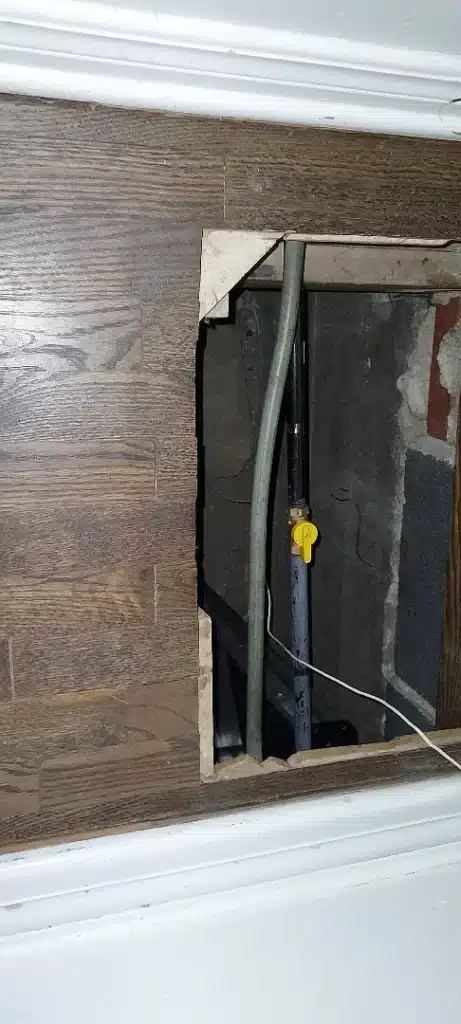
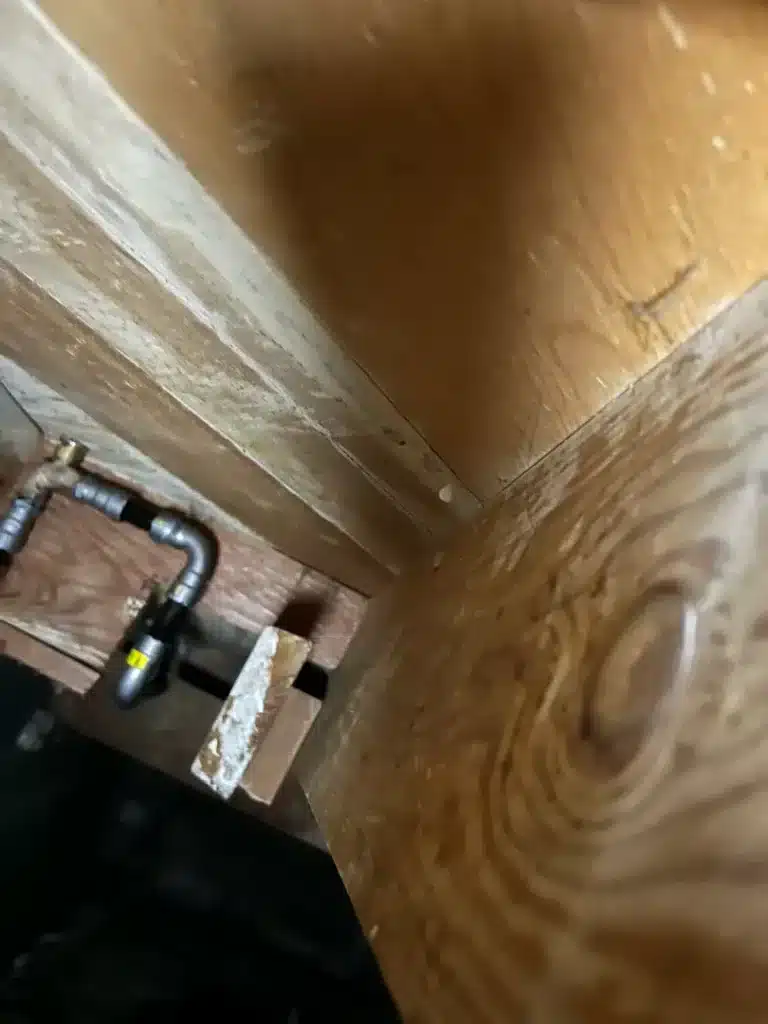
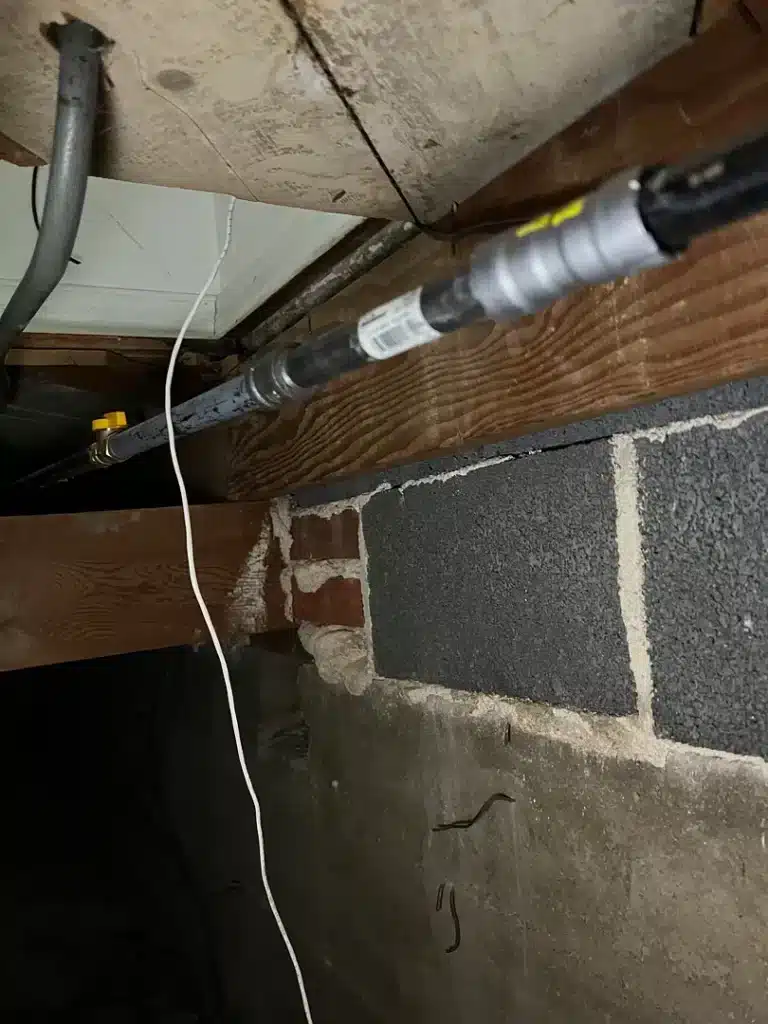
Replace Log Lighter Valve to Install - Denver
- Problem: Log lighter valve.
- Found: Old log lighter valve.
- Fixed: Removed many coupling and te black union fitting on the gas supply to the fireplace. Tie in new log lighter valve. Order black flange for hte log ligher valve but it will be a few weeks before it arrives.
- Outcome: Turn on gas and tested for leaks.
How Cardom Plumbing & Heating Can Help
Our gas plumbing process prioritizes safety at every stage while delivering lasting repairs that account for Denver's specific environmental demands. We've developed systematic approaches that identify problems accurately and address root causes rather than just symptoms.
Our Gas Line Service Process
- Initial safety assessment: We check for immediate hazards, verify proper ventilation, and use combustible gas detectors to identify active leaks before any other work begins
- System documentation: We map your existing gas line layout, note pipe materials and sizes, identify all connected appliances, and document meter pressure readings
- Pressure testing: We isolate sections of your gas system and conduct pressure decay tests to pinpoint leak locations with precision
- Diagnostic imaging: When necessary, we use specialized cameras and electronic detection equipment to locate problems behind walls or underground
- Repair execution: We complete all work according to current International Fuel Gas Code requirements and Denver building standards
- Pressure verification: Post-repair testing confirms system integrity before appliances are reconnected
- Appliance checkout: We verify proper operation, check combustion characteristics, and confirm adequate venting for each connected unit
Techniques and Methods
- Electronic combustible gas analyzers for parts-per-million leak detection
- Manometer pressure testing for system integrity verification
- Bubble solution testing for pinpointing connection leaks
- Combustion analysis to verify proper air-fuel ratios at altitude
- Carbon monoxide monitoring throughout service visits
- Thread sealant compounds rated for natural gas applications
Communication stays constant throughout your service. We explain findings in plain language, present repair options with honest assessments, and never proceed with additional work without your explicit approval. After completion, we provide documentation of all work performed for your records and any needed permit inspections.
Why Choose Cardom Plumbing & Heating
Gas line work demands credentials that matter. Our technicians hold current gas fitter certifications and maintain ongoing training in evolving code requirements and detection technologies. We carry the specific insurance coverage required for gas work – a detail that protects you if questions arise during property sales or insurance claims.
Local knowledge shapes how we approach every job. We understand which Denver neighborhoods commonly have galvanized steel lines versus copper versus CSST flexible tubing. We know the permit requirements for different municipalities across the metro area and maintain relationships with inspectors who trust our work quality.
What Sets Us Apart
- Altitude expertise: We calibrate and adjust for Denver's elevation on every appliance we touch
- 24/7 emergency response: Gas leaks don't wait for business hours, and neither do we
- Permit handling: We pull required permits and schedule inspections as part of our service
- Detection technology: Our electronic analyzers detect gas concentrations far below what human senses can perceive
- Warranty backing: Our work comes with written guarantees on both labor and materials
We've built our reputation serving Denver homeowners who need reliable gas plumbing work done right the first time. Our trucks carry comprehensive parts inventories, allowing most repairs to be completed in a single visit rather than requiring return trips that leave you waiting.
Housing Characteristics & Gas Plumber Considerations
Denver's housing stock tells the story of the city's growth across more than a century, and each era brought different gas piping practices. Understanding what's likely behind your walls helps anticipate service needs and potential complications.
Historic Neighborhoods (Pre-1940)
Areas like Capitol Hill, Congress Park, and parts of Five Points feature homes originally built for coal or oil heat, later converted to natural gas. These conversions often involved:
- Black iron pipe routed through unconventional paths to reach new appliance locations
- Multiple connection points from various upgrade projects over decades
- Original cast iron or wrought iron components mixed with later steel additions
- Basement boiler systems with complex manifold arrangements
Mid-Century Construction (1940-1970)
Post-war neighborhoods in Lakewood, Wheat Ridge, and south Denver typically feature standardized gas rough-in from original construction. These homes commonly have:
- Black iron pipe throughout with threaded fittings
- Direct routes from meter to furnace and water heater
- Limited gas outlets – often just two or three appliances
- Pipe sizing adequate for original equipment but potentially undersized for modern high-efficiency units
Modern Construction (1990-Present)
Newer developments in Stapleton, Green Valley Ranch, and Highlands Ranch often incorporate corrugated stainless steel tubing – CSST – which offers installation flexibility but requires proper bonding and grounding to prevent lightning-related damage. These systems need periodic inspection to verify bonding connections remain intact.
Environmental Conditions & Gas Plumber Implications
Denver's semi-arid high plains climate creates environmental conditions that directly affect gas system performance and longevity. These factors influence everything from appliance efficiency to pipe corrosion rates.
Altitude and Combustion
At one mile above sea level, atmospheric pressure drops roughly 17% compared to sea level. This reduced air density means:
- Gas appliances receive less oxygen per volume of intake air
- Burner orifices must be specifically sized for high-altitude operation
- Improper altitude compensation causes incomplete combustion and carbon monoxide production
- Appliance BTU ratings are typically derated 4% per 1,000 feet of elevation
Soil Conditions and Underground Lines
The Denver Formation's expansive clay soils create unique challenges for buried gas lines. During wet periods, these soils can swell by 10% or more, then shrink dramatically during drought conditions. This movement places lateral stress on rigid pipe connections and can gradually work fittings loose over years of seasonal cycling.
Climate Extremes
- Winter demands: Furnaces run extensively from November through March, accumulating operating hours that accelerate component wear
- Temperature swings: Denver averages 100+ days annually with temperature variations exceeding 30 degrees – thermal stress that affects metal expansion and contraction
- Low humidity: Average relative humidity below 50% can affect certain sealing compounds and gasket materials differently than humid climates
- UV exposure: High-altitude sunshine degrades exposed flexible connectors and certain plastic components faster than lower elevations
Water quality in Denver comes primarily from mountain snowmelt collected in reservoirs – clean but relatively soft water that doesn't directly affect gas systems. However, the low mineral content means less protective scaling inside water heaters, making proper gas burner maintenance even more relevant for tank longevity.
Natural Gas Infrastructure and Safety Data in Denver
Xcel Energy serves as the primary natural gas utility across the Denver metropolitan area, maintaining approximately 23,000 miles of gas distribution lines throughout Colorado. The company's infrastructure in Denver includes mains ranging from 2-inch residential service lines to 24-inch high-pressure transmission pipes feeding neighborhood distribution networks.
According to Pipeline and Hazardous Materials Safety Administration data, Colorado reports an average of 180-220 gas distribution incidents annually, with the Denver metro area accounting for a significant portion due to population density. Common incident causes include:
- Excavation damage: Accounts for roughly 35% of reported incidents – calling 811 before digging remains critical
- Corrosion: Responsible for approximately 20% of distribution line failures, particularly in older steel pipe
- Material or weld failures: Aging infrastructure components reaching end of service life
- Natural forces: Ground movement, flooding, and freeze damage affecting buried lines
Denver's building department issues thousands of gas-related permits annually for new installations, appliance replacements, and line repairs. The city requires licensed contractors for all gas work and mandates inspections before systems can be activated. This regulatory framework exists because proper gas installation directly correlates with reduced incident rates – homes serviced by qualified professionals experience significantly fewer safety events than those with unpermitted or DIY gas work.
For Cardom Plumbing & Heating, this data reinforces why proper training, current licensing, and code compliance matter for every gas service call. The statistics demonstrate that professional gas plumbing isn't just about functionality – it's about keeping Denver families safe in their homes.


