
Recent Posts
Categories
Garbage Disposal Installation in Denver: Electrical Requirements and Code Compliance
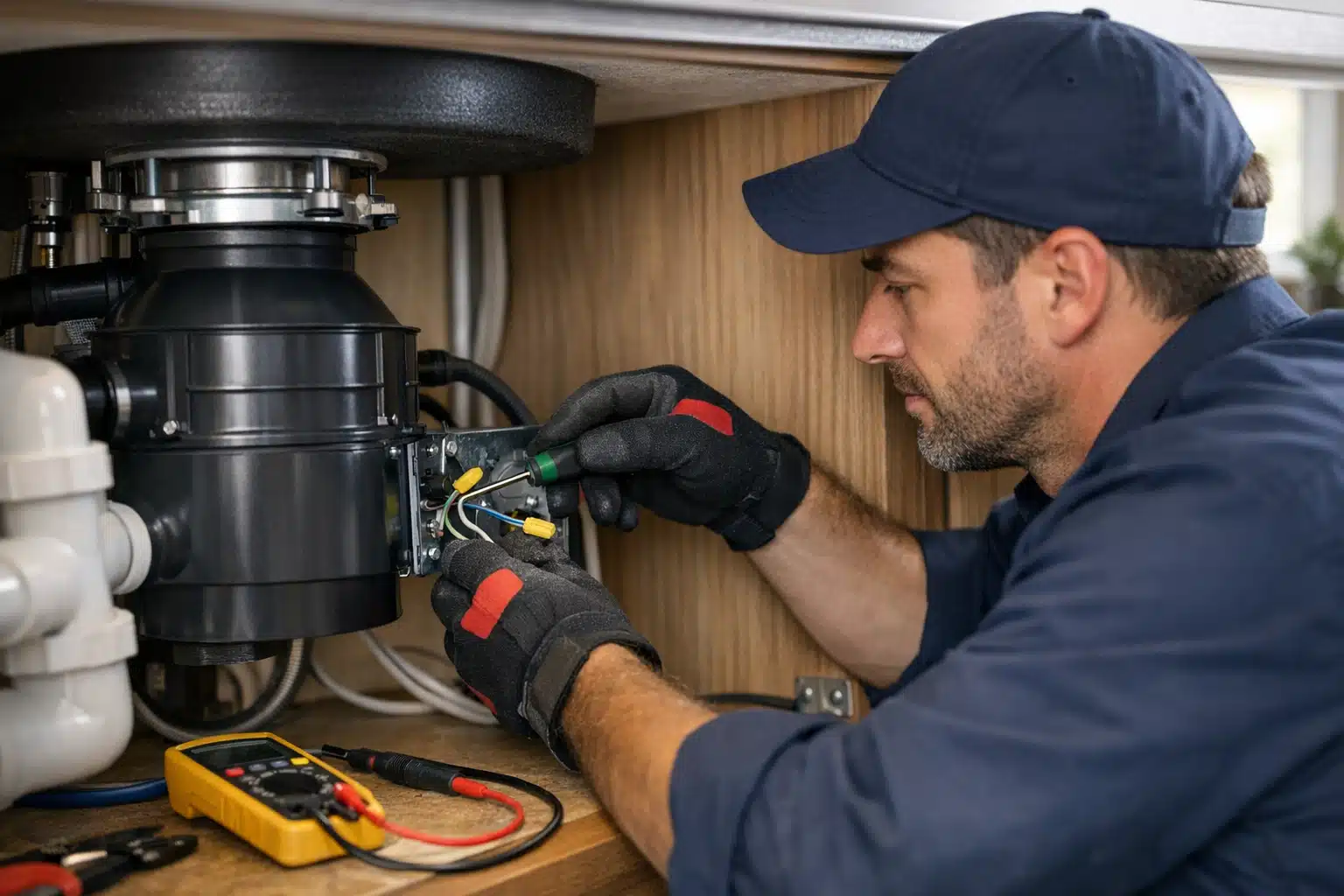
Installing a garbage disposal in Denver requires electrical code compliance including dedicated 20-amp circuits, GFCI protection, and specific permits that differ from surrounding municipalities. This guide covers Denver's exact electrical codes, permit requirements, and when professional work is needed.
- Denver requires a dedicated 20-amp circuit with 12-gauge wire and GFCI protection for all garbage disposal installations after January 2020. AFCI protection is also required for kitchen circuits under the 2021 code update.
- Electrical permits cost $75 to $150 and take 3 to 5 business days to process. Separate electrical and plumbing inspections are required with 48-hour advance scheduling.
- Common inspection failures include shared circuits, missing GFCI protection, improper grounding, and incorrect wire gauge. Professional installation costs $350 to $650 and includes permits and code compliance guarantees.
Denver requires garbage disposal installations to have a dedicated 15 or 20-amp circuit, GFCI protection, and proper grounding. Homeowners must obtain electrical permits before installation, as Denver's code requirements differ from surrounding areas. The disposal should connect to a switch-controlled outlet or hardwired connection that meets local building standards for kitchen appliances.
Installing a garbage disposal in your Denver home requires more than just connecting pipes—electrical code compliance often catches homeowners off guard when their project gets delayed for permit issues. Denver’s electrical requirements for garbage disposal installation Denver projects include dedicated circuits, GFCI protection, and specific permit procedures that differ from surrounding municipalities.
This guide covers Denver’s exact electrical codes, permit requirements, and installation standards. You’ll learn when professional electrical work is required and how to avoid common compliance issues.
Denver Electrical Code Requirements for Garbage Disposal Installation
Denver follows the 2020 National Electrical Code with local amendments that directly impact garbage disposal installations. Every garbage disposal must have a dedicated 20-amp circuit that serves no other appliances or outlets.
The circuit breaker must be AFCI (Arc Fault Circuit Interrupter) protected when installed in kitchen circuits. This requirement, added in Denver’s 2021 code update, means older homes often need electrical panel upgrades during disposal installation.
GFCI Protection Requirements in Denver Kitchens
Denver requires GFCI protection for all garbage disposal circuits installed after January 2020. The GFCI device can be installed at the breaker panel or as a GFCI outlet under the sink.
Most electricians prefer breaker-mounted GFCI protection because it’s easier to reset and less likely to trip from disposal motor startup surges. Under-sink GFCI outlets work but require accessible mounting within 6 feet of the disposal unit.
Dedicated Circuit and Wire Gauge Standards
Denver’s electrical requirements garbage disposal installations specify 12-gauge wire for the dedicated 20-amp circuit. Using 14-gauge wire, even for smaller disposal units, violates local code and fails inspection.
The circuit must originate from your main electrical panel—subpanels require additional documentation during permit review. Wire runs exceeding 100 feet need voltage drop calculations submitted with your electrical permit application.
When Denver Requires Electrical Permits for Disposal Installation
Denver requires electrical permits for any new circuit installation, including garbage disposal circuits. Simple disposal replacements using existing compliant circuits don’t need permits, but most homes built before 2015 lack proper disposal circuits.
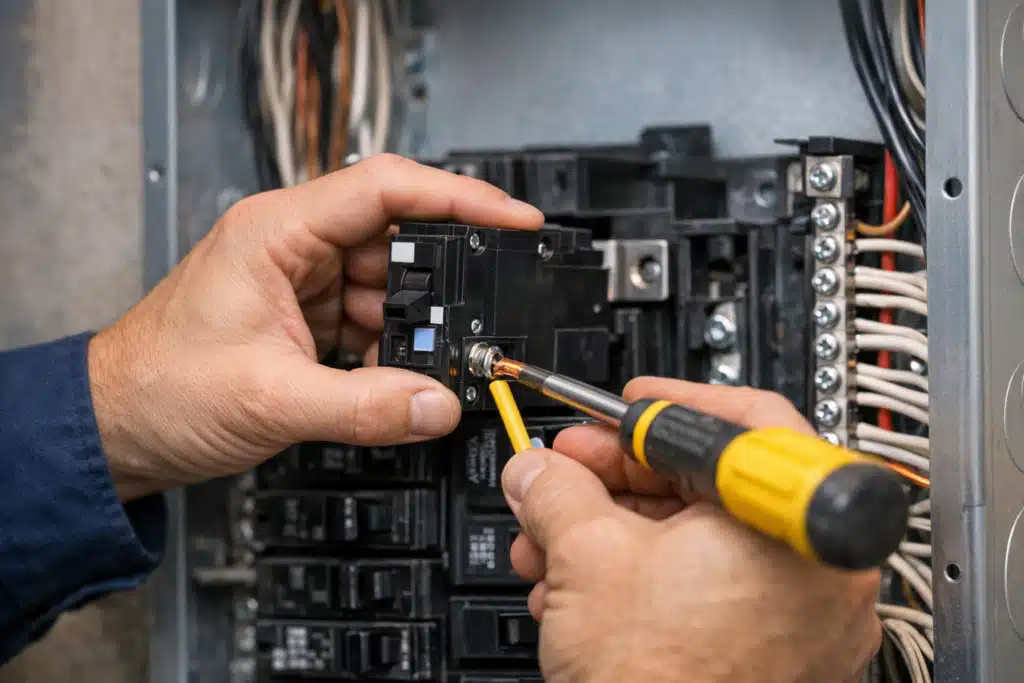
The permit process takes 3-5 business days for standard residential applications. Rush permits cost an additional $50 but process within 24 hours for emergency replacements.
Permit Application Requirements
Denver’s electrical permit applications require specific documentation:
- Load calculation worksheet showing your panel can handle the additional 20-amp circuit
- Site diagram indicating circuit routing from panel to disposal location
- Manufacturer specifications for the disposal unit being installed
- Homeowner affidavit if you’re doing the electrical work yourself (requires electrical license verification)
Permit fees range from $75 for basic circuit additions to $150 for installations requiring panel modifications. Senior citizens over 65 receive a 50% discount on residential permits.
Garbage Disposal Installation Denver: Combining Plumbing and Electrical Work
Most garbage disposal installation Denver projects require both plumbing and electrical permits. Denver allows homeowners to pull permits for their own work, but you must demonstrate competency through license verification or approved training certificates.
Professional installations typically cost $150-$300 more than DIY projects but include warranty coverage and code compliance guarantees. Licensed contractors carry insurance that covers code violations discovered during future home sales.
Inspection Requirements and Scheduling
Denver requires separate electrical and plumbing inspections for disposal installations. Electrical inspection happens after circuit installation but before connecting the disposal unit.
Inspection scheduling requires 48-hour advance notice through Denver’s online portal. Failed inspections incur re-inspection fees of $75 and delay project completion by 3-5 days.
Common Code Violations That Fail Denver Inspections
These electrical violations cause 80% of failed disposal installation inspections in Denver:
- Shared circuits – Using existing small appliance circuits instead of dedicated disposal circuits
- Missing GFCI protection – Especially in homes with older electrical systems
- Improper grounding – Using plastic junction boxes or missing equipment grounding conductors
- Incorrect wire gauge – Installing 14-gauge wire on 20-amp circuits
- Inaccessible disconnects – Hardwired installations without accessible shut-off switches
Professional vs. DIY Electrical Work for Denver Disposal Installations
Denver allows homeowner electrical work on single-family residences, but disposal circuit installation involves several complexity factors. Panel modifications require electrical engineering calculations that most homeowners can’t perform accurately.
Licensed electricians complete disposal circuit installations in 2-4 hours, including permit acquisition and inspection coordination. DIY installations typically take 2-3 days when factoring in permit processing and potential re-inspection needs.
Cost Considerations for Professional Electrical Work
Professional electrical work for disposal installations in Denver averages $350-$650, including permits and inspections. This breaks down to:
- Circuit installation: $200-$400
- Permits and inspections: $75-$150
- GFCI protection upgrade: $75-$100
Older homes requiring panel upgrades add $800-$1,500 to project costs. However, panel upgrades often qualify for utility rebates that offset 20-30% of installation costs.

 Posted on Google
Connecting Electrical Work to Plumbing Installation
Coordinating electrical and plumbing work prevents project delays and code conflicts. The electrical circuit must be installed and inspected before plumbing connections, but disposal mounting can happen simultaneously with electrical rough-in.
Water damage from plumbing leaks can cause electrical code violations if wiring gets wet. Proper installation includes weatherproof junction boxes and elevated electrical connections in under-sink areas prone to minor leaks.
Switch Installation and Placement Requirements
Denver requires accessible disconnect switches for hardwired garbage disposals. The switch must be located within sight of the disposal unit but not directly above the sink area.
Most installations use standard wall switches mounted on the backsplash or adjacent cabinet face. Air switches mounted on the countertop meet code requirements but need additional wiring considerations for proper electrical isolation.
Denver Municipal Code Differences from Surrounding Areas
Denver’s electrical requirements differ from neighboring cities in several important ways. Arvada allows GFCI outlets instead of GFCI breakers, while Westminster requires additional documentation for disposal circuits exceeding 15 amps.
Broomfield follows Jefferson County electrical codes that permit shared circuits for disposals under 1/2 horsepower. These jurisdictional differences mean electrical work approved in one city may not meet requirements in Denver.
Transferring Permits Between Jurisdictions
Electrical permits don’t transfer between Denver and surrounding municipalities. Moving from Wheat Ridge to Denver requires new permit applications even for identical installation specifications.
However, professional electricians licensed in Colorado can work in any Front Range municipality. Their code knowledge and insurance coverage remain valid across city boundaries.
Denver’s electrical codes for garbage disposal installation protect your family and property while ensuring reliable appliance operation. Professional installation guarantees code compliance and includes warranty coverage for both electrical and plumbing components.
Contact Cardom Plumbing & Heating at 720-775-8322 for complete garbage disposal installation services in Denver and surrounding areas. Our licensed electricians and plumbers handle permits, inspections, and code compliance so your project proceeds smoothly from start to finish.
Sources
- City and County of Denver – Building Safety Division
- National Fire Protection Association – National Electrical Code
- Colorado Department of Regulatory Agencies – Electrical Program


