
Recent Posts
Categories
Preparing Your Plumbing for Broomfield’s Mud Season: Essential Steps
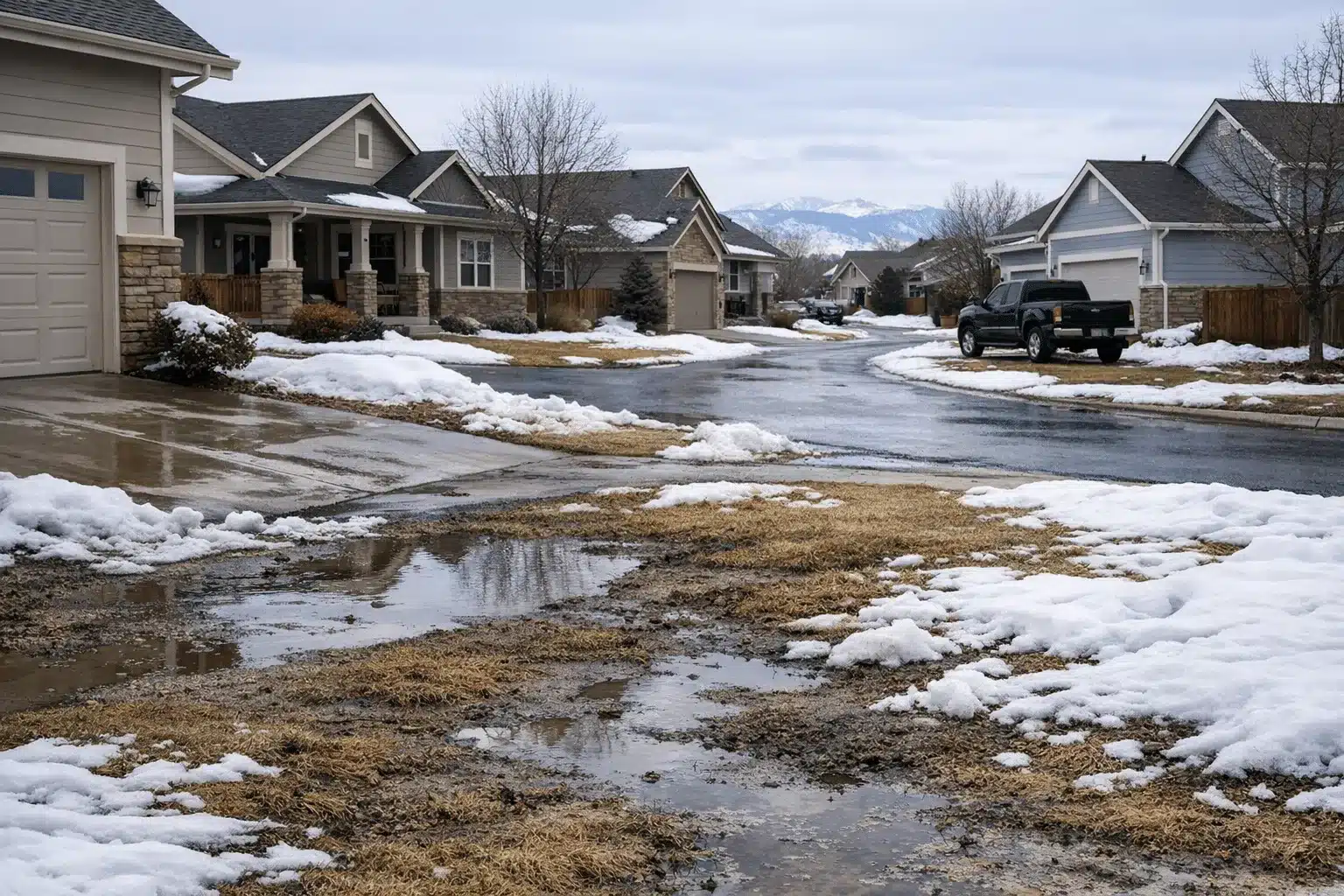
This guide explains how Broomfield homeowners can protect their plumbing systems from mud season damage caused by spring freeze-thaw cycles that lead to pipe bursts, foundation shifts, and drainage problems.
- Inspect and insulate exposed pipes in basements, crawl spaces, and garages while sealing gaps around pipe penetrations to prevent cold air infiltration.
- Test your main water shut-off valve and sump pump system before spring snowmelt increases groundwater levels. Remove garden hoses and install insulated covers on outdoor faucets.
- Keep indoor temperatures at least 55°F, open cabinet doors during cold snaps, and call professionals immediately if you discover cracked or bulging pipes.
To prepare your plumbing for mud season, start by inspecting exposed pipes for cracks or weak spots before the freeze-thaw cycles begin. Clear all outdoor drains and gutters of debris to prevent water backup. Insulate vulnerable pipes, check your sump pump operation, and grade soil away from your foundation to direct water flow properly.
Spring’s arrival in Broomfield means one thing every homeowner dreads: mud season. The freeze-thaw cycles create havoc on your plumbing system, causing pipe bursts, foundation shifts, and drainage nightmares that can cost thousands in repairs.
Smart homeowners know that the key to surviving Colorado’s unpredictable spring weather lies in proactive preparation. When you prepare plumbing mud season conditions properly, you protect your investment and avoid emergency repair bills.
This guide covers the critical steps every Front Range homeowner needs to take before mud season hits full force.
Understanding Mud Season’s Impact on Your Plumbing
Mud season occurs when daytime temperatures rise above freezing while nights still drop below 32°F. This constant freeze-thaw cycle creates unique challenges for Broomfield homeowners.
Soil expansion and contraction puts pressure on underground pipes. Water lines can shift, crack, or separate at joints during this period.
Foundation movement affects indoor plumbing connections. Pipes entering your home through basement walls or crawl spaces face the greatest risk of damage.
Common Mud Season Plumbing Problems
Here are the most frequent issues we see during Colorado’s spring transition:
- Burst water lines from soil pressure and temperature changes
- Sewer line backups caused by shifting ground and root intrusion
- Foundation leaks where pipes enter the home
- Sump pump failures from increased groundwater
- Outdoor faucet damage from repeated freezing
Essential Steps to Prepare Plumbing for Mud Season
Taking action before problems develop saves money and prevents water damage. Follow these proven steps to protect your plumbing system.
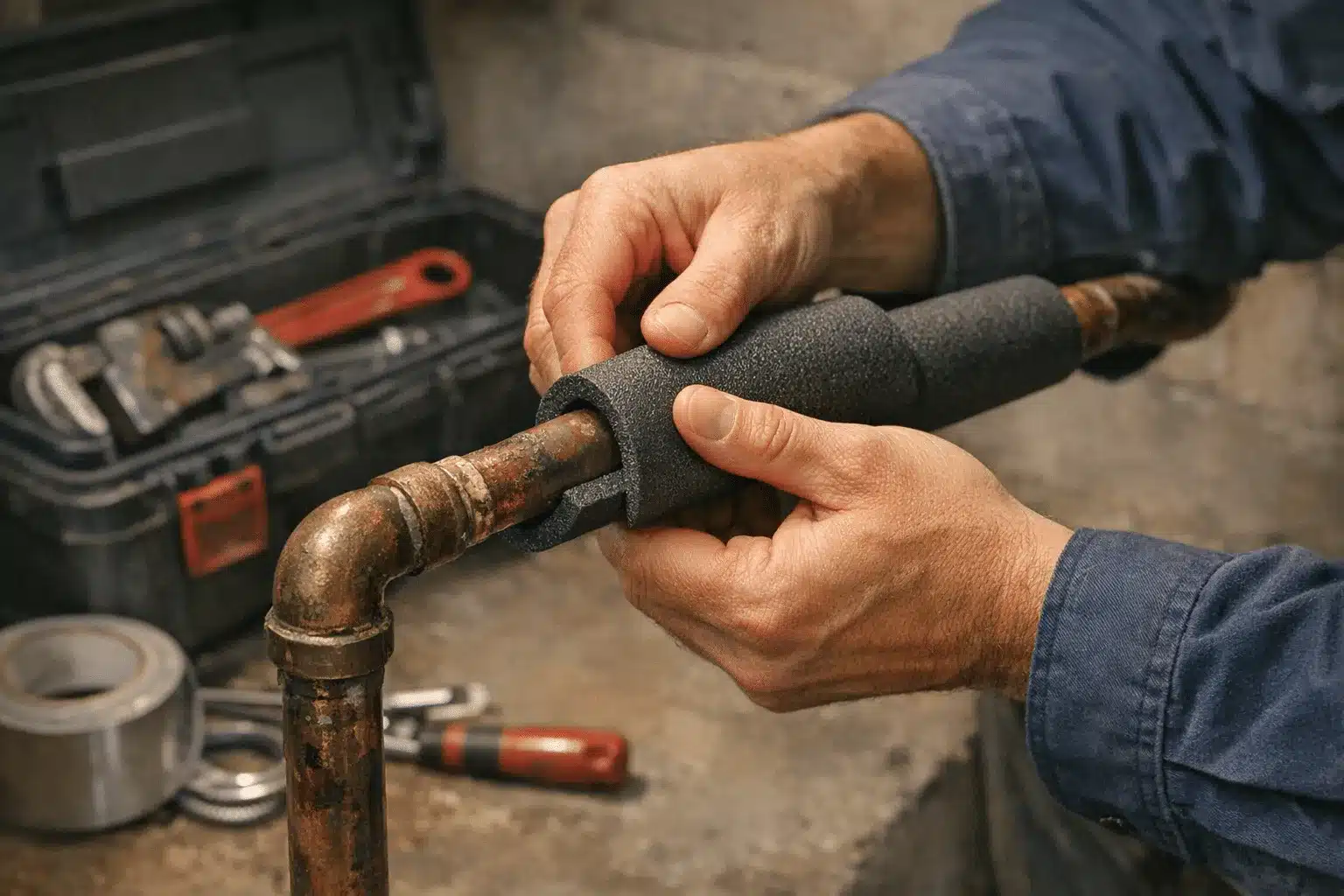
Inspect and Insulate Exposed Pipes
Check all visible pipes in basements, crawl spaces, and garages. Look for signs of previous freezing like bulges, cracks, or corrosion.
Wrap exposed pipes with foam insulation or heat tape. Pay special attention to pipes along exterior walls or in unheated areas.
Seal gaps around pipe penetrations with caulk or expanding foam. Cold air infiltration causes more freeze damage than homeowners realize.
Test Your Main Water Shut-Off Valve
Locate your main water shut-off valve before you need it. Most homes have the valve near where the water line enters the house.
Turn the valve clockwise to close, then counterclockwise to open. If it sticks or leaks, call for repairs immediately.
Make sure all family members know the valve location. Quick action during a pipe burst prevents thousands in water damage.
Service Your Sump Pump System
Spring snowmelt increases groundwater levels throughout the Front Range. Your sump pump becomes critical during this period.
Pour water into the sump pit until the float rises and activates the pump. Listen for unusual noises or irregular cycling.
Check the discharge line for ice blockages or damage. Clear any debris from the pit and test the backup system if equipped.
Protecting Outdoor Plumbing During Temperature Swings
Outdoor fixtures face the harshest conditions during mud season. These components need special attention to survive spring’s temperature roller coaster.
Winterize Hose Bibs and Faucets
Remove all garden hoses and store them indoors. Water trapped in hoses can freeze back into the faucet and cause breaks.
Install insulated faucet covers on all exterior spigots. The investment costs less than repairing one frozen hose bib.
Consider upgrading to frost-free faucets if you have older fixtures. These designs prevent water from sitting in the exposed portion.
Clear Drainage Around Your Home
Proper drainage prevents water from pooling near your foundation. Standing water increases freeze damage risk and foundation problems.
Clean gutters and downspouts before spring runoff begins. Clogged drainage systems direct water toward your home’s foundation.
Grade soil away from the foundation with a minimum 6-inch drop over 10 feet. This simple step prevents most basement water issues.
Preparing Indoor Plumbing for Spring Challenges
Interior plumbing systems need preparation too. Temperature fluctuations affect pipes inside your home, especially in basements and crawl spaces.
Check for Winter Damage
Inspect pipe joints and connections for signs of stress or movement. Look for mineral deposits, rust stains, or small leaks.
Test water pressure at multiple fixtures throughout your home. Significant pressure drops indicate possible pipe damage or blockages.
Run water at all faucets to check for unusual sounds, discoloration, or flow problems. Address any issues before they become emergencies.
Maintain Consistent Indoor Temperatures
Keep your home heated to at least 55°F even when away. Pipes in exterior walls can freeze at surprisingly high temperatures.
Open cabinet doors under sinks during cold snaps. This allows warm air to circulate around plumbing.
Let faucets drip slightly during extreme cold warnings. Moving water resists freezing better than standing water.

 Posted on Google
When to Call Professional Help
Some preparation tasks require professional expertise. Don’t risk major damage by attempting complex repairs yourself.
Call immediately if you discover cracked or bulging pipes. These conditions indicate freeze damage that will worsen with time.
Schedule professional inspection if your home experienced heating system failures this winter. Extended cold exposure can damage pipes in hidden areas.
Emergency Preparedness Checklist
Create an emergency action plan before problems occur:
- Know your main water shut-off location
- Keep emergency plumber contact information handy
- Maintain basic repair supplies (pipe tape, wrenches, towels)
- Understand your homeowner’s insurance coverage for water damage
- Document your plumbing system with photos for insurance claims
Long-Term Protection Strategies
Smart homeowners think beyond immediate protection. Consider upgrades that provide lasting benefits against Colorado’s harsh climate.
Install whole-house surge protection for electric water heaters and sump pumps. Power fluctuations during storms damage these expensive components.
Upgrade to PEX piping during renovations. This flexible material handles freeze-thaw cycles better than rigid copper or PVC.
Consider a backup sump pump system with battery power. Spring storms often cause power outages when you need pumping most.
Taking time now to prepare plumbing mud season conditions protects your home from costly spring surprises. These proactive steps prevent emergency repairs and water damage that disrupts your family’s life.
Don’t wait until problems develop to protect your plumbing investment. Contact Cardom Plumbing & Heating at 720‑775‑8322 for professional inspection and preparation services throughout Arvada, Westminster, and surrounding Front Range communities.
Sources
- U.S. Department of Energy – Prevent Frozen Pipes
- American Red Cross – Preventing Frozen Pipes
- California Department of Insurance – Frozen Pipe Prevention


