
Recent Posts
Categories
Water Heater Efficiency Tips for Denver’s Cold Winters
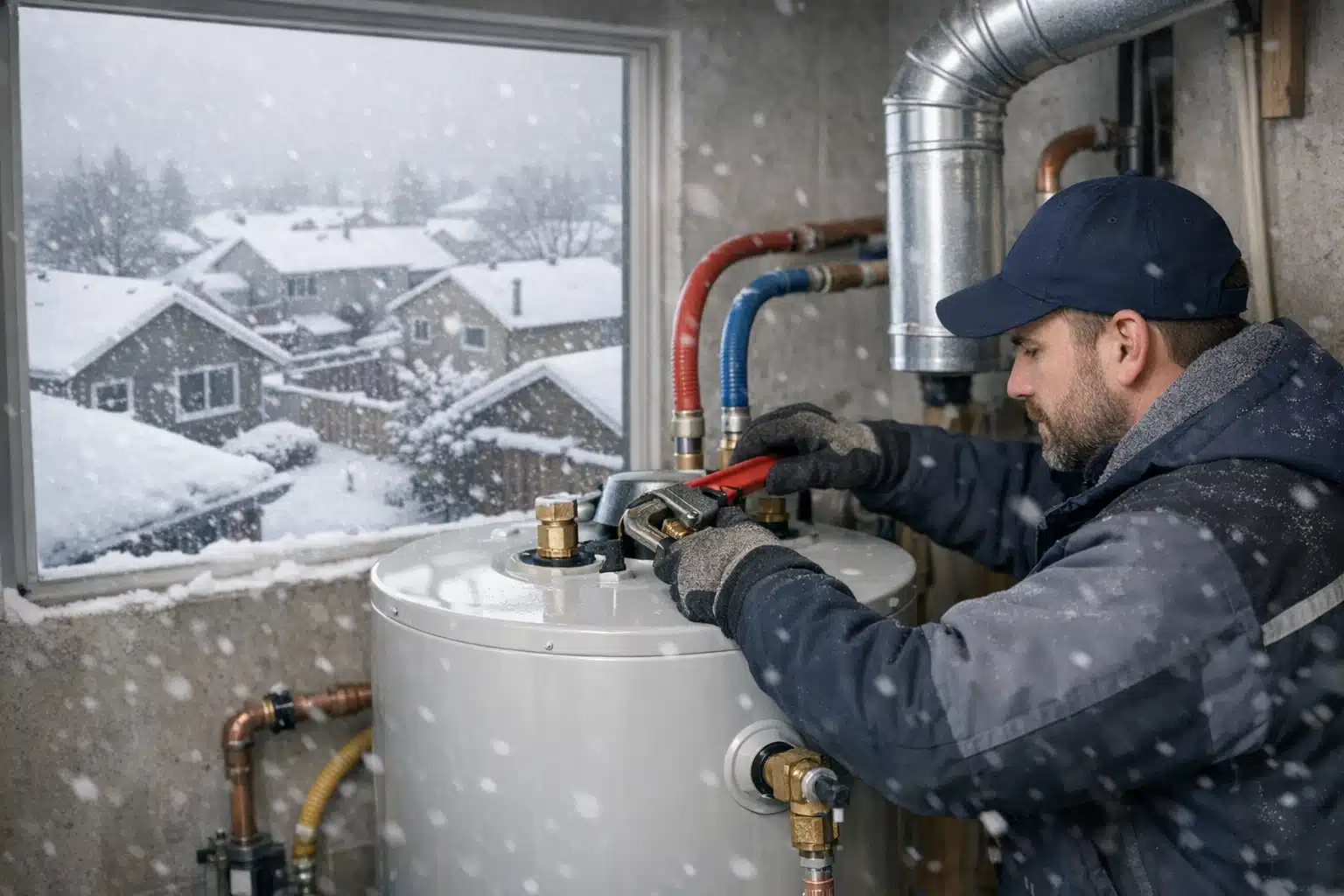
Denver's cold winters create unique challenges for water heaters due to extreme temperature differentials, high altitude, and hard water that can reduce efficiency by 30% or more. Proactive maintenance, insulation, and temperature optimization help Front Range homeowners reduce energy costs and prevent system failures.
- Ground temperatures and altitude affect water heater performance differently than at sea level. When temperatures hit -10°F, the 130-degree differential from cold water input to hot water output can double heating costs.
- Tank blankets rated R-10 or higher cut energy consumption by 15-20%. Foam pipe insulation on the first six feet of connected pipes costs $2 per foot but saves $50-80 annually.
- Lowering temperature settings from 140°F to 118-120°F reduces standby heat losses by 6-10%. Annual flushing removes sediment that can reduce efficiency by up to 25% and extends water heater life by 3-5 years.
To boost water heater efficiency in cold weather, insulate your tank and hot water pipes to reduce heat loss. Lower the thermostat to 120 degrees Fahrenheit, flush the tank annually to remove sediment buildup, and install a timer to heat water during off-peak hours. Consider adding a water heater blanket for extra insulation during extreme cold spells.
Denver’s brutal winter temperatures force water heaters to work overtime. When outside temperatures plummet below zero and stay there for days, your water heater struggles to maintain hot water temperatures, driving up energy bills and risking complete system failure.
Water heater efficiency becomes critical during these harsh Front Range winters. Arvada homeowners face unique challenges with altitude, temperature swings, and hard water that can cut efficiency by 30% or more.
These proven strategies help Denver-area residents maximize their water heater performance while reducing winter energy costs.
Why Water Heater Efficiency Drops in Denver’s Cold Climate
The **Denver cold climate** creates three specific problems for water heaters. Ground temperatures drop significantly below the national average, making your water heater work harder to heat incoming cold water.
Altitude affects water heater performance differently than at sea level. At 5,280 feet, water boils at 203°F instead of 212°F, changing how your system operates.
Hard water from the Front Range aquifers builds mineral deposits faster during winter months. These deposits act as insulation, forcing your heating elements to work 40% harder than normal.
Temperature Differential Impact
When Arvada temperatures hit -10°F, your water heater faces a 130-degree temperature difference from cold water input to hot water output. This extreme differential can double your heating costs compared to mild winter days.
Basement installations suffer most during cold snaps. Unheated basement temperatures drop to 40°F, creating additional heat loss through tank walls and connecting pipes.
Insulation Strategies That Work in Colorado Winters
Proper insulation cuts water heater energy consumption by 15-20% during Denver winters. Start with a water heater blanket rated R-10 or higher for our climate zone.
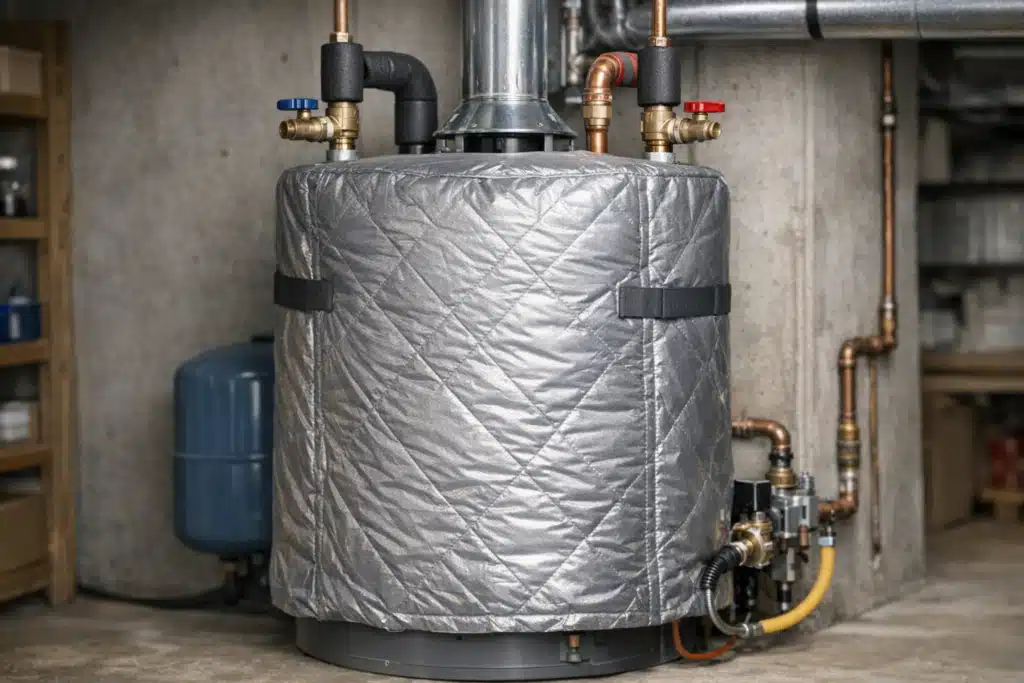
Pipe insulation matters more than most homeowners realize. The first six feet of hot and cold water pipes connected to your tank lose significant heat in cold basements or crawl spaces.
Tank Blanket Installation for Front Range Homes
Electric water heaters in Westminster and Broomfield homes benefit most from tank blankets. Gas units require careful installation to avoid blocking air intakes and exhaust venting.
- Leave access panels uncovered for maintenance
- Keep insulation 6 inches away from gas unit flue pipes
- Use aluminum foil tape, not duct tape, for sealing
- Check manufacturer warranty terms before installation
Pipe Insulation Best Practices
Foam pipe insulation costs $2 per linear foot but saves $50-80 annually on heating bills. Focus on pipes running through unheated spaces like basements, crawl spaces, and attached garages.
Split-sleeve foam insulation works better than wrap-around types in our dry climate. The low humidity prevents adhesive degradation over time.
Temperature Settings for Maximum Water Heater Efficiency
Most Denver water heaters ship set to 140°F, which wastes energy year-round. Reducing your temperature to 120°F cuts standby heat losses by 6-10% without affecting comfort.
Winter temperature adjustments require different strategies than summer settings. Cold incoming water temperatures mean your heater cycles more frequently, making precise temperature control more important.
Seasonal Temperature Optimization
December through February calls for careful temperature management. Set your water heater to 118°F during extreme cold periods when incoming water temperatures drop below 40°F.
This lower setting prevents the heating elements from working constantly while maintaining adequate hot water for showers and dishwashing. Monitor performance for the first week after adjustment.
Testing Your Current Settings
Use a cooking thermometer to test actual water temperature at your furthest faucet. The reading should match your water heater setting within 5 degrees.
If temperatures vary more than 5 degrees, your system has distribution problems that waste energy. Common causes include undersized pipes, excessive distance from the tank, or failing mixing valves.
Maintenance Tasks for Colorado’s Hard Water Conditions
Front Range hard water accelerates sediment buildup during winter months. Cold water holds more dissolved minerals, which precipitate out when heated, forming thick layers on tank bottoms.
Annual flushing removes sediment that reduces efficiency by up to 25%. This simple maintenance task takes 30 minutes but extends water heater life by 3-5 years.
Monthly Inspection Checklist
Check these items every month during winter heating season:
- Test temperature relief valve for proper operation
- Inspect venting system for ice blockages (gas units)
- Check for water pooling around tank base
- Listen for unusual noises indicating sediment buildup
- Verify pilot light burns blue (gas units)
Professional Flushing vs. DIY Methods
DIY flushing works for tanks under 8 years old with minor sediment buildup. Older tanks or units making rumbling noises need experienced technicians to avoid damaging heating elements.
Professional flushing includes anode rod inspection, which prevents tank corrosion. Anode rods last 3-4 years in our hard water conditions versus 6-8 years in soft water areas.

 Posted on Google
Upgrading for Better Cold Weather Performance
Tankless water heaters excel in Denver’s climate when properly sized for winter conditions. They avoid standby heat losses that cost tank-style units $100-200 annually during heating season.
Heat pump water heaters struggle in cold basements but work well in heated utility rooms. They extract heat from surrounding air, which becomes less effective when ambient temperatures drop below 50°F.
Right-Sizing for Winter Demand
Denver homes need 20% larger capacity calculations than national standards due to cold incoming water. A family of four typically needs a 50-gallon tank instead of the standard 40-gallon recommendation.
Tankless units require precise sizing for winter flow rates. Cold groundwater temperatures reduce output capacity by 15-20% compared to manufacturer specifications.
Efficiency Ratings That Matter in Colorado
Energy Factor (EF) ratings assume 67°F incoming water temperature. Our winter groundwater averages 45°F, making Uniform Energy Factor (UEF) ratings more accurate for local conditions.
Look for gas units with UEF ratings above 0.70 or electric units above 2.20 for best winter performance. These higher-efficiency models cost more upfront but save $200-300 annually in our climate.
Emergency Prevention During Extreme Cold
Arctic blasts that hit Arvada and surrounding areas can freeze water heater components overnight. Prevention costs far less than emergency repairs during peak winter demand.
Combustion air intakes on gas water heaters can ice over during blizzards with driving snow. This blocks airflow and shuts down the system completely.
Pre-Storm Preparation Steps
When weather forecasts predict temperatures below -5°F:
- Clear snow away from exterior venting and air intakes
- Open cabinet doors around water heaters in unheated spaces
- Run hot water briefly every 4-6 hours during extreme cold
- Check that basement windows and doors seal properly
Recognizing Efficiency Problems
Longer wait times for hot water signal efficiency problems developing. If your shower takes 30+ seconds longer to heat up, sediment buildup or heating element problems are likely.
Higher gas or electric bills without increased usage indicate your water heater is working harder than normal. Track monthly energy costs to spot efficiency declines early.
When to Call Professional Help
Water heater repairs during Denver winters require fast response times. When outside temperatures stay below freezing, a failed water heater can lead to frozen pipes within hours.
Strange noises, inconsistent temperatures, or visible rust around the tank base need immediate attention. These symptoms worsen rapidly in cold weather conditions.
Professional maintenance before winter arrives prevents most cold-weather failures. Schedule annual service in October before peak heating season begins.
Improving **water heater efficiency** during Denver’s harsh winters requires proactive maintenance, proper insulation, and temperature optimization. These strategies reduce energy costs while preventing expensive emergency repairs.
For expert water heater service in Arvada, Westminster, Broomfield, and surrounding Front Range communities, contact Cardom Plumbing & Heating at 720-775-8322 or visit https://www.cardomcolorado.com.
Sources
- U.S. Department of Energy – Water Heating
- EPA WaterSense – Residential Water Heaters
- National Renewable Energy Laboratory – Water Heating Technology Roadmap


