Gas piping services in Denver address critical issues like leaks and inefficient combustion, which are exacerbated by the city's unique altitude and climate. Professional technicians ensure safe and compliant installations, protecting homes from potential hazards.
They identify warning signs such as sulfur odors and yellow flames, indicating gas piping problems. Immediate attention is crucial to prevent safety risks like leaks and fire hazards. Licensed professionals conduct thorough assessments and repairs, adhering to strict building codes.
Gas Piping Services in Denver, CO That faint sulfur smell near your water heater.
A pilot light that won’t stay lit.
What are the signs of gas piping issues?
Signs of gas piping issues include a faint sulfur smell near appliances, a pilot light that won’t stay lit, and burners producing yellow flames instead of steady blue. These indicators suggest potential problems that require immediate professional attention, especially in environments like Denver where safety is paramount.
Gas Piping Services in Denver, CO
That faint sulfur smell near your water heater. A pilot light that won't stay lit. Burners producing yellow flames instead of steady blue. These warning signs point to gas piping issues that demand immediate professional attention – and in Denver's unique environment, the stakes run even higher.
Gas piping services encompass the complete network of pipes, fittings, valves, and connections that deliver natural gas throughout your home or business. This includes supply lines running from the meter to individual appliances, manifold systems distributing gas to multiple locations, flexible connectors at appliance terminations, and shut-off valves positioned throughout the system. Professional gas piping work requires specialized licensing, precise pressure testing, and adherence to strict building codes that protect your family from leaks, carbon monoxide exposure, and fire hazards.
Why Professional Gas Piping Diagnosis Matters
Denver's mile-high elevation creates distinct challenges for gas combustion and pressure regulation. The thinner atmosphere affects how gas appliances burn fuel, requiring specific adjustments that sea-level installations don't need. Combined with our dramatic temperature swings – sometimes 40 degrees in a single day – gas piping systems here face expansion and contraction stresses that accelerate wear on joints and fittings.
Proper pressure testing identifies micro-leaks invisible to standard detection methods
Code-compliant installations protect against liability and insurance complications
Professional sizing calculations prevent appliance underperformance at altitude
Denver's infrastructure tells the story of a city that grew in distinct waves. Victorian-era homes in Capitol Hill and Curtis Park often contain original iron gas lines that have served reliably for over a century – but corrosion eventually compromises even the sturdiest materials. Post-war ranch homes throughout Lakewood and Arvada frequently feature galvanized steel piping that develops internal rust, restricting gas flow and creating potential leak points at threaded connections.
The Front Range's notorious freeze-thaw cycles create ground movement that stresses underground gas lines and foundation penetrations. When soil heaves during winter freezes and settles during spring thaws, rigid piping connections can crack or separate. Homes built on Denver's expansive clay soils face particular vulnerability, as this soil type swells dramatically when wet and shrinks when dry.
Seasonal Considerations and Warning Signs
Fall represents peak season for gas piping issues in Denver. Furnaces that sat dormant all summer suddenly demand full gas flow, revealing problems that developed during months of inactivity. Spiders and insects commonly nest inside pilot assemblies and burner orifices, blocking gas flow or causing incomplete combustion.
Aging infrastructure: Many Denver neighborhoods have gas mains installed in the 1950s-1970s, increasing leak potential at service connections
Altitude effects: Standard gas appliances require high-altitude orifices and pressure adjustments to burn efficiently at 5,280 feet
Temperature extremes: Winter lows below zero and summer highs above 95 degrees stress pipe joints through constant expansion cycles
Soil conditions: Denver's bentonite clay creates ground movement that can shift or damage buried gas lines
Dry climate: Low humidity accelerates corrosion on exposed iron fittings and connection points
Renovation activity: Rapid neighborhood development increases risk of accidental line strikes during construction
Warning Signs Requiring Immediate Attention
Rotten egg or sulfur odor anywhere in your home
Hissing or whistling sounds near gas lines or appliances
Dead vegetation patches above buried gas lines
Yellow or orange flames instead of steady blue
Pilot lights that repeatedly extinguish
Higher-than-normal gas bills without increased usage
Recent Work
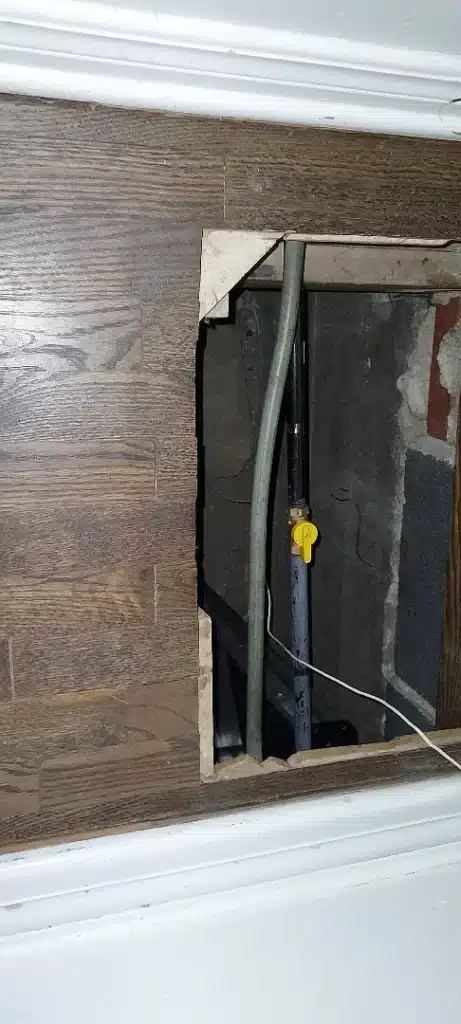
Replace Log Lighter Valve to Install - Denver
Problem:Log lighter valve.
Found:Old log lighter valve.
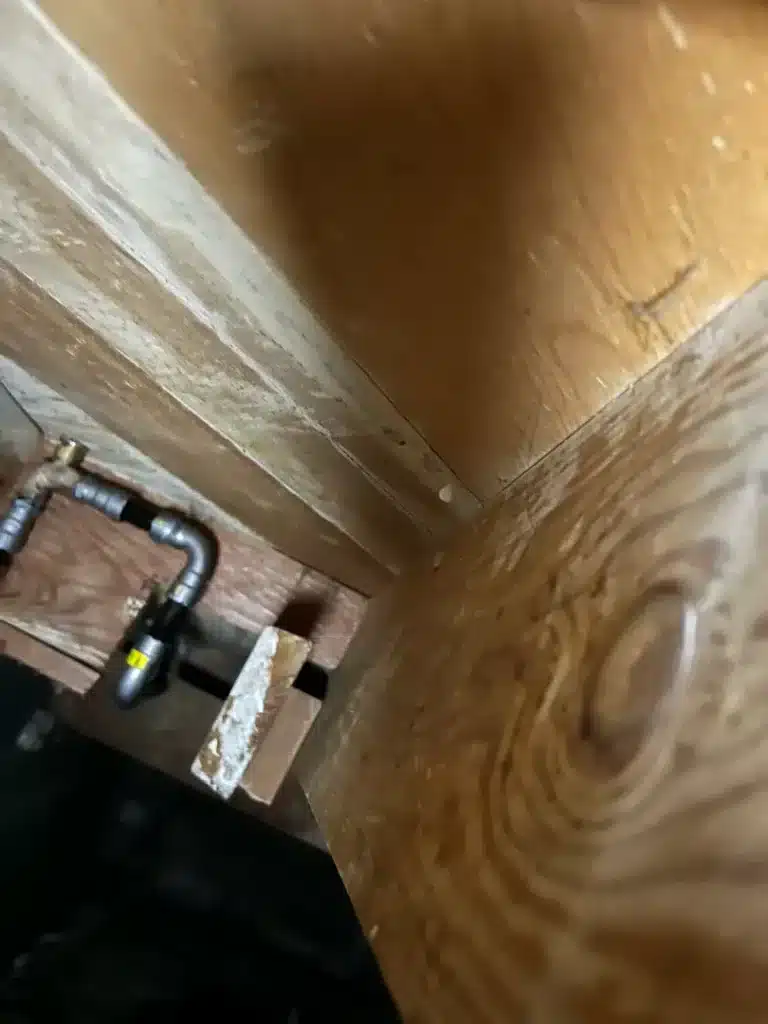
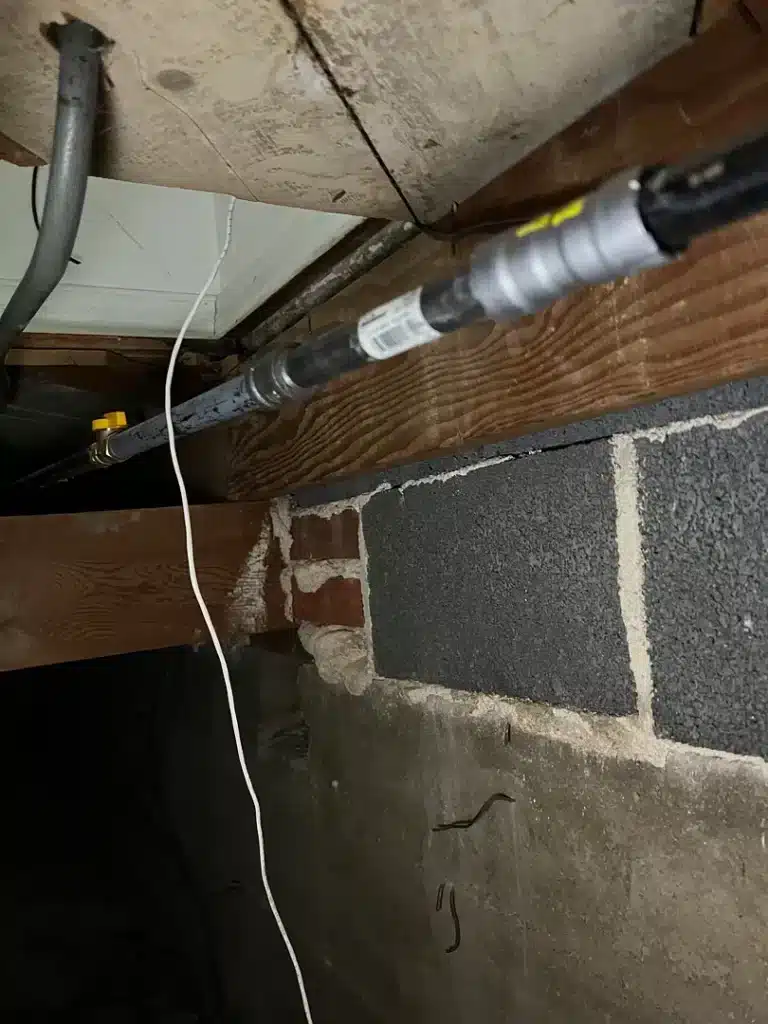
Fixed:Removed many coupling and te black union fitting on the gas supply to the fireplace. Tie in new log lighter valve. Order black flange for hte log ligher valve but it will be a few weeks before it arrives.
How Cardom Plumbing & Heating Addresses Your Gas Piping Needs
Every gas piping project begins with understanding exactly what's happening in your system. Our technicians arrive equipped with electronic gas detection equipment, pressure testing apparatus, and combustion analyzers calibrated for Denver's altitude.
Our Gas Piping Service Process
Initial safety assessment: We check for active leaks using electronic detection equipment before any work begins, ensuring immediate hazards are identified and addressed
System mapping: We trace existing gas lines throughout your property, documenting pipe materials, sizes, connection types, and shut-off valve locations
Pressure testing: We isolate sections of your gas system and conduct pressure decay tests to identify leaks too small for standard detection
Combustion analysis: For appliance-related issues, we measure carbon monoxide levels, oxygen content, and combustion efficiency using digital analyzers
Repair or installation: Based on findings, we execute necessary repairs, replacements, or new installations using code-approved materials and methods
Final testing and documentation: We conduct comprehensive leak testing on all work, verify proper appliance operation, and provide documentation for your records
Methods and Techniques
Electronic combustible gas detectors capable of identifying leaks at parts-per-million concentrations
Manometer pressure testing to verify system integrity under controlled conditions
Pipe threading and fitting techniques specific to black iron and CSST installations
Proper bonding and grounding procedures for corrugated stainless steel tubing systems
Altitude-specific appliance adjustments and orifice sizing
Communication and Quality Control
Before any work begins, you'll receive a clear explanation of what we found, what needs to happen, and why. We photograph problem areas to show you exactly what we're addressing. After completion, we walk you through the work performed and demonstrate proper operation of any affected appliances. All gas work receives final pressure testing with documented results.
Why Choose Cardom Plumbing & Heating
Gas piping work in Colorado requires specific licensing beyond standard plumbing credentials. Cardom Plumbing & Heating maintains all required state and local certifications for gas line installation, repair, and testing. Our technicians complete ongoing training in current code requirements, new materials, and evolving safety protocols. This specialization means you're working with professionals who handle gas systems daily – not general contractors who occasionally encounter them.
Local knowledge translates directly to better outcomes for Denver homeowners. We understand which neighborhoods have aging infrastructure requiring extra attention. We know the permitting requirements for different jurisdictions across the metro area. We've worked in historic homes requiring careful preservation approaches and new construction demanding precise coordination with other trades.
What Sets Us Apart
Same-day response available for suspected gas leaks and urgent safety concerns
Direct communication with the technician handling your project
Detailed documentation including photos, test results, and warranty information
Follow-up contact to verify system performance after installation or repair
Coordination with Xcel Energy when utility involvement is required
We stand behind our gas piping work with written guarantees covering materials and workmanship. If something we installed or repaired develops problems, we return to address it. Our reputation throughout Denver's neighborhoods depends on getting gas work right the first time – and making it right if issues arise.
Housing Characteristics & Gas Piping Services Considerations
Denver's housing stock spans nearly 150 years of construction practices, each era bringing distinct gas piping materials and installation methods. Understanding what's likely in your walls helps anticipate potential issues and plan appropriate solutions.
Historic Properties (Pre-1940)
Victorian and Craftsman homes throughout Capitol Hill, Five Points, and Highland often contain original cast iron or wrought iron gas piping. These systems have proven remarkably durable but require careful evaluation at connection points where decades of thermal cycling stress threaded joints.
Original iron piping may have lead-based thread sealants requiring proper handling
Gas lighting fixtures converted to electrical may have abandoned lines needing capping
Basement installations often lack modern shut-off valve configurations
Mid-Century Construction (1940-1980)
Ranch homes, split-levels, and early tract developments across Lakewood, Wheat Ridge, and Aurora typically feature black iron piping with galvanized fittings. These systems generally perform well but may show internal corrosion restricting gas flow to high-demand appliances.
Galvanized unions and fittings corrode faster than black iron pipe itself
Original flexible connectors may not meet current safety standards
Basement finishing projects sometimes bury gas lines behind drywall without proper access
Modern Construction (1980-Present)
Newer homes increasingly use corrugated stainless steel tubing – CSST – for gas distribution. This flexible material installs faster than rigid pipe but requires specific bonding and grounding to prevent damage from electrical events. Homes built before 2008 may have CSST installations lacking current bonding requirements.
Environmental Conditions & Gas Piping Services Implications
Denver's semi-arid climate and unique geography create environmental conditions that directly affect gas piping system longevity and performance. Understanding these factors helps homeowners anticipate maintenance needs and recognize when professional evaluation is warranted.
Soil and Ground Conditions
The Denver metro area sits on varied soil types, with expansive clay soils predominating in many neighborhoods. These soils – particularly the bentonite clay common throughout the western suburbs – swell when absorbing moisture and shrink dramatically during dry periods. This constant ground movement stresses buried gas service lines and foundation penetrations.
Ground movement can shift pipe alignments and stress connection points
Soil corrosivity varies across the metro, affecting buried steel components
Spring runoff and summer thunderstorms create rapid soil moisture changes
Drought conditions cause soil shrinkage that may expose or stress buried lines
Climate Impacts on Gas Systems
Denver experiences temperature swings that few other major cities match. Winter nights dropping below zero followed by sunny afternoons reaching 50 degrees create repeated expansion and contraction cycles. Over years, this thermal cycling fatigues threaded connections and fitting joints.
Extreme cold increases gas demand precisely when system stress is highest
Rapid temperature changes stress rigid piping connections
Low humidity accelerates corrosion on exposed iron components
UV exposure degrades exposed flexible connectors and protective coatings
Altitude Considerations
At 5,280 feet, Denver's atmospheric pressure measures roughly 17% lower than sea level. This reduced oxygen density affects gas combustion efficiency, requiring appliances to have altitude-compensated orifices and adjusted air-fuel mixtures. Standard installations without altitude modifications produce incomplete combustion – wasting fuel, generating excess carbon monoxide, and potentially creating safety hazards.
Natural Gas Infrastructure and Utility Data in Denver
Xcel Energy serves as the primary natural gas provider throughout the Denver metropolitan area, maintaining over 23,000 miles of distribution pipelines across Colorado. The company's ongoing infrastructure modernization program – replacing older steel and cast iron mains with modern polyethylene piping – directly affects homeowners throughout Denver's established neighborhoods. When utility crews replace mains in your street, service line connections often require updates to meet current codes and connect properly with new materials.
Infrastructure Age and Replacement Priorities
According to Xcel Energy's distribution system data, significant portions of Denver's gas infrastructure date to the mid-20th century expansion period. The utility prioritizes replacement of bare steel and cast iron mains, particularly in older urban neighborhoods where these materials remain in service.
Capitol Hill, City Park, and Congress Park contain some of Denver's oldest distribution infrastructure
Post-war suburban development areas in Lakewood and Arvada have aging service connections approaching replacement age
Utility replacement projects often trigger requirements for homeowner-side upgrades to meters and service lines
Colorado's 811 call-before-you-dig system logs thousands of locate requests monthly, indicating active excavation activity that can affect gas lines
Code Requirements and Permitting
Denver's building department and surrounding jurisdictions maintain specific requirements for gas piping work. All new installations and significant modifications require permits and inspection. These requirements protect homeowners by ensuring work meets safety standards – and they affect project timelines and processes.
Permit requirements apply to new gas line installations, relocations, and major repairs
Inspections verify proper materials, installation methods, and pressure testing
Work performed without permits can create complications during home sales
Insurance claims may be affected by unpermitted gas work
Cardom Plumbing & Heating handles permitting requirements as part of our service, ensuring your gas piping work meets all applicable codes and passes required inspections. This attention to proper process protects your investment and your family's safety.
Common signs include a faint sulfur smell near appliances, a pilot light that won't stay lit, and burners producing yellow flames instead of blue. If you notice any of these symptoms, it's important to seek professional help immediately.
If you experience gas leaks, fluctuating gas pressure, or any unusual behavior from your gas appliances, it's time to consult a professional. Additionally, if your home has old piping, regular inspections can help prevent issues.
Gas piping installation includes laying out the network of pipes, fittings, and valves that connect your gas meter to appliances. This process must adhere to local building codes and requires specialized knowledge to ensure safety and efficiency.
Hiring a licensed professional ensures that the installation or repair meets safety standards and local regulations. They have the expertise to conduct pressure tests and identify issues that may not be visible to the untrained eye.
It's recommended to have your gas piping inspected every few years, especially if your home has older piping or if you've noticed any issues. Regular inspections can help catch problems early and prevent costly repairs.
Ignoring gas piping issues can lead to dangerous situations, including gas leaks, carbon monoxide exposure, and fire hazards. It's crucial to address any warning signs promptly to protect your home and family.
You can find reliable gas piping services by searching online for licensed professionals in your area, checking customer reviews, and asking for recommendations from friends or family. Always ensure the company is licensed and insured.