Gas piping issues in Boulder, CO require immediate attention due to the area's unique environmental challenges. Cardom Plumbing & Heating offers comprehensive gas piping services to ensure safety and efficiency for both residential and commercial properties.
Gas piping services cover everything from installation to leak detection and system upgrades. They address specific challenges posed by Boulder’s elevation and temperature extremes.
Common issues include aging infrastructure and seasonal stress on gas lines, which can lead to leaks and inefficiencies.
Cardom Plumbing & Heating employs qualified technicians who use specialized equipment for precise diagnostics and repairs, ensuring compliance with local codes.
What are the common signs of gas piping issues?
Common signs of gas piping issues include a faint sulfur smell near appliances like water heaters and pilot lights that frequently extinguish. These symptoms indicate potential gas leaks or malfunctions, which require immediate attention to ensure safety and proper functioning of gas systems in homes and businesses.
Gas Piping Services in Boulder, CO
That faint sulfur smell near your water heater or the pilot light that keeps extinguishing itself – these aren't minor inconveniences you can ignore. Gas piping issues demand immediate attention, and Boulder's unique combination of elevation, temperature extremes, and aging infrastructure creates specific challenges for residential and commercial gas systems alike.
Gas piping services encompass the complete network that delivers natural gas throughout your property – from the meter connection to every appliance that relies on this fuel source. This includes furnaces, water heaters, stoves, fireplaces, outdoor grills, and pool heaters. Professional gas line work involves installation, repair, leak detection, pressure testing, and system upgrades that keep your home safe and your appliances operating efficiently.
Why Professional Gas Line Diagnosis Matters
Unlike a dripping faucet or slow drain, gas piping problems carry serious safety implications. A qualified technician brings specialized equipment and training that homeowners simply cannot replicate.
Precise leak detection using electronic sensors and pressure testing equipment
Code-compliant installations that pass municipal inspections the first time
Proper sizing calculations to support multiple gas appliances without pressure drops
Safe handling of connections at elevation – where atmospheric pressure differences affect system performance
Boulder's position at 5,430 feet elevation, combined with its mix of historic homes and modern construction, creates a landscape where gas piping expertise truly matters. Cardom Plumbing & Heating understands how our local conditions – from freeze-thaw cycles to soil composition – affect the integrity of your gas delivery system.
Cardom Plumbing & Heating provides Gas Piping Services services in all neighborhoods of Boulder including Arapahoe Ridge, Dakota Ridge, East Aurora, Frazier Meadows, Goss-Grove, Holiday, Keewaydin, Martin Acres, Meadow Glen, Park East, Promontory North, Table Mesa, The Hill, The Promontory, Washington Village, and Wonderland Hills.
Boulder's high-altitude environment and dramatic temperature swings create stress on gas piping systems that residents in lower elevations rarely experience. When temperatures plummet to single digits in January, then climb to 60 degrees by afternoon, your gas lines expand and contract repeatedly. This thermal cycling loosens fittings and stresses joints over time.
The city's housing stock spans more than a century of construction methods. Homes in Mapleton Hill and Whittier neighborhoods often contain original iron gas lines that have served admirably for decades but now show signs of internal corrosion. Meanwhile, properties built during Boulder's 1970s expansion may have gas piping materials that don't meet current codes. This diversity means gas piping problems manifest differently depending on your neighborhood and home's vintage.
Seasonal Considerations
Winter heating demands push gas systems to their limits. Furnaces running continuously expose any weakness in supply lines or connections. Spring brings ground movement as frozen soil thaws – potentially shifting underground gas lines or stressing entry points into your foundation.
Soil movement – Boulder's clay-heavy soils expand when wet and contract during dry periods, creating lateral pressure on buried gas lines
Elevation effects – Lower atmospheric pressure at altitude affects gas combustion and requires properly calibrated appliances
Temperature extremes – Daily temperature swings of 40+ degrees stress pipe joints and fittings
Aging infrastructure – Many Boulder homes have gas piping that predates current safety standards
Wildlife interference – Ground squirrels and prairie dogs can disturb shallow buried lines in some areas
Corrosion factors – Mineral content in local soil accelerates deterioration of certain pipe materials
Warning Signs You Shouldn't Ignore
Gas leaks announce themselves in several ways. Trust your senses and act quickly if you notice any of these indicators:
Rotten egg or sulfur odor near gas appliances or along supply lines
Hissing or whistling sounds near gas connections
Dead vegetation in a line pattern across your yard
Higher-than-normal gas bills without increased usage
Pilot lights that repeatedly extinguish themselves
Yellow or orange flames instead of blue on gas burners
Our approach to gas piping services follows a systematic process designed to identify problems accurately and implement lasting solutions. Every job begins with understanding your specific situation – not applying a one-size-fits-all approach.
Our Gas Piping Service Process
Initial Assessment – We discuss your concerns, review your home's history, and gather information about appliance performance and any symptoms you've noticed
Visual Inspection – Our technicians examine visible gas lines, connections, shut-off valves, and appliance hookups throughout your property
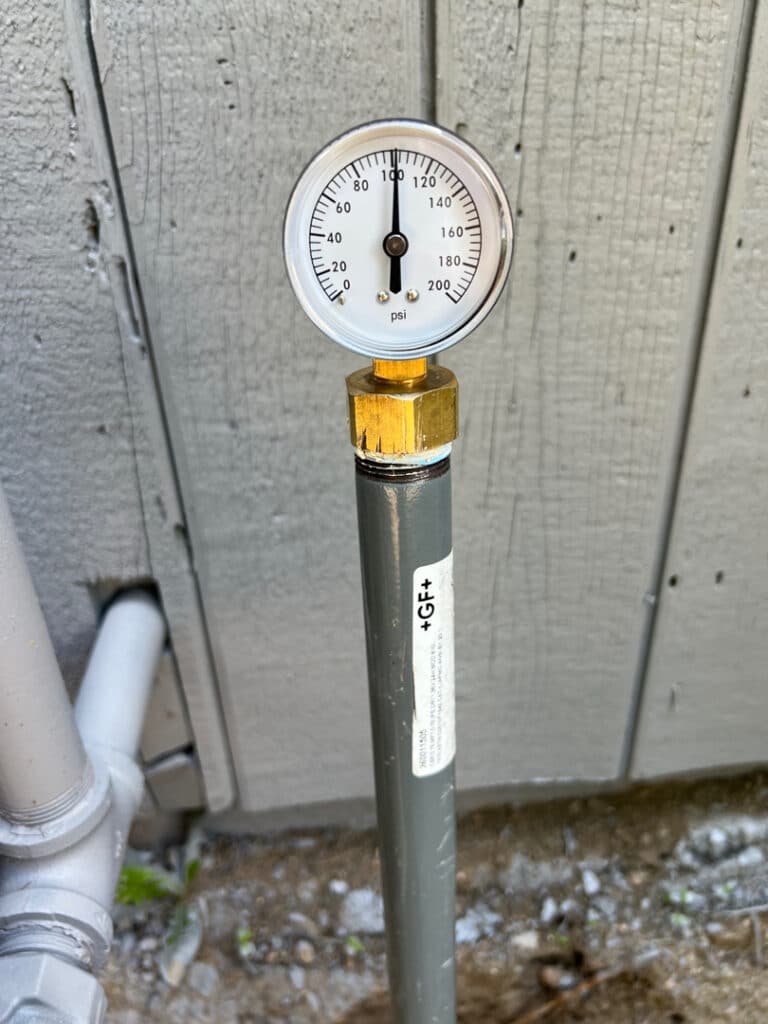
Pressure Testing – We isolate sections of your gas system and test for pressure drops that indicate leaks – even those too small to smell
Electronic Leak Detection – Specialized sensors pinpoint leak locations with precision, minimizing unnecessary excavation or wall access
Diagnosis and Recommendations – We explain exactly what we found, what it means for your safety, and present repair or replacement options
Professional Repair or Installation – Licensed technicians complete all work according to Colorado codes and manufacturer specifications
System Testing and Verification – We pressure test completed work and verify proper operation of all connected appliances
Documentation and Education – You receive complete documentation of work performed and guidance on monitoring your system
Methods and Techniques
Different situations call for different approaches. Our toolkit includes multiple solutions for Boulder's varied gas piping challenges.
Threaded black iron pipe – Traditional material for interior gas lines, properly sealed with approved compounds
Corrugated stainless steel tubing (CSST) – Flexible option for remodels and additions where rigid pipe installation proves difficult
Polyethylene (PE) pipe – Code-approved material for underground exterior gas lines
Electronic combustible gas detectors – Identify even trace amounts of natural gas in enclosed spaces
Manometer pressure testing – Measures system integrity with precision instruments
Communication Throughout the Process
You'll never wonder what's happening with your gas piping project. We provide clear explanations before starting work, updates during the job, and thorough walkthroughs upon completion. If we discover additional issues, we discuss them with you before proceeding – no surprises on your invoice.
Why Choose Cardom Plumbing & Heating
Gas piping work requires specific licensing, training, and insurance that not every plumber carries. Cardom Plumbing & Heating maintains all required Colorado certifications for gas line installation and repair. Our technicians complete ongoing education to stay current with code changes and new materials – particularly those relevant to high-altitude installations.
We've served Boulder and surrounding communities long enough to understand the quirks of local construction. That 1920s bungalow in University Hill has different gas piping considerations than a 1990s tract home in Gunbarrel. Our familiarity with Boulder's neighborhoods – and the typical issues each presents – means faster diagnosis and more appropriate solutions.
What Sets Us Apart
Rapid response – Gas concerns receive priority scheduling because safety cannot wait
Proper permitting – We handle all required permits and coordinate inspections with the City of Boulder
Quality materials – We use commercial-grade fittings and pipes that exceed minimum code requirements
Warranty backing – Our work includes written guarantees, and we return promptly if any issues arise
Clean workmanship – We protect your property during repairs and clean up thoroughly before leaving
When you call about a gas piping concern, you speak with someone who understands the urgency. We don't treat potential gas leaks like routine appointments – they receive the immediate attention they deserve.
Recent Work
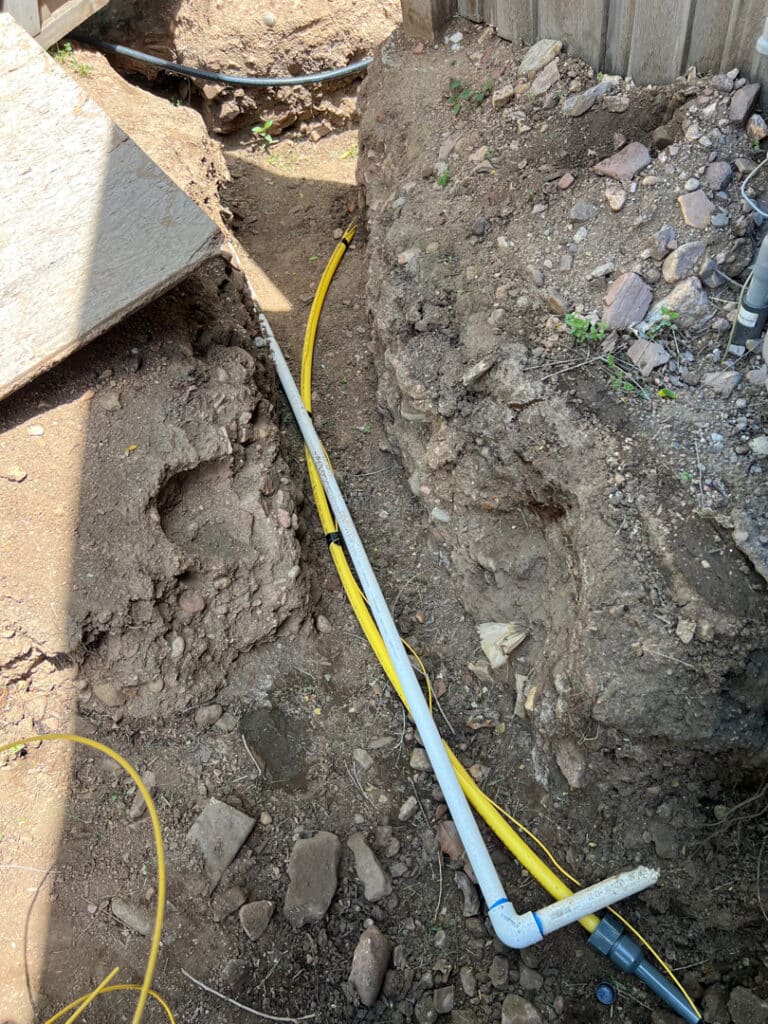
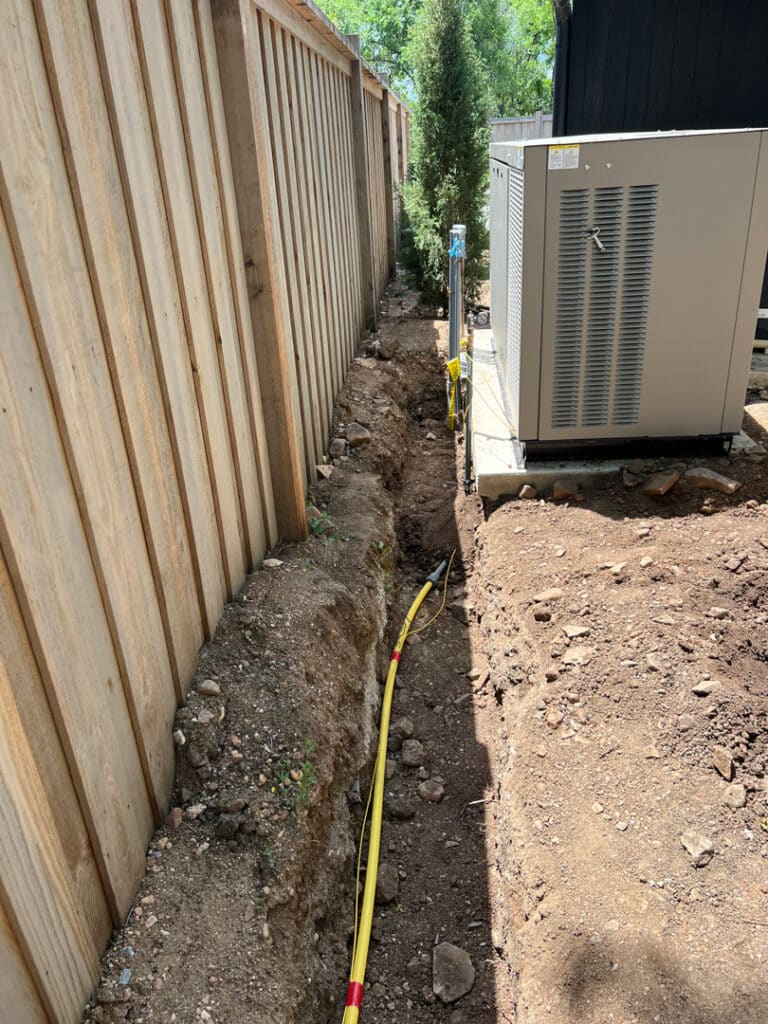
Run Gas Line to New Generator - Boulder
Problem:Deposit on gas piping to generator
Found:Start digging areas homeowner came out and said it needs to be backfilled before I put my pipe in
Fixed:While here he asked that I move gas line going to pool heater so it doesn’t hit generator door, cut and moved with 1 90
Housing Characteristics & Gas Piping Services Considerations
Boulder's housing stock tells the story of the city's growth over more than a century. Each era brought different construction methods, materials, and gas piping approaches that affect how we service homes today.
Historic Properties (Pre-1950)
Neighborhoods like Mapleton Hill, Whittier, and parts of downtown contain homes built when gas lighting was still common. These properties present specific considerations:
Original iron gas lines may show internal corrosion that doesn't appear on external inspection
Pipe routing often follows unconventional paths through plaster walls and unfinished spaces
Shut-off valve locations may not match modern expectations
Additions over the decades may have created a patchwork of different piping materials
Mid-Century Construction (1950-1980)
Boulder's population boom during this period produced homes in Table Mesa, Martin Acres, and similar subdivisions. Gas piping in these homes typically features:
Standardized layouts that make repairs more predictable
Galvanized and black iron combinations that may need updating
Basement mechanical rooms with accessible gas connections
Original water heaters and furnaces often replaced – sometimes with improper gas line modifications
Modern Construction (1980-Present)
Newer developments in Gunbarrel, North Boulder, and east county areas generally have gas systems that meet current codes. However, even recent construction requires attention:
CSST installations need proper bonding to electrical grounding systems
Higher-efficiency appliances may require gas line resizing
Outdoor gas features – fire pits, grills, pool heaters – add complexity to the system
Garage heaters and workshop appliances need dedicated supply lines
Environmental Conditions & Gas Piping Services Implications
Boulder's environmental factors create specific challenges for gas piping systems that technicians must understand and address. From soil conditions to climate patterns, these elements influence installation methods, material selection, and maintenance requirements.
Soil Composition and Ground Movement
Boulder County soils vary significantly across the city – from rocky foothills terrain to clay-heavy plains east of town. These soil characteristics directly impact buried gas lines:
Expansive clay soils – Common in east Boulder, these soils swell when wet and shrink during drought, creating lateral pressure on underground pipes
Rocky substrates – Foothills properties may have gas lines routed around boulders, creating stress points at direction changes
Frost depth – Boulder's frost line extends approximately 36 inches, requiring proper burial depth for exterior gas lines
Drainage patterns – Properties near Boulder Creek or in flood-prone areas face additional ground saturation concerns
Climate Impacts on Gas Systems
Our semi-arid climate with intense seasonal variation affects gas piping in ways that coastal or southern regions never experience.
Freeze-thaw cycling – More than 100 freeze-thaw cycles annually stress pipe joints and fittings
Low humidity – Dry conditions can accelerate certain types of material degradation
UV exposure – High-altitude sun intensity affects any exposed piping or components
Wind events – Chinook winds create rapid temperature changes and can damage exterior gas equipment
Altitude Considerations
At 5,430 feet, Boulder's elevation affects gas combustion and system performance. Appliances must be properly calibrated for altitude – a furnace tuned for sea level will run inefficiently and potentially unsafely here. Gas pressure requirements and pipe sizing calculations must account for our atmospheric conditions.
Natural Gas Infrastructure and Safety Data in Boulder
Boulder's natural gas service comes primarily through Xcel Energy, which maintains an extensive distribution network throughout the city. Understanding this infrastructure helps contextualize the importance of properly maintained gas piping on your property – where your responsibility begins at the meter.
According to the Pipeline and Hazardous Materials Safety Administration (PHMSA), Colorado reports approximately 50-70 significant gas distribution incidents annually statewide. While Boulder maintains a strong safety record, the combination of aging infrastructure in older neighborhoods and rapid development in newer areas creates ongoing maintenance demands. The City of Boulder requires permits and inspections for all gas piping work – a regulation that protects homeowners and ensures code compliance.
Local Gas Infrastructure Facts
Xcel Energy serves approximately 1.5 million natural gas customers across Colorado
Boulder County contains both high-pressure transmission lines and low-pressure distribution mains
The city's 811 call-before-you-dig program receives thousands of locate requests annually – many involving gas lines
Boulder's building department conducts gas line inspections for new installations and significant repairs
Many Boulder homes built before 1970 have gas piping that predates current safety codes
How This Affects Your Gas Piping Needs
The transition point where utility responsibility ends and homeowner responsibility begins – your gas meter – marks where professional gas piping services become relevant. Everything downstream from that meter falls under your maintenance obligation. In Boulder's mix of historic and modern properties, this means widely varying conditions across the city's housing stock.
Cardom Plumbing & Heating works within this regulatory framework, pulling appropriate permits and coordinating inspections for gas piping projects. We understand the specific requirements Boulder enforces and build those into our project timelines. When your gas system needs attention – whether routine maintenance or emergency repair – we bring both technical expertise and local regulatory knowledge to every job.
Common signs of a gas leak include a faint sulfur smell, hissing sounds near gas lines, and dead or dying plants near the gas line. If you notice any of these signs, it's important to leave the area immediately and contact a professional for assistance.
If you experience issues like inconsistent appliance performance, unusual smells, or frequent pilot light outages, your gas piping may need repair. Additionally, if your gas bill has unexpectedly increased, it could indicate a leak or inefficiency in the system.
If you smell gas, evacuate the area immediately and avoid using any electrical devices, including light switches. Once you are at a safe distance, call your gas provider or a qualified technician to report the leak and get assistance.
It's recommended to have your gas lines inspected at least once every few years, especially if your home has older piping or if you notice any issues. Regular inspections can help identify potential problems before they become serious.
Gas line installation typically involves assessing the layout of your property, determining the appropriate materials and sizing for the system, and connecting the lines to your gas meter and appliances. A licensed professional should always handle this process to ensure safety and compliance with local codes.
It is not advisable to perform gas line repairs yourself due to the safety risks involved. Gas lines require specialized knowledge and tools for proper handling. Always hire a qualified technician to ensure the work is done safely and correctly.
The cost of gas piping services can be influenced by several factors, including the complexity of the installation or repair, the materials used, and local labor rates. Additionally, the condition of existing piping and any necessary permits can also impact the overall cost.