Cardom Plumbing & Heating offers expert gas piping services in Louisville, CO, addressing safety and efficiency for home heating systems. Their services include installation, leak detection, and compliance inspections tailored to local conditions.
Gas piping is essential for heating systems, powering appliances like furnaces and water heaters. Immediate professional evaluation is necessary for any gas system issues.
They provide comprehensive services including new installations, system expansions, and thorough inspections to ensure safety and compliance.
Their technicians are licensed and trained in local building codes, ensuring that all work meets safety standards and is tailored to Louisville's unique environmental challenges.
What is the importance of gas piping services in Louisville, CO?
Gas piping services in Louisville, CO are essential for maintaining the safety and efficiency of home heating systems. These services ensure that gas appliances like furnaces, water heaters, and stoves operate correctly. Regular professional evaluations help identify potential issues, preventing dangerous situations and ensuring reliable performance of gas-powered systems.
Gas Piping Services in Louisville, CO
That faint smell near your water heater or the pilot light that won't stay lit – these moments demand immediate attention and expert evaluation. Gas piping forms the backbone of your home's heating system, powering furnaces, water heaters, stoves, fireplaces, and outdoor grills throughout Louisville properties. When something feels off with your gas system, professional assessment isn't optional – it's a safety requirement.
Gas piping services encompass the complete network of pipes, connectors, valves, and fittings that deliver natural gas from the main supply line to every appliance in your home. This includes new installations, system expansions for additional appliances, leak detection and repair, pressure testing, and code compliance inspections. Louisville's unique combination of elevation, temperature extremes, and evolving building codes makes professional gas line work particularly critical.
Safe, code-compliant connections for furnaces, water heaters, ranges, and fireplaces
Pressure testing and leak detection using advanced diagnostic equipment
System expansions for outdoor kitchens, fire pits, and new appliance additions
Thorough inspection protocols that account for Louisville's specific environmental stresses
At 5,280 feet elevation, Louisville homes face distinct challenges that affect gas system performance – from pressure calibration requirements to pipe material selection suited for our freeze-thaw cycles. Professional gas piping work means understanding these local factors while maintaining the highest safety standards.
Cardom Plumbing & Heating provides Gas Piping Services services in all neighborhoods of Louisville including Balfour, Centennial Heights, Cherrywood II, Eagle Place, Paragon Estates, Parco Dello Zingaro, Steel Ranch Subdivision, and Waneka Landing.
Louisville's Front Range location creates a demanding environment for gas piping systems. Homes here experience temperature swings of 40 degrees or more in a single day, especially during spring and fall. These rapid fluctuations cause metal pipes to expand and contract repeatedly, stressing joints and fittings over time.
The clay-heavy soils common throughout the Louisville area present underground challenges as well. Soil movement during wet and dry cycles can shift buried gas lines, potentially compromising connections where pipes enter the foundation. Older homes – particularly those built during Louisville's growth periods in the 1970s through 1990s – may have original gas piping that's now approaching or exceeding its expected service life.
Local Factors Affecting Gas Systems
Elevation effects – Gas appliances require specific orifice sizing and pressure adjustments for proper combustion at altitude; improper calibration leads to inefficiency and potential safety hazards
Freeze-thaw stress – Louisville averages 150+ days per year with temperatures dropping below freezing, creating cumulative stress on pipe joints and underground connections
Soil composition – Expansive clay soils throughout Boulder County can shift several inches seasonally, affecting buried gas line stability
Aging infrastructure – Many Louisville neighborhoods feature homes 30-50 years old with original galvanized or black iron piping approaching replacement age
Seismic considerations – Minor seismic activity along the Front Range can stress rigid pipe connections over time
Renovation demands – Louisville's active home improvement market means frequent requests for gas line extensions to basements, outdoor living spaces, and kitchen upgrades
Warning Signs Requiring Professional Evaluation
Gas system problems often announce themselves before becoming emergencies. Pay attention to these indicators:
Sulfur or rotten egg odor anywhere in your home
Hissing sounds near gas appliances or along pipe runs
Dead vegetation in a line pattern across your yard
Higher-than-normal gas bills without increased usage
Pilot lights that repeatedly extinguish
Yellow or orange flames instead of blue on burners
Our approach to gas piping services prioritizes safety at every step while delivering efficient, lasting solutions for Louisville homeowners. Here's how we handle gas piping projects from initial contact through completion.
Our Gas Piping Process
Initial assessment and consultation – We discuss your concerns, review any symptoms you've noticed, and gather information about your home's gas system history and current appliance setup
Comprehensive system inspection – Our technicians examine visible piping, test connections, check pressure levels, and assess appliance hookups using calibrated detection equipment
Diagnostic testing – We perform pressure decay tests to identify leaks, even those too small to smell, and evaluate system integrity throughout
Detailed findings review – You receive a clear explanation of what we found, what it means for your home, and your options moving forward
Repair or installation work – Licensed technicians complete all work according to current Colorado codes and manufacturer specifications
Final pressure testing and verification – Every project concludes with comprehensive testing to confirm system integrity before we restore gas service
Documentation and walkthrough – We provide documentation of completed work and walk you through any relevant maintenance considerations
Techniques and Methods
Our gas piping work incorporates current best practices and materials suited for Louisville conditions:
Electronic leak detection capable of finding micro-leaks undetectable by smell alone
Pressure testing protocols that exceed minimum code requirements
CSST (corrugated stainless steel tubing) installation for flexibility and earthquake resistance where appropriate
Proper bonding and grounding to protect against electrical hazards
Thread sealant compounds rated for natural gas service
Support and strapping methods that accommodate thermal movement
Communication Throughout Your Project
Gas work can feel stressful – you're dealing with a system that demands respect. We keep you informed at every phase, explaining what we're doing and why. If we discover unexpected conditions, you'll know immediately with clear options presented. No work proceeds without your understanding and approval.
Why Choose Cardom Plumbing & Heating
Gas piping work requires specific licensing, training, and experience that not every plumbing company possesses. Cardom Plumbing & Heating maintains all required Colorado certifications for gas line installation and repair, with technicians who receive ongoing training in current codes and safety protocols. Our familiarity with Louisville's specific requirements – from permit processes to inspection standards – means your project proceeds smoothly from start to finish.
We've served the Louisville community long enough to understand local building patterns, common pipe materials in different neighborhoods, and the specific challenges our climate presents. When you call about a gas smell or need a line extended for a new range, we arrive knowing what we're likely to encounter based on your home's age and location.
What Sets Us Apart
Licensed gas specialists – Our technicians hold specific certifications for gas piping work, not just general plumbing licenses
Emergency response capability – Gas concerns receive priority scheduling because we understand the safety implications
Altitude expertise – We calibrate installations for Louisville's elevation, ensuring proper appliance performance
Thorough documentation – Every gas project includes detailed records for your files and future reference
Code compliance focus – We stay current with Boulder County and state requirements, handling permit coordination when needed
Follow-up commitment – We check in after major gas work to confirm everything operates as expected
Your home's gas system isn't something to entrust to the lowest bidder or a general handyman. Cardom Plumbing & Heating brings the specialized knowledge and careful approach this work demands.
Housing Characteristics & Gas Piping Services Considerations
Louisville's housing stock reflects several distinct development periods, each with characteristic gas piping materials and configurations that inform our service approach.
Historic Downtown and Old Town Louisville
Homes built before 1960 in Louisville's original town center may feature original gas systems that have been modified multiple times over decades. Common characteristics include:
Black iron piping with threaded connections – durable but prone to internal corrosion after 50+ years
Multiple addition points where previous owners extended lines for new appliances
Outdated valve configurations that don't meet current code requirements
Potential for abandoned lines from removed appliances that still contain residual gas
1970s-1990s Subdivisions
Louisville experienced significant growth during this period, producing neighborhoods with relatively consistent construction patterns:
Galvanized and black iron piping now reaching 30-50 years of service
Original installations designed for fewer gas appliances than modern homes typically require
Underground service lines that may show wear from soil movement
Basement and crawlspace routing that can be difficult to access for inspection
Recent Construction and Renovations
Newer Louisville homes and recent remodels typically feature modern materials and configurations:
CSST flexible piping with proper bonding – requires verification of installation quality
Manifold distribution systems allowing individual appliance shutoffs
Higher-capacity service lines supporting multiple high-BTU appliances
Gas provisions for outdoor living features like fire pits and built-in grills
Understanding your home's construction era helps us anticipate what we'll find and prepare appropriate materials and solutions before arriving.
Recent Work
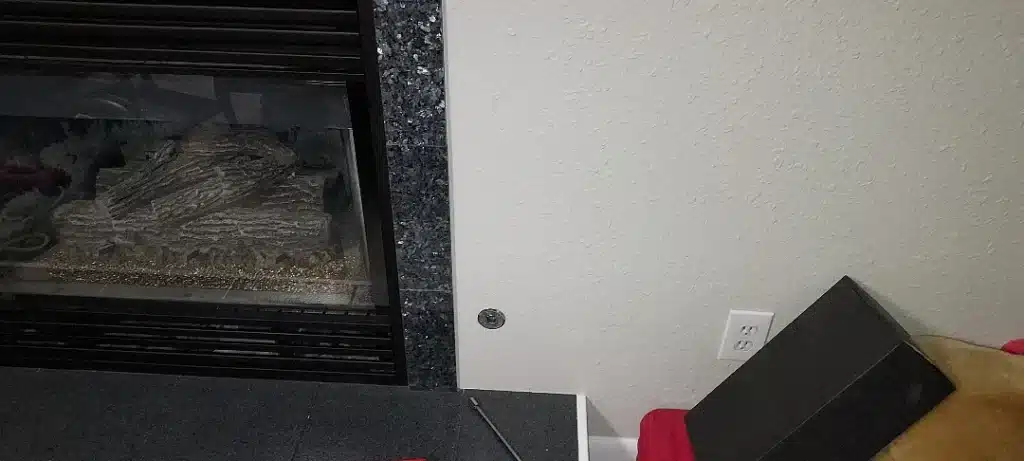
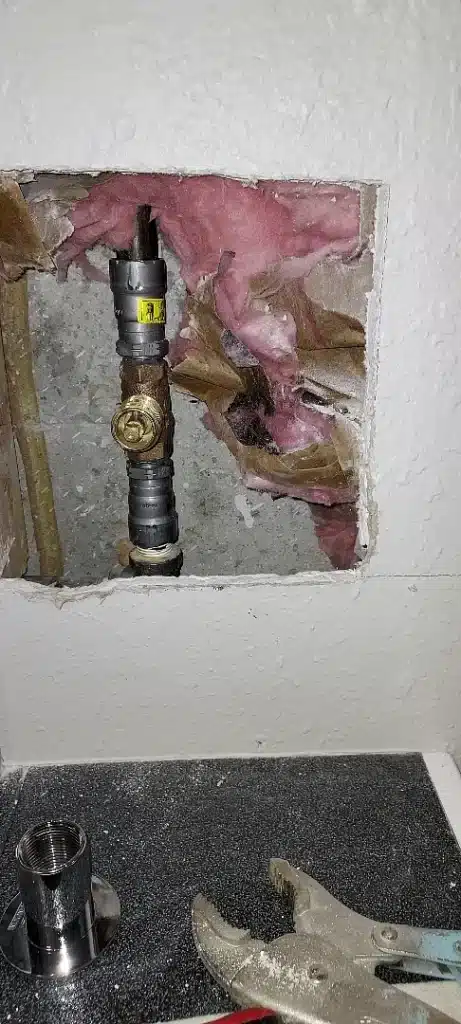
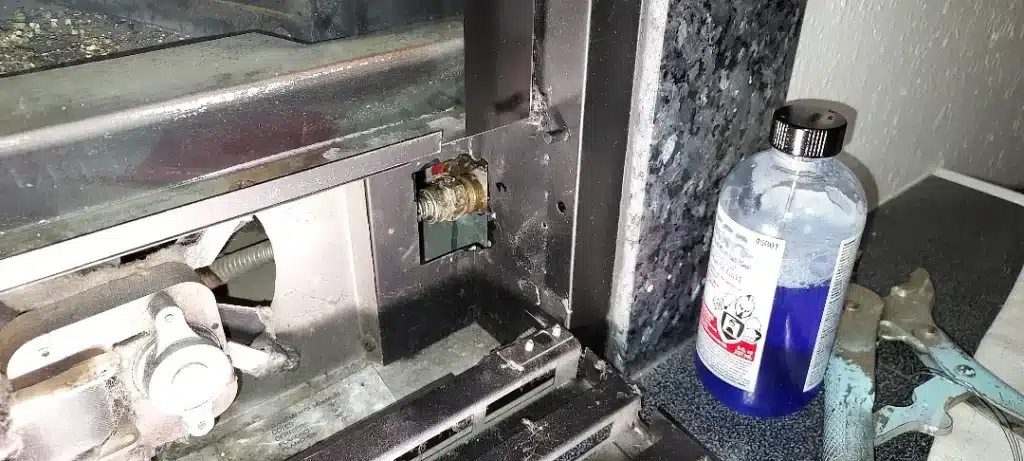
Log Lighter Valve is Leaking - Louisville
Problem:Gas valve to fireplace is leaking
Found:Old valve
Fixed:Installed the new valve. Turned on gas to test for leaks.
Environmental Conditions & Gas Piping Services Implications
Louisville's environmental conditions directly impact gas piping system longevity and performance. Understanding these factors helps explain why local expertise matters for gas line work.
Climate Stress Factors
The Front Range climate subjects gas piping to demanding conditions year-round:
Temperature extremes – Louisville experiences lows near -20°F in winter and highs above 100°F in summer, creating significant thermal expansion cycles in metal piping
Rapid temperature changes – Chinook winds can raise temperatures 30-40 degrees in hours, causing sudden pipe movement
Low humidity – Dry conditions can affect certain sealants and gaskets over time
UV exposure – Any above-ground piping receives intense high-altitude sun exposure that degrades certain materials
Soil and Ground Conditions
Underground gas lines face particular challenges in Louisville's soil environment:
Expansive clay soils swell when wet and shrink when dry, creating movement around buried pipes
Rocky substrates in some areas make trenching difficult and can damage pipe coatings during installation
High water tables in certain Louisville neighborhoods during spring snowmelt can affect underground pipe stability
Soil corrosivity varies across the area, affecting the longevity of metallic underground components
Altitude Considerations
At Louisville's elevation, atmospheric pressure is roughly 17% lower than at sea level. This affects gas piping and appliance operation in several ways:
Gas pressure regulation requires altitude-specific calibration
Appliance orifices must be sized for high-altitude operation
Combustion air requirements differ from sea-level specifications
Venting calculations must account for reduced atmospheric pressure
These environmental realities make Louisville gas piping work distinct from similar services in other regions. Local experience translates directly to better outcomes.
Natural Gas Infrastructure and Safety Data in Louisville
Louisville receives natural gas service primarily through Xcel Energy's distribution network, which supplies the majority of Boulder County residential and commercial customers. The local distribution system includes miles of underground mains throughout Louisville's neighborhoods, with individual service lines connecting to each property. Understanding this infrastructure context helps homeowners appreciate the importance of proper gas piping maintenance.
Regional Gas Safety Statistics
Colorado's gas safety record provides important context for Louisville homeowners:
The Colorado Public Utilities Commission reports hundreds of gas leaks annually across the state's distribution systems, with excavation damage being the leading cause
Boulder County fire departments respond to multiple gas-related incidents each year, ranging from minor leaks to more serious situations
Aging infrastructure remains a concern – portions of Colorado's gas distribution network date back several decades
The Colorado 811 "Call Before You Dig" program receives thousands of requests monthly in the Front Range area, highlighting the density of underground utilities
Local Service Demand Patterns
Gas piping service needs in Louisville follow predictable patterns tied to local conditions:
Fall peak – Heating system startups reveal issues that developed over summer, driving increased service calls in September and October
Post-freeze inspections – Severe cold snaps prompt homeowners to verify system integrity
Spring renovation season – Outdoor kitchen and fire pit installations surge as weather improves
Real estate transactions – Home sales often trigger gas line inspections as part of due diligence
Louisville's continued growth and active renovation market mean steady demand for qualified gas piping services. New construction in surrounding areas adds pressure on available skilled tradespeople, making established local providers particularly valuable for timely service. Cardom Plumbing & Heating maintains the capacity and expertise to serve Louisville's gas piping needs throughout these demand cycles.
Gas piping services involve the installation, maintenance, and repair of the network of pipes that deliver natural gas to appliances in your home, such as furnaces, water heaters, and stoves. These services also include leak detection, pressure testing, and ensuring compliance with local building codes.
Signs that you may need gas piping services include a faint smell of gas, a pilot light that won't stay lit, or appliances that are not functioning properly. If you notice any of these issues, it is important to contact a professional immediately for an assessment.
During a gas piping inspection, a technician will evaluate the entire gas system, checking for leaks, proper pressure levels, and code compliance. They may use advanced diagnostic equipment to detect issues and ensure that all connections are secure and functioning safely.
Yes, when performed by licensed professionals, gas piping services are safe. These experts follow strict safety protocols and local regulations to ensure that your gas system operates efficiently and without risk of leaks or other hazards.
It is recommended to have your gas piping inspected at least once every few years, or more frequently if you notice any issues. Regular inspections help identify potential problems early and ensure the safety and efficiency of your gas system.
Installing gas piping yourself is not advisable due to the safety risks and complexities involved. It is best to hire a licensed professional who understands local codes and can ensure that the installation is done safely and correctly.
In Louisville, factors such as elevation, temperature extremes, and soil conditions can significantly affect gas piping systems. Professionals must consider these local conditions when installing or repairing gas lines to ensure optimal performance and safety.