Gas piping issues in Thornton, CO, are common and require immediate professional attention due to safety concerns. Our services include installation, repair, inspection, and maintenance of gas lines for various appliances, ensuring compliance with local codes.
We identify gas piping problems using specialized techniques and equipment. Our technicians are certified and trained in current fuel gas codes for safety and compliance. We provide clear communication and updates throughout the service process, ensuring peace of mind for homeowners.
Gas Piping Services in Thornton, CO That faint sulfur smell near your water heater.
A pilot light that won’t stay lit.
What are the signs of gas piping problems in Thornton, CO?
Signs of gas piping problems in Thornton, CO include a faint sulfur smell near appliances, pilot lights that won't stay lit, and appliances that struggle to maintain consistent heat. These issues indicate potential gas line problems that require immediate professional attention to ensure safety and proper functioning.
Gas Piping Services in Thornton, CO
That faint sulfur smell near your water heater. A pilot light that won't stay lit. Appliances that struggle to maintain consistent heat. These warning signs often point to gas piping problems that demand immediate professional attention – and in Thornton's rapidly developing neighborhoods, gas line issues are more common than many homeowners realize.
Gas piping services encompass the complete installation, repair, inspection, and maintenance of the lines that deliver natural gas throughout your home. This includes connections to furnaces, water heaters, stoves, dryers, fireplaces, and outdoor grills. The work requires specialized training, precise pressure testing, and strict adherence to Colorado fuel gas codes that protect your family from leaks, carbon monoxide exposure, and combustion hazards.
Why Professional Gas Line Diagnosis Matters
Unlike a dripping faucet or slow drain, gas piping problems carry serious safety implications. Thornton's elevation of approximately 5,350 feet affects combustion efficiency, while our dramatic temperature swings – from summer highs above 90°F to winter lows well below zero – stress pipe joints and connections throughout the year. Homes built during different eras of Thornton's growth feature varying pipe materials and installation standards.
Proper leak detection using electronic sensors and pressure decay testing identifies problems invisible to the naked eye
Professional assessment determines whether repairs, partial replacement, or complete repiping serves your home best
Code-compliant installations protect your family and maintain your homeowner's insurance coverage
Documented inspections provide peace of mind and add value when selling your property
Thornton's position along the Front Range creates specific challenges for residential gas systems. The city's explosive growth from a small farming community to over 140,000 residents means neighborhoods contain homes spanning several decades of construction standards. Older sections near original Thornton feature galvanized steel and black iron pipes that have weathered fifty-plus years of Colorado's demanding climate.
The clay-heavy soils prevalent throughout Adams County shift seasonally as moisture levels change. This ground movement places stress on underground gas lines, particularly at connection points where rigid pipes meet flexible connectors. Homes in newer developments like Thorncreek and North End may have modern CSST (corrugated stainless steel tubing), but improper bonding during installation leaves these systems vulnerable to electrical damage during our frequent lightning storms.
Seasonal Stress Factors
Winter heating demands push gas systems to their limits precisely when failures create the greatest hardship. The temperature differential between a 95°F August afternoon and a -15°F January night causes metal pipes to expand and contract repeatedly, loosening threaded connections over time.
Soil expansion and contraction – Thornton's clay soils swell when wet and shrink when dry, creating underground movement that stresses buried gas lines
Altitude-related combustion issues – Appliances require specific orifice sizing for proper operation at our elevation, and improperly adjusted equipment burns inefficiently
Corrosion from moisture intrusion – Condensation inside pipes during temperature swings accelerates internal corrosion in older steel lines
Settlement in newer construction – Recently developed areas experience foundation settling that can stress gas line entry points
Rodent damage – Prairie dogs and other burrowing animals common to Thornton can damage underground gas lines and protective coatings
Lightning strike vulnerability – Improperly bonded CSST systems can arc during electrical storms, creating pinhole leaks
Warning Signs Requiring Immediate Attention
Gas leaks don't always announce themselves with obvious odors. Watch for these indicators that suggest your gas piping needs professional evaluation:
Dead vegetation in a line pattern across your yard
Hissing or whistling sounds near gas appliances or meters
Higher-than-expected gas bills without increased usage
Appliances producing yellow or orange flames instead of blue
Soot buildup around furnace or water heater burners
Physical symptoms like headaches or nausea when home
Our approach to gas piping services prioritizes safety at every step while minimizing disruption to your daily routine. We've refined our processes specifically for Thornton's housing stock and local conditions.
Our Gas Piping Service Process
Initial safety assessment – We arrive equipped with combustible gas detectors and immediately survey for active leaks before proceeding with any diagnostic work
System documentation – We map your existing gas piping layout, noting pipe materials, connection types, appliance locations, and any previous repairs
Pressure testing – Using calibrated manometers, we isolate sections of your system to identify pressure drops that indicate leaks too small to detect by smell
Problem identification – We pinpoint specific failure points and explain what we've found using photos and diagrams you can understand
Solution presentation – We outline repair options with clear explanations of what each approach involves and how it addresses the underlying issue
Permit coordination – When required by Thornton building codes, we handle permit applications and schedule inspections
Installation or repair execution – Our technicians complete the work using approved materials and techniques that meet or exceed code requirements
Final testing and verification – We pressure test all completed work and verify proper operation of connected appliances before considering the job complete
Diagnostic Methods and Techniques
Identifying gas piping problems requires specialized equipment and systematic evaluation. Our diagnostic toolkit includes:
Electronic combustible gas detectors sensitive to parts-per-million concentrations
Infrared cameras for identifying temperature anomalies at connection points
Digital manometers for precise pressure decay testing
Borescope cameras for visual inspection inside accessible pipe sections
Soap solution testing for pinpointing exact leak locations
Communication Throughout the Process
Gas piping work can feel stressful when you're uncertain about safety or timeline. We address this by providing clear updates at each phase:
Immediate notification if we discover any safety concerns requiring urgent action
Written scope of work before beginning any repairs
Progress updates during longer installations
Walkthrough of completed work showing what was done and why
Documentation of all testing results for your records
Recent Work
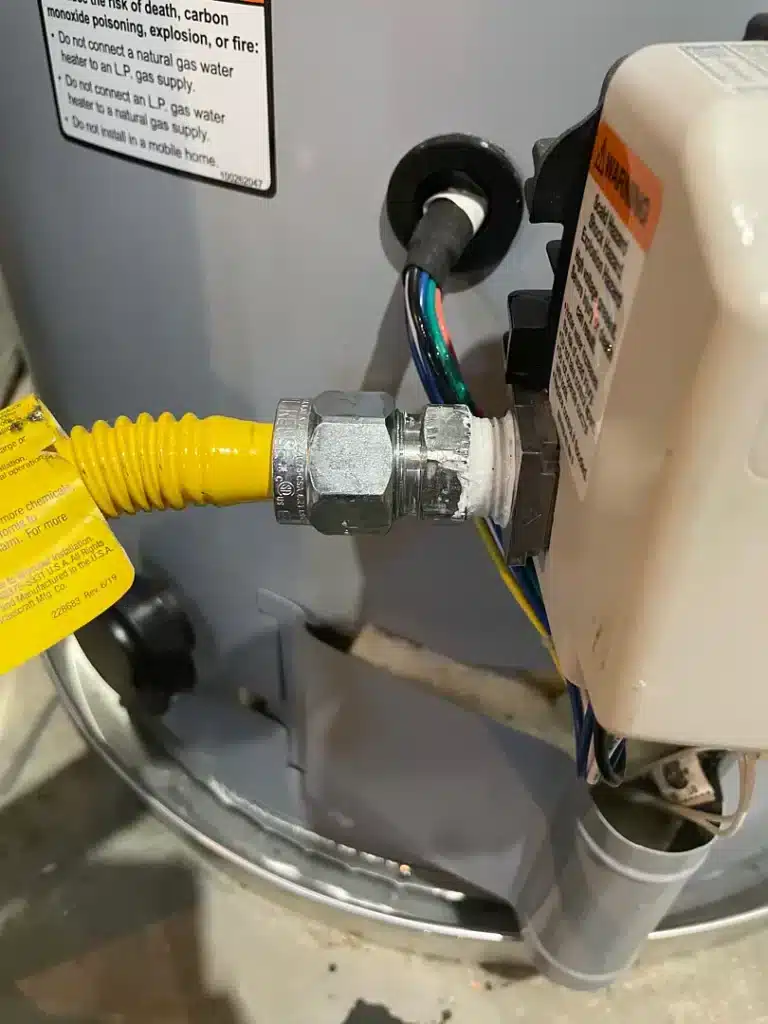
Repair Gas Leak at Water Heater - Thornton
Problem:Find and repair gas leak at water heater.
Found:Found small leak on gas flex connector.
Fixed:Turned off gas and disconnected i/2 union fitting. Applied pipe dope and tightened fitting. Turned on gas and tested all joints
Outcome:Tested and no leak.
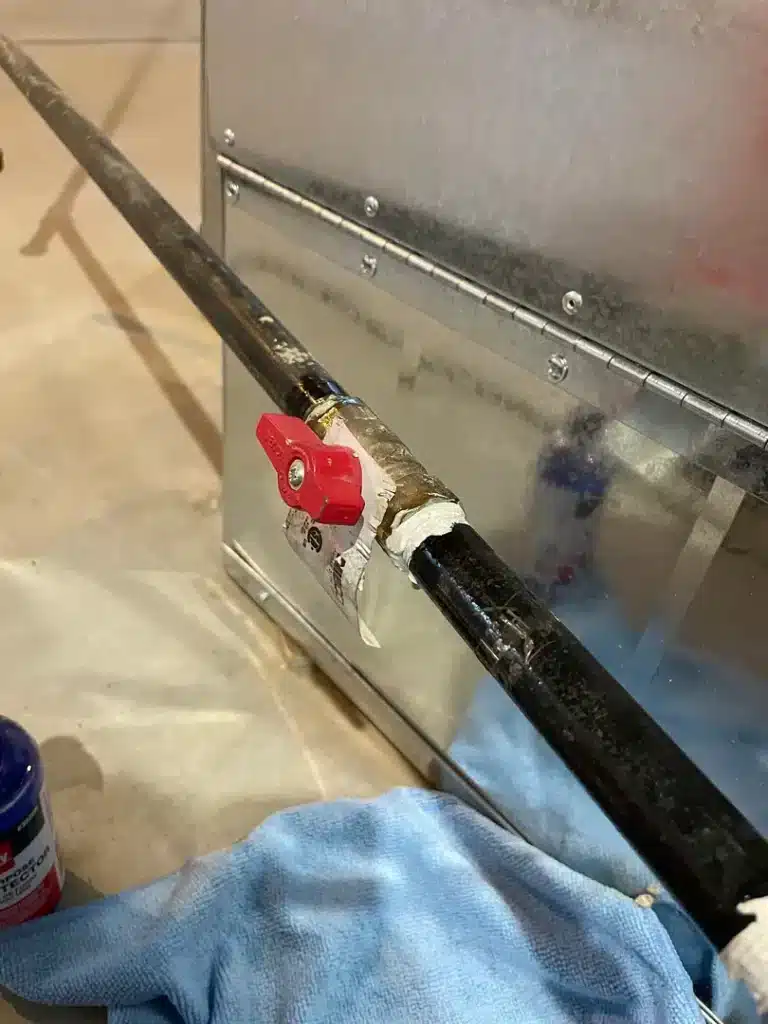
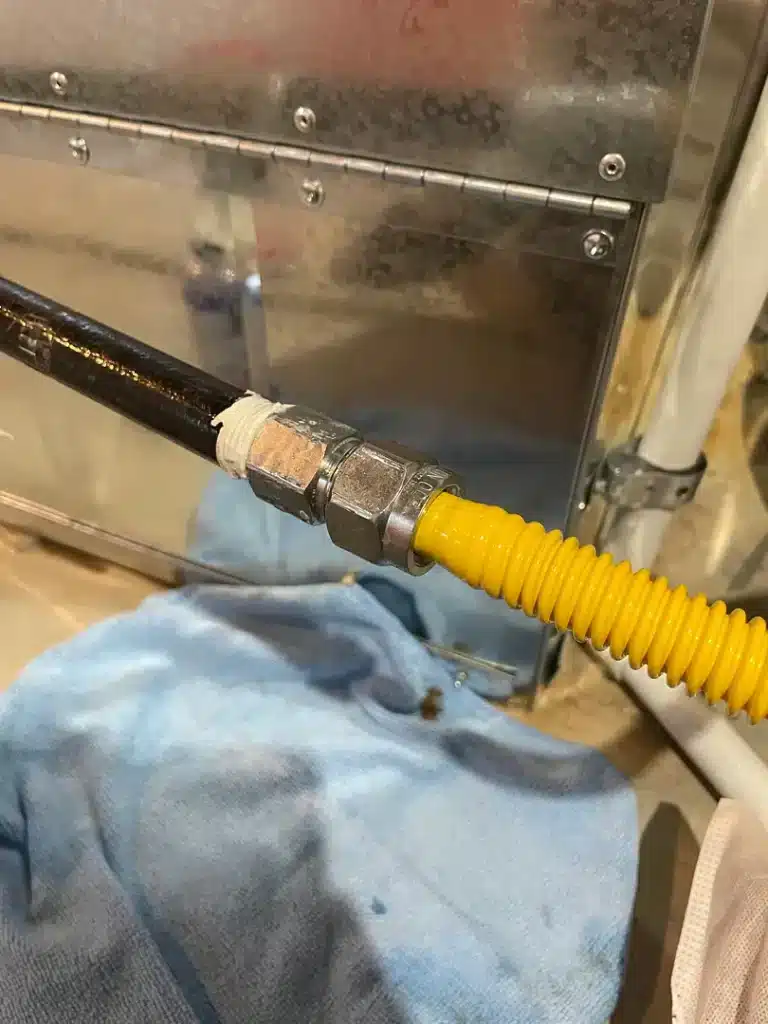
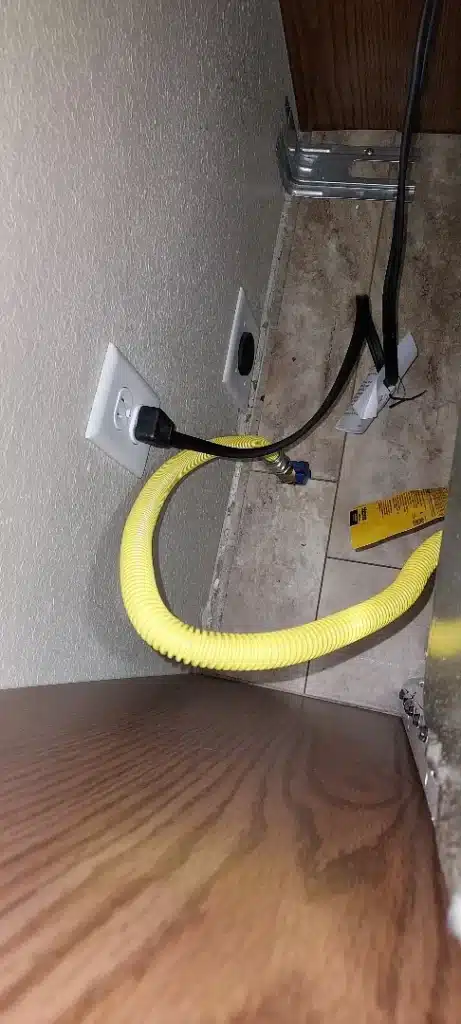
Hook up gas to new stove - Thornton
Problem:Gas to new stove.
Found:Replaced existing gas cock.
Fixed:Replace gas valve with new. Installed. Installed flexible gas supply provided by Arvada Appliance.
Outcome:Tested for function and gas leaks.
Why Choose Cardom Plumbing & Heating
Gas piping work demands technicians who understand both the technical requirements and the local factors that affect system performance. Our team brings specific qualifications that matter for Thornton homeowners facing gas line concerns.
Credentials That Protect You
Every Cardom technician working on gas systems holds current certifications and maintains ongoing training in fuel gas codes. We carry comprehensive liability insurance and bonding specifically covering gas piping work – protection that matters if something goes wrong. Our familiarity with Thornton's building department processes means permit inspections proceed smoothly without delays that leave your system partially completed.
Licensed master plumbers with gas piping endorsements
Ongoing training in current Colorado fuel gas code requirements
Manufacturer certifications for CSST installation and bonding
Full insurance coverage specific to gas system work
Local Knowledge in Action
We've worked in Thornton neighborhoods from the original downtown area to the newest developments north of 144th Avenue. This experience translates into faster diagnosis because we recognize the pipe materials, installation methods, and common failure points characteristic of each era of construction. When you describe your home's age and location, we often arrive with a good idea of what we'll find.
Response and Follow-Up
Gas concerns don't wait for convenient scheduling. We maintain capacity for same-day response to potential gas leaks and prioritize safety calls above routine work. After completing repairs, we follow up to verify your system continues operating properly and address any questions that arise once you've had time to observe the results.
Housing Characteristics & Gas Piping Services Considerations
Thornton's residential landscape reflects distinct phases of development, each bringing characteristic gas piping configurations that influence service needs today.
Original Thornton (1950s–1970s)
The neighborhoods surrounding Thornton's historic downtown feature predominantly single-story ranch homes built when the community first incorporated. These properties typically contain:
Black iron or galvanized steel gas piping with threaded connections
Original pipe runs that have experienced decades of thermal cycling
Smaller-diameter lines sized for fewer gas appliances than modern homes use
Underground service lines that may predate current corrosion protection standards
Growth Era Construction (1980s–2000s)
Thornton's population surge during this period produced subdivisions throughout the central and eastern portions of the city. Homes from this era often feature:
Combination systems using black iron for main runs with flexible connectors at appliances
Early CSST installations that may lack proper electrical bonding
Larger homes with extended pipe runs to multiple gas appliances
Basement installations that have experienced some settlement
Recent Development (2010–Present)
Newer communities in northern Thornton and redeveloped areas feature modern construction methods. These homes typically include:
CSST flexible gas piping requiring specific bonding to electrical systems
Manifold distribution systems that simplify future modifications
Outdoor gas connections for grills, fire pits, and pool heaters
High-efficiency appliances with specific venting and gas supply requirements
Understanding which era produced your home helps us anticipate the materials and configurations we'll encounter, allowing faster diagnosis and more accurate repair planning.
Environmental Conditions & Gas Piping Services Implications
Thornton's environmental characteristics create specific stresses on gas piping systems that differ from other Front Range communities.
Climate Impacts on Gas Systems
The semi-arid climate produces temperature extremes that challenge pipe materials and connections. Winter lows regularly drop below zero while summer temperatures exceed 95°F – a swing of over 100 degrees that causes significant thermal expansion and contraction in metal piping.
Threaded connections loosen over repeated thermal cycles
Rubber and plastic components in older flexible connectors degrade faster in low humidity
Condensation inside pipes during rapid temperature changes promotes internal corrosion
Frozen ground prevents easy access for underground repairs during winter months
Soil Conditions and Underground Lines
Adams County soils contain significant clay content that expands when wet and contracts when dry. This seasonal ground movement affects underground gas service lines, particularly at the transition points where pipes enter foundations or connect to meters.
Clay expansion can shift pipe positions, stressing joints
Corrosive soil conditions attack unprotected metal surfaces
High water tables in some areas during spring runoff accelerate corrosion
Rocky subsurface layers in certain neighborhoods complicate excavation for repairs
Altitude Effects on Gas Appliances
At 5,350 feet elevation, Thornton's thinner atmosphere affects how gas burns in appliances. Furnaces, water heaters, and other equipment require high-altitude orifices and adjustment to operate efficiently. Improperly configured appliances can produce:
Reduced heating capacity and higher fuel consumption
Premature heat exchanger failure from overheating
When we service gas piping, we verify that connected appliances are properly configured for our altitude – a detail that out-of-area contractors sometimes overlook.
Natural Gas Infrastructure and Utility Data in Thornton
Xcel Energy serves as the primary natural gas provider throughout Thornton, maintaining an extensive distribution network that has expanded alongside the city's growth. The utility's infrastructure in the area includes both aging mains in established neighborhoods and modern polyethylene piping in newer developments. Understanding this infrastructure context helps explain why certain gas piping issues occur more frequently in specific parts of the city.
Service Area Statistics
Xcel Energy's Colorado service territory encompasses over 1.4 million natural gas customers, with Thornton representing one of the larger residential concentrations in the Denver metro area. Key infrastructure data relevant to homeowners includes:
Average residential gas pressure delivered at 0.25 to 0.5 PSI – lower than many homeowners expect
Seasonal demand fluctuations of 300% or more between summer and winter months
Ongoing pipeline replacement programs targeting pre-1970 steel and cast iron mains
Mandatory leak surveys conducted on distribution mains throughout residential areas
How Infrastructure Age Affects Your Home
Homes connected to older distribution mains may experience pressure fluctuations during peak demand periods. If your furnace struggles to maintain temperature on the coldest days while neighbors report similar issues, the problem may originate in the distribution system rather than your home's piping. However, internal gas line problems often mask themselves as utility issues – proper diagnosis distinguishes between the two.
When Xcel Energy upgrades nearby mains, the transition can affect service line connections at your meter. We frequently assist homeowners whose gas service interruptions during utility work revealed pre-existing problems in their home's piping that had gone unnoticed. These situations present opportunities to address aging components before they fail during critical heating season demands.
Utility meter upgrades may require corresponding updates to home piping connections
Distribution pressure changes can stress older regulators and valves
New high-efficiency appliances may require gas line upsizing for proper BTU delivery
Adding appliances like generators or pool heaters often exceeds original pipe capacity
Common signs include a faint sulfur smell near appliances, a pilot light that won't stay lit, or appliances that struggle to maintain consistent heat. If you notice any of these issues, it's important to seek professional help immediately.
It's recommended to have your gas piping inspected at least once every few years, especially if your home is older or if you've noticed any issues. Regular inspections can help identify potential problems before they become serious.
Gas piping services in Thornton include installation, repair, inspection, and maintenance of gas lines. These services cover connections to various appliances such as furnaces, water heaters, stoves, and outdoor grills.
Yes, when performed by licensed professionals, gas piping services are safe. Professionals follow strict Colorado fuel gas codes to protect your home from leaks and other hazards, ensuring a secure installation.
You can find reliable gas piping services by checking online reviews, asking for recommendations from friends or family, and verifying that the company is licensed and insured. It's also helpful to request quotes from multiple providers.
If you smell gas, evacuate the area immediately and avoid using any electrical devices or open flames. Once you are safely outside, call your gas company or a professional gas piping service to report the issue.
The cost of gas piping services can vary widely based on the scope of work, materials used, and local labor rates. It's best to get estimates from several professionals to understand the potential costs for your specific needs.