Gas leaks in Highlands Ranch, CO require immediate attention due to their serious nature. The unique environmental conditions at this elevation necessitate specialized expertise for effective diagnosis and repair of gas distribution systems.
A faint sulfur smell near appliances indicates a potential gas leak that needs urgent inspection.
Highlands Ranch's altitude and soil conditions create specific vulnerabilities in gas systems that can lead to leaks.
Professional repairs include thorough diagnostics, pressure testing, and compliance with local codes to ensure safety and reliability.
What is a gas leak repair in Highlands Ranch, CO?
Gas leak repair in Highlands Ranch, CO involves addressing leaks in residential and commercial properties that can pose serious safety risks. Due to the area's elevation, unique challenges arise in natural gas combustion and distribution, necessitating specialized expertise to ensure safe and effective repairs.
Gas Leak Repair in Highlands Ranch, CO
That faint sulfur smell near your furnace or water heater demands immediate attention. Gas leaks in residential and commercial properties represent one of the most serious plumbing and heating emergencies homeowners face – and at Highlands Ranch's elevation of 5,920 feet, the dynamics of natural gas combustion and distribution create unique challenges that require specialized expertise.
Gas leak repair encompasses the complete diagnostic and remediation process for natural gas distribution systems within your property. This includes inspection of gas lines running to furnaces, water heaters, stoves, fireplaces, outdoor grills, and any other gas-powered appliances. Professional diagnosis matters because gas leaks often occur in concealed locations – behind walls, beneath flooring, or in underground service lines – where amateur detection methods fail to identify the source.
Key Benefits of Professional Gas Leak Repair
Electronic leak detection equipment pinpoints exact locations without unnecessary excavation or wall damage
Pressure testing verifies complete system integrity after repairs are completed
Proper pipe sizing and installation prevents future leaks caused by thermal expansion at high altitude
Code-compliant repairs satisfy Xcel Energy requirements and local building inspections
Highlands Ranch homes face specific gas system stressors including dramatic temperature swings between day and night, soil movement from expansive clay conditions, and the effects of altitude on gas pressure regulation. These factors make professional assessment and repair essential for protecting your family and property.
The Douglas County region's unique geological and climate conditions create specific vulnerabilities in residential gas systems. Understanding these local factors helps homeowners recognize when professional intervention becomes necessary.
Highlands Ranch sits on expansive clay soils that shift dramatically between wet and dry seasons. This soil movement places stress on underground gas service lines and can cause connections to loosen or pipes to crack over time. Homes built during the community's rapid development phases – particularly from 1981 through the early 2000s – may have gas piping materials and installation methods that are now showing age-related deterioration.
Local Factors Contributing to Gas Leak Needs
Expansive clay soil causing underground pipe movement and joint separation
Temperature fluctuations exceeding 40 degrees in a single day, stressing pipe fittings
High altitude affecting gas pressure regulation and appliance combustion efficiency
Aging flexible gas connectors in homes built before updated safety standards
Freeze-thaw cycles damaging exterior gas meter connections and regulators
Settling foundations in newer construction affecting interior gas line routing
Warning Signs Requiring Immediate Attention
Gas leaks often announce themselves through multiple sensory indicators. Recognizing these signs quickly can prevent dangerous accumulations.
Rotten egg or sulfur odor near appliances, walls, or in specific rooms
Hissing or whistling sounds near gas lines or appliance connections
Dead vegetation in otherwise healthy landscaping – particularly in linear patterns
Bubbling in standing water or wet areas near underground gas lines
Higher than normal gas bills without increased usage
Pilot lights that repeatedly extinguish or burn with irregular flame color
Physical symptoms like headaches, dizziness, or nausea when inside the home
Seasonal considerations play a significant role in gas leak frequency. Fall heating system startups often reveal leaks that developed during summer dormancy. Winter's extreme cold causes metal contraction that can open gaps in threaded connections. Spring soil saturation increases ground movement around buried lines.
Our gas leak repair process follows a systematic approach designed to locate, assess, and permanently resolve gas system issues while minimizing disruption to your home and daily routine.
Our Step-by-Step Gas Leak Repair Process
Emergency Response and Safety Assessment – Upon arrival, we immediately evaluate the situation, ensure occupant safety, and determine whether gas service should be shut off at the meter
Electronic Leak Detection – Using combustible gas detectors and ultrasonic equipment, we systematically trace the entire gas distribution system to identify all leak locations
Pressure Testing – We isolate system sections and perform pressure decay tests to confirm leak locations and identify any additional compromised areas
Repair Planning and Options – Based on findings, we explain the scope of needed repairs, available methods, and any code upgrade requirements
Repair Execution – Our licensed technicians complete repairs using approved materials and methods compliant with Colorado fuel gas codes
Post-Repair Pressure Testing – Every repair undergoes pressure testing to verify complete system integrity before gas service restoration
Appliance Reconnection and Testing – We relight pilots, verify proper appliance operation, and check combustion air supply
Documentation and Utility Coordination – When required, we coordinate with Xcel Energy for service line issues and provide documentation for insurance or permit purposes
Detection and Repair Techniques
Combustible gas analyzers capable of detecting concentrations as low as 1 part per million
Ultrasonic leak detection for pressurized line assessment
Soap solution testing for visual confirmation at suspected joint locations
Infrared imaging to trace gas migration paths behind walls
Pipe thread sealant compounds rated for natural gas service
CSST bonding and grounding verification for flexible gas line installations
Communication remains central to our process. We explain findings in plain language, provide photographs of problem areas when accessible, and ensure you understand both the immediate repair and any recommended preventive measures for long-term system reliability.
Recent Work
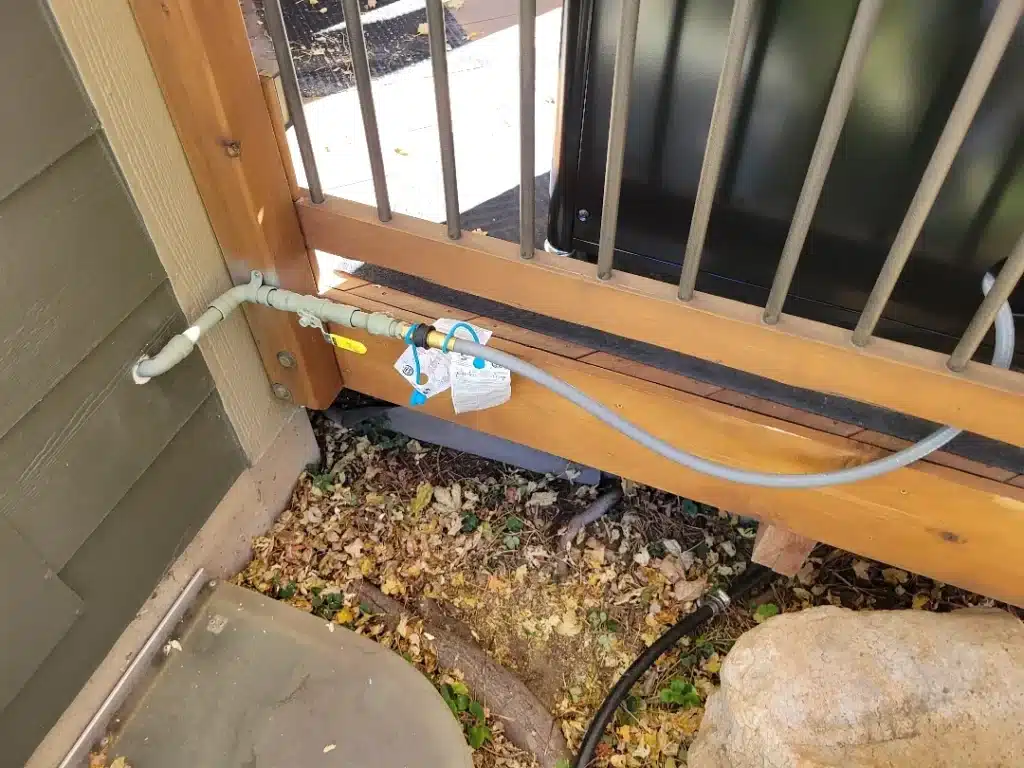
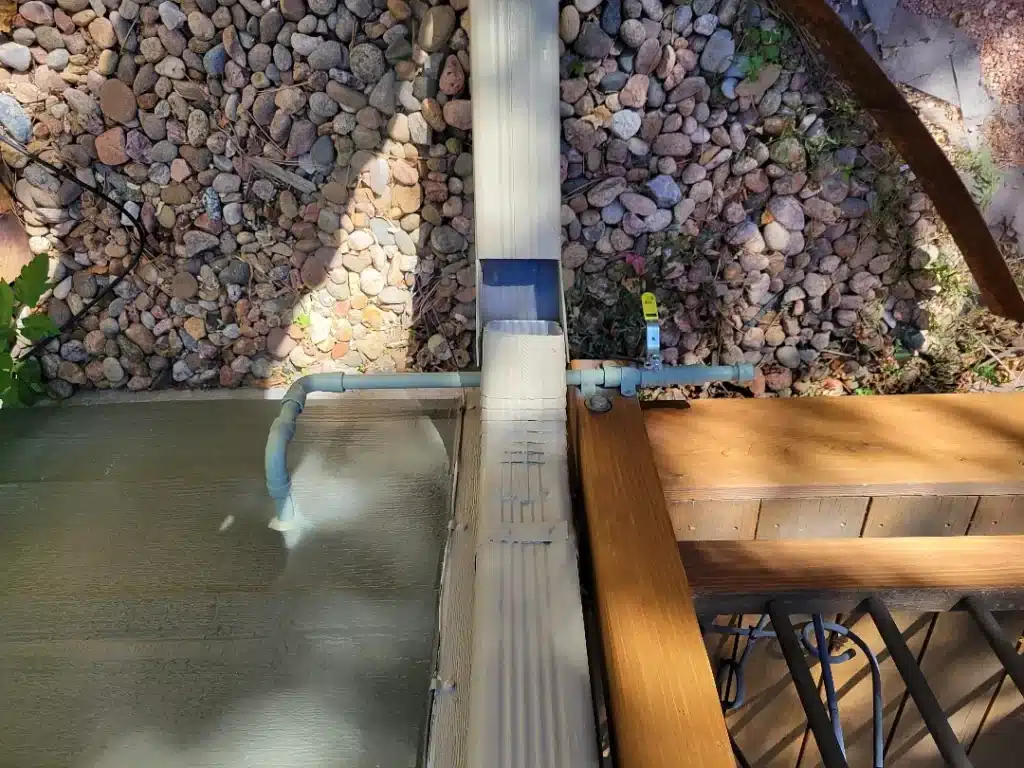
Gas Piping to Both BBQ Locations - Highlands Ranch
Problem:Gas piping to two locations on the back deck
Found:Layout for gas piping to two gas termination on the back deck.
Fixed:Cut in tee fitting on the main line from the gas meter *1 1/4"). Run 3/4" CSST to the area of the first termination. Install 3/4" X 1/2" X 1/2" CSST tee fitting. Run 1/2" CSST to the termination area where the next termination is located. Drill outside and run 1/2" black pipe and fittings behind the deck railing for the new gas lines. Install gas valves on both lines. Plug the unused line. Tie in the quick-connect fitting to the second termination behind the new BBQ grill.
Outcome:Turn on gas and test all joint for leaks. Paint all exposed steel pipe with Rustoleum paint.. Jobsite cleanup.
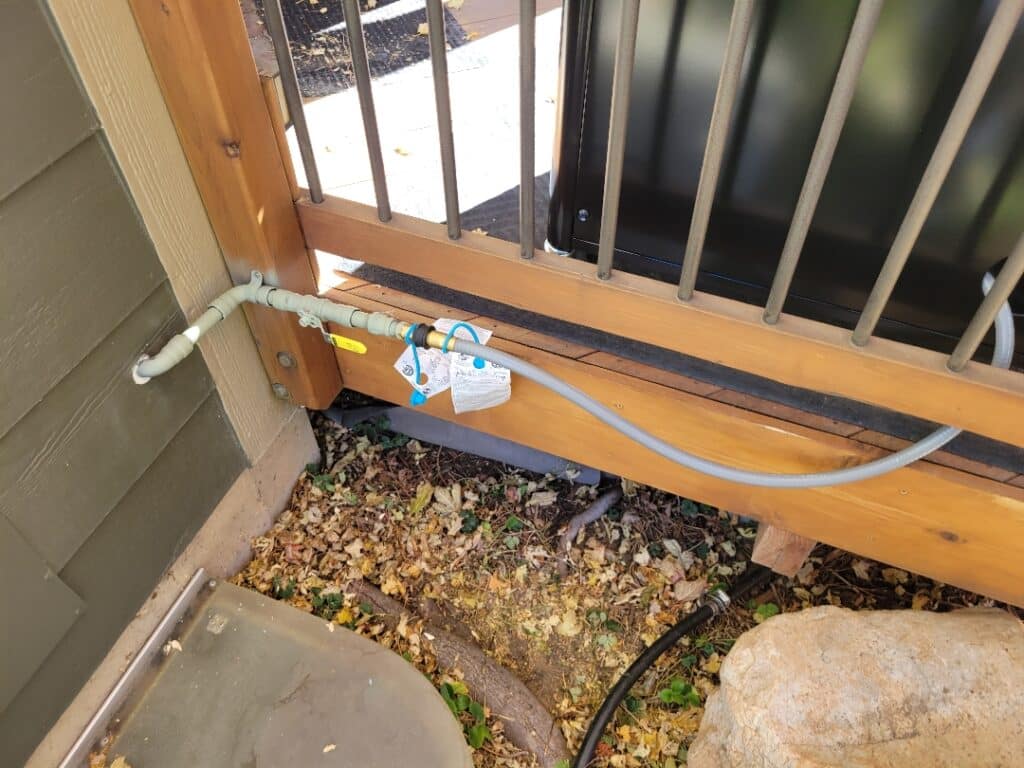
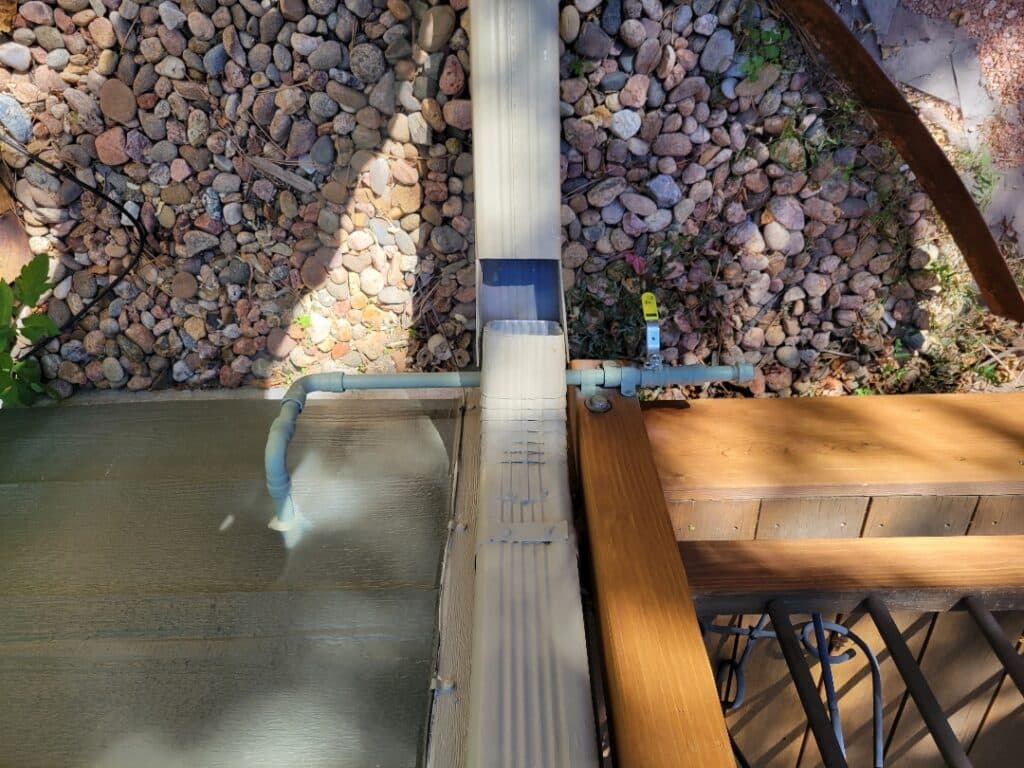
Gas Piping to Both BBQ Locations - Highlands Ranch
Problem:Gas piping to two locations on the back deck
Found:Layout for gas piping to two gas termination on the back deck.
Fixed:Cut in tee fitting on the main line from the gas meter *1 1/4"). Run 3/4" CSST to the area of the first termination. Install 3/4" X 1/2" X 1/2" CSST tee fitting. Run 1/2" CSST to the termination area where the next termination is located. Drill outside and run 1/2" black pipe and fittings behind the deck railing for the new gas lines. Install gas valves on both lines. Plug the unused line. Tie in the quick-connect fitting to the second termination behind the new BBQ grill.
Outcome:Turn on gas and test all joint for leaks. Paint all exposed steel pipe with Rust oleum paint.
Why Choose Cardom Plumbing & Heating
Gas system work demands specific credentials and experience that general contractors simply cannot match. Cardom Plumbing & Heating maintains all required licensing for fuel gas installation and repair in Douglas County, along with ongoing training on current codes and equipment advances.
Our technicians understand the specific challenges of working in Highlands Ranch – from the altitude considerations affecting gas pressure and combustion to the soil conditions impacting underground lines. This local knowledge translates to faster, more accurate diagnostics and repairs that address root causes rather than just symptoms.
What Sets Our Gas Leak Services Apart
24/7 emergency response for gas leak situations – because leaks do not wait for business hours
Licensed gas fitters with specific training on high-altitude installation requirements
Direct communication with Xcel Energy when service line issues require utility coordination
Comprehensive testing protocols that exceed minimum code requirements
Detailed documentation for insurance claims and permit compliance
Follow-up inspection options for aging gas systems showing early warning signs
We approach every gas leak call with appropriate urgency while maintaining the methodical process necessary for complete resolution. Our goal extends beyond fixing today's leak – we assess your entire gas system to identify potential future problems and recommend preventive measures appropriate to your home's age and configuration.
Housing Characteristics & Gas Leak Repair Considerations
Highlands Ranch developed primarily between 1981 and the present, with distinct construction phases that used different gas piping materials and installation practices. Understanding your home's era helps predict the types of gas system issues most likely to occur.
Construction Era Considerations
1981-1995 Homes: These properties often feature black iron pipe for gas distribution, which remains durable but develops threaded joint issues over time. Original flexible gas connectors in these homes may be uncoated brass – a material now prohibited due to stress corrosion cracking risks.
1996-2005 Homes: This era saw increased use of corrugated stainless steel tubing (CSST) for interior gas distribution. While CSST offers installation flexibility, early versions require proper bonding and grounding to prevent lightning-related damage – a modification many homes still need.
2006-Present Homes: Newer construction typically features improved CSST with enhanced jacketing and better bonding requirements. However, rapid construction during boom periods sometimes resulted in installation shortcuts that manifest as problems years later.
Common Housing-Related Gas System Issues
Older brass flexible connectors requiring replacement with modern stainless steel units
Ungrounded CSST systems vulnerable to electrical surge damage
Settling foundations causing stress on rigid gas pipe runs
Outdated gas valve types that no longer meet current safety standards
Insufficient gas line sizing for homes that have added appliances over time
Corroded exterior meter connections from irrigation overspray exposure
Highlands Ranch's predominantly single-family housing stock means most gas systems serve multiple appliances – furnaces, water heaters, fireplaces, ranges, and outdoor equipment. This complexity increases the number of potential leak points and makes systematic inspection essential during any gas leak investigation.
Environmental Conditions & Gas Leak Repair Implications
The Front Range environment creates specific conditions that directly impact gas system integrity and repair approaches. Highlands Ranch's location – between the mountains and the plains – subjects homes to weather patterns that stress building systems in predictable ways.
Climate Impact on Gas Systems
Temperature extremes represent the primary environmental stressor. Winter nights regularly drop below zero while afternoon sun can warm south-facing walls to 50 degrees or higher. This daily thermal cycling causes metal gas pipes and fittings to expand and contract repeatedly, gradually loosening threaded connections and fatiguing flexible connector materials.
Winter freeze-thaw cycles affect meter connections and exterior regulators
Summer heat causes gas pressure fluctuations requiring regulator adjustment
Rapid barometric pressure changes during storm fronts affect appliance combustion
Low humidity accelerates corrosion on exposed metal components
UV exposure degrades exterior flexible gas line jacketing
Soil and Ground Conditions
The expansive clay soils prevalent throughout Highlands Ranch create significant challenges for underground gas service lines. These soils swell when wet and shrink when dry, creating ground movement that places lateral stress on buried pipes. Homes with mature landscaping often experience more soil movement due to irrigation cycles and root system water absorption.
Clay soil expansion can exceed 10% volume change between wet and dry conditions
Underground service line connections at foundation walls experience the greatest stress
Drought conditions followed by heavy rain create the most significant soil movement
Landscaping irrigation patterns influence soil moisture distribution around gas lines
Altitude Considerations
At nearly 6,000 feet elevation, atmospheric pressure is approximately 17% lower than at sea level. This affects gas appliance combustion and requires specific orifice sizing and pressure regulation. Gas leaks at altitude can also behave differently – natural gas disperses more readily in thinner air, which can be both a safety advantage and a detection challenge depending on circumstances.
Natural Gas Infrastructure in Highlands Ranch
Xcel Energy provides natural gas service throughout Highlands Ranch through an extensive distribution network that has evolved alongside the community's development. Understanding this infrastructure helps homeowners recognize the division between utility responsibility and homeowner responsibility for gas system maintenance and repair.
Gas Distribution System Facts
The natural gas distribution system in Douglas County includes both older steel mains and newer polyethylene piping installed during Highlands Ranch's development phases. Xcel Energy maintains responsibility for gas infrastructure up to and including the meter – everything downstream of the meter falls under homeowner responsibility.
Xcel Energy serves over 1.5 million natural gas customers across Colorado
Distribution pressure in residential areas typically ranges from 0.25 to 2 PSI
Service line materials vary by installation date – older steel versus newer plastic
Meter regulators reduce distribution pressure to approximately 7 inches water column for appliances
Colorado requires utility notification before any excavation near gas infrastructure
Homeowner Responsibility Zones
From the outlet side of your gas meter, all piping, connections, and appliances fall under homeowner maintenance responsibility. This includes the gas riser from the meter, all interior distribution piping, flexible connectors, gas valves, and appliance connections. When leaks occur in these areas, prompt professional repair protects both safety and property.
Xcel Energy's damage prevention program – Colorado 811 – requires notification before digging anywhere on your property. This free service marks the location of underground utilities, including gas lines, preventing accidental damage during landscaping, fence installation, or other excavation projects. Accidental gas line strikes remain a leading cause of residential gas leaks in developed communities.
Call 811 at least three business days before any digging project
Utility marking is provided at no charge to property owners
Property owners may be liable for repair costs if unmarked lines are damaged
Interior gas line locations are not covered by 811 services – professional assessment required
If you suspect a gas leak, evacuate the area immediately and avoid using any electrical devices, including light switches. Call your gas company or a professional gas leak repair service from a safe distance to report the issue.
Common signs of a gas leak include a faint sulfur smell, hissing sounds near gas lines, or dead vegetation around outdoor gas lines. If you notice any of these signs, it's important to act quickly and seek professional help.
Gas leaks can lead to serious health risks, including carbon monoxide poisoning, and can also result in explosions or fires. It's crucial to address any suspected leaks immediately to protect your safety and property.
Gas leak repair typically involves a thorough inspection of gas lines and appliances to locate the source of the leak. Professionals use specialized equipment to diagnose the issue and make necessary repairs, ensuring the system is safe and compliant with local codes.
The cost of gas leak repair can vary based on the severity of the leak and the complexity of the repairs needed. On average, homeowners can expect to pay between $200 and $1,000, but it's best to get a detailed estimate from a qualified technician.
Hiring a professional for gas leak repairs is essential because they have the expertise and tools to accurately diagnose and fix the issue. Professionals can also ensure that repairs meet safety standards and local regulations, reducing the risk of future leaks.
In Highlands Ranch, factors such as expansive clay soil, temperature fluctuations, and aging gas piping materials can contribute to gas leaks. These conditions can cause stress on gas lines, leading to cracks or loose connections that require professional repair.