Toilet plumbing is essential for daily life, and issues can disrupt routines significantly. Understanding the unique conditions in Highlands Ranch, including hard water and altitude, is crucial for effective toilet maintenance and repair.
Toilet plumbing includes components like the fill valve, flush valve, and wax ring, all vital for proper function.
Highlands Ranch's hard water and altitude can lead to accelerated wear on toilet parts, necessitating professional attention.
Common issues include weak flushes, leaks, and clogs, often requiring specialized knowledge for accurate diagnosis and repair.
What are common toilet plumbing issues in Highlands Ranch, CO?
Common toilet plumbing issues in Highlands Ranch, CO include running toilets, persistent clogs, and leaks around the base. These problems can disrupt daily routines and may require prompt attention to restore proper function and prevent further damage.
Toilet Plumbing Services in Highlands Ranch, CO
A running toilet at 2 AM. A clog that won't budge no matter how many times you plunge. Water pooling around the base after every flush. These moments remind you just how central your toilet is to daily life – and how disruptive problems become when they strike.
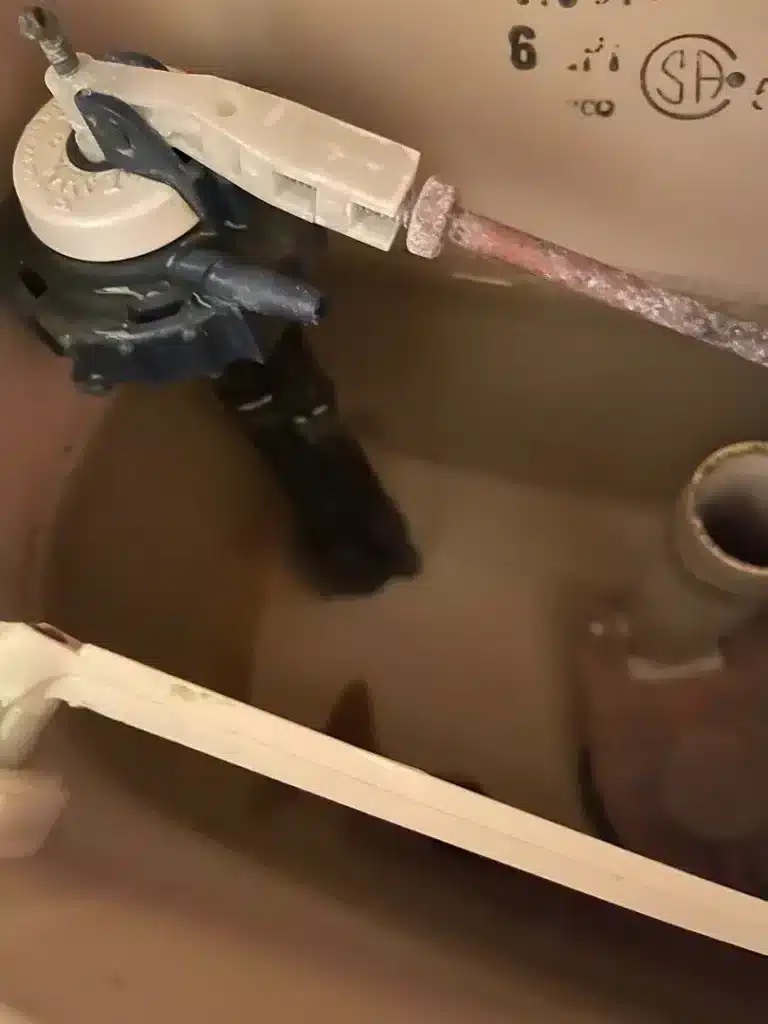
Toilet plumbing encompasses everything from the supply line bringing water into your tank to the wax ring sealing the fixture to your drain flange. It includes the fill valve, flush valve, flapper, handle mechanism, bowl, and the connection to your home's drain-waste-vent system. When any component fails, you need a professional who understands not just the fixture itself but how Highlands Ranch's unique conditions – including our hard water, high altitude, and relatively young housing stock – affect toilet performance and longevity.
Why Professional Toilet Service Matters
DIY toilet repairs often address symptoms rather than root causes. A professional diagnosis identifies whether your running toilet stems from a worn flapper, faulty fill valve, or sediment buildup from our mineral-rich water supply.
Accurate diagnosis prevents repeat repairs and wasted water
Proper installation protects your flooring and subfloor from water damage
Code-compliant work maintains your home's resale value
Professional-grade components outperform hardware store alternatives in our hard water conditions
Common Toilet Plumbing Issues in Highlands Ranch, CO
Highlands Ranch sits at approximately 5,900 feet elevation, which affects water pressure throughout the community. Lower atmospheric pressure means toilets designed for sea-level performance may flush less efficiently here. Combined with Douglas County's characteristically hard water – measuring between 150-300 parts per million of dissolved minerals – toilet components face accelerated wear compared to communities with softer water supplies.
Most Highlands Ranch homes were built between 1981 and 2010, placing them in a window where original toilet installations are now reaching the end of their service life. Flappers, fill valves, and wax rings installed during construction have likely been replaced at least once, but aging supply lines and flush mechanisms in homes built during the 1990s housing boom frequently require attention now.
Seasonal Factors Affecting Toilet Performance
Our semi-arid climate creates distinct seasonal challenges. Winter brings freeze risk to supply lines in poorly insulated spaces, while summer's low humidity can dry out wax rings faster than in more humid climates.
Hard water mineral deposits – Calcium and magnesium buildup restricts water flow through fill valves and jets, reducing flush power over time
Altitude-related pressure variations – Lower atmospheric pressure affects tank fill rates and flush efficiency
Temperature swings – Highlands Ranch experiences 50+ degree daily temperature variations in spring and fall, stressing wax seals and supply line connections
Soil movement – Our expansive clay soils shift seasonally, occasionally affecting drain line alignment beneath toilets
Aging infrastructure in established neighborhoods – Homes in original Highlands Ranch developments may have galvanized drain connections requiring updates
Water conservation fixtures – Many homes have 1.6 GPF or 1.28 GPF toilets that require precise adjustment to flush properly at altitude
Warning Signs Requiring Professional Attention
Watch for these indicators that your toilet needs service:
Toilet runs intermittently without being flushed (phantom flushing)
Weak or incomplete flushes requiring multiple attempts
Water visible around the toilet base after flushing
Rocking or movement when you sit down
Gurgling sounds from the bowl when nearby drains are used
Visible rust or corrosion on supply line connections
Continuously running water you can hear from other rooms
Our toilet plumbing process begins with thorough diagnosis rather than assumptions. We've seen too many homeowners replace entire toilets when a simple component repair would have solved the problem – and vice versa.
Our Diagnostic and Repair Process
Initial assessment – We inspect the toilet's visible components, check for leaks at all connection points, and evaluate flush performance
Water quality evaluation – We examine internal components for mineral buildup typical of Highlands Ranch water and assess whether hard water has compromised parts
Drain line testing – For recurring clogs or slow drainage, we inspect the drain connection and downstream line condition
Component testing – We individually test the fill valve, flush valve, flapper, and handle mechanism to isolate failures
Repair or replacement – Based on findings, we either repair specific components or recommend toilet replacement when more cost-effective
Performance verification – We test multiple flushes, check for leaks, and confirm proper fill levels before completing the job
Methods and Techniques We Use
Our technicians bring specialized knowledge of high-altitude plumbing and hard water conditions to every service call.
Dye testing – Identifies slow leaks between tank and bowl that waste water and money
Pressure gauge testing – Measures incoming water pressure to ensure proper fill valve operation
Camera inspection – For persistent clogs, we can inspect drain lines without destructive exploration
Wax ring assessment – We check flange height and condition to select the appropriate seal type for your installation
Mineral deposit removal – We descale jets and internal passages to restore flush power in hard water-affected toilets
Communication and Quality Control
Before any work begins, you'll receive a clear explanation of what we found and your options. We don't proceed without your approval, and we don't recommend unnecessary replacements. After repairs, we document our work and provide guidance on maintenance practices that extend component life in our local water conditions.
Recent Work
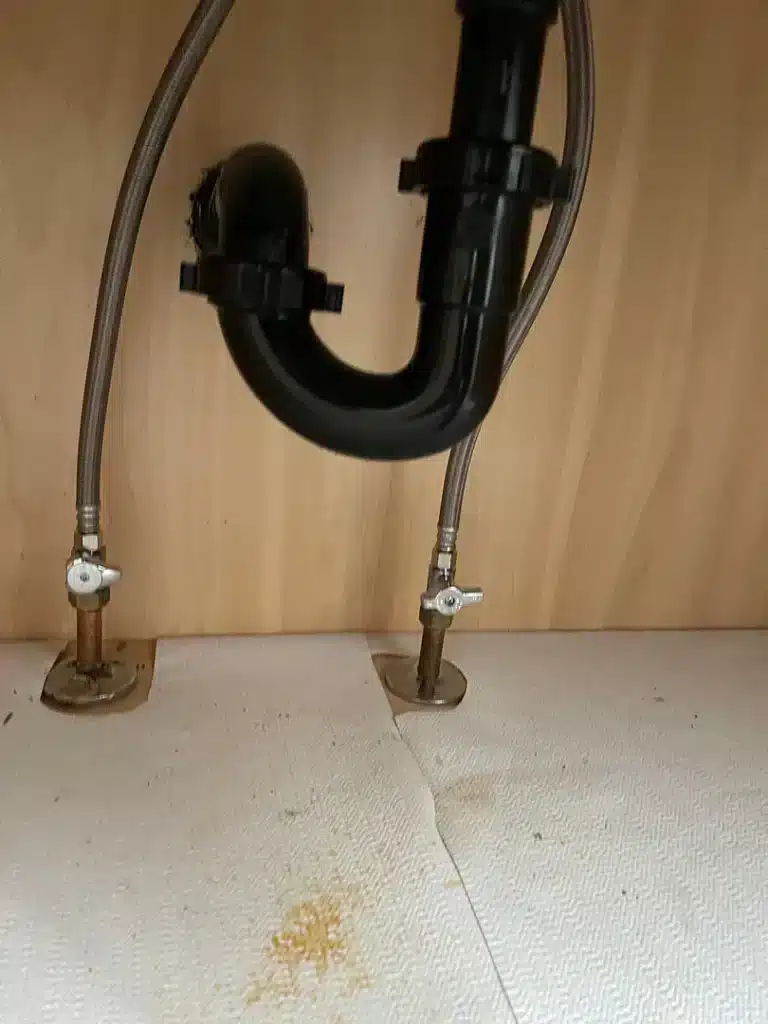
Leak Under One of the Master Lav - Highlands Ranch
Problem:Replace stop under Master bath lav that is leaking
Found:We found that both sets of stops under the lavs were leaking and could not be turned off.
Fixed:Turn off the water to the unit and drained down. Replaced all four stops. Caulked around fixtures.
Outcome:Tested and no leak
Why Choose Cardom Plumbing & Heating
Cardom Plumbing & Heating brings licensed, insured technicians to every Highlands Ranch service call. Our team holds current Colorado plumbing licenses and maintains ongoing training in water-efficient fixtures, code requirements, and diagnostic techniques. We carry manufacturer certifications for major toilet brands including Kohler, American Standard, and TOTO – meaning we understand the specific requirements of your fixture.
Local Knowledge That Matters
We've serviced toilets throughout Highlands Ranch's diverse neighborhoods – from original 1980s developments near Town Center to newer construction in BackCountry and Highlands Ranch North. This experience means we recognize common issues in different-era homes and arrive prepared with appropriate parts and solutions. Our technicians understand how Douglas County's water quality affects different toilet models and which replacement components perform best locally.
Our Service Commitment
Same-day and emergency availability – Toilet problems can't always wait, and we respond accordingly
Upfront pricing – You'll know costs before work begins, with no surprise additions
Warranty protection – Our repairs are backed by workmanship guarantees
Clean work practices – We protect your floors and leave the workspace cleaner than we found it
Follow-up support – Questions after service? We're a phone call away
Our diagnostic approach saves you money by identifying actual problems rather than guessing. We invest in professional-grade tools – including video inspection equipment and pressure testing devices – that allow accurate diagnosis without unnecessary exploratory work.
Highlands Ranch developed primarily between 1981 and 2015, creating distinct "eras" of construction with different plumbing characteristics. Understanding your home's age helps predict toilet-related issues you may encounter.
Homes Built 1981-1995
These original Highlands Ranch properties often feature 3.5 gallon-per-flush toilets that were standard before federal water conservation mandates. Many have been retrofitted with lower-flow models, but some original fixtures remain.
Original brass supply valves may be corroded or seized
Cast iron or early PVC drain connections require inspection
Subfloor around toilets should be checked for water damage from decades of use
Flange height may not accommodate modern wax ring alternatives
Homes Built 1996-2010
This era represents Highlands Ranch's largest building boom. Toilets installed during this period were typically 1.6 GPF models – the first generation of federally-mandated low-flow fixtures. Early low-flow designs often struggled with adequate flush power, particularly at altitude.
Many original toilets benefit from replacement with modern high-efficiency models
PVC drain lines are standard but may have settling-related alignment issues
Braided stainless supply lines are common but approaching replacement age
Homes Built 2011-Present
Newer Highlands Ranch construction typically includes 1.28 GPF or dual-flush toilets meeting WaterSense certification standards. These fixtures perform well but require precise adjustment for optimal function at elevation.
Fill valve adjustment may be needed for altitude compensation
Dual-flush mechanisms have more components that can fail
Modern wax-free seals are often used but may need verification
Highlands Ranch receives water primarily from Denver Water and Centennial Water and Sanitation District, depending on specific location. Both sources deliver water classified as moderately hard to hard – typically ranging from 150-300 mg/L of dissolved calcium and magnesium. While safe for consumption, this mineral content creates specific challenges for toilet components.
Fill valve deposits – Mineral buildup restricts water flow, extending fill times and potentially causing incomplete tank fills
Jet clogging – Rim jets that direct water during flushing become partially blocked, reducing flush effectiveness
Flapper deterioration – Hard water accelerates rubber degradation, leading to premature flapper failure and running toilets
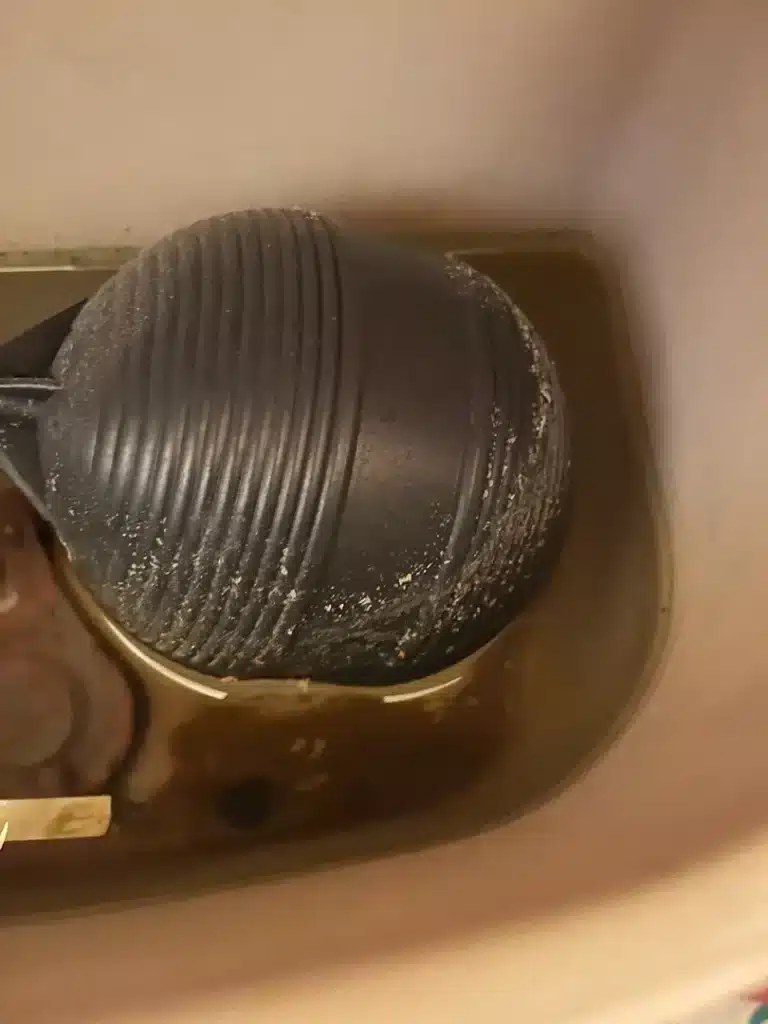
Tank component scaling – White mineral deposits accumulate on internal surfaces, potentially interfering with float mechanisms
Climate Impacts on Toilet Systems
Highlands Ranch's semi-arid climate – averaging just 17 inches of annual precipitation – combined with significant temperature variations affects toilet plumbing in several ways.
Wax ring drying – Low humidity can cause traditional wax seals to dry and crack faster than in humid climates
Freeze protection – Supply lines in exterior walls or unheated spaces require insulation to prevent winter damage
Temperature-induced expansion – Daily temperature swings of 30-50 degrees stress connections and seals
Soil and Drainage Considerations
Douglas County's expansive clay soils – primarily belonging to the Pierre Shale formation – swell when wet and shrink when dry. This seasonal movement can affect drain lines beneath your home's foundation, potentially causing:
Gradual misalignment of toilet drain connections
Stress on wax seals as fixtures shift slightly
Slow drainage if underground lines develop bellies or offsets
Homes on hillside lots or areas with significant grade changes may experience more pronounced soil movement effects.
Water Usage and Conservation Data in Highlands Ranch
Highlands Ranch falls within a region facing long-term water supply challenges. Douglas County's population has grown significantly while Colorado River allocations – a primary water source – face increasing restrictions due to drought conditions. This reality makes toilet efficiency more than an environmental consideration; it directly affects utility costs and community water security.
Local Water Usage Statistics
According to regional water district data, indoor residential water use in the Denver metro area breaks down as follows:
Toilets account for approximately 24-30% of indoor water use – the single largest category in most homes
A running toilet can waste 200+ gallons per day – equivalent to 6,000+ gallons monthly
Older 3.5 GPF toilets use nearly three times the water of modern 1.28 GPF models per flush
The average household flushes toilets 5-8 times per person daily
How This Affects Highlands Ranch Homeowners
Water rates in Douglas County have increased steadily, with tiered pricing structures that penalize high usage. A leaking or inefficient toilet can push your household into higher rate tiers, significantly increasing monthly bills beyond just the wasted water itself.
Toilet replacement rebates – Local water districts periodically offer rebates for replacing older toilets with WaterSense-certified models
Leak detection programs – Some districts provide free leak detection assistance to help identify running toilets
Conservation requirements – During drought conditions, mandatory conservation measures may be implemented
Cardom Plumbing & Heating helps Highlands Ranch homeowners navigate these considerations by recommending appropriate fixture upgrades, identifying hidden leaks that inflate water bills, and ensuring new installations meet current efficiency standards while performing reliably at our elevation. A properly functioning, efficient toilet isn't just convenient – it's an investment in your home's operating costs and our community's water future.
In Highlands Ranch, common toilet plumbing issues include running toilets, clogs, and leaks around the base. These problems often arise due to the area's hard water, which can cause mineral buildup and wear on components like flappers and fill valves.
Signs that your toilet may need professional help include persistent clogs, water pooling around the base, or a toilet that runs continuously. If you notice any of these issues, it's best to consult a plumber to diagnose and fix the underlying problem.
Hard water in Highlands Ranch can lead to mineral buildup in toilet components, which affects their performance and longevity. This buildup can cause clogs and reduce flushing efficiency, making regular maintenance important.
If your toilet is constantly running, it may be due to a worn flapper or a faulty fill valve. Checking these components can often resolve the issue, but if you're unsure, it's advisable to contact a professional plumber for a thorough inspection.
It's a good idea to have your toilet plumbing inspected at least once a year, especially in areas with hard water like Highlands Ranch. Regular inspections can help catch potential issues early and prolong the life of your toilet.
While some minor clogs can be cleared with a plunger or a toilet auger, more severe clogs may require professional assistance. If your attempts to unclog the toilet are unsuccessful, it's best to call a plumber to avoid damaging the plumbing.
Toilet performance in Highlands Ranch is influenced by factors such as the area's elevation, hard water quality, and seasonal temperature changes. These elements can impact water pressure and the wear of toilet components, making professional service beneficial.