Cardom Plumbing & Heating offers expert toilet plumbing services in Superior, CO, addressing various issues such as leaks, blockages, and inefficient flushes. Their knowledgeable team understands the unique challenges posed by the local environment and plumbing systems.
They provide accurate diagnosis to identify root causes of toilet problems rather than just symptoms. Professional repairs prevent costly water damage and enhance water efficiency. Their technicians are trained on the latest plumbing technologies and understand local building codes.
Expert Toilet Plumbing Services in Superior, CO A malfunctioning toilet disrupts your entire household routine.
Whether you’re dealing with constant running, weak flushes, mysterious leaks at the base, or a complete blockage that won’t budge, these problems demand prompt attention.
What are common toilet plumbing issues in Superior, CO?
Common toilet plumbing issues in Superior, CO include constant running, weak flushes, leaks at the base, and complete blockages. These problems can disrupt daily routines and may escalate quickly, leading to potential water damage if not addressed promptly.
Expert Toilet Plumbing Services in Superior, CO
A malfunctioning toilet disrupts your entire household routine. Whether you're dealing with constant running, weak flushes, mysterious leaks at the base, or a complete blockage that won't budge, these problems demand prompt attention. In Superior's unique Front Range environment, toilet plumbing issues can escalate quickly – from minor annoyances to water damage emergencies.
Toilet plumbing encompasses the complete system that makes your fixture function reliably. This includes the fill valve, flush valve, flapper, wax ring seal, supply line connections, internal tank components, and the drain connection to your home's waste system. Professional diagnosis matters because what appears as a simple running toilet might actually indicate water pressure irregularities, mineral buildup from Superior's hard water, or deteriorating internal components.
Key Benefits of Professional Toilet Service
Accurate diagnosis that identifies root causes rather than just symptoms
Proper seal installation preventing costly water damage to subfloors
Water efficiency optimization – a running toilet can waste 200+ gallons daily
Code-compliant repairs that protect your home's resale value
Superior's combination of altitude, mineral-rich water supply, and diverse housing stock creates specific challenges for toilet plumbing. Homes built across different decades feature varying pipe materials, flush technologies, and installation standards that require experienced assessment.
Superior sits at approximately 5,400 feet elevation, and this altitude affects how toilets perform. Lower atmospheric pressure changes flush dynamics, meaning toilets designed for sea-level operation may struggle to clear waste effectively. Combined with Boulder County's characteristically hard water – which contains elevated calcium and magnesium levels – internal toilet components face accelerated wear.
The region's dramatic temperature swings between seasons stress toilet connections and seals. Winter nights that plunge below zero can cause thermal contraction in supply lines and tank components, while summer heat creates expansion. This constant cycling weakens fittings over time. Homes near the Marshall Fire rebuild zone may have entirely new plumbing systems requiring different maintenance approaches than established neighborhoods.
Local Factors Affecting Toilet Performance
Hard water mineral deposits – Scale accumulates on fill valves, flappers, and jet holes, reducing flush power and causing phantom flushes
Altitude-related pressure variations – Municipal water pressure fluctuations affect tank refill times and flush consistency
Freeze-thaw cycles – Supply line connections and shut-off valves experience stress from temperature extremes
Aging wax ring seals – Superior's clay-heavy soils can cause subtle foundation settling, breaking toilet-to-flange seals
Outdated flush technology – Older homes may have 3.5+ gallon-per-flush toilets that waste water and clog more frequently
Tree root intrusion – Mature landscaping in established neighborhoods can infiltrate main drain lines, causing slow toilet drainage
Warning Signs Requiring Professional Attention
Watch for these indicators that your toilet needs service:
Water pooling around the toilet base after flushing
Toilet rocks or shifts when you sit down
Gurgling sounds from the bowl when other fixtures drain
Persistent running that doesn't stop within 30 seconds of flushing
Our toilet plumbing service follows a systematic approach that addresses both immediate symptoms and underlying causes. We've refined our process specifically for Superior-area homes, accounting for local water conditions and common installation patterns.
Our Diagnostic and Repair Process
Initial assessment – We inspect the toilet's external condition, check for visible leaks, test flush performance, and evaluate the surrounding floor for water damage signs
Internal component inspection – Tank components are examined for wear, mineral buildup, and proper adjustment – including fill valve, flapper, flush valve, and overflow tube
Supply line and shut-off evaluation – We test the water supply connection, check valve operation, and assess line condition for corrosion or brittleness
Seal and connection testing – Using specialized techniques, we determine whether the wax ring seal has failed or if the closet flange needs repair
Drain line assessment – When clogs or slow drainage occur, we evaluate the drain connection and can perform camera inspection if deeper issues are suspected
Repair execution – Based on findings, we complete necessary repairs using quality replacement parts suited for hard water conditions
Performance verification – Multiple flush tests confirm proper operation before we consider the job complete
Techniques and Methods We Employ
Dye testing to identify silent leaks wasting water between the tank and bowl
Pressure gauge testing to verify adequate water supply for proper flush performance
Wax ring replacement with reinforced options for Superior's soil conditions
Flange repair or replacement when original connections have deteriorated
Auger and hydro-jetting for stubborn clogs beyond the toilet trap
Fill valve calibration for optimal refill speed and water level
Throughout the service, we communicate findings clearly and explain your options before proceeding with repairs. You'll understand exactly what's happening with your toilet and why specific repairs are recommended.
Why Choose Cardom Plumbing & Heating
Cardom Plumbing & Heating brings licensed, insured expertise to every toilet repair and installation in Superior. Our technicians hold current Colorado plumbing certifications and receive ongoing training on the latest fixture technologies – from pressure-assist systems to dual-flush mechanisms and smart toilets with integrated bidets.
We've built our reputation serving Boulder County communities, which means we understand Superior's specific plumbing landscape. Our familiarity with local building codes, common pipe materials in different subdivisions, and municipal water characteristics allows us to diagnose issues faster and recommend solutions that last. When you call with a toilet emergency, we prioritize rapid response because we know a non-functional bathroom creates immediate hardship.
What Sets Us Apart
Transparent pricing – We provide clear quotes before beginning work, with no surprise charges
Stocked service vehicles – Common parts for Superior-area repairs are carried on our trucks, enabling same-visit completion
Quality components – We install commercial-grade replacement parts designed to withstand hard water conditions
Clean workspaces – Drop cloths, shoe covers, and thorough cleanup are standard practice
Follow-up commitment – If issues arise after our visit, we return promptly to make things right
Our diagnostic approach uses modern tools including video inspection cameras for drain line assessment and digital pressure testing equipment. This technology investment means more accurate diagnoses and repairs that address actual problems – not guesswork that wastes your time and money.
Superior's housing stock reflects several distinct development phases, each presenting unique toilet plumbing characteristics. Understanding your home's era helps anticipate potential issues and maintenance needs.
Original Town Development – Pre-1990s Homes
The original Superior town center contains older properties with plumbing systems that may include:
Cast iron drain lines that have developed internal corrosion affecting toilet drainage
Older 3.5 to 5 gallon-per-flush toilets that predate water conservation standards
Brass supply valves that become difficult to operate and may leak when turned
Original wax rings that have exceeded their typical 20-30 year lifespan
1990s-2000s Subdivision Growth
Neighborhoods like Rock Creek and Original Town expansion brought modern construction with different considerations:
ABS or PVC drain connections that generally perform well but may have joint issues
First-generation low-flow toilets (1.6 gpf) that sometimes struggle with waste clearance
Copper supply lines that can develop pinhole leaks from water chemistry
Builder-grade fixtures that may benefit from upgrade to higher-quality components
Recent Construction and Marshall Fire Rebuilds
Newer Superior homes and rebuilt properties feature contemporary plumbing systems:
High-efficiency toilets using 1.28 gallons or less per flush
PEX supply lines with push-fit connections
Modern elongated bowl designs with improved flush geometry
Potential settling issues in new construction affecting toilet-to-floor seals
Multi-story homes throughout Superior present additional considerations. Second-floor and third-floor bathrooms rely on adequate venting and proper drain slope. When these upper-level toilets develop problems, the cause sometimes traces to vent stack issues or long horizontal drain runs rather than the toilet itself.
Superior's environmental factors directly impact toilet plumbing performance and longevity. Understanding these conditions helps homeowners recognize why certain problems develop and what preventive measures make sense.
Water Quality Characteristics
Superior receives water treated by the City of Broomfield utilities, with characteristics that affect toilet components:
Hardness levels – Ranging from moderately hard to hard, causing mineral accumulation on fill valves, flappers, and flush passages
Chlorine treatment – While safe for consumption, chlorine accelerates rubber component degradation in tank parts
Mineral content – Calcium deposits can clog the small rim jets that distribute water during flushing
pH variations – Seasonal changes in source water can affect how quickly seals and gaskets deteriorate
Soil and Drainage Considerations
Superior's geology includes expansive clay soils that swell when wet and shrink during dry periods. This soil movement creates several toilet-related concerns:
Foundation micro-movement that can break wax ring seals
Shifting that causes toilets to rock, compromising the floor connection
Drain line stress where pipes exit the foundation
Potential for tree roots to infiltrate underground sewer lines
Climate Impact on Toilet Systems
The Front Range climate subjects toilet plumbing to significant stress:
Winter freezing – Supply lines in exterior walls or unheated spaces risk freeze damage
Low humidity – Rubber components dry out faster, shortening flapper and gasket life
Temperature swings – Daily variations of 30-40 degrees cause thermal expansion stress on connections
Altitude effects – Lower air pressure at 5,400 feet affects flush siphon action and tank refill rates
These environmental factors mean Superior homeowners often need toilet component replacement more frequently than national averages suggest. Proactive maintenance – including annual inspections and component replacement before failure – prevents emergency situations and water damage.
Recent Work
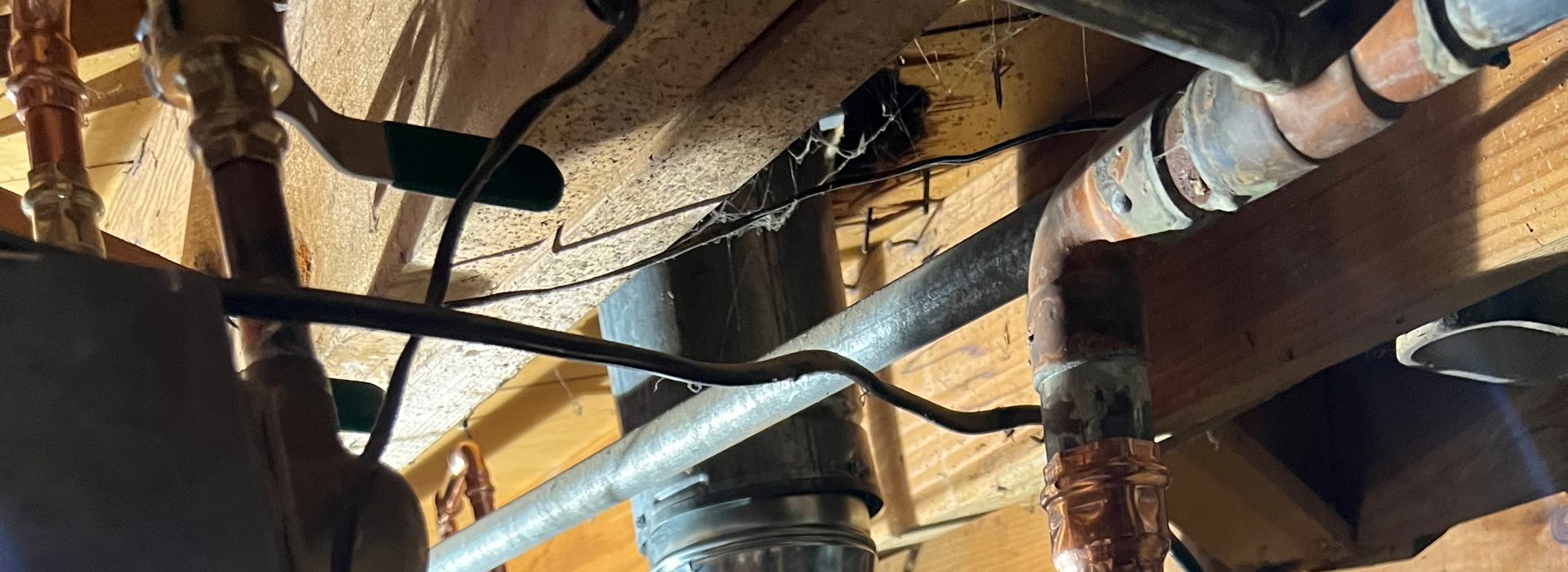
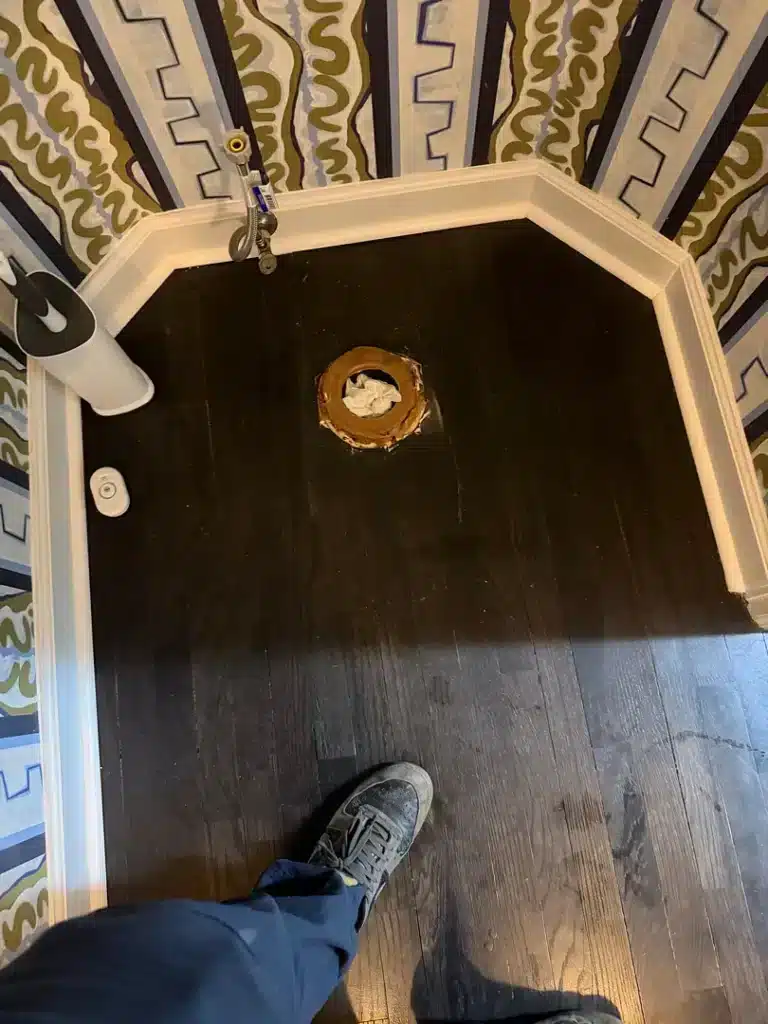
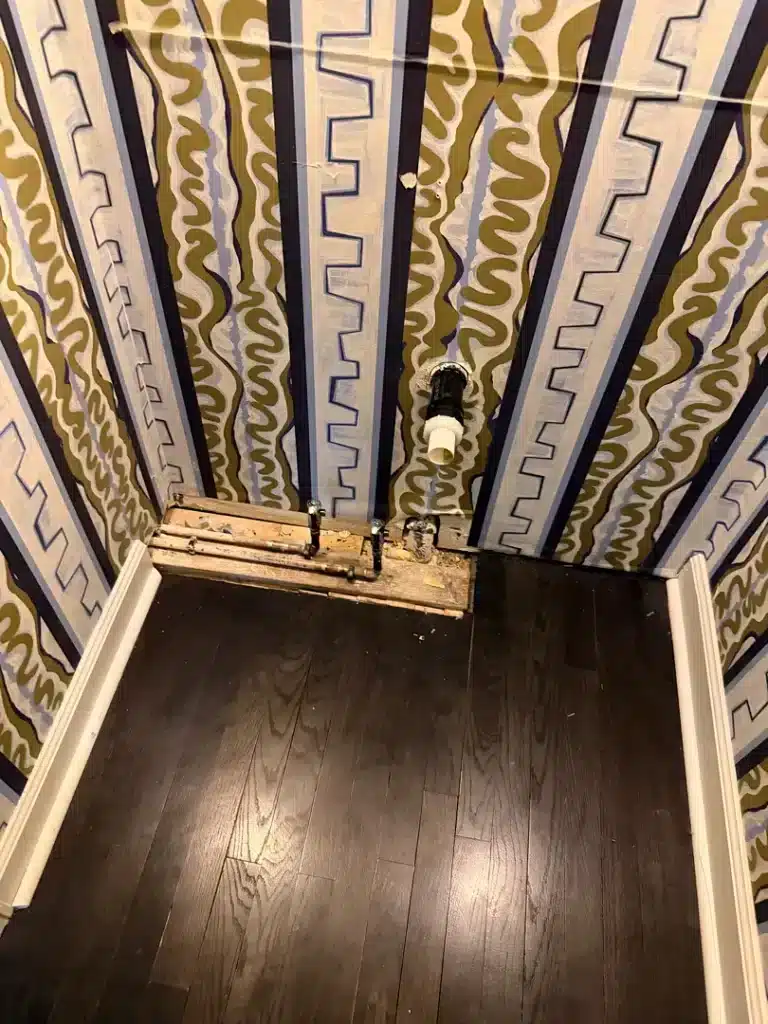
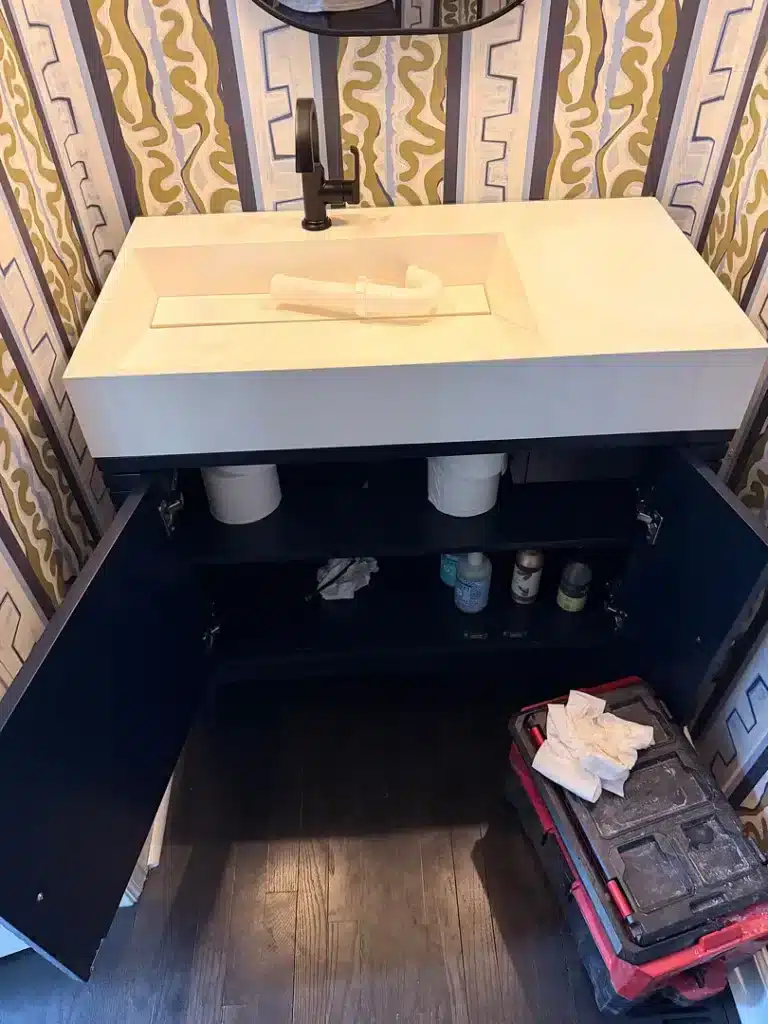
Pull WC and lav and set in garage - Superior
Problem:Remove and reinstall WC and vanity in 1st floor 1/2 bath
Found:Found that the hot and cold water piping tothe vanity was coming from the side wall and would required that we cut them to pull the vanity.
Fixed:We were able to cut the water lines and remove the special wood blocking holding the water lines in place under the cabinet. Set the vanity in the garage. Returned and reset the Water Closet with new wax ring and bolts. Two plumber needed to set the vanity in place and wedge it into the corner. Set the water lines and tied them into the faucet. Hooked up the waste lines. Turned on water to the vanity and water closet.
Outcome:Tested for leaks. Caulked around the WC base. Jobsite cleanup of all trash generated by out plumbers.
Water Infrastructure and Usage Data in Superior
Superior's water infrastructure serves approximately 13,000 residents across diverse residential developments. The town's water system connects to regional supplies from the Northern Colorado Water Conservancy District and experiences demand patterns that directly affect toilet plumbing performance throughout the community.
Municipal Water System Characteristics
Water pressure – Residential pressure typically ranges from 50-80 PSI, with some elevated areas experiencing lower pressure that affects toilet fill times
Peak demand periods – Morning hours (6-9 AM) see highest usage, potentially causing temporary pressure drops that affect flush performance
Infrastructure age – Main lines in original Superior date to the 1980s-1990s, while newer subdivisions have contemporary distribution systems
Boulder County's water conservation initiatives have influenced Superior's plumbing landscape significantly. Many homeowners have upgraded to WaterSense-certified toilets that use 1.28 gallons per flush or less – a 20% reduction from the federal standard. These high-efficiency fixtures require proper installation and adjustment to perform correctly at altitude.
The town's commitment to sustainable water use means rebate programs have accelerated toilet replacement in older homes. However, these newer fixtures demand precise water pressure and supply volume. When pressure drops below 25 PSI – which can occur during peak demand or due to partially closed supply valves – modern low-flow toilets may fail to flush completely, leading to frequent clogs and double-flushing that negates water savings.
How This Affects Your Toilet Service Needs
Pressure testing should accompany any toilet performance diagnosis
Supply valve condition becomes more critical with low-flow fixtures
Fill valve selection must account for local water pressure ranges
Seasonal pressure variations may require adjustment of tank components
Cardom Plumbing & Heating stays current with Superior's water system characteristics and adjusts our service approach accordingly. When we diagnose toilet issues, we consider these infrastructure factors alongside the fixture itself – providing solutions that work reliably within your home's specific water supply conditions.
Common issues include constant running, weak flushes, leaks at the base, and complete blockages. The area's hard water can lead to mineral buildup, affecting flush power and causing phantom flushes. Additionally, altitude-related pressure variations can impact how effectively toilets operate.
If you notice persistent issues like frequent clogs, leaks, or unusual noises, it's time to call a professional. A running toilet can waste a significant amount of water, and addressing these problems early can prevent costly water damage and repairs.
Toilet performance can be influenced by hard water mineral deposits, altitude-related pressure changes, and temperature fluctuations. These factors can lead to accelerated wear on internal components and affect flush dynamics.
Hiring a professional ensures accurate diagnosis of the root causes of issues, rather than just treating symptoms. Professionals can also provide code-compliant repairs and proper seal installations to prevent future problems and protect your home's value.
It's a good idea to have your toilet plumbing inspected at least once a year. Regular inspections can help identify potential issues early, especially in areas with hard water and extreme temperature changes, preventing more serious problems down the line.
You can find reliable toilet plumbing services by searching online for local plumbing companies, checking customer reviews, and asking for recommendations from friends or neighbors. It's important to choose a service that is experienced with the specific plumbing challenges in the Superior area.
If your toilet is leaking, it's best to turn off the water supply to prevent further damage and call a plumber immediately. Leaks can lead to water damage and mold growth, so addressing the issue promptly is crucial.