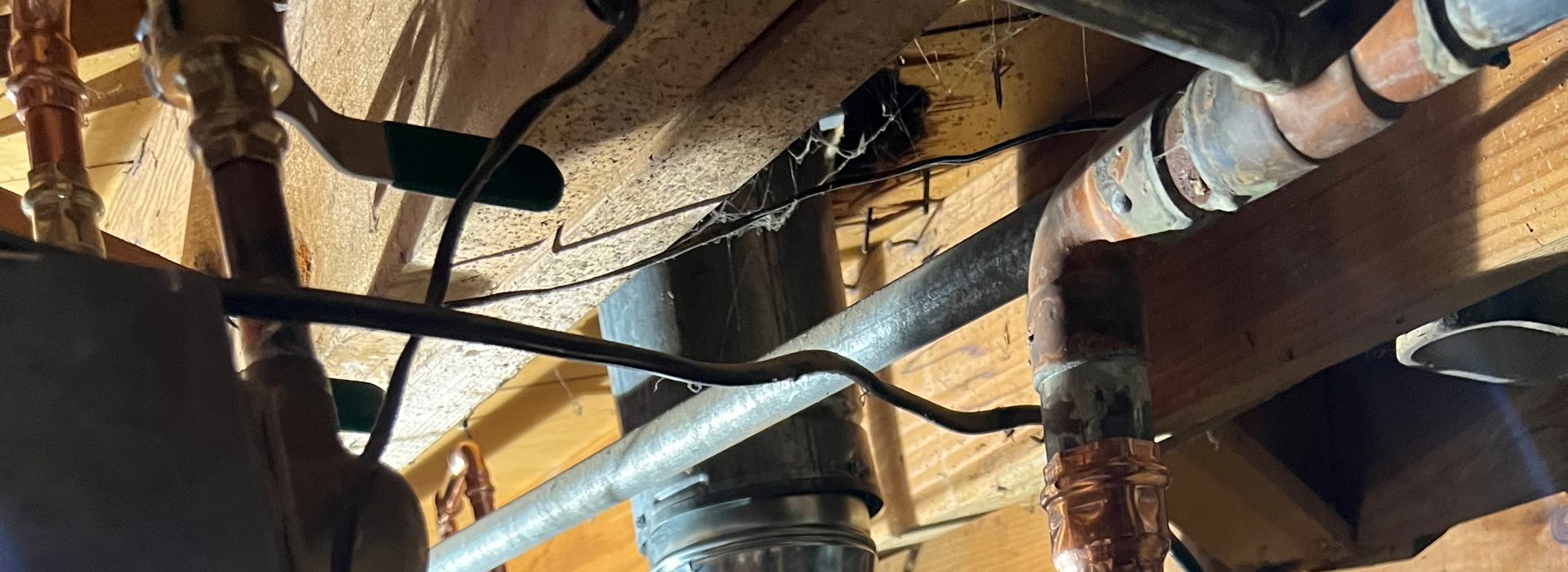
Toilet plumbing in Federal Heights, CO, involves complex systems that require professional attention to ensure proper function. Local challenges, such as hard water and aging infrastructure, necessitate specialized knowledge for effective repairs and installations.
Residents often face issues like running toilets, slow drainage, and leaks due to hard water deposits and aging plumbing systems.
Cardom Plumbing & Heating employs systematic diagnostic methods to identify and address root causes of toilet problems.
Their technicians are trained in local plumbing conditions, ensuring tailored solutions for the unique challenges in Federal Heights.
What are common toilet plumbing issues in Federal Heights, CO?
Common toilet plumbing issues in Federal Heights, CO include running toilets, persistent clogs, and leaks around the base. These problems can disrupt daily routines and may require immediate attention to prevent further damage or inconvenience. Regular maintenance can help mitigate these issues and ensure proper functioning.
Toilet Plumbing Services in Federal Heights, CO
A running toilet at 3 AM. A clog that won't budge no matter how many times you reach for the plunger. Water pooling around the base of your toilet bowl. These are the moments when you realize just how central this fixture is to your daily life – and how disruptive problems become when they arise.
Toilet plumbing encompasses far more than the visible porcelain fixture in your bathroom. It involves the complex interplay of fill valves, flappers, wax seals, supply lines, flange connections, and drain systems that must work in harmony every single flush. Professional diagnosis matters because what appears as a simple running toilet might actually indicate water pressure irregularities, while a slow-draining bowl could signal developing blockages deep within your home's waste lines.
Federal Heights presents specific challenges for toilet plumbing systems. The area's semi-arid climate, combined with Denver Metro water characteristics and a housing stock that spans multiple decades, creates conditions that affect toilet components differently than other regions. Hard water deposits accumulate on internal mechanisms, temperature swings stress seals and connections, and aging infrastructure in many neighborhoods requires specialized knowledge to address properly.
Accurate diagnosis of toilet malfunctions – from phantom flushes to complete blockages
Prevention of water damage and costly utility bills from undetected leaks
Proper matching of replacement components to your home's specific plumbing configuration
Long-term solutions that account for local water quality and pressure conditions
Common Toilet Plumbing Issues in Federal Heights, CO
Federal Heights sits within the Denver Metro water service area, where mineral-rich water from mountain snowmelt creates specific challenges for toilet components. Calcium and magnesium deposits gradually coat fill valves, flappers, and internal tank mechanisms, causing them to malfunction earlier than expected. These mineral buildups often go unnoticed until a toilet begins running continuously or fails to fill properly.
The city's housing inventory includes substantial numbers of homes built between the 1960s and 1980s, many featuring original cast iron or galvanized drain lines that have accumulated decades of scale and debris. Toilets connected to these aging systems frequently experience slow drainage, partial clogs, and backup issues that stem from the pipes themselves rather than the fixture. Newer developments in Federal Heights may have updated materials, but connections to municipal sewer infrastructure still introduce variables that affect performance.
Colorado's dramatic temperature fluctuations – where winter nights drop well below freezing while afternoon sun warms surfaces significantly – create thermal stress on toilet components. Wax ring seals expand and contract, potentially losing their watertight bond with the floor flange. Supply line connections can loosen gradually, and tank-to-bowl gaskets may develop slow leaks that go undetected for months.
Warning Signs Federal Heights Residents Should Monitor
Intermittent running sounds – indicates flapper deterioration or fill valve issues, often accelerated by hard water deposits
Water around the toilet base – suggests wax ring failure, condensation problems, or cracked porcelain
Slow bowl drainage – may indicate partial clogs, venting issues, or main line restrictions common in older Federal Heights neighborhoods
Weak or incomplete flushes – often related to mineral buildup in rim jets or improper tank water levels
Gurgling sounds from drains – signals venting problems or developing blockages in the waste system
Visible rust or corrosion – particularly concerning on supply valves and tank hardware in homes with original plumbing
Seasonal timing also affects toilet plumbing in this region. Late fall through early spring brings freeze risk for any supply lines routed through unheated spaces, while summer monsoon season can stress municipal sewer systems, occasionally causing backups that affect residential toilets.
Cardom Plumbing & Heating approaches every toilet issue with systematic diagnostic methods that identify root causes rather than just treating symptoms. Our process begins before any tools come out – with careful observation and targeted questions about what you've experienced.
Our Toilet Repair and Installation Process
Initial Assessment – We examine the toilet's behavior, check water supply pressure, inspect visible components, and listen for telltale sounds that indicate specific malfunctions
Diagnostic Testing – Using dye tests, pressure gauges, and camera inspection when warranted, we pinpoint exactly where problems originate
Explanation and Options – Before any work begins, we explain our findings in clear terms and present repair versus replacement options based on your specific situation
Component Repair or Replacement – We address the identified issues using quality parts matched to your fixture and local water conditions
System Verification – After repairs, we test multiple flush cycles, check for leaks at all connection points, and verify proper fill levels and drainage
Cleanup and Documentation – We leave your bathroom clean and provide information about what was done and any maintenance recommendations
Techniques and Methods We Employ
Video camera inspection for diagnosing drain line issues beyond the toilet trap
Hydrostatic pressure testing when sewer line integrity is questioned
Flange repair and replacement techniques for damaged floor connections
Wax-free seal options for installations where traditional wax rings have repeatedly failed
Low-flow toilet installation with attention to proper venting and drain line compatibility
Fill valve and flush mechanism upgrades using components rated for hard water conditions
Communication remains central throughout our service visits. We keep you informed about what we're finding, explain technical issues in accessible language, and make sure you understand the scope of work before we proceed. No surprises, no pressure – just straightforward plumbing service.
Why Choose Cardom Plumbing & Heating
Cardom Plumbing & Heating brings licensed, insured expertise to every toilet repair and installation in Federal Heights. Our technicians hold current Colorado plumbing certifications and participate in ongoing training that keeps them current with evolving fixture technology, water efficiency standards, and diagnostic techniques. We're not generalists dabbling in plumbing – this is our focused trade.
Local knowledge makes a measurable difference in plumbing outcomes. We understand Federal Heights' mix of housing ages, the specific characteristics of Denver Metro water supply, and the infrastructure realities that affect how toilets perform in this community. When we recommend a particular repair approach or replacement component, that recommendation accounts for conditions specific to your neighborhood – not generic advice from a manual.
What Sets Our Service Apart
Responsive scheduling – We recognize that toilet problems rarely wait for convenient timing and prioritize same-day and next-day appointments for urgent issues
Upfront communication – You'll know what we're recommending and why before any work begins, with clear explanations of costs and alternatives
Quality verification – We test our work thoroughly and stand behind repairs with follow-up support if issues arise
Equipped service vehicles – Our trucks carry common toilet components, diagnostic tools, and repair materials, reducing delays and return visits
Respect for your home – We use floor protection, maintain clean work areas, and treat your bathroom with the care we'd show in our own homes
Beyond individual repairs, we take time to assess your toilet's overall condition and your home's plumbing context. If we notice related concerns – supply valve corrosion, floor damage, or venting issues – we'll bring them to your attention so you can make informed decisions about addressing them proactively.
Federal Heights developed primarily during the suburban expansion of the 1960s through 1980s, creating a housing stock with distinct plumbing characteristics. Many homes feature original fixtures and drain systems now approaching or exceeding 40-50 years of service. These older installations often include cast iron waste lines, galvanized supply piping, and toilet flanges that may have deteriorated or shifted over decades of use.
Housing Age and Plumbing Implications
1960s-1970s construction – Commonly features 3.5-5 gallon flush toilets, cast iron drain stacks, and brass supply valves that may be corroded or seized
1980s-1990s homes – Transition period with mixed materials; early low-flow toilets that often underperform; ABS or PVC drain materials becoming standard
2000s and newer builds – Modern 1.6 gallon or dual-flush toilets, PEX or copper supply lines, PVC drain systems with proper venting
Mobile and manufactured homes – Present in Federal Heights with unique flange configurations, space constraints, and specialized fitting requirements
Foundation types in Federal Heights range from full basements to slab-on-grade construction. Slab homes present particular challenges for toilet plumbing because drain lines run beneath concrete, making repairs more complex when issues arise. Basement homes typically offer better access to waste lines but may have toilets in lower-level bathrooms where backflow prevention becomes a consideration.
Common Housing-Related Toilet Issues
Older Federal Heights homes frequently exhibit floor settling that affects toilet stability and seal integrity. When floors shift even slightly, the toilet-to-flange connection can break seal, causing leaks that damage subfloor materials over time. Homes with original vinyl or linoleum flooring may have multiple flooring layers that complicate proper toilet mounting height.
Subfloor rot around toilet bases from long-term undetected leaks
Flange height mismatches after flooring replacements or additions
Incompatible replacement parts for discontinued toilet models
Venting inadequacies in older construction causing drainage problems
Supply valve accessibility issues in tight bathroom configurations
Multi-family units and townhome developments in Federal Heights introduce shared plumbing considerations. Toilets may connect to common waste stacks, meaning problems in one unit can affect neighbors. Understanding these configurations helps us diagnose issues accurately and coordinate repairs appropriately.
Federal Heights receives its water supply through the Denver Water system, which draws from mountain watersheds and reservoirs. This water carries dissolved minerals – primarily calcium and magnesium – that classify it as moderately hard. While safe for consumption, these minerals accumulate on toilet components over time, coating fill valves, flappers, and flush mechanisms with scale that impairs function.
Water Quality Effects on Toilet Systems
Mineral deposits on flappers – Prevents proper sealing, causing continuous running and water waste
Fill valve buildup – Restricts water flow, extends fill times, and can cause incomplete tank filling
Rim jet blockages – Reduces flush power and bowl cleaning effectiveness
Supply line interior scaling – Gradually restricts water flow to the toilet tank
Denver Water treats supply with chloramine rather than chlorine, which affects rubber and plastic components differently than traditional chlorine treatment. Some lower-quality toilet parts degrade faster under chloramine exposure, making component selection an important factor in repair longevity.
Climate and Seasonal Factors
Federal Heights experiences Colorado's characteristic climate extremes – cold, dry winters and warm summers punctuated by afternoon thunderstorms. These conditions affect toilet plumbing in several ways that residents should understand.
Freeze risk – Supply lines in exterior walls, unheated crawl spaces, or poorly insulated areas can freeze during cold snaps, potentially bursting and causing significant water damage
Thermal cycling stress – Daily temperature swings cause expansion and contraction of seals, gaskets, and connections
Low humidity effects – Colorado's dry air can cause wax ring seals to dry out and lose flexibility over time
Monsoon season strain – Heavy summer rains can overwhelm municipal sewer systems, occasionally causing backups that affect residential toilets
Soil and Drainage Considerations
The Front Range soil composition includes significant clay content that expands when wet and contracts when dry. This soil movement can shift foundations and underground sewer lines, affecting toilet drainage performance. Homes in Federal Heights may experience seasonal variations in how well toilets drain based on soil moisture conditions affecting buried waste lines.
Municipal sewer infrastructure in Federal Heights varies by neighborhood, with some areas served by older clay tile lines and others by modern PVC systems. The condition of these municipal connections influences how residential toilets perform and can contribute to recurring clog issues even when the home's internal plumbing is functioning properly.
Water Infrastructure and Usage Data in Federal Heights
Federal Heights operates within the Denver Water service territory, receiving treated water that meets all federal and state quality standards while presenting specific characteristics relevant to toilet plumbing. According to Denver Water's annual quality reports, the system delivers water with hardness levels averaging 50-100 mg/L calcium carbonate equivalent – classified as moderately hard. This hardness directly impacts toilet component longevity and maintenance requirements throughout the community.
Key Water System Statistics
Average water pressure – Denver Water maintains system pressure between 40-80 psi, though individual homes may experience variations based on elevation and distance from pressure zones
Treatment method – Chloramine disinfection, which affects rubber toilet components differently than traditional chlorine
pH levels – Typically maintained between 7.0-8.5, slightly alkaline, which can accelerate certain types of corrosion on metal toilet components
Infrastructure age – Some Federal Heights neighborhoods connect to water mains installed in the 1960s-1970s, while newer developments have modern distribution lines
The Adams County region, including Federal Heights, has experienced significant population growth over recent decades, placing increased demand on water and sewer infrastructure. Municipal systems designed for smaller populations now serve substantially more households, which can affect pressure consistency and sewer capacity during peak usage periods. Toilets – as the highest water-using fixtures in most homes – are particularly sensitive to these system-wide conditions.
How Infrastructure Affects Toilet Service Needs
Understanding these water characteristics helps Cardom Plumbing & Heating provide better toilet service to Federal Heights residents. We select replacement components rated for hard water conditions, recommend appropriate maintenance intervals based on local water quality, and account for pressure variations when diagnosing fill and flush issues. When toilets underperform, we consider both fixture-level problems and broader infrastructure factors that might contribute to the symptoms you're experiencing.
Hard water requires more frequent flapper and fill valve replacement – typically every 3-5 years rather than the 7-10 year lifespan seen in soft water areas
Pressure fluctuations may necessitate pressure-regulating valves or specific fill valve types
Older neighborhood infrastructure may benefit from more robust waste line maintenance to support proper toilet drainage
Common signs include a running toilet, frequent clogs, water pooling around the base, and slow drainage. If you notice any of these issues, it's best to address them promptly to avoid further damage.
To prevent clogs, avoid flushing anything other than toilet paper and human waste. Regularly check for and remove any buildup in the toilet and consider using a toilet cleaner to maintain the internal mechanisms.
A constantly running toilet may indicate a faulty flapper, fill valve, or other internal components. Check the flapper for wear and ensure the fill valve is functioning properly. If the problem persists, it may be best to consult a plumber.
It's advisable to have your toilet plumbing inspected at least once a year. Regular inspections can help identify potential issues early and ensure everything is functioning correctly.
A leak at the base of the toilet can be caused by a damaged wax seal, loose bolts, or cracks in the toilet itself. It's important to address this issue quickly to prevent water damage to your flooring.
Yes, Federal Heights faces unique plumbing challenges due to its semi-arid climate and mineral-rich water. Hard water can lead to buildup in toilet components, and older homes may have aging plumbing systems that require special attention.
To find a reliable plumber, ask for recommendations from friends or neighbors, check online reviews, and ensure the plumber is licensed and insured. It's also helpful to get quotes from multiple services to compare.