Toilet plumbing in Lakewood, CO, involves complex systems affected by the area's unique environmental conditions. Homeowners should be aware of potential issues that can disrupt their plumbing and lead to costly repairs.
Malfunctioning toilets can waste over 200 gallons of water daily, impacting both the environment and household expenses.
Lakewood's high altitude and water quality can cause specific plumbing challenges, including mineral buildup and pressure variations.
Professional diagnosis is essential to identify issues accurately, ensuring effective repairs and preventing further damage.
What is toilet plumbing in Lakewood, CO?
Toilet plumbing in Lakewood, CO involves the installation, maintenance, and repair of toilets, which are affected by the area's high-altitude conditions. These unique stresses can lead to issues like gurgling sounds and malfunctions, impacting daily routines and requiring specialized knowledge to address effectively.
Toilet Plumbing Services in Lakewood, CO
That gurgling sound from your bathroom at 6 AM isn't something you should ignore. A malfunctioning toilet disrupts your entire household routine – and in Lakewood's high-altitude environment, these fixtures face unique stresses that homeowners in lower elevations simply don't encounter.
Toilet plumbing encompasses far more than the visible porcelain fixture. It involves the intricate connection between your home's water supply lines, the internal tank mechanisms, the wax ring seal, the flange connection to your drain system, and the venting that allows proper drainage. When any component fails, you're dealing with potential water damage, sanitation concerns, and wasted resources.
Why Professional Diagnosis Matters
A running toilet might seem like a minor annoyance, but it can waste over 200 gallons of water daily. Lakewood's semi-arid climate and Denver Water's tiered pricing structure make this more than an inconvenience – it's a significant expense. Professional plumbers identify root causes that DIY fixes often miss.
Accurate identification of internal tank component failures versus supply line issues
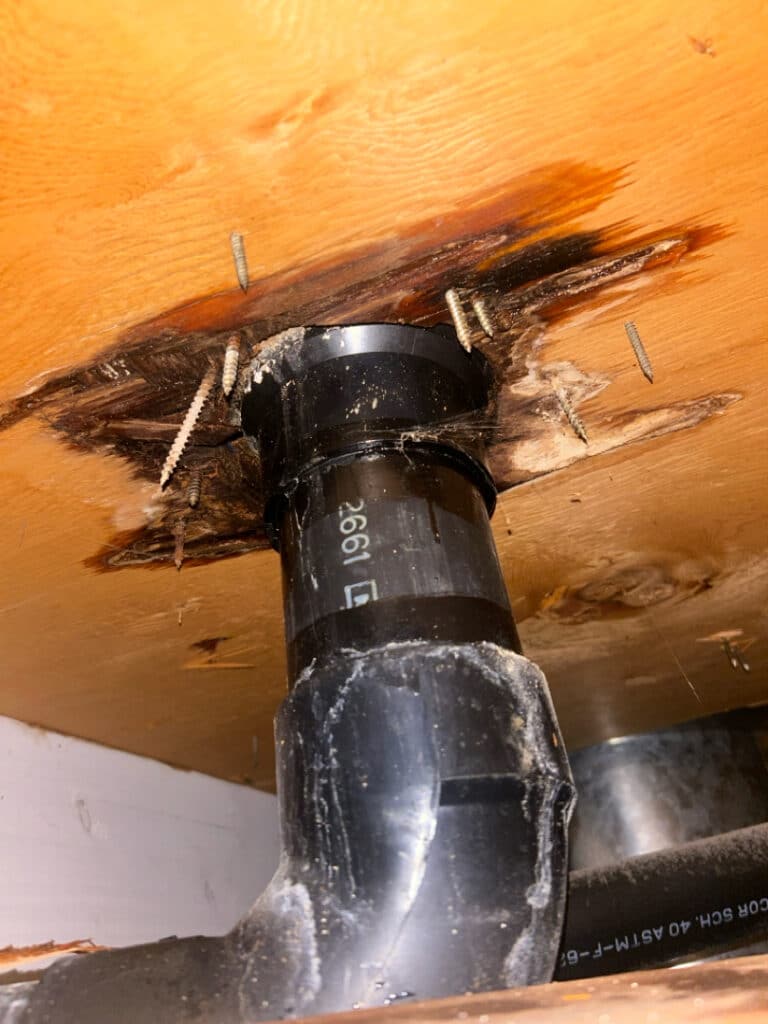
Detection of hidden leaks at the wax ring or flange that cause subfloor damage
Assessment of venting problems that affect flush performance and cause sewer gas intrusion
Evaluation of water pressure impacts on fill valve longevity and tank components
Lakewood homes range from 1950s ranch-style builds to modern construction, each presenting different toilet plumbing configurations and challenges. The city's location at approximately 5,500 feet elevation affects water pressure dynamics, while Denver Water's treated supply contains mineral content that influences fixture lifespan.
Cardom Plumbing & Heating provides Toilet Plumbing services in all neighborhoods of Lakewood including Applewood, Avenida Lakewood 55+ Active Living, Barnum West, Camden Lakeway, Edgemont, Green Mountain Village, Heron Shores, Marston, Nevada Place, Parkview Terrace, Ponderosa Ridge, Rooney Valley, Sage Corner, Shadow Hills, Spivak, and West Link at Oak Station.
Lakewood's geographic position along the Front Range creates specific conditions that affect toilet performance and longevity. The combination of altitude, water characteristics, and varied housing stock produces patterns that local plumbers recognize immediately.
Denver Water serves most Lakewood residences, drawing from mountain snowmelt and reservoir systems. This water tends toward hardness, containing calcium and magnesium that accumulate inside toilet tanks and supply lines over time. These mineral deposits restrict water flow, coat internal components, and accelerate wear on rubber seals and gaskets.
Seasonal and Climate Factors
Lakewood experiences dramatic temperature swings – sometimes 40 degrees or more within a single day. These fluctuations cause expansion and contraction in plumbing materials. Toilets installed against exterior walls face particular stress during winter months when temperatures drop well below freezing.
Altitude-related pressure variations – Lower atmospheric pressure at elevation affects flush mechanics and can cause phantom flushing or incomplete tank fills
Hard water mineral buildup – Calcium deposits clog jet holes, coat flappers, and restrict fill valve operation
Temperature fluctuation stress – Wax ring seals become brittle faster, and porcelain can develop hairline cracks from thermal cycling
Aging infrastructure in established neighborhoods – Homes in areas like Eiber, Morse Park, and Molholm have cast iron drain lines that corrode and restrict flow
Clay soil movement – Lakewood's expansive soils shift seasonally, stressing drain connections and potentially misaligning toilet flanges
Low-flow retrofit complications – Many older homes have had modern low-flow toilets installed on drain systems designed for higher-volume fixtures
Warning Signs Requiring Attention
Lakewood homeowners should watch for these indicators of developing toilet plumbing problems:
Water pooling at the toilet base – even intermittently
Toilet rocks or shifts when seated
Slow or weak flush despite full tank
Continuous running water sound from tank
Bubbling in toilet bowl when nearby drains are used
Sewer odor in bathroom despite regular cleaning
Visible rust or corrosion on supply line connections
Our approach to toilet plumbing combines systematic diagnosis with repair methods suited to Lakewood's specific conditions. We don't guess at problems – we identify them precisely before recommending solutions.
Our Diagnostic and Repair Process
Initial assessment – We examine the toilet's behavior, check for visible damage, and discuss the history of the problem with you
Water supply evaluation – Testing shut-off valve function, supply line condition, and incoming water pressure
Tank component inspection – Examining the fill valve, flapper, flush valve, overflow tube, and handle mechanism for wear or failure
Seal and connection check – Assessing the wax ring seal, flange condition, and closet bolts for integrity
Drain system testing – When needed, we camera-inspect drain lines to identify blockages, root intrusion, or pipe damage
Repair execution – Completing necessary repairs with quality components rated for Lakewood's water conditions
Function verification – Multiple flush tests, leak checks, and fill cycle observations before completion
Techniques and Methods
Different toilet problems require different approaches. Our technicians select methods based on the specific issue and your home's plumbing configuration.
Component replacement – Installing commercial-grade fill valves, flappers, and flush valves designed to resist mineral buildup
Wax ring replacement – Using reinforced wax rings or wax-free alternatives for improved longevity in temperature-variable environments
Flange repair or replacement – Addressing corroded or broken flanges that cause rocking and leaks
Drain clearing – Mechanical snaking or hydro-jetting for blockages beyond the toilet trap
Complete toilet installation – Removing old fixtures and installing new toilets with proper venting verification
Communication Throughout the Process
We explain findings in plain language before any work begins. You'll understand what's wrong, why it happened, and what options exist for repair. Our technicians photograph problem areas when helpful and answer questions thoroughly. After completion, we walk you through what was done and provide maintenance recommendations specific to your situation.
Why Choose Cardom Plumbing & Heating
Lakewood residents have options for plumbing service. Cardom Plumbing & Heating has built our reputation on technical competence, honest communication, and genuine understanding of local plumbing conditions. Our technicians live and work in the Front Range communities we serve – we experience the same water quality, altitude effects, and seasonal challenges you do.
Qualifications and Local Expertise
Our plumbers hold Colorado state licenses and maintain current certifications. More importantly, they've spent years working specifically in Jefferson County homes, developing familiarity with the plumbing systems common to this area. They recognize the pipe materials, fixture types, and installation methods used in Lakewood construction from different decades.
Licensed and insured – meeting all Colorado plumbing contractor requirements
Ongoing training on current fixture technologies and repair techniques
Experience with historic homes, mid-century construction, and new builds throughout Lakewood
Familiarity with Denver Water specifications and local code requirements
Service Approach
We respond promptly to toilet emergencies – a non-functional toilet affects your household immediately. Our scheduling prioritizes urgent situations while maintaining reliable appointment windows for planned repairs. Every job includes thorough cleanup, and we follow up to confirm your satisfaction with completed work.
Our diagnostic equipment includes camera inspection systems for drain evaluation, pressure testing tools, and leak detection technology. These resources allow accurate diagnosis without unnecessary exploratory work. We identify problems precisely, which means repairs address actual causes rather than symptoms.
Lakewood's housing stock reflects the city's development history, spanning from post-World War II suburban expansion through ongoing contemporary construction. This variety means toilet plumbing configurations differ significantly across neighborhoods.
Mid-Century Homes (1950s–1970s)
Neighborhoods like Green Mountain, Applewood, and parts of Eiber contain numerous homes built during Lakewood's initial growth period. These properties typically feature:
Cast iron drain stacks and main sewer lines – durable but susceptible to internal corrosion and scale buildup
Galvanized steel supply lines – often restricted by mineral deposits after decades of use
Original toilet flanges set in concrete or older subflooring materials
Smaller bathroom footprints that complicate toilet replacement with modern fixtures
Venting configurations that may not meet current code standards
Toilet repairs in these homes often reveal related issues – corroded flanges, deteriorated wax rings compressed beyond function, or drain restrictions affecting flush performance.
1980s–2000s Construction
Homes from this era – common in areas like Bear Creek, Belmar, and portions of Lakewood's western reaches – typically have ABS or PVC drain systems and copper supply lines. Toilet plumbing in these properties generally presents fewer material-related challenges, though component wear remains consistent.
PVC drain systems with fewer corrosion concerns
Standard flange installations that simplify toilet replacement
Low-flow toilets installed during construction – some early models with performance limitations
New Construction and Renovations
Recent Lakewood development and remodeled homes feature modern plumbing materials and water-efficient fixtures. These systems benefit from current installation standards but still require professional service when problems develop. Dual-flush mechanisms, pressure-assist systems, and wall-mounted toilets each have specific service requirements.
Recent Work
Leak behind the wall - Lakewood
Problem:Find leak and make repair
Found:Found leak coming from water closet.
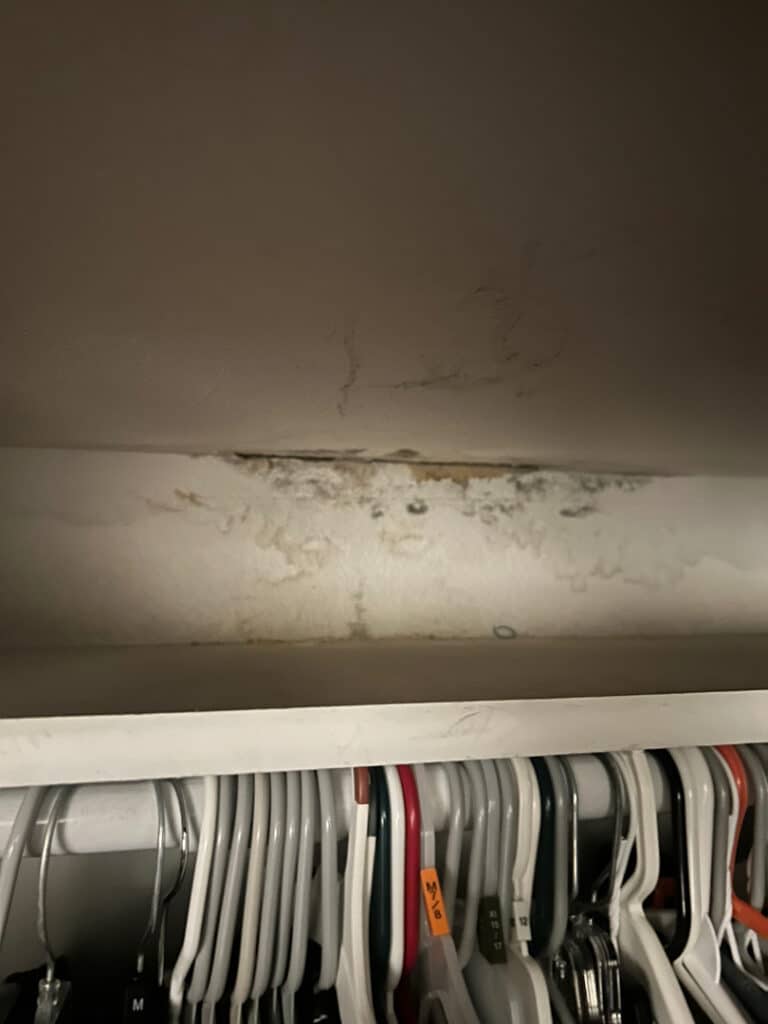
Fixed:Wax seal had broken and it was obsious that the leak was coming from the water closet. Emptied water closet and pulled it up. Removed old wax ring and set new one. Reset water closet and hooked up.
Outcome:Tested Water closet and caulked to floor.
Water Coset was Leaking and Running Often - Lakewood
Problem:Water closet leaking
Found:Loose flange bolt on right side of toilet.
Fixed:Replace fill valve. Replace flapper valve. Replace supply tube. 4 W/C was loose. Tightened the bolts as much as possible. Adjusted water level.
Lakewood's environmental factors directly influence toilet plumbing performance and longevity. Understanding these conditions helps homeowners anticipate maintenance needs and recognize when professional service is warranted.
Water Quality Characteristics
Denver Water supplies most Lakewood homes, drawing primarily from mountain watersheds including the South Platte River system and various reservoirs. This water undergoes treatment at facilities like the Marston and Foothills treatment plants before distribution.
Moderate to hard mineral content – Calcium and magnesium levels cause scale accumulation inside toilet tanks, coating flappers and fill valves
Chlorine treatment – Disinfection chemicals can accelerate rubber component degradation over time
Seasonal variation – Spring snowmelt runoff can temporarily affect water characteristics
pH levels – Generally neutral to slightly alkaline, reducing corrosion concerns but contributing to mineral deposits
These water characteristics mean toilet tank components in Lakewood homes typically require replacement more frequently than in areas with softer water. Flappers may last only 3–5 years before mineral coating prevents proper sealing.
Soil and Drainage Considerations
Lakewood sits on varied soil types, including significant areas of expansive clay. These soils swell when wet and shrink during dry periods, creating ground movement that affects underground plumbing.
Sewer line connections can shift, creating bellies or offsets that affect toilet drainage
Foundation movement may stress bathroom floor structures, causing toilet flange misalignment
Seasonal soil moisture changes correlate with increased toilet seal failures
Climate Impacts
Lakewood's semi-arid continental climate produces hot summers, cold winters, and low humidity year-round. These conditions affect toilet plumbing in several ways:
Winter freeze risk – Toilets on exterior walls or in poorly insulated spaces face freeze potential during cold snaps
Low humidity effects – Rubber seals and gaskets dry out faster, becoming brittle and prone to cracking
Temperature cycling – Daily temperature swings stress wax ring seals and can cause condensation issues on toilet tanks
Altitude influence – Lower air pressure at 5,500 feet affects evaporation rates in toilet bowls and can influence flush dynamics
Water Infrastructure and Usage Data in Lakewood
Denver Water serves approximately 1.5 million people across the metro area, including the majority of Lakewood residents. The utility maintains an extensive distribution system with infrastructure dating from various periods – some water mains in older Lakewood neighborhoods were installed in the 1950s and 1960s during the city's initial suburban development.
According to Denver Water reports, the average single-family home in the service area uses approximately 80–100 gallons per person daily. Toilets represent a significant portion of indoor water consumption – typically 24–30% of household use. Older toilets from before 1994 may use 3.5 to 7 gallons per flush, while current WaterSense-certified models use 1.28 gallons or less.
Local Water Data Points
Denver Water's service area experiences peak demand during summer months – roughly double the winter usage
The utility has invested over $2 billion in infrastructure improvements since 2000, including main replacements affecting Lakewood neighborhoods
Water pressure in Lakewood varies by elevation and proximity to storage facilities – homes at higher elevations may experience lower pressure
Jefferson County has experienced population growth exceeding 5% over the past decade, increasing demand on water infrastructure
Impact on Toilet Plumbing Services
These infrastructure realities affect toilet plumbing in practical ways. Pressure fluctuations can cause fill valve chatter or incomplete tank fills. Aging water mains occasionally introduce sediment that clogs toilet components. Homes in areas with recent main replacements may experience temporary pressure changes that stress existing fixtures.
Water conservation incentives from Denver Water and Lakewood's sustainability initiatives encourage toilet upgrades. Replacing a pre-1994 toilet with a current high-efficiency model can save 13,000 gallons annually per fixture – a meaningful reduction in both water bills and environmental impact. Cardom Plumbing & Heating helps homeowners navigate these upgrades while addressing any underlying plumbing issues that affect new fixture performance.
Common signs include gurgling sounds, slow flushing, frequent clogs, water pooling around the base, and a constant running sound. If you notice any of these issues, it may be time to call a professional plumber.
Regular maintenance is key to preventing toilet plumbing issues. This includes checking for leaks, cleaning the toilet tank and bowl, and ensuring that the water supply line is free of mineral buildup. Additionally, be mindful of what you flush to avoid clogs.
A constantly running toilet is often caused by a faulty flapper valve or a problem with the fill valve. You can try adjusting the chain connected to the flapper or replacing the flapper itself. If the issue persists, it may be best to consult a plumber.
If your toilet is overflowing, the first step is to turn off the water supply to prevent further flooding. You can usually find the shut-off valve behind the toilet. Then, use a plunger to try to clear the blockage. If that doesn't work, call a plumber for assistance.
Lakewood's high altitude can impact water pressure, which may affect toilet performance. Lower water pressure can lead to incomplete flushing or slow filling of the tank. A plumber can assess your system and recommend solutions if you're experiencing issues.
Ignoring toilet plumbing problems can lead to more serious issues like water damage, mold growth, and increased water bills due to leaks. It's best to address any signs of trouble promptly to avoid costly repairs down the line.
You can find reliable toilet plumbing services in Lakewood by searching online for local plumbing companies, checking customer reviews, and asking for recommendations from friends or neighbors. Make sure to choose a licensed and insured plumber for the best results.