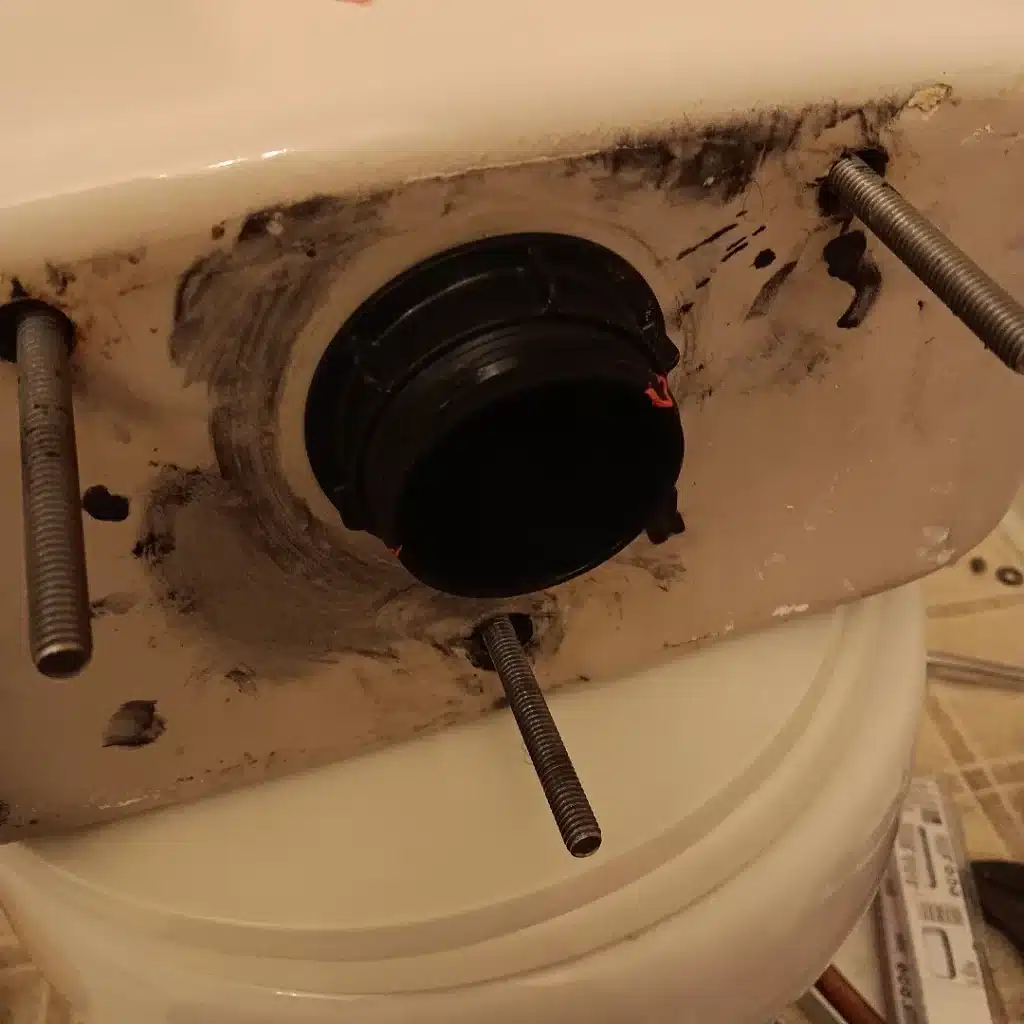
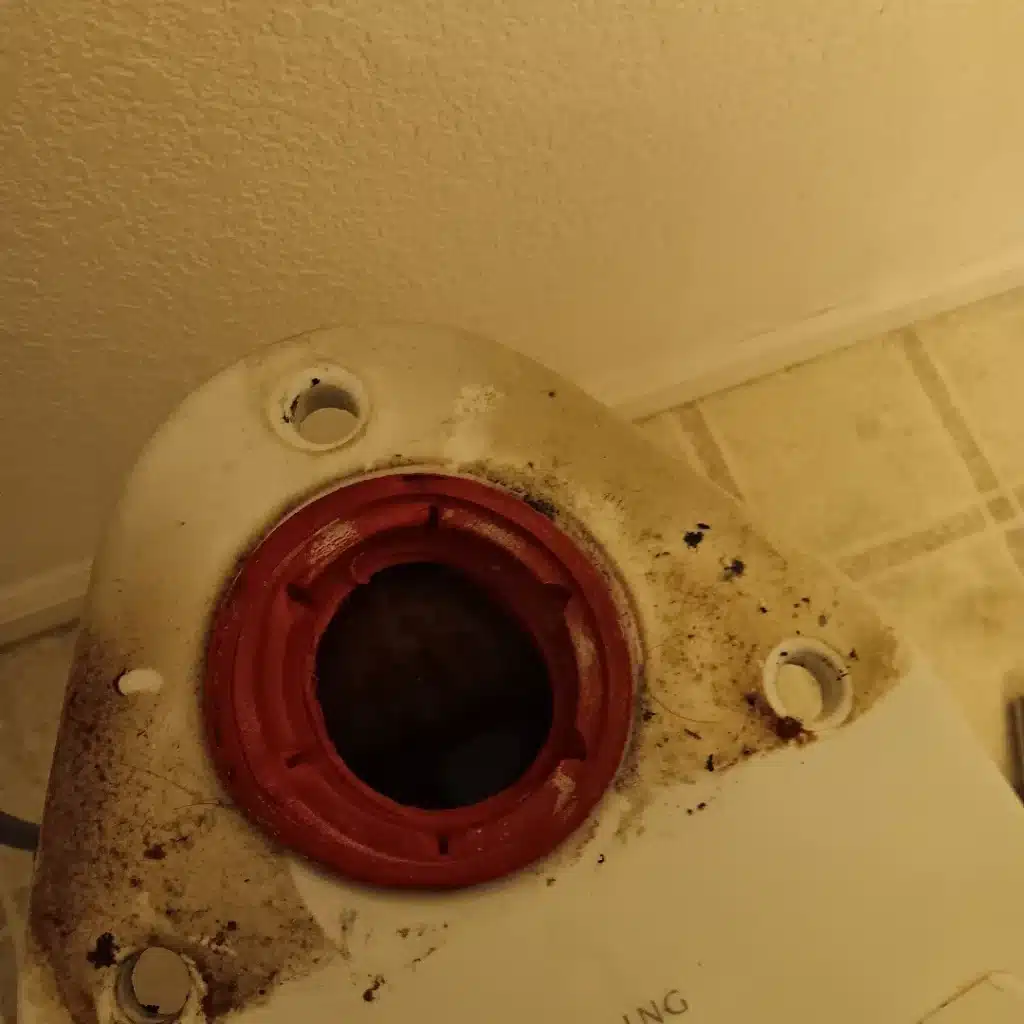
Toilet plumbing in Broomfield, CO presents unique challenges due to the area's elevation, hard water, and temperature fluctuations. Homeowners should be aware of common issues and the importance of professional diagnosis to prevent costly repairs.
Broomfield's hard water can lead to mineral buildup, affecting toilet performance.
Temperature swings can stress toilet components, leading to leaks and inefficiencies.
Professional assessments help identify underlying issues rather than just addressing symptoms.
What are common toilet plumbing issues in Broomfield, CO?
Common toilet plumbing issues in Broomfield, CO include persistent running toilets, slow-filling bowls, and water pooling around the base. These problems can lead to significant water damage or complete fixture failure if not addressed promptly, making it essential for homeowners to seek repairs as soon as they notice any unusual sounds or leaks.
Toilet Plumbing Services in Broomfield, CO
That gurgling sound coming from your bathroom at 6 AM isn't something you can ignore. A running toilet that won't quit, a bowl that fills too slowly, or worse – water pooling around the base – these problems demand attention before they escalate into costly water damage or complete fixture failure.
Toilet plumbing encompasses far more than most homeowners realize. Beyond the visible porcelain fixture sits a complex system of fill valves, flappers, wax rings, flanges, supply lines, and drain connections that must work in perfect harmony. When any component fails, the entire system suffers – and so does your water bill, your flooring, and your peace of mind.
Why Professional Diagnosis Matters
Broomfield's unique combination of hard water, elevation-related pressure variations, and temperature extremes creates specific challenges for toilet systems. Professional assessment identifies root causes rather than just symptoms.
Accurate identification of mineral buildup affecting internal components
Detection of hidden leaks beneath the toilet that damage subfloors
Proper diagnosis of fill valve issues caused by municipal water pressure fluctuations
Assessment of wax ring integrity compromised by seasonal foundation movement
Broomfield sits at approximately 5,400 feet elevation along the Front Range corridor, where municipal water travels through aging infrastructure while carrying dissolved minerals from mountain snowmelt sources. This combination creates distinct toilet plumbing challenges that differ significantly from sea-level communities.
The city's housing stock ranges from 1960s ranch homes in established neighborhoods to brand-new construction in Anthem Highlands and Baseline. Older homes often feature original cast iron drain lines and outdated toilet designs, while newer developments may experience settling-related alignment issues as foundations adjust to Colorado's expansive clay soils.
Seasonal Considerations
Broomfield experiences dramatic temperature swings – sometimes 40 degrees within a single day. These fluctuations stress toilet components in ways that gradual climate changes cannot.
Hard water mineral accumulation – Broomfield's water hardness averages 150-200 ppm, causing calcium deposits on fill valves, flappers, and jet holes that reduce flushing efficiency
Freeze-thaw foundation movement – Clay soil expansion and contraction can shift toilet flanges, breaking wax ring seals and causing slow leaks
Low humidity deterioration – Colorado's dry air accelerates rubber component degradation, causing flappers and gaskets to crack prematurely
Altitude-related pressure issues – Lower atmospheric pressure affects tank fill rates and can cause phantom flushing in improperly adjusted systems
Winter pipe stress – Supply lines in exterior walls or crawl spaces face freezing risks during January and February cold snaps
Summer storm surge – Heavy monsoon rains can overwhelm municipal systems, causing temporary backflow concerns
Warning Signs Broomfield Homeowners Should Monitor
Early detection prevents minor toilet issues from becoming major plumbing emergencies.
Toilet runs intermittently without being flushed
Weak or incomplete flushes requiring multiple attempts
Water stains or soft spots on flooring near the toilet base
Sewage odors in the bathroom despite regular cleaning
Visible rust or corrosion on supply line connections
Our toilet plumbing process addresses both immediate symptoms and underlying causes. We've refined our approach specifically for Broomfield's unique plumbing environment.
Our Diagnostic and Repair Process
Initial assessment – We begin with a thorough visual inspection of the toilet, surrounding flooring, and accessible supply and drain connections
Component testing – Each internal mechanism undergoes individual evaluation including dye tests for slow leaks, pressure measurements, and fill rate timing
Drain line evaluation – Camera inspection when needed to identify blockages, root intrusion, or pipe deterioration affecting flush performance
Repair or replacement recommendation – Based on findings, we provide clear options ranging from component replacement to full fixture upgrade
Professional installation – All repairs follow manufacturer specifications and local code requirements
System testing – Multiple flush cycles, leak verification, and supply line pressure checks confirm proper operation
Homeowner walkthrough – We demonstrate the completed work and explain any maintenance recommendations
Techniques and Methods
Different toilet problems require different solutions. Our technicians arrive equipped for the full range of scenarios.
Wax ring replacement with proper flange height adjustment
Fill valve and flapper upgrades using components rated for hard water conditions
Toilet flange repair or replacement for damaged or corroded connections
Supply line replacement with braided stainless steel for durability
Toilet reset and releveling on uneven flooring
Complete toilet installation with proper venting verification
Auger and hydro-jetting for stubborn drain blockages
Communication Throughout the Process
We believe you deserve to understand what's happening with your plumbing. Before any work begins, you'll receive a clear explanation of the problem, proposed solution, and expected timeline. If we discover additional issues during repair, we'll discuss them with you before proceeding.
Why Choose Cardom Plumbing & Heating
Broomfield homeowners have options when toilet problems arise. Cardom Plumbing & Heating has built our reputation on technical expertise combined with genuine respect for your home and time. Our technicians hold current Colorado plumbing licenses and participate in ongoing training specific to Front Range water conditions and building practices.
Local Knowledge That Matters
We've worked in Broomfield neighborhoods from Broadlands to Interlocken to the original Broomfield Heights area. This experience means we understand the specific plumbing configurations common to each era of construction – from the galvanized drain lines in 1970s split-levels to the PEX systems in today's new builds.
Rapid response for urgent toilet failures and active leaks
Fully stocked service vehicles with common parts for Broomfield's prevalent toilet models
Diagnostic equipment including video inspection cameras and electronic leak detection
Satisfaction guarantee on all completed work
Clear, written estimates before work begins
Our Service Commitment
When you contact us about a toilet problem, you'll speak with someone who understands plumbing – not a call center script reader. We schedule appointments in reasonable windows and call ahead when our technician is en route. Our trucks stay clean, our technicians wear shoe covers, and we clean up thoroughly after every job.
Broomfield's residential landscape reflects decades of Front Range development patterns. Understanding these housing characteristics helps explain why toilet plumbing needs vary significantly across different neighborhoods.
Housing Age Distribution
The city contains distinct housing eras, each with characteristic plumbing systems.
1950s-1970s original Broomfield – Ranch and split-level homes often feature cast iron drain stacks, original 3.5-gallon toilets, and brass supply valves prone to corrosion
1980s-1990s expansion – Two-story homes with ABS plastic drains, early low-flow toilets (often problematic 1.6-gallon first-generation models), and copper supply lines
2000s-present development – PVC drainage, modern high-efficiency toilets, PEX supply lines, and engineered floor systems requiring precise toilet installation
Foundation Types and Toilet Stability
Broomfield homes sit on various foundation types that affect toilet installation and long-term performance.
Slab-on-grade – Common in newer construction; toilets connect directly to under-slab drains with minimal flange movement but challenging repair access
Crawl space – Prevalent in older homes; allows easier drain access but exposes supply lines to temperature extremes
Basement – Standard in most Broomfield homes; basement bathrooms may require ejector pumps for below-grade toilets
Multi-Story Considerations
Many Broomfield homes feature bathrooms on multiple levels. Upper-floor toilets create specific challenges including longer drain runs, stack venting requirements, and the potential for leaks to damage lower-level ceilings. Proper installation and maintenance become even more critical when a toilet sits above finished living space.
Broomfield's environmental factors directly influence toilet plumbing performance and longevity. Understanding these conditions helps homeowners recognize why certain problems occur and how to prevent them.
Water Quality Characteristics
Broomfield receives water from multiple sources including the Northern Colorado Water Conservancy District and local reservoirs. The municipal treatment process produces safe drinking water, but certain characteristics affect plumbing fixtures.
Hardness levels – Averaging 10-12 grains per gallon, Broomfield water leaves mineral deposits on toilet components over time
Chlorine treatment – Necessary for safety but accelerates rubber degradation in flappers and gaskets
pH balance – Slightly alkaline water can contribute to scale buildup in toilet jets and rim holes
Seasonal variation – Water source changes throughout the year affect mineral content and treatment levels
Soil and Drainage Factors
Broomfield sits on expansive clay soils that swell when wet and shrink when dry. This movement affects underground drain lines and can cause toilet flanges to shift relative to the floor. Homes near Big Dry Creek or in low-lying areas may experience higher groundwater levels during spring snowmelt, potentially affecting sewer line performance.
Climate Impacts on Toilet Systems
The Front Range climate creates specific stresses on toilet plumbing throughout the year.
Winter freeze risk – Supply lines in exterior walls or unheated spaces can freeze during extended cold periods
Low humidity effects – Rubber components dry out and crack faster than in humid climates, shortening flapper lifespan
Temperature cycling – Daily temperature swings cause expansion and contraction in wax rings and supply connections
Storm events – Heavy rain or rapid snowmelt can temporarily overwhelm combined sewer systems in older areas
Elevation Considerations
At over 5,000 feet, Broomfield's altitude affects toilet operation in subtle ways. Lower atmospheric pressure means water boils at a lower temperature and evaporates faster from toilet bowls. Pressure-assisted toilets may require adjustment for optimal performance at elevation, and some gravity-fed models struggle with consistent flush power.
Recent Work
Flush Valve in Downstairs Bathroom Needs Replacement - Broomfield
Problem:Water closet running and leaking
Found:The flush valve was not shutting down. Tank to bowl gasket was rotted.
Fixed:Replace the stop and supply with new.
Outcome:Set water level. Tested and cleaned up
Water Infrastructure and Usage Data in Broomfield
Broomfield's water system serves approximately 75,000 residents through a network that combines treated surface water with groundwater sources. The city's water infrastructure includes storage tanks, pump stations, and distribution mains ranging from recently installed lines to pipes dating back to the 1960s. This infrastructure age variation directly affects water pressure consistency and quality at individual homes.
Water Usage and Conservation Statistics
Broomfield residents consume an average of 140-160 gallons per person daily during summer months, dropping to approximately 80 gallons during winter. Toilets represent the largest indoor water use – accounting for roughly 30% of household consumption.
Older 3.5-gallon toilets use approximately 18,000 gallons annually per person
Modern WaterSense-certified toilets use only 1.28 gallons per flush – saving over 10,000 gallons yearly
A running toilet can waste 200+ gallons daily, adding $50-100 monthly to water bills
Broomfield offers rebates for high-efficiency toilet installations through its water conservation program
Infrastructure Age and Toilet Performance
The age of neighborhood water mains affects pressure delivery to individual fixtures. Older galvanized service lines – still present in some original Broomfield neighborhoods – can restrict flow and cause slow toilet tank refilling. Additionally, aging sewer infrastructure in established areas may experience root intrusion or joint separation that affects toilet drainage performance.
Cardom Plumbing & Heating understands how Broomfield's water infrastructure interacts with residential toilet systems. When diagnosing slow-filling tanks or weak flushes, we consider both fixture-level problems and supply-side limitations. This comprehensive approach ensures repairs address actual causes rather than just treating symptoms.
Common issues include running toilets, slow-filling bowls, and leaks around the base. These problems can arise from hard water mineral buildup, aging infrastructure, and temperature fluctuations that affect toilet components.
If you notice gurgling sounds, water pooling around the base, or frequent clogs, it's time to call a professional. Additionally, if your toilet runs continuously or fills slowly, these symptoms may indicate underlying issues that require expert diagnosis.
Broomfield's hard water contains high levels of minerals that can accumulate in toilet components, leading to decreased flushing efficiency and potential clogs. Over time, this buildup can damage fill valves and flappers, resulting in costly repairs.
First, turn off the water supply to the toilet to prevent further damage. Then, check for visible leaks around the base and connections. It's advisable to contact a plumber to assess the situation and address any underlying issues.
It's recommended to have your toilet plumbing inspected at least once a year, especially in areas with hard water and temperature fluctuations. Regular inspections can help identify issues before they escalate into major problems.
A toilet that flushes by itself, often referred to as phantom flushing, is usually caused by a faulty flapper or improper water level in the tank. This can be exacerbated by altitude-related pressure issues in Broomfield, making professional diagnosis important.
You can find reliable toilet plumbing services by searching online for local plumbing companies, checking customer reviews, and asking for recommendations from friends or neighbors. It's important to choose a service with experience in handling the specific plumbing challenges in Broomfield.