Toilet plumbing in Boulder, CO, involves a complex system that requires professional attention due to unique local conditions. Issues like hard water and high altitude can lead to frequent plumbing problems that need expert diagnosis and repair.
Boulder homes face specific plumbing challenges due to hard water and high altitude, affecting toilet function. Professional assessments identify root causes of issues rather than just symptoms. Cardom Plumbing & Heating offers tailored solutions and rapid response for toilet emergencies in the area.
Toilet Plumbing Services in Boulder, CO A running toilet at 3 AM.
A clog that won’t budge no matter how many times you reach for the plunger.
What are common toilet plumbing issues in Boulder, CO?
Common toilet plumbing issues in Boulder, CO include running toilets, persistent clogs that resist plunging, and water pooling around the base after flushing. These problems often require professional attention rather than simple DIY solutions to ensure proper functioning and prevent further damage.
Toilet Plumbing Services in Boulder, CO
A running toilet at 3 AM. A clog that won't budge no matter how many times you reach for the plunger. Water pooling around the base of your toilet after every flush. These scenarios play out in Boulder homes daily – and they demand more than a quick DIY fix.
Toilet plumbing encompasses the complete system that makes your bathroom's most essential fixture function reliably. This includes the supply line delivering water to your tank, the fill valve and flapper assembly controlling water flow, the flush mechanism, the wax ring sealing your toilet to the floor flange, and the drain connection linking to your home's waste system. When any component fails, you're dealing with water waste, potential damage, or complete fixture failure.
Why Professional Diagnosis Matters
Boulder's unique combination of hard water, high altitude, and aging infrastructure creates toilet plumbing challenges you won't find in most cities. A phantom flush might seem like a simple flapper issue – but mineral buildup from our calcium-rich water supply could be the underlying cause. Professional assessment identifies root problems rather than symptoms.
Accurate identification of component failures versus systemic issues
Prevention of water damage from improper seal installation
Detection of hidden leaks that waste thousands of gallons annually
Proper matching of replacement parts to Boulder's water pressure conditions
Cardom Plumbing & Heating provides Toilet Plumbing services in all neighborhoods of Boulder including Arapahoe Ridge, Dakota Ridge, East Aurora, Frazier Meadows, Goss-Grove, Holiday, Keewaydin, Martin Acres, Meadow Glen, Park East, Promontory North, Table Mesa, The Hill, The Promontory, Washington Village, and Wonderland Hills.
Boulder sits at 5,430 feet elevation where atmospheric pressure differences affect how toilet tanks fill and flush. Water boils at a lower temperature here, and the reduced air pressure means fill valves and flush mechanisms behave differently than at sea level. Toilets calibrated for coastal installations often run continuously or fail to fill properly in our mountain environment.
The City of Boulder draws water primarily from Boulder Creek and mountain reservoirs. This supply carries significant mineral content – particularly calcium and magnesium – that accumulates inside toilet tanks, around fill valves, and within flush mechanisms. Over time, these deposits restrict water flow, prevent proper sealing, and cause components to fail prematurely.
Seasonal Considerations
Winter temperatures regularly drop below freezing, and toilets in poorly insulated bathrooms – especially those against exterior walls in older Boulder homes – face condensation issues and potential supply line freezing. Spring snowmelt can overwhelm aging sewer infrastructure, causing backups that affect toilet drainage throughout neighborhoods near Boulder Creek.
Hard water mineral buildup – Calcium deposits on flappers, fill valves, and flush handles cause sticking, incomplete seals, and phantom flushing
Altitude-related pressure issues – Standard fill valves may not calibrate correctly at Boulder's elevation, leading to constant running or incomplete tank fills
Aging cast iron flanges – Homes built before 1980 often have corroded floor flanges that compromise wax ring seals
Shifting foundations – Expansive clay soils in parts of Boulder cause foundation movement that stresses toilet connections
Freeze-related supply line damage – Copper supply lines in unheated spaces become brittle and crack during cold snaps
Warning Signs Requiring Attention
Watch for water appearing around your toilet base after flushing – this indicates wax ring failure. Listen for toilets that run intermittently without being used. Notice if flush power has decreased or if you're flushing multiple times to clear waste. Any of these symptoms warrant professional evaluation before minor issues become major repairs.
Recent Work
Replace Water Closet on the Top Floor - Boulder
Problem:Replace water closet on the top level that was not flushing
Found:Water closet that was not flushing and only backing up.
Fixed:Turned of the water and drained down the old Water Closet. Disconnected and took apart into two pieces, tank and bowl. Removed and disposed of old Water Closet. Furnished and install a Toto, Drake water closet, elongated model with ADA height. Installed a new Slow-Cloz water closet seat on the new Water Closet. Used to closet bolts and washer kit, supply tub and wax ring.
Outcome:Turn on wate and tested. Caulked water closet to the floor as required by code. Jobsite cleanup.
Water Closet Leaking at Base - Boulder
Problem:Repair leaking water closet.
Found:Leaking when the main line was plugged and right after.
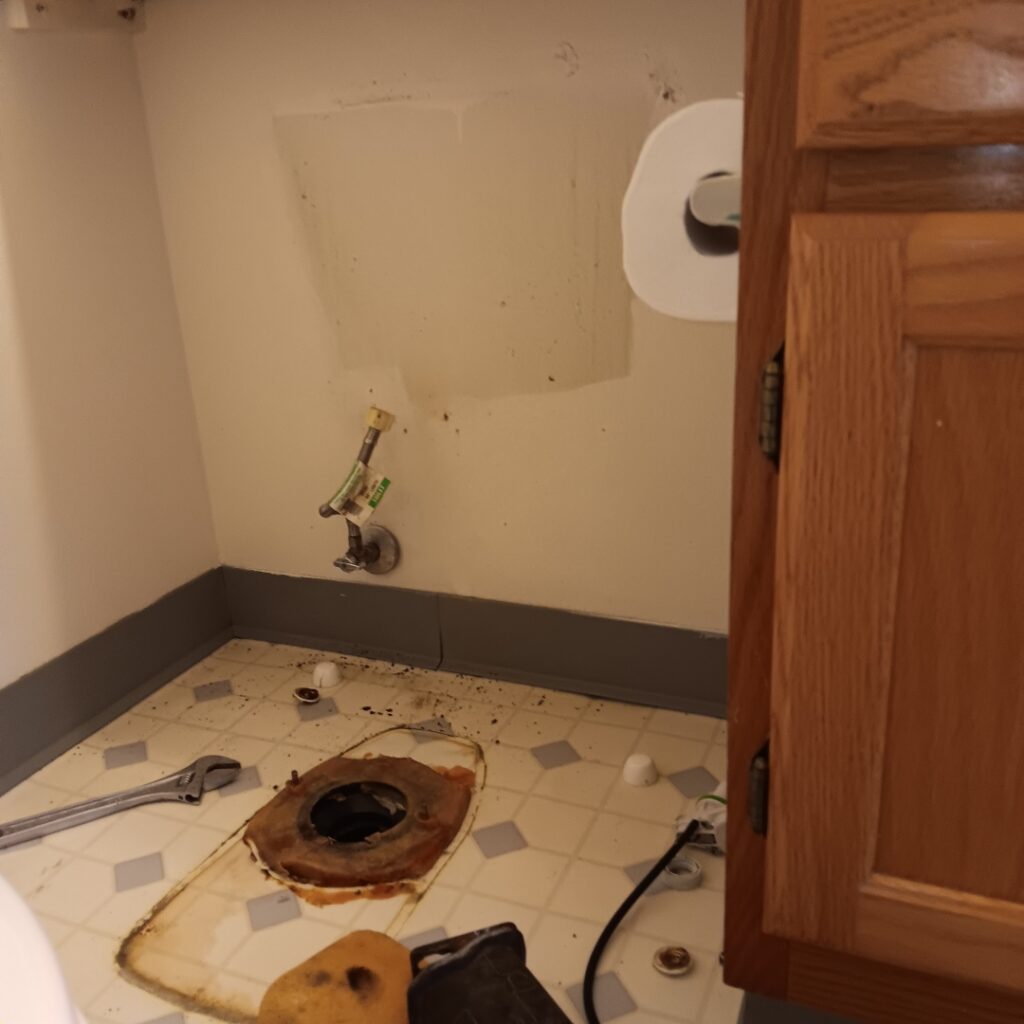
Fixed:We drained the water closet and pulled it off the floor. We removed the old wax ring and inspected the flange. It was intact. We reset the water closet with a new wax ring and bolts.
Outcome:Hookup up water and tested OK. No leaks.
Replacing Toilet - Boulder
Problem:Toilet was too close to wall to remove rusted tank bolts.
Found:Had to pull toilet to keep from breaking tank while cutting.
Fixed:Installed fill valve and flush valve, new tank bolts to make existing toilet functional. Remounted toilet on new wax ring. Handle is corroded. Drilled new hole in flush handle to attach flapper. Supply line has bad threads. Replaced with new one.
Outcome:Installed new american standard 'cadet' toilet. Installed new bolts for flange and new toilet seat. Removed all trash
Our approach to toilet plumbing combines systematic diagnosis with Boulder-specific expertise. We don't guess at problems – we identify them through proven inspection methods.
Our Diagnostic and Repair Process
Initial assessment – We examine your toilet's external condition, check for visible leaks, test flush performance, and listen for fill valve irregularities
Tank inspection – We remove the tank lid to evaluate flapper condition, check for mineral deposits, test the fill valve operation, and verify proper water level
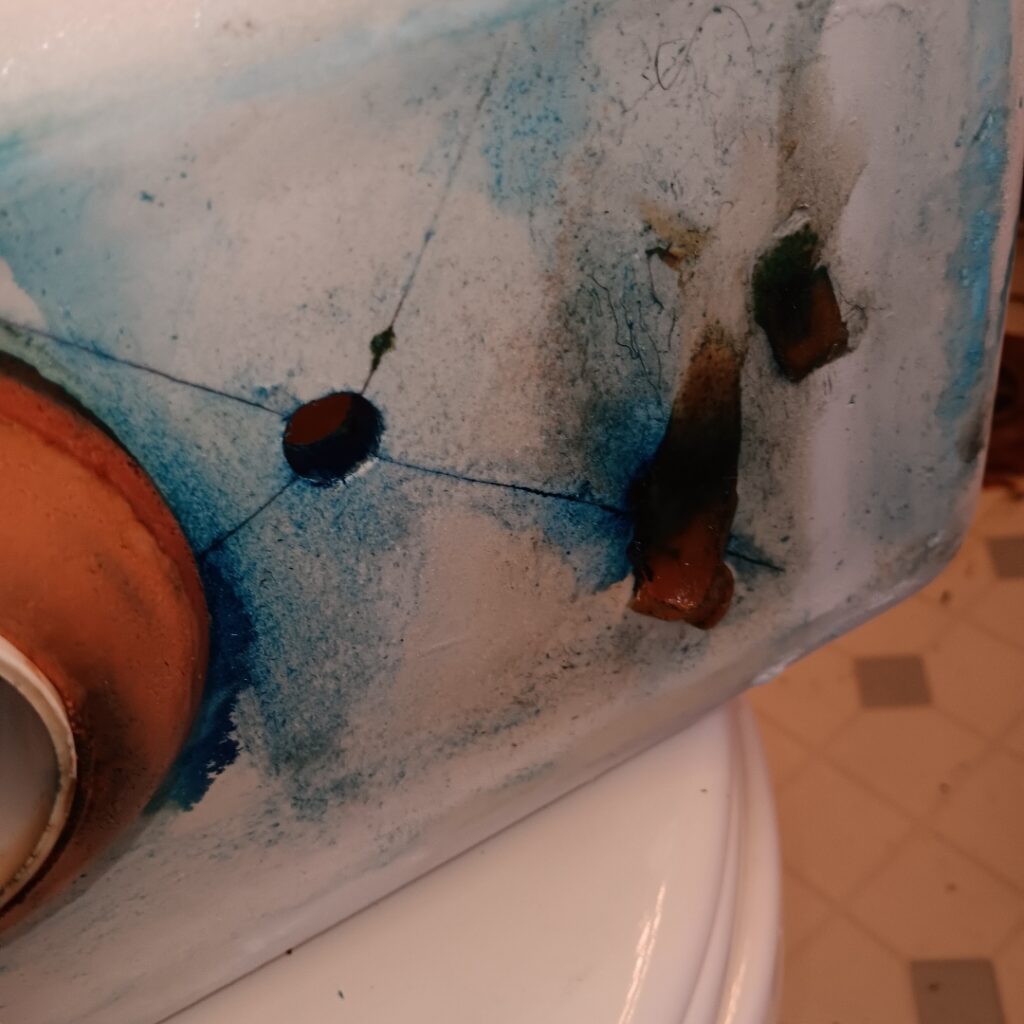
Base and seal evaluation – We check for movement at the toilet base, inspect caulking condition, and test for wax ring leaks using dye tablets
Drain line assessment – When drainage issues exist, we use camera inspection to identify blockages, root intrusion, or pipe damage
Repair or replacement execution – Based on findings, we perform targeted repairs or recommend full replacement when cost-effective
Testing and verification – Every repair concludes with multiple flush tests and leak checks to confirm proper function
Methods and Techniques
We employ specialized approaches suited to Boulder's conditions:
Adjustable fill valves calibrated for high-altitude operation
Chemical-resistant flappers designed to withstand hard water exposure
Wax-free seal alternatives for installations on uneven floors
Video camera inspection for drain line evaluation
Hydro-jetting for mineral and debris removal from waste lines
Pressure testing to verify supply line integrity
Communication Throughout
Before any work begins, you'll receive a clear explanation of what we've found and what repairs we recommend. We show you the problem when possible – whether that's a deteriorated flapper or camera footage of a blocked drain. You make informed decisions about your plumbing investment.
Why Choose Cardom Plumbing & Heating
Cardom Plumbing & Heating brings licensed, insured technicians to every toilet plumbing call. Our team holds current Colorado plumbing licenses and maintains ongoing training in modern fixture technology and repair techniques. We understand Boulder's building codes and work within city permit requirements when projects demand them.
Local Knowledge That Matters
We've worked in Boulder neighborhoods for years – from the historic homes of Mapleton Hill to newer construction in Gunbarrel. This experience means we recognize common issues in specific areas. We know which neighborhoods have aging clay sewer lines, which developments used particular toilet models, and where hard water problems are most severe.
Rapid response – We prioritize toilet emergencies because we understand a non-functional bathroom disrupts your entire household
Stocked service vehicles – Our trucks carry common replacement parts including fill valves, flappers, wax rings, supply lines, and complete toilet units
Diagnostic technology – Camera inspection equipment allows us to see inside drain lines without destructive exploration
Follow-up commitment – We stand behind our work and return promptly if any issue arises after repair
Our technicians arrive in marked vehicles with proper identification. We protect your floors, clean up completely after every job, and treat your home with respect. You'll receive documentation of work performed and recommendations for preventing future issues.
Boulder's housing stock spans more than a century of construction practices, each era bringing distinct toilet plumbing configurations that affect repair and replacement approaches today.
Historic and Mid-Century Homes
Properties in University Hill, Whittier, and downtown Boulder often date to the early 1900s through the 1950s. These homes typically feature:
Cast iron drain lines with lead joint connections prone to corrosion
Original floor flanges set in concrete or tile that complicate toilet replacement
Non-standard rough-in dimensions requiring specific toilet models
Galvanized steel supply lines that restrict water flow over time
Bathrooms added during renovations with improvised drain connections
1960s Through 1980s Construction
Homes built during Boulder's growth decades – common in Table Mesa, Martin Acres, and parts of North Boulder – introduced copper supply lines and ABS plastic drain pipes. Toilets from this era used 3.5 to 5 gallons per flush. Many have been replaced, but original installations still exist with aging fill valves and tank components designed for pre-low-flow standards.
Modern Construction
Newer developments in Gunbarrel, Louisville, and Superior feature PEX supply lines and PVC drain systems. These homes use 1.28 to 1.6 gallon toilets meeting current efficiency standards. While materials are more durable, Boulder's hard water still affects internal components, and proper installation remains critical for long-term performance.
Older homes may require flange repair or replacement before new toilet installation
Historic properties often need custom approaches to maintain period-appropriate fixtures
Multi-story homes require attention to proper venting for optimal flush performance
Basement bathrooms with below-grade drains may need ejector pump systems
Boulder's natural environment directly impacts toilet plumbing performance and longevity. Understanding these factors helps homeowners anticipate maintenance needs and make informed decisions about repairs and upgrades.
Water Quality Characteristics
Boulder's municipal water supply originates from mountain snowmelt collected in Barker Reservoir and supplemented by Boulder Creek diversions. The city treats this water at the Betasso Water Treatment Facility, but the naturally occurring mineral content remains significant. Water hardness in Boulder typically measures between 50-120 mg/L – classified as moderately hard to hard.
Calcium carbonate deposits accumulate on toilet tank components
Mineral buildup reduces fill valve efficiency over time
Flapper rubber degrades faster in hard water conditions
White or tan scale visible inside tanks indicates active mineral deposition
Soil and Drainage Considerations
Much of Boulder sits on expansive clay soils that swell when wet and shrink during dry periods. This movement stresses underground sewer lines and can shift foundations enough to affect toilet installations. Areas near Boulder Creek face additional challenges from high water tables during spring runoff, which can slow drain performance and contribute to sewer backups during peak flow periods.
Climate Impacts
Boulder experiences over 300 days of sunshine annually, but winter brings regular freeze-thaw cycles. Temperatures swing dramatically – sometimes 40 degrees in a single day. These fluctuations stress plumbing connections and can cause condensation issues on toilet tanks and supply lines. The low humidity common at altitude accelerates rubber component degradation, meaning flappers and gaskets may need replacement more frequently than in humid climates.
Freeze protection matters for toilets against exterior walls or in unheated spaces
Rapid temperature changes stress wax ring seals and tank-to-bowl connections
Low humidity accelerates rubber and gasket deterioration
Spring snowmelt can overwhelm sewer systems in flood-prone areas
Boulder Water Infrastructure & Usage Data
Boulder's water system serves approximately 105,000 residents through a network that includes aging infrastructure alongside modern upgrades. The city maintains over 400 miles of water distribution mains and nearly 350 miles of sewer collection lines. Portions of this system date to the early 20th century, with cast iron and clay pipe segments still in service throughout older neighborhoods.
Water Usage and Conservation Context
Boulder residents use an average of 140 gallons per person daily during summer months, dropping to around 70 gallons in winter. Toilets account for approximately 24% of indoor residential water use – making them the single largest indoor water consumer in most homes. The city actively promotes water efficiency through rebate programs for high-efficiency toilet installations.
Older 3.5+ gallon toilets waste 2-4 gallons per flush compared to modern 1.28 gallon models
A running toilet can waste 200+ gallons daily – equivalent to 6,000 gallons monthly
Boulder's tiered water rates make inefficient toilets increasingly expensive to operate
WaterSense-certified toilets qualify for city rebate programs when replacing older fixtures
Infrastructure Age and Toilet Performance
The age of Boulder's sewer infrastructure directly affects toilet drainage performance. Neighborhoods with original clay sewer lines – common in areas developed before 1960 – experience more frequent drain issues due to root intrusion, joint separation, and pipe deterioration. The city's ongoing sewer rehabilitation program addresses these problems systematically, but individual property connections remain homeowner responsibility.
When we service toilet plumbing in Boulder, we consider not just the fixture itself but its connection to this broader infrastructure. A slow-flushing toilet might indicate internal component failure – or it might signal a developing blockage in your sewer lateral. Our diagnostic approach examines the complete system to identify the actual source of problems and recommend appropriate solutions.
Common signs include a running toilet, water pooling around the base, frequent clogs, or a weak flush. If you notice any of these issues, it may indicate a problem with the internal components or the plumbing system.
Regular maintenance is key to preventing issues. This includes checking for leaks, cleaning the tank and bowl, and ensuring that the fill valve and flapper are functioning properly. Additionally, being mindful of what goes down the toilet can help avoid clogs.
A running toilet is often caused by a faulty flapper or fill valve. Mineral buildup from Boulder’s hard water can also contribute to this issue. Inspecting these components and replacing them if necessary can resolve the problem.
You can find reliable toilet plumbing services by searching online for local plumbers, checking reviews, or asking for recommendations from friends or neighbors. Many plumbing companies in Boulder specialize in toilet repairs and maintenance.
Boulder's high altitude can impact how toilets fill and flush due to lower atmospheric pressure. This may cause toilets to run continuously or not fill properly, requiring adjustments or specialized components for optimal performance.
If your toilet is overflowing, the first step is to turn off the water supply to prevent further flooding. Then, try to unclog the toilet using a plunger. If the problem persists, it’s best to call a professional plumber to address the issue safely.
It's advisable to have your toilet plumbing inspected at least once a year. Regular inspections can help identify potential issues early, preventing costly repairs and ensuring your plumbing system functions efficiently.