
Recent Posts
Categories
10 Common Commercial Bathroom Problems
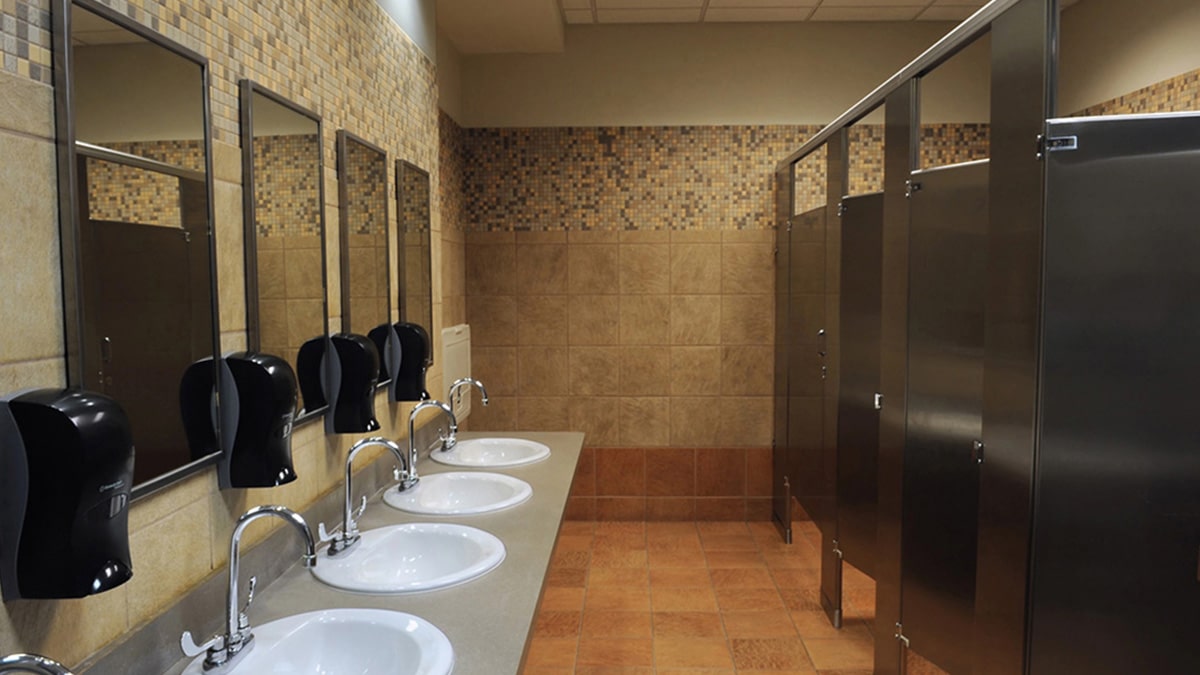
Commercial bathrooms often have problems that need regular care. Broken sinks and toilets, as well as old pipes, can cause issues for businesses. These problems can upset customers and make running a business harder. Managers have to work with tricky plumbing and follow health rules to keep everyone safe. Knowing the common bathroom problems helps business owners stop them before they get worse and cost more money. Here are some important areas to watch out for.
Common Commercial Toilet Issues
Commercial restrooms experience heavy daily use, which often leads to frequent toilet problems. Clogged bowls, leaking components, toilets that constantly run, and blocked pipes are all common issues caused by wear and tear from high traffic. Without proper upkeep, these problems can create disruptions, unsanitary conditions, and higher repair costs. Regular inspections and a quick-response maintenance plan help building managers keep restrooms clean, functional, and comfortable for everyone who uses them.
Clogged Toilets
Toilets in places like schools, offices, and restaurants often get clogged because so many people use them and throw things in them that they shouldn’t. This includes too much toilet paper, sanitary products, and other items that can block the pipes.
When this happens, toilets can overflow, causing messes and needing costly repairs.
To fix these problems, professionals use special tools like strong drain snakes and water jets to clear the pipes. They might also use special cleaning products that break down the blockages.
To stop clogs from happening in the first place, it helps to have toilets that flush better, teach people what they should and shouldn’t flush, and put trash cans in the stalls for things like sanitary products.
It’s also a good idea for building managers to check the toilets regularly to catch small problems before they turn into big ones that need urgent repair.
Leaky Fixtures
Leaky fixtures in bathrooms can cause big problems. Broken seals, old washers, and rusty parts can lead to water waste and higher bills. It’s important to fix these issues quickly to save money and avoid further damage.
| Problem | Cause | Fix |
| Dripping Faucets | Worn-out O-rings | Change seals, fix cartridge |
| Leaky Valves | Worn parts | Put in new valve parts |
| Loose Pipes | Bad connections | Tighten parts, change gaskets |
Plumbers figure out what’s wrong with leaky fixtures by checking pressure and looking for signs of leaks. Fixing leaks early can stop bigger problems like ceiling stains and mold. New sensor faucets can help stop leaks, but they need special care and regular checks.
Water Pressure Irregularities
Inconsistent water pressure is a big problem in places with lots of people, like public restrooms. It can make toilets flush poorly and sinks run slowly. This can happen because the city water supply changes, pipes are old or broken, or special valves that control pressure are not working properly.
To fix these problems, building managers should check the water pressure regularly. They can use gauges to see how strong the water flow is at different times of the day.
Using strong pressure regulators can help keep the water flow steady. If the water pressure is always low, adding booster pumps can help.
Keeping pipes clean and checking for rust or blockages can also help stop water pressure from dropping. Changing to fixtures that keep water flow steady can also help, even if the water supply changes.
Running Toilets
Running toilets are a common problem in public bathrooms. They waste a lot of water and money. These problems usually happen because of broken parts inside the toilet tank.
- A worn-out flapper valve doesn’t seal the tank properly, letting water flow from the tank to the bowl all the time.
- A fill valve that is broken or not set right won’t stop water at the right level, causing water to spill into the overflow tube.
- Rusty flush valve seals have gaps that let water leak from the tank.
- If the chain between the flush handle and the flapper is too long or too short, the flapper won’t close all the way, and water keeps flowing.
Fixing these parts can stop the water from running and save water and money.
Dirty or Clogged Drains
Dirty and clogged drains are common issues in commercial bathrooms. They can interrupt business activities. Soap, hair, mineral build-up, and trash often cause these problems. This can make water drain slowly or even stop it completely.
To keep drains clear, regular checks of P-traps, drain pipes, and vents are needed. Using drain covers, special cleaning solutions, and high-pressure water can help prevent clogs. Facility managers should plan regular cleaning using both tools and chemicals.
If drains are still blocked, commercial plumbers use special tools like cameras and flexible rods to find and clear clogs.
Staff need to learn the right way to dispose of waste. Signs can also remind everyone to keep drains clear. This helps maintain good drainage function and reduces problems.
Broken Toilet Seats
Commercial bathrooms often have problems with broken toilet seats. These need regular checks and quick fixes to keep everything safe and clean.
- Toilet seats in busy places wear out fast. They can have loose hinges, cracks, or become unstable.
- Using strong parts like metal brackets and sturdy bolts helps them last longer.
- Checking toilet seats every day can catch problems like cracks or loose parts early.
- Choosing the right material for toilet seats, like reinforced plastic or wood composite, based on how busy the bathroom is, makes them last longer.
Clogged Air Vents
When air vents in public bathrooms get clogged, it can cause big problems. Dust, dirt, and dampness can build up, leading to germs and mold that make the air dirty and can harm the heating and cooling systems.
| Problem | Effect | Fix |
| Dust | Blocks Air | Clean Every Three Months |
| Germs | Makes People Sick | Use UV-C Light |
| Water | Overworks System | Use Dehumidifiers |
Building managers should regularly check and clean air systems. This includes changing filters, cleaning vents, and checking how well the air moves. Hiring experts with special tools can help remove blockages and clean the vents. Using devices to measure humidity and planning regular check-ups can keep air systems working well and protect people from getting sick.
Ineffective Exhaust Fans
When bathroom fans in commercial buildings don’t work well, they can’t remove moisture, bad smells, and dirty air. This can make the air inside unhealthy and cause damage like mold and weak structures.
Why fans might not work well:
- Dust and dirt on the fan blades slow them down and block airflow.
- Broken or loose belts stop the motor from turning the fan on.
- Clogged ducts stop air from moving out properly.
- Fans that are too small can’t change the air as needed.
HVAC experts can measure air flow, check parts, and do maintenance to fix the fans.
Regular check-ups help keep the air safe and follow building rules.
Broken Toilet Handles
Many public restrooms have problems with broken toilet handles. This happens a lot because the parts inside wear out. Some parts that can break include the flush lever, the chain, and the lifting parts that get rusty.
To fix these handles, you need to check how the handle is put together. You should look at how the handle is attached, make sure the flush lever is strong, and see if the chain is connected correctly. You might need to replace parts like the flush valve seals or use stronger metal handles. Using handles with special coatings that stop germs can also help.
To keep handles from breaking, check them every few months. Make sure the parts that move are oiled and replace anything broken right away.
To avoid problems, it’s a good idea to keep spare parts ready and have a plan to check and fix the handles regularly.
Sewer Smells
A strong sewer smell in public bathrooms means there might be problems with the pipes that need to be checked right away. Plumbers look at things like air vents, drain traps, and waste pipes to find out what’s wrong.
- Sometimes, the water in P-traps dries up if the bathrooms aren’t used often. This allows bad smells to come in. To stop this, keep the traps full of water and use automatic flush systems.
- Broken vent pipes can let sewer smells into the bathroom instead of sending them outside. Plumbers use cameras to find any blockages or breaks.
- If the wax ring under a toilet is broken, it can let smells escape. Changing the wax ring can fix this.
- Cracks in sewer pipes or joints that don’t fit well can let smells come up through the building. Using pressure tests, plumbers can find the exact spots that need fixing or replacing.
Causes of Water Line Damage in Commercial Buildings
Commercial plumbing systems can face many problems that cause water line damage. This can lead to expensive repairs and interrupt business operations. Common reasons include mineral buildup from hard water, damage from strong cleaning chemicals, and natural wear and tear of pipes over time.
Things like the ground moving, earthquakes, and tree roots can damage pipes underground. High water pressure changes and water hammering can break pipe joints. Poor installation or bad materials make pipes wear out faster. Extreme temperatures cause pipes to expand and contract, which can weaken them.
When different metals are used together in plumbing, it can cause a reaction called galvanic corrosion, especially in older buildings.
Regular checks and testing of the water can spot problems before they become big issues.
The Importance of Regular Plumbing Inspections
Regular plumbing checks are very important for keeping buildings in good shape. They help spot problems before they become big issues. Experts use special tools to look at the plumbing and make sure everything follows the rules.
- They use video cameras to look inside pipes. This helps find rust, buildup, or weak spots before pipes break.
- They test the water pressure to find leaks or problems with the valves that can waste water.
- They check devices that stop dirty water from mixing with clean water to keep everyone healthy.
- They write down what they find to help plan for repairs and make sure everything is up to code.
These steps save money on big repairs and help the plumbing last longer.
Recommended Commercial Bathroom Needs
Modern commercial bathrooms need specific parts to work well and follow safety rules. These parts help make sure bathrooms are safe, easy to use, and meet ADA rules.
| Part | Why It’s Needed | Details |
| Fixtures | Handle Waste | Strong, wall-mounted ones |
| Partitions | Give Privacy | Tough, ADA-approved |
| Hand Dryers | Keep Hands Clean | Fast and save energy |
| Dispensers | Manage Supplies | Big and automatic |
| Ventilation | Keep Air Fresh | Meets air quality rules |
Other important things include floors that aren’t slippery, bright lights (at least 30 foot-candles), good airflow (at least 50 CFM per fixture), and paths that are easy for everyone to use. There should also be emergency lights and call buttons, as local rules require.
Consequences of Faulty Toilets in Business Establishments
When toilets don’t work right in businesses, it can cause big problems.
- If toilets overflow or sewage backs up, health inspectors might close the place down to check for health code problems.
- Customers can get upset if they can’t use the bathroom. They might leave bad reviews online or stop coming back, which can hurt the business’s reputation.
- Water leaks or overflows can damage the building. Fixing it can be expensive and might cause the business to shut down for repairs. Insurance costs might go up, too.
- If someone slips and falls, or if the bathroom isn’t accessible to everyone, the business might get in legal trouble. Also, if the bathrooms aren’t clean, it can make people sick, leading to more problems.
These issues show why it’s important for businesses to keep their bathrooms in good shape.
Things to Consider Before Designing Your Commercial Toilet
Designing a commercial restroom requires careful planning to ensure it meets both practical needs and long-term efficiency. Key factors include estimating the number of users, determining the right number of toilets and sinks, and planning the layout for smooth traffic flow. Fixtures should be durable enough to withstand heavy use, designed to conserve water, and easy to maintain or repair when needed. While high-quality options may cost more upfront, investing in the right materials and equipment can significantly reduce future expenses by improving reliability, efficiency, and lifespan.
Number of Occupants
When planning bathrooms for businesses, it’s important to know how many people might use them at the same time. There are rules that say how many toilets and sinks you need based on how many people are in the building and what kind of place it is.
- Find out how big the space is. Use rules from the International Building Code (IBC) to figure out how many people can be in the space.
- Think about how many men and women will use the bathroom. Usually, it’s half and half unless you know differently.
- Pay attention to when lots of people might need the bathroom, like during work breaks or events.
- Remember that some bathrooms need to be accessible for people with disabilities, which might mean adding more toilets or sinks.
These steps help decide how many toilets and sinks you need, how big the bathroom should be, and what other systems are needed to make sure it works well for everyone.
Durability
Commercial bathrooms need to be very strong because lots of people use them every day, and some people might try to damage them. To make sure they last a long time, it’s important to use tough materials and fixtures.
For example, bathroom stalls should be made from materials that can take a hit without breaking. The hardware, like locks and hinges, should be hard to break on purpose. The way everything is attached to the walls and floors should be super strong, so it doesn’t come loose easily.
The toilets and sinks should be made from strong porcelain, and things like towel holders should be made from stainless steel so they don’t rust. The floors should be able to handle water without getting ruined. Toilets and urinals that hang on the wall need strong supports to hold them up.
Countertops should be made from materials that don’t get scratched or damaged by cleaning chemicals. Special coatings can help stop graffiti and keep the grout between tiles from getting damaged by water and cleaning.
Using touchless faucets and flush systems helps reduce wear and tear because there’s no need to press a button or handle. Good ventilation is important to keep everything dry and stop mold and rot.
Drains in the floor help make cleaning easier and stop water from causing damage.
Water Savings
Saving water is important in designing bathrooms for businesses. Newer bathrooms should use smart ways to save water without losing performance or increasing costs.
- High-efficiency toilets (HETs) use only 1.28 gallons per flush or less. They save a lot of water each year compared to standard toilets that use 1.6 gallons per flush.
- Dual-flush toilets let people choose a small flush for liquid waste and a bigger flush for solid waste. This helps save water.
- Pressure-assisted toilets clean the bowl well with less water. They work great in busy places like shopping malls or office buildings.
- WaterSense fixtures meet EPA standards and save water. They work well and help the environment too.
Using these tools and technologies can help conserve water in commercial bathrooms.
Serviceability
Before starting a restroom design for businesses, we need to think about how easy it is to keep things working smoothly. This means checking how easy it is to fix things, how to store parts, and how often we should do maintenance.
| Service Part | Important Things to Think About |
| Access Points | Enough space for workers to get in and fix things |
| Parts Storage | Keep important parts nearby and well-organized |
| Maintenance Tools | Make sure tools are easy to find and use |
| Service Times | Plan regular check-ups to keep everything running well |
To make a good plan, we need to look at how much the restroom is used and how strong the equipment is. Managers need to make sure workers can get to the plumbing, electrical parts, and air systems easily. Having panels and pathways for quick fixes helps solve problems fast without bothering people using the restroom.
Initial Costs
When planning bathrooms in businesses, understanding costs is very important. Managers need to look at different expenses to use resources wisely and follow building rules.
- Infrastructure costs include things like plumbing, air systems, wiring, and changes to meet ADA rules.
- Material costs cover sinks, dividers, countertops, and special items like hand dryers and soap dispensers.
- Labor costs involve hiring plumbers, electricians, and workers for special parts.
- Other costs include getting permits, inspections, plans from architects, engineering checks, and extra money for unexpected problems.
Knowing these costs helps create a budget that handles both immediate and future needs of the bathroom.
Operational Costs
Operating costs are a big part of what it takes to keep a public bathroom running over time. Managers have to think about different costs that come back again and again. These affect how well the bathroom works and how money is spent.
| Cost Type | What Affects It | Yearly Check |
| Utilities | How much water and energy you use | When you use the most |
| Maintenance | Fixing, replacing, and cleaning stuff | Contracts and worker costs |
| Supplies | Things like paper towels and soap | Keeping track of stock |
| Energy | Lights, hand dryers, and air systems | How energy-saving they are |
Key things to think about are using water-saving tools and machines that do some work for you, which can lower worker costs. Strong materials mean fewer repairs. LED lights and sensors can save energy. Hands-free soap and paper dispensers help use supplies better. Doing regular check-ups can stop big problems before they start and keep things working longer. Knowing these costs helps plan money and resources better.
ADA Accessibility
An ADA-compliant bathroom is designed to meet the accessibility standards set by the Americans with Disabilities Act (ADA), ensuring that individuals with disabilities can safely and comfortably use restroom facilities. Compliance involves more than just meeting minimum requirements—it’s about creating a space that is inclusive, functional, and accessible to all users.
Key features of an ADA-compliant restroom include:
- Wider doorways (at least 32 inches) for wheelchair access.
- Accessible stalls with clear maneuvering space, allowing a wheelchair to turn in a 60-inch circle.
- Proper fixture placement, such as toilets positioned 17–19 inches high and grab bars installed 33–36 inches above the floor.
- Reachable accessories, with soap dispensers, paper towel holders, and other fixtures no higher than 48 inches.
Businesses and public facilities are legally required to comply with ADA standards. Failure to do so can result in steep penalties—$55,000 to $75,000 for a first violation and up to $150,000 for subsequent offenses. Beyond fines, noncompliance can damage a business’s reputation and create barriers for customers and employees.
By understanding and following ADA requirements, property owners can design restrooms that meet legal standards, avoid costly penalties, and provide safe, accessible spaces for everyone. Regular inspections and updates are essential to ensure ongoing compliance.
Quality of Fixtures
Choosing the right bathroom fixtures for public places is important. You need to think about how strong they are, how they work, and how much they cost. People who work with these things should look at what they are made from, how people use them, and how easy they are to fix.
| Fixture Type | Things to Think About | What to Look For |
| Toilets | Save water | Use 1.28 gallons per flush or dual-flush toilets |
| Faucets | Control water flow | Use 0.5 gallons per minute with a sensor |
| Urinals | How they drain | Choose waterless or 0.125 gallons per flush |
| Soap Dispensers | How much they hold | At least 800ml capacity |
| Hand Dryers | Save energy | Dry hands fast, in 12-15 seconds |
Fixtures for public bathrooms should be strong and work well even when used a lot. Look for designs that are hard to break, save water, and need little fixing. Pick materials that don’t rust and are easy to clean, especially where many people go.
Local Plumbing Codes
Before putting in bathroom fixtures in a commercial building, it’s important to follow local plumbing rules. These rules keep people safe, make sure everyone can use the bathroom, and keep things working right. Inspectors check to make sure the rules are followed during building work.
- ADA rules say how big stalls need to be, where to put grab bars, and how much space there should be for people with disabilities.
- Pipes need to be the right size and set up correctly to stop bad smells and make sure water drains properly.
- Water-saving rules limit how much water toilets and faucets can use.
- There must be enough toilets, urinals, and sinks for the number of people using the building.
Plumbers and builders need to get the right permits and have inspections to make sure everything is done correctly.
Importance of Professional Plumbing Services
Professional plumbing services are very important for keeping bathrooms in businesses working well and avoiding big problems. Licensed plumbers know how to find and fix hard problems, follow building rules, and keep the plumbing in good shape for a long time.
Businesses need special plumbing knowledge because their systems are bigger and more complex. These systems have many sinks, special ways to control water pressure, and tough waste systems.
Professional plumbers use special tools like cameras and high-pressure water jets to fix problems that could get worse if you try to do it yourself. They make sure that pipes, vents, and drains are the right size and follow rules, including those for people with disabilities.
Paying for professional plumbing helps avoid legal problems, keeps everything running smoothly, and ensures the business follows health rules. This is important for keeping customers happy and the business safe.


