
Recent Posts
Categories
Why Denver’s Hard Water Affects Your Plumbing and What to Do About It
Denver's hard water, rich in minerals like calcium and magnesium, can significantly damage plumbing systems in homes across the region. This guide outlines the effects of hard water and offers practical solutions to protect plumbing and improve water quality.
- Hard water leads to mineral buildup in pipes, reducing water pressure and potentially requiring costly repairs.
- Water heaters become less efficient due to mineral deposits, increasing energy bills and decreasing hot water availability.
- Water treatment systems, including softeners and filtration, can effectively address hard water issues and extend the life of plumbing and appliances.
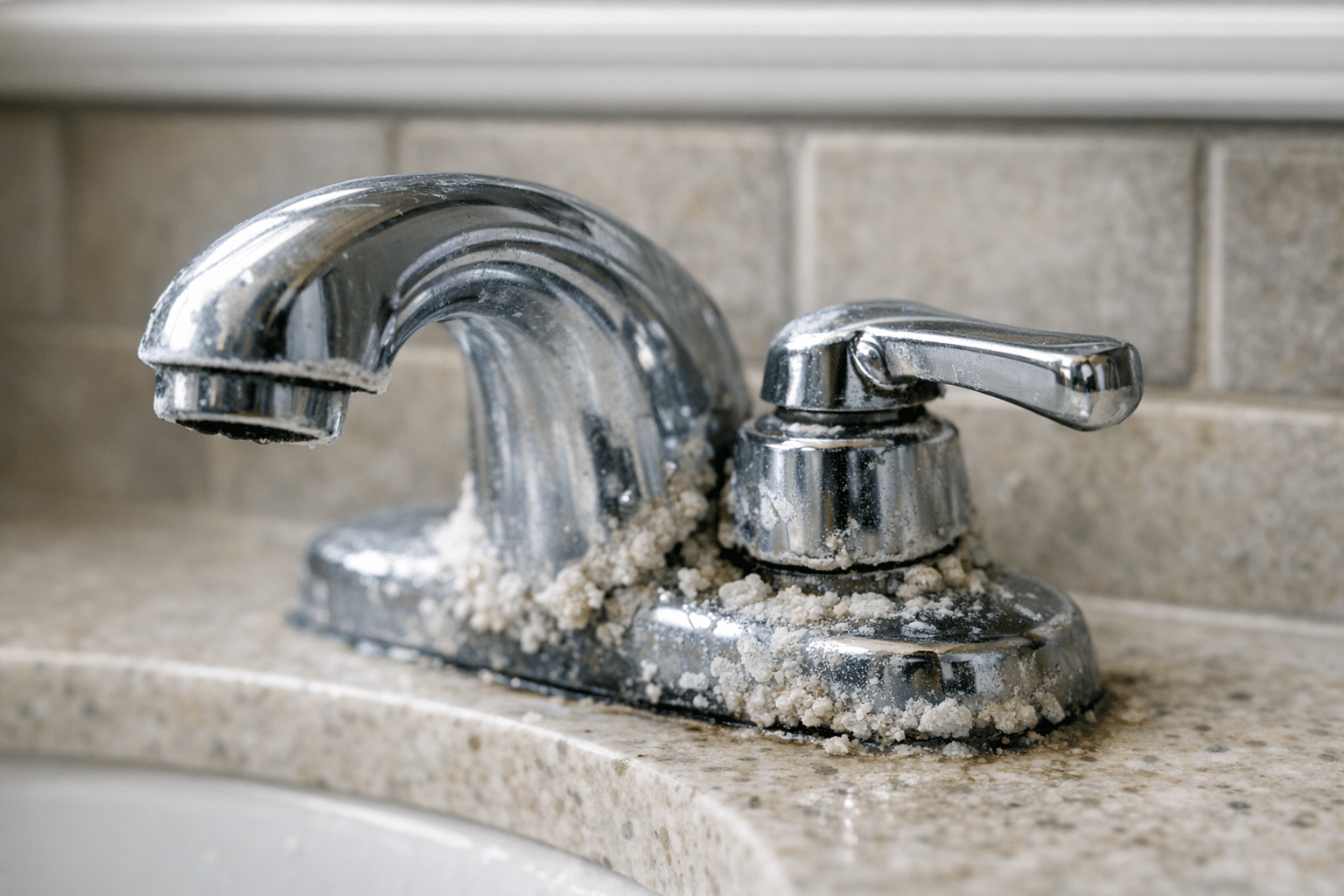
Hard water in Denver can lead to weak water pressure and mineral buildup in plumbing fixtures. This results in reduced efficiency of appliances, such as showerheads and faucets, as they become coated with white mineral deposits, ultimately causing damage to the plumbing system over time.
Your showerhead sprays weak streams instead of strong jets. White mineral deposits coat your faucets and fixtures. These problems signal that Denver hard water is silently damaging your plumbing system every day.
Hard water contains high levels of dissolved minerals like calcium and magnesium. Denver’s water supply ranks among the moderately hard to very hard categories, affecting thousands of homes across Arvada, Westminster, Wheat Ridge, and Broomfield.
This guide explains exactly how hard water damages your plumbing and provides practical steps to protect your home’s water systems.
What Makes Denver Hard Water Different
Denver’s water comes primarily from snowmelt in the Rocky Mountains. As water flows through limestone and other mineral-rich rock formations, it picks up calcium, magnesium, and other dissolved minerals.
Denver Water reports hardness levels between 6-12 grains per gallon, depending on your specific location. Areas like Arvada and Westminster often experience the higher end of this range.
The mineral content varies seasonally too. Spring runoff typically brings softer water, while late summer and fall see increased hardness levels as water sources concentrate.
How Water Hardness Gets Measured
Water hardness is measured in grains per gallon (gpg) or parts per million (ppm):
- Soft: 0-3 gpg (0-60 ppm)
- Moderately hard: 3-7 gpg (60-120 ppm)
- Hard: 7-10 gpg (120-180 ppm)
- Very hard: 10+ gpg (180+ ppm)
Most Front Range communities fall into the hard to very hard categories. This level causes significant plumbing problems over time.
How Hard Water Damages Your Plumbing System
Hard water creates problems throughout your entire plumbing system. The minerals don’t just disappear – they accumulate and cause expensive damage.
Pipe Buildup and Reduced Flow
Calcium and magnesium deposits build up inside your pipes over time. This buildup, called scale, gradually reduces the internal diameter of your pipes.
Reduced pipe diameter means lower water pressure throughout your home. What starts as a minor annoyance becomes a major problem requiring pipe replacement.
Galvanized steel pipes suffer the most damage. Copper pipes handle hard water better but still develop scale buildup after years of exposure.
Water Heater Efficiency Loss
Your water heater works harder when dealing with hard water. Mineral deposits settle at the bottom of the tank, creating an insulating layer between the heating element and water.
This insulation forces your water heater to use more energy to heat the same amount of water. Energy bills increase while hot water output decreases.
Tankless water heaters face even greater risks. Scale buildup can completely block the narrow passages in heat exchangers, requiring expensive repairs.
Fixture and Appliance Damage
Hard water leaves visible white spots and buildup on faucets, showerheads, and fixtures. But the damage goes deeper than appearance.
Mineral deposits clog aerators and reduce water flow from faucets. Showerheads develop blocked holes that create uneven spray patterns.
Appliances like dishwashers and washing machines also suffer. Internal components wear out faster when constantly exposed to hard water minerals.
Signs Your Arvada Home Has Hard Water Problems
Recognizing hard water damage early saves money on major repairs. Watch for these warning signs throughout your home.
Visible Mineral Deposits
White, chalky buildup around faucets and showerheads indicates hard water problems. These deposits feel rough and don’t clean off with regular household cleaners.
Check inside your toilet tank too. Hard water leaves mineral rings and buildup on internal components.
Reduced Water Pressure Issues
Declining water pressure often starts gradually. You might notice weaker shower spray or slower-filling sinks.
Test multiple fixtures throughout your home. If pressure drops affect the whole house, pipe buildup is likely the cause.
Appliance Performance Problems
Hard water affects appliance performance in several ways:
- Dishwashers leave spots on dishes despite using rinse aid
- Washing machines require more detergent for clean clothes
- Water heaters take longer to heat water or run out of hot water quickly
- Coffee makers and other small appliances develop mineral buildup
Effective Plumbing Solutions for Hard Water
Several proven methods address hard water problems in Denver-area homes. The right solution depends on your specific water hardness level and budget.
Water Softener Systems
Water softeners provide the most comprehensive solution for hard water problems. These systems remove calcium and magnesium through an ion exchange process.
Salt-based water softeners work best for very hard water conditions common in Arvada and surrounding areas. They require regular maintenance but deliver excellent results.
Salt-free water conditioners offer an alternative for homeowners who want to avoid sodium. These systems change mineral structure rather than removing minerals completely.
Whole-House Water Filtration
Whole-house filtration systems address multiple water quality issues beyond hardness. These comprehensive systems can remove chlorine, sediment, and other contaminants along with some mineral content.
Combined filtration and softening systems provide complete water treatment. They cost more upfront but deliver superior water quality throughout your home.
Point-of-Use Solutions
Smaller-scale solutions target specific problem areas:
- Showerhead filters: Reduce mineral buildup and improve skin and hair health
- Faucet attachments: Provide softer water for drinking and cooking
- Appliance-specific filters: Protect individual appliances from hard water damage
These options work well for renters or homeowners testing water treatment before investing in whole-house systems.

 Posted on Google
Professional Installation and Maintenance
Proper installation ensures your water treatment system works effectively for years. DIY installation often leads to problems that cost more to fix than professional installation.
System Sizing and Selection
Water treatment systems must match your home’s specific needs. Undersized systems won’t handle your water usage, while oversized systems waste money and space.
Professional plumbers test your water hardness and calculate proper system sizing based on household usage patterns. This ensures optimal performance and efficiency.
Regular Maintenance Requirements
Water softeners need regular salt refills and periodic cleaning. Filters require replacement according to manufacturer schedules.
Skipping maintenance reduces system effectiveness and can damage internal components. Professional service plans ensure your system continues working properly.
Cost Considerations for Westminster and Broomfield Homeowners
Water treatment system costs vary based on system type, home size, and installation complexity. Understanding these costs helps you budget effectively.
Initial Investment Ranges
Basic water softener systems start around $800-$1,500 for equipment and installation. Higher-capacity systems for larger homes cost $2,000-$4,000.
Comprehensive whole-house filtration and softening systems range from $3,000-$6,000. These systems provide superior water quality but require larger upfront investments.
Long-Term Savings
Water treatment systems pay for themselves through reduced maintenance and replacement costs:
- Extended water heater life (8-12 years vs 6-8 years with hard water)
- Reduced appliance repairs and replacements
- Lower energy bills from improved water heater efficiency
- Less spending on cleaning products and personal care items
When to Call Professional Plumbers
Some hard water problems require immediate professional attention. Delaying service can lead to expensive emergency repairs.
Call professional plumbers if you notice severe water pressure drops, unusual noises from your water heater, or visible pipe damage. These symptoms indicate advanced hard water damage that needs expert diagnosis.
Regular plumbing inspections help catch hard water problems early. Annual checkups cost less than emergency repairs and extend your plumbing system’s life.
Emergency Situations
Hard water can contribute to sudden plumbing failures:
- Complete water pressure loss from blocked pipes
- Water heater failure from excessive scale buildup
- Pipe leaks caused by corrosion and mineral deposits
These situations require immediate professional response to prevent water damage and restore service.
Denver’s hard water causes real damage to your plumbing system, but effective solutions protect your investment. Water softeners and filtration systems prevent costly repairs while improving daily water quality.
Don’t wait for hard water to destroy your plumbing system. Contact Cardom Plumbing & Heating today for professional water quality testing and treatment system installation throughout Arvada, Denver, Westminster, Wheat Ridge, and Broomfield.