
Recent Posts
Categories
Understanding Arvada’s Plumbing Permit Requirements for New Water Heaters
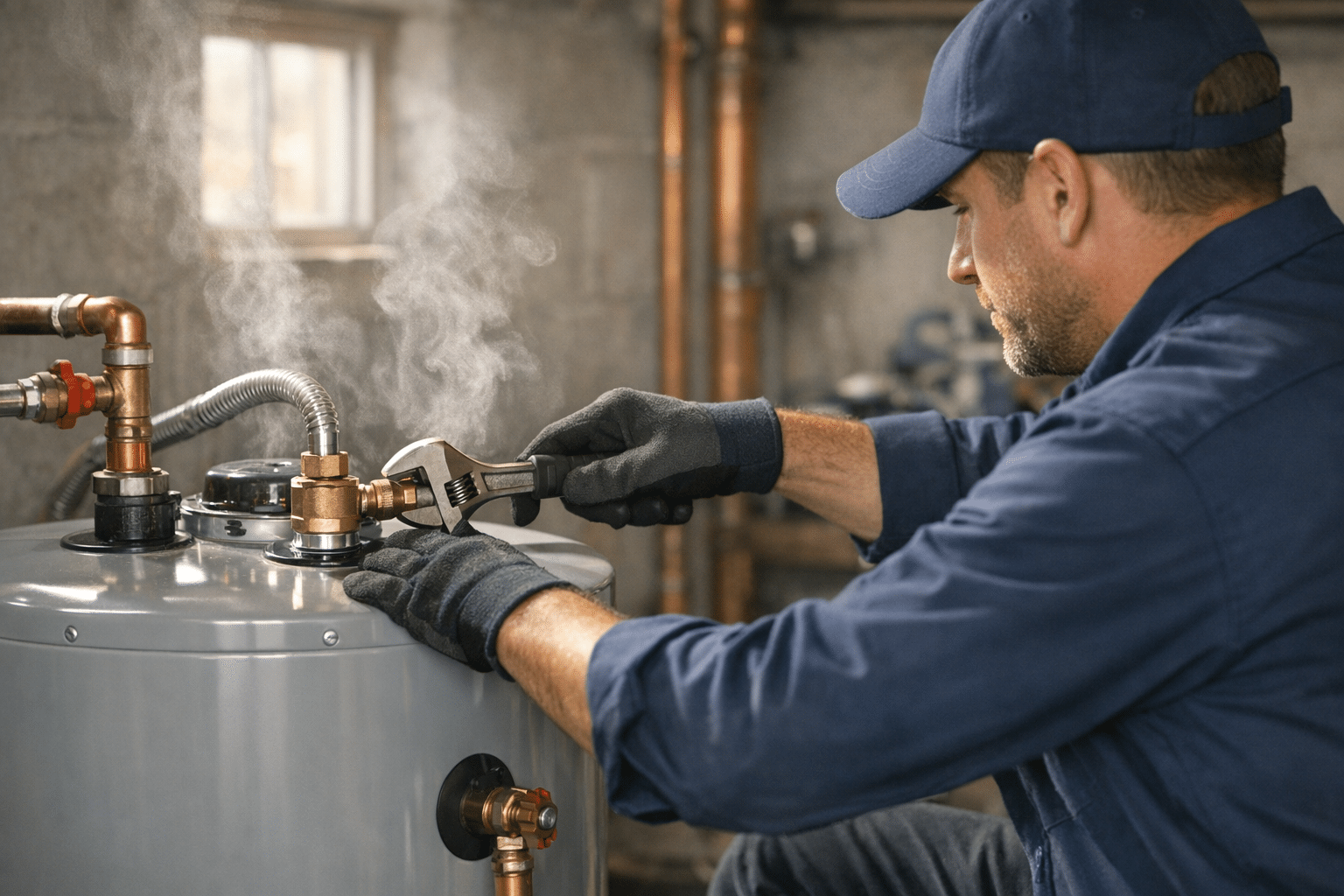
Arvada homeowners need to understand plumbing permit requirements for water heater installations to avoid code violations and ensure safety. This guide outlines when permits are necessary, how to obtain them, and the benefits of proper permitting.
- Most water heater installations in Arvada require permits, especially new installations or changes in fuel type. Homeowners should submit detailed applications to the Building Division for approval.
- Emergency repairs may not need immediate permits, but homeowners must obtain them soon after. Simple maintenance tasks do not require permits, while significant modifications do.
- Hiring licensed professionals can simplify the permitting process and ensure compliance with local codes, providing warranties and insurance for added protection.
In Arvada, installing a new water heater typically requires obtaining a plumbing permit to comply with local codes. This process ensures that the installation meets safety standards and regulations, helping to avoid fines or issues during inspections. It's advisable to check with the city for specific requirements.
Your 15-year-old water heater just gave up during Colorado’s latest cold snap, leaving your Arvada home without hot water. Before you rush into a replacement, understanding Arvada plumbing permit requirements can save you time, money, and potential code violations.
This guide explains everything Arvada homeowners need to know about permits for water heater projects. You’ll learn when permits are required, how to obtain them, and why proper permitting protects your investment.
When Does Arvada Require Plumbing Permits for Water Heater Projects?
The City of Arvada requires permits for most water heater installation projects, but the specific requirements depend on the scope of work. Understanding these distinctions helps homeowners plan their projects correctly.
Direct replacement installations typically need permits when replacing an existing water heater in the same location with the same fuel type. This includes gas-to-gas or electric-to-electric swaps.
New installations always require permits. This covers adding water heaters to previously unserviced areas, converting from one fuel type to another, or relocating existing units.
Permit-Required Water Heater Projects in Arvada
- Installing new gas or electric water heaters
- Replacing water heaters with different BTU ratings
- Converting from electric to gas (or vice versa)
- Moving water heaters to different locations
- Installing tankless water heater systems
- Adding new gas lines for water heater connections
- Modifying existing electrical circuits for water heaters
Limited Exemptions
Arvada allows some minor water heater work without permits. Emergency repairs to existing units may proceed without immediate permitting, but homeowners must obtain permits within a reasonable timeframe.
Simple maintenance tasks like flushing tanks or replacing heating elements don’t require permits. However, any work involving gas lines, electrical connections, or structural modifications needs proper authorization.
How to Obtain Your Arvada Plumbing Permit
The permit application process in Arvada follows clear steps designed to ensure safety and code compliance. Starting early prevents project delays and ensures proper documentation.
Submit applications to Arvada’s Building Division either online through their portal or in person at City Hall. Applications require detailed project information and supporting documentation.
Required Documentation for Water Heater Permits
- Completed permit application with property owner signature
- Detailed installation plans showing water heater location
- Manufacturer specifications for the new water heater
- Gas line routing plans (for gas units)
- Electrical load calculations (for electric units)
- Permit fees (varies by project scope)
Processing times typically range from 3-5 business days for standard replacements. More complex installations involving structural changes may require additional review time.
Permit Fees and Costs
Arvada’s permit fees vary based on project complexity and estimated work value. Basic water heater replacement permits typically cost between $50-$150.
Additional fees apply for electrical or gas line modifications. Plan for potential plan review fees if your project requires extensive documentation review.
Arvada’s Specific Code Requirements for Water Heater Installation
Arvada follows Colorado state plumbing codes with some local modifications. These requirements ensure safe installation and proper operation in our climate conditions.
Clearance requirements mandate specific spacing around water heaters for maintenance access and safety. Gas units need adequate ventilation clearances, while electric units require electrical code compliance.
Gas Water Heater Code Requirements
- Minimum 6-inch clearance from combustible materials
- Proper venting to exterior (no basement or crawl space terminations)
- Gas line sizing calculations based on BTU requirements
- Earthquake strapping in accordance with local seismic requirements
- Carbon monoxide detector installation within 15 feet
Electric Water Heater Code Requirements
- Dedicated electrical circuit appropriately sized for unit
- GFCI protection in wet locations
- Proper electrical panel capacity verification
- Bonding and grounding compliance
Inspection Process and Timeline
Arvada requires inspections at specific project milestones to verify code compliance. Scheduling inspections promptly keeps projects moving forward efficiently.
Rough inspection occurs before covering any new gas lines, electrical work, or structural modifications. This inspection verifies proper installation methods and code compliance.
Final inspection happens after complete installation but before regular use. Inspectors verify proper operation, safety features, and overall code compliance.
Common Inspection Issues to Avoid
- Improper venting on gas units
- Inadequate electrical circuit sizing
- Missing or incorrect safety devices
- Improper clearances around equipment
- Incomplete or missing earthquake strapping
Working with Licensed Contractors vs. DIY Installation
While Arvada allows homeowner installations, hiring licensed professionals often simplifies the permit process and ensures code compliance. Professional installers understand local requirements and handle permit applications efficiently.
Licensed contractors can pull permits on your behalf and coordinate inspections. They also provide warranties and insurance coverage that protect homeowners from installation issues.
Benefits of Professional Installation
- Permit application and inspection coordination
- Code compliance expertise and local knowledge
- Warranty protection on labor and materials
- Insurance coverage for installation issues
- Faster project completion times
DIY installations require homeowners to handle all permit paperwork and coordinate inspections directly. This approach works for experienced homeowners but can create delays if issues arise during inspection.

 Posted on Google
Consequences of Skipping Permit Requirements
Installing water heaters without proper permits creates serious risks for Arvada homeowners. These consequences extend beyond simple fines and can affect property values and insurance coverage.
Code enforcement actions may require expensive corrections or complete reinstallation. Insurance companies can deny claims for damage caused by unpermitted work.
Potential Consequences of Unpermitted Work
- Fines and penalties from city code enforcement
- Insurance claim denials for related damage
- Required removal and reinstallation to obtain permits
- Delayed property sales due to permit issues
- Safety risks from improper installation
- Reduced property values and marketability
Special Considerations for Arvada’s Climate and Geography
Colorado’s elevation and climate create unique challenges for water heater installation. Arvada’s specific location at 5,400 feet elevation affects gas appliance performance and venting requirements.
High-altitude adjustments may be necessary for gas water heaters to operate efficiently and safely. Professional installers understand these requirements and make appropriate modifications during installation.
Freeze protection becomes critical during Arvada’s winter months. Proper insulation and location selection prevent costly freeze damage and ensure reliable operation year-round.
Tankless Water Heater Permit Considerations
Tankless water heater installations often require more extensive permitting due to increased gas or electrical demands. These units typically need larger gas lines or upgraded electrical service.
Gas tankless units require high-capacity gas lines and specialized venting systems. Permit applications must include detailed calculations for gas supply and venting requirements.
Electric tankless models often exceed standard household electrical capacity. Electrical service upgrades may require separate permits and utility coordination.
Resources and Contact Information
Arvada provides several resources to help homeowners navigate the permit process successfully. The Building Division staff can answer specific questions about requirements and procedures.
City of Arvada Building Division: Located at 8101 Ralston Road, the office provides in-person assistance for permit applications and questions. Online resources include permit applications and fee schedules.
Phone consultations help clarify requirements before starting projects. The division’s website offers downloadable forms and current fee schedules for planning purposes.
Understanding Arvada plumbing permit requirements ensures your water heater project proceeds smoothly and safely. Proper permitting protects your investment and ensures code compliance for years to come.
For expert water heater installation and permit assistance in Arvada and surrounding Denver communities, contact Cardom Plumbing & Heating. Our licensed professionals handle all permitting requirements and ensure code-compliant installations that protect your home and family.