

Faucet services in Lakewood, CO address various issues such as leaks, low water pressure, and aging fixtures. Professional assessments are crucial for identifying the root causes of faucet problems and ensuring proper repairs or replacements.
- Faucet issues can lead to increased water bills and potential plumbing problems if not addressed promptly. They can range from simple repairs to complete installations.
- Lakewood's unique water quality and aging infrastructure create specific challenges for faucet longevity. Professional diagnosis helps identify internal failures or mineral buildup.
- Cardom Plumbing & Heating offers responsive service, transparent pricing, and a commitment to quality, ensuring effective solutions tailored to local conditions.
Common faucet problems in Lakewood, CO include dripping faucets, low water pressure, and leaks. These issues can lead to increased water bills and may indicate a need for repair or replacement. Addressing these problems promptly can prevent further plumbing complications and save money in the long run.
Faucet Services in Lakewood, CO
That dripping kitchen faucet keeping you awake at night isn't just annoying – it's costing you money with every wasted drop. Whether you're dealing with a stubborn leak, low water pressure, or a faucet that's simply reached the end of its lifespan, faucet problems demand attention before they escalate into larger plumbing headaches.
Faucet services encompass everything from simple repairs and cartridge replacements to complete fixture installations and upgrades. Modern faucets contain intricate internal components – ceramic disc cartridges, O-rings, valve seats, and aerators – that work together to control water flow and temperature. When any of these elements fail, you'll notice the symptoms immediately.
Why Professional Faucet Diagnosis Matters
Lakewood's unique combination of mineral-rich water from Denver Water's mountain sources and aging residential infrastructure creates specific challenges for faucet longevity. A professional assessment identifies whether your faucet issue stems from internal component failure, water pressure irregularities, or mineral buildup from our moderately hard water supply.
- Accurate identification of the root cause – not just the visible symptom
- Proper matching of replacement parts to your specific faucet model and water conditions
- Prevention of water damage to cabinets, countertops, and subfloor materials
- Verification that supply lines and shut-off valves function correctly during service
Lakewood homes range from 1950s ranch-style properties near Belmar to newer construction in Green Mountain Village, each presenting distinct faucet considerations based on plumbing age and original installation quality.
Common Faucet Issues in Lakewood, CO
Cardom Plumbing & Heating provides Faucets services in all neighborhoods of Lakewood including Applewood, Avenida Lakewood 55+ Active Living, Barnum West, Camden Lakeway, Edgemont, Green Mountain Village, Heron Shores, Marston, Nevada Place, Parkview Terrace, Ponderosa Ridge, Rooney Valley, Sage Corner, Shadow Hills, Spivak, and West Link at Oak Station.
Lakewood's position along the Front Range creates a specific set of conditions that affect faucet performance and longevity. The semi-arid climate with dramatic temperature swings – sometimes 40 degrees in a single day – stresses plumbing connections and fixture components repeatedly throughout the year.
Denver Water supplies most of Lakewood with surface water from mountain reservoirs, which carries dissolved minerals that accumulate inside faucet mechanisms over time. This mineral content, while safe for consumption, leaves calcium and lime deposits on aerators, cartridges, and valve seats that gradually restrict flow and cause operational problems.
Seasonal Timing Factors
Winter presents particular challenges when temperatures drop below freezing for extended periods. Faucets on exterior walls or in poorly insulated areas may experience frozen supply lines, and the expansion and contraction cycles stress connections and seals. Spring snowmelt often brings temporary changes in water pressure that can reveal weakened faucet components.
Warning Signs Lakewood Homeowners Should Watch For
- Persistent dripping – even slow drips waste over 3,000 gallons annually and indicate worn internal components
- Reduced water pressure – often caused by mineral-clogged aerators or deteriorating supply lines common in older Lakewood homes
- Difficulty adjusting temperature – suggests cartridge failure or valve seat damage from hard water exposure
- Squealing or chattering sounds – indicates loose or worn washers and stems needing replacement
- Water pooling under the sink – points to failing supply line connections or base seal deterioration
- Rust-colored water – may signal corroding internal parts or galvanized supply lines requiring attention
Many Lakewood neighborhoods built during the 1960s through 1980s contain original plumbing fixtures that have exceeded their expected service life. These aging faucets often feature outdated compression-style mechanisms more prone to failure than modern ceramic disc designs.
Recent Work
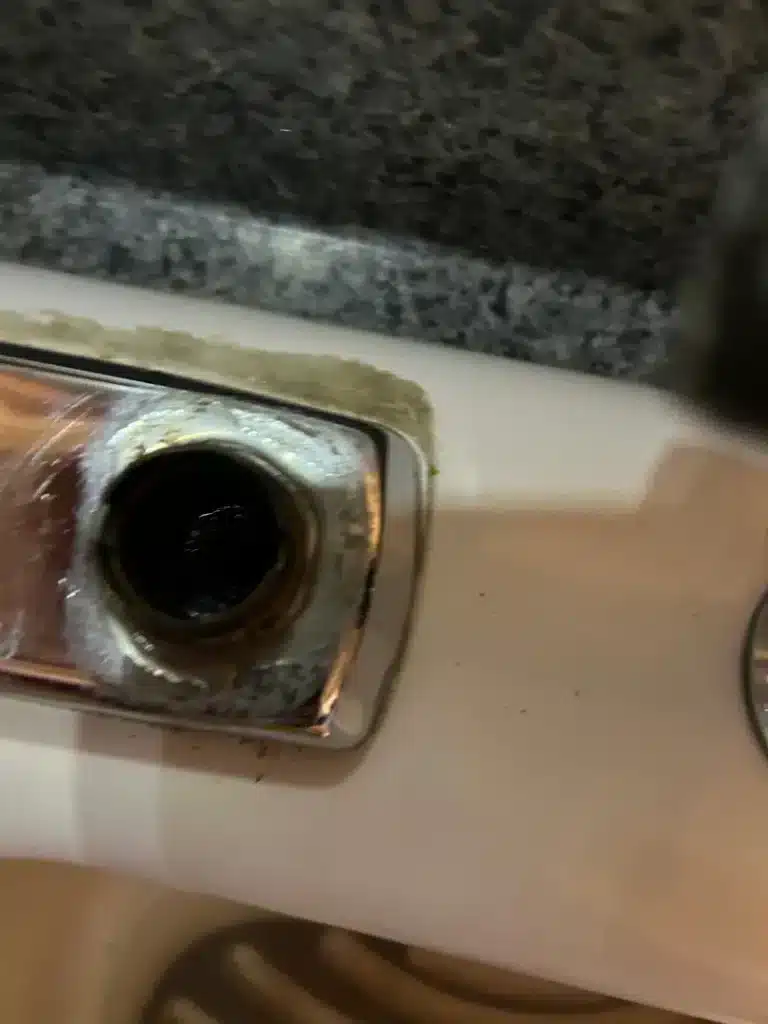
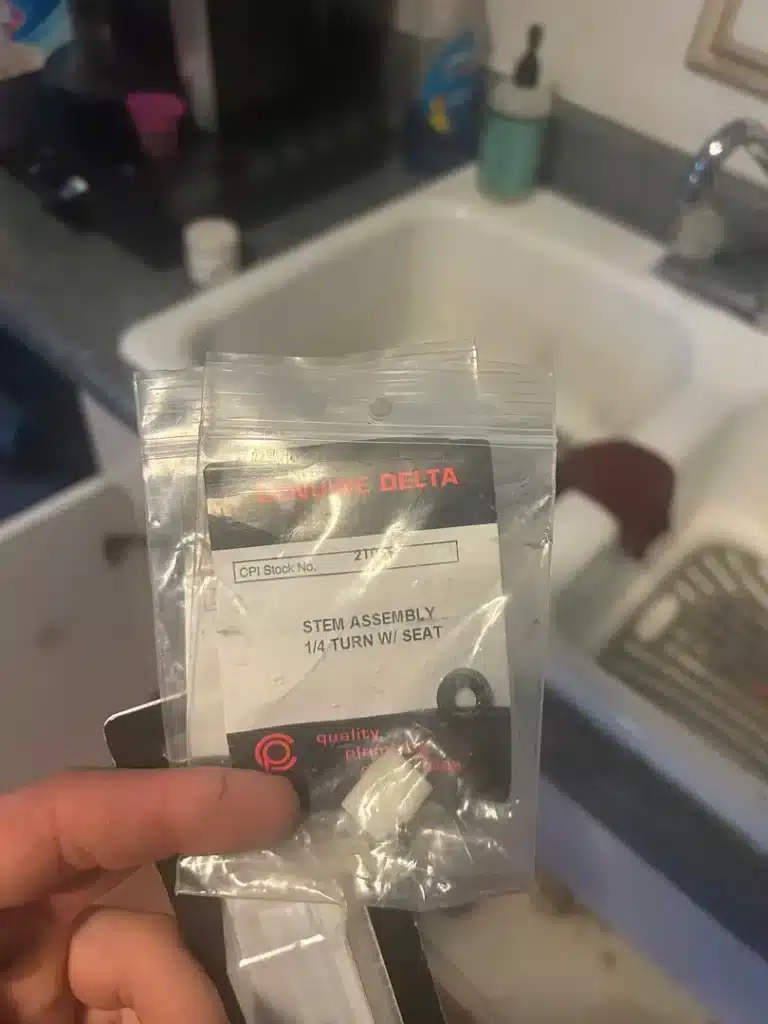
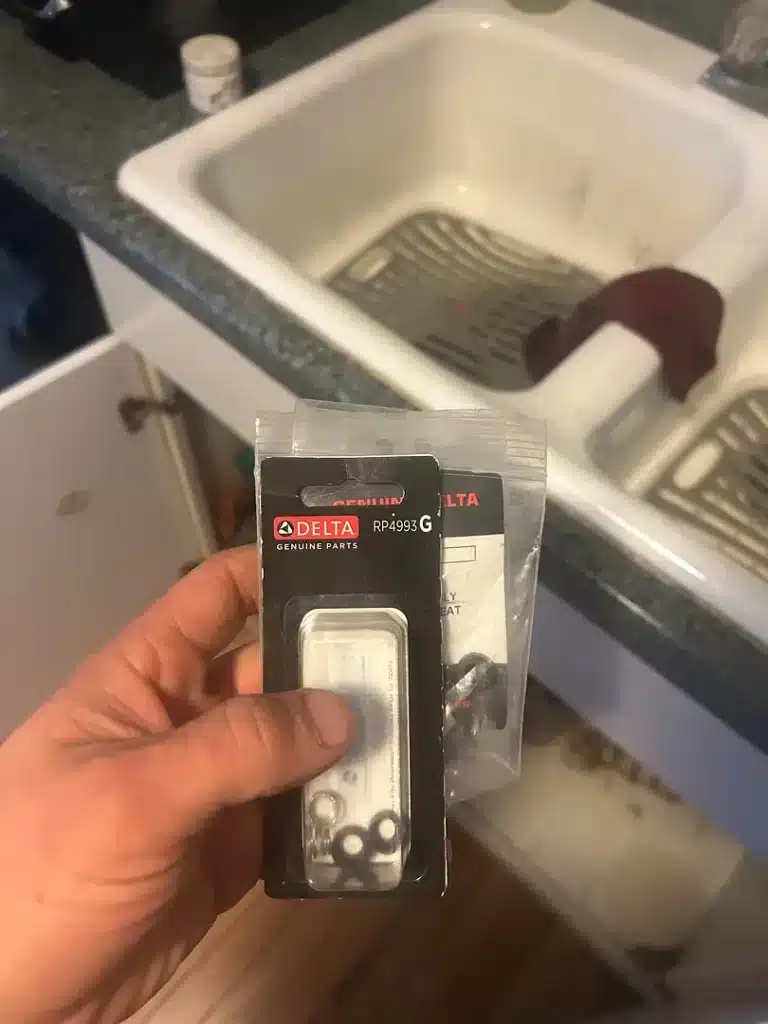
Kitchen Faucet is Dripping - Lakewood
- Problem: Repair kitchen faucet
- Found: We took faucet apart and found a lot of debris inside.
- Fixed: Flushed out and reinstalled cartridges, but the faucet continued to drip. Furnished and installed two new cartridges.
- Outcome: Tested and faucet is working fine at this time. This is an old faucet and is not worth another repair, if it leaks again
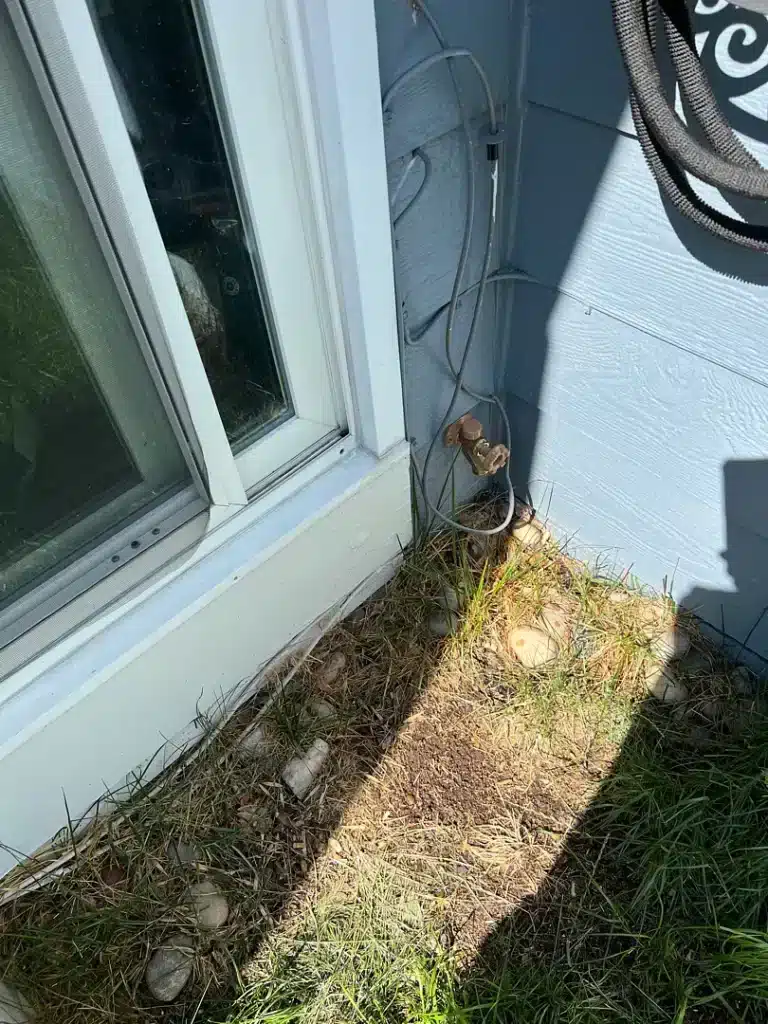
Outside Faucet Needs to be Repaired or Replaced - Lakewood
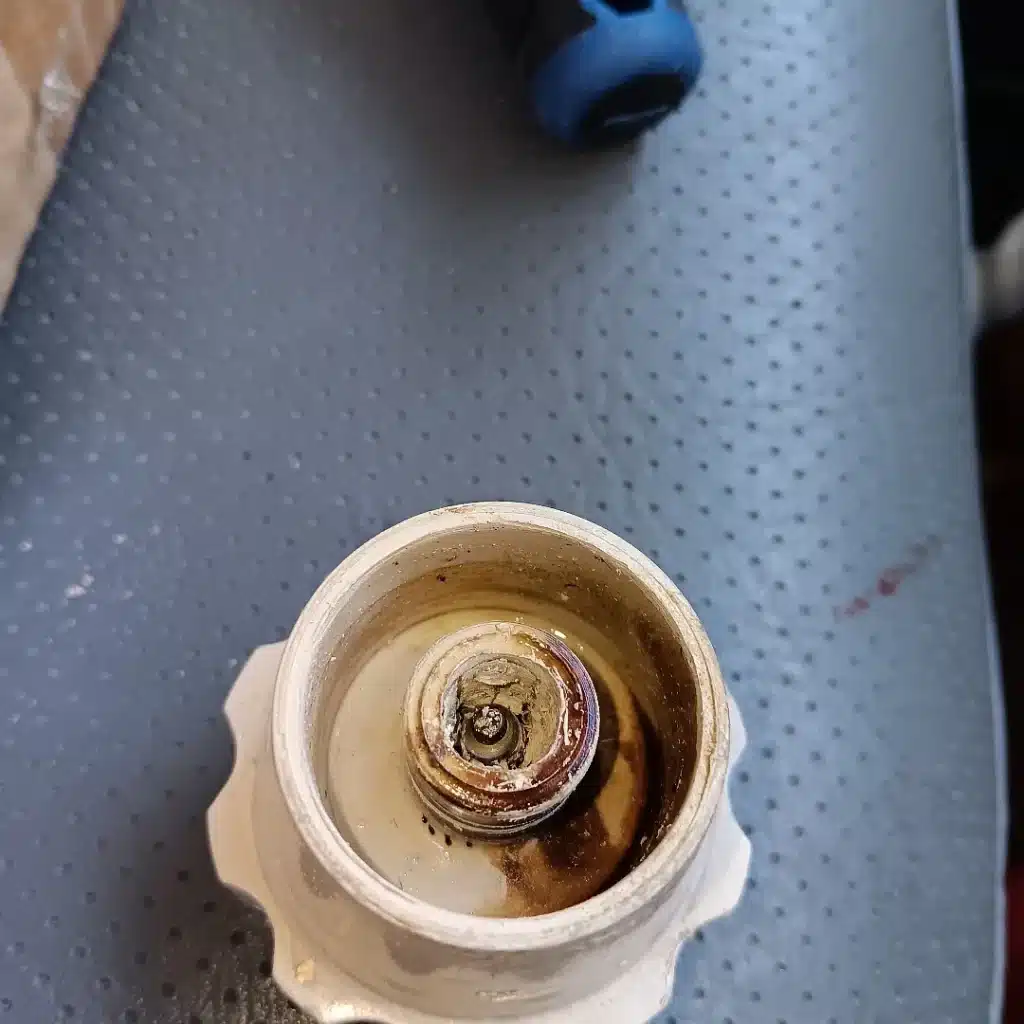
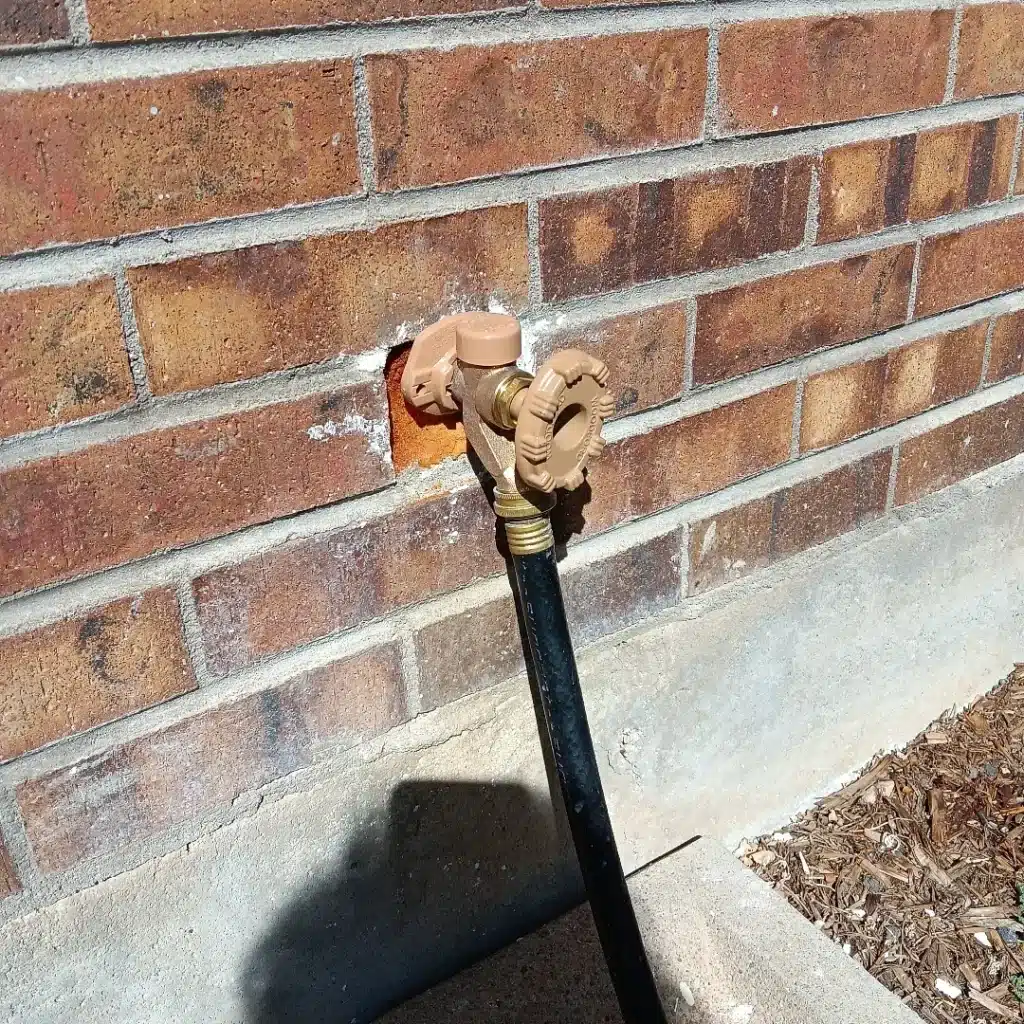
- Problem: Faucet broken handle
- Found: Plastic part of handle is stripped
- Fixed: Cut into wall in bedroom and replaced hose bib. Used pro-press 1/2" fip, no-stop, and 90. Secured copper to blocking. Used 10" hose bib.
- Outcome: Tested and no leak
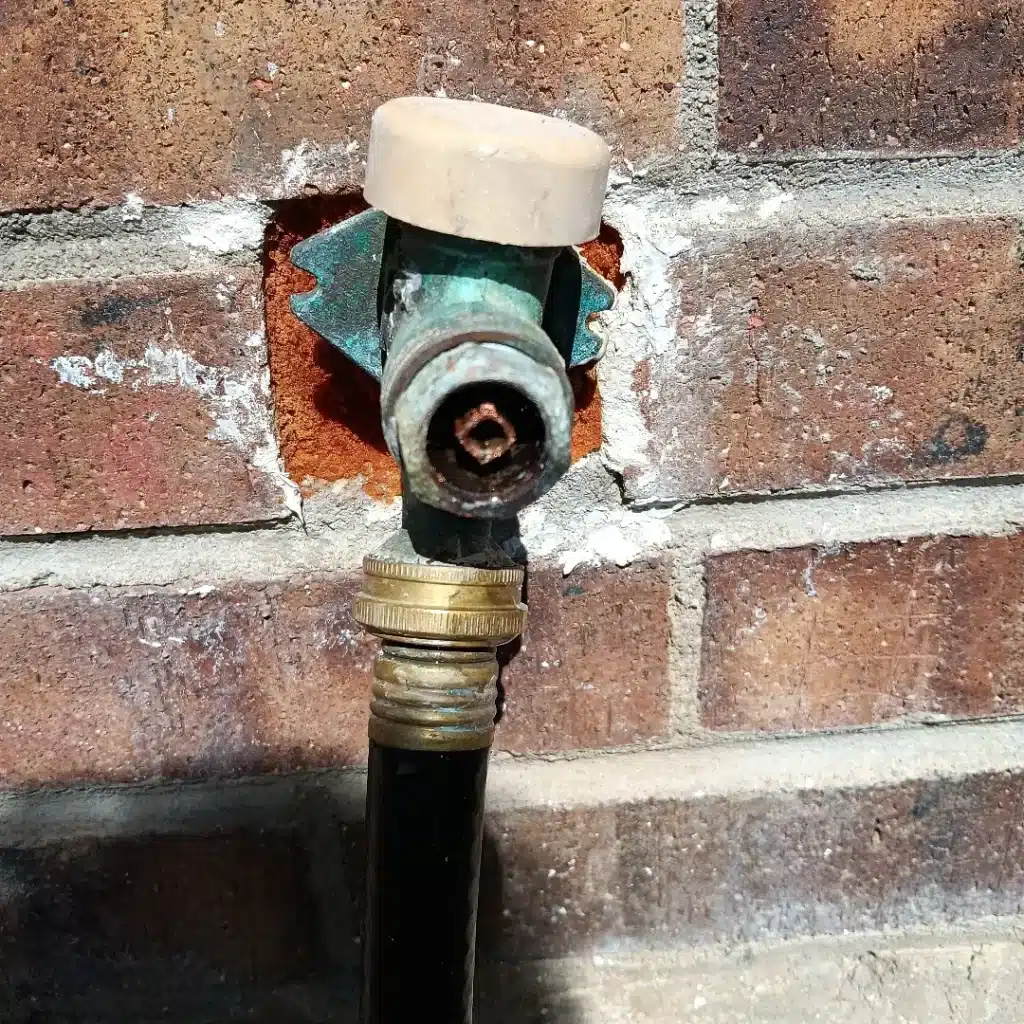
Outside Faucet Needs to be Replaced - Lakewood
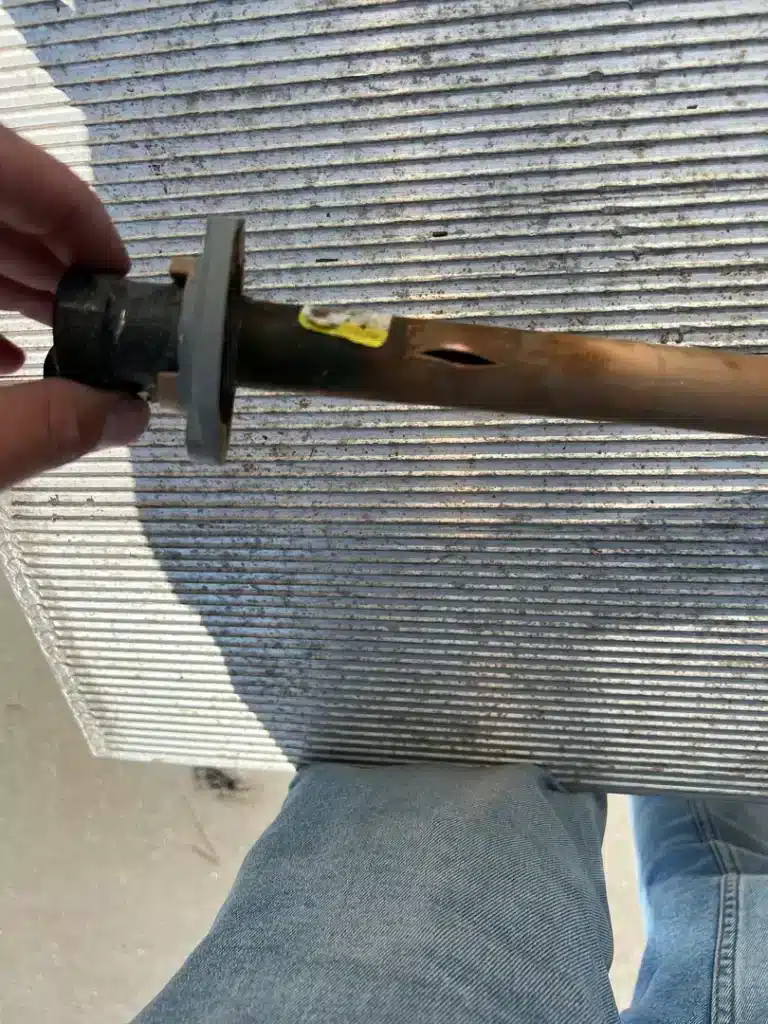
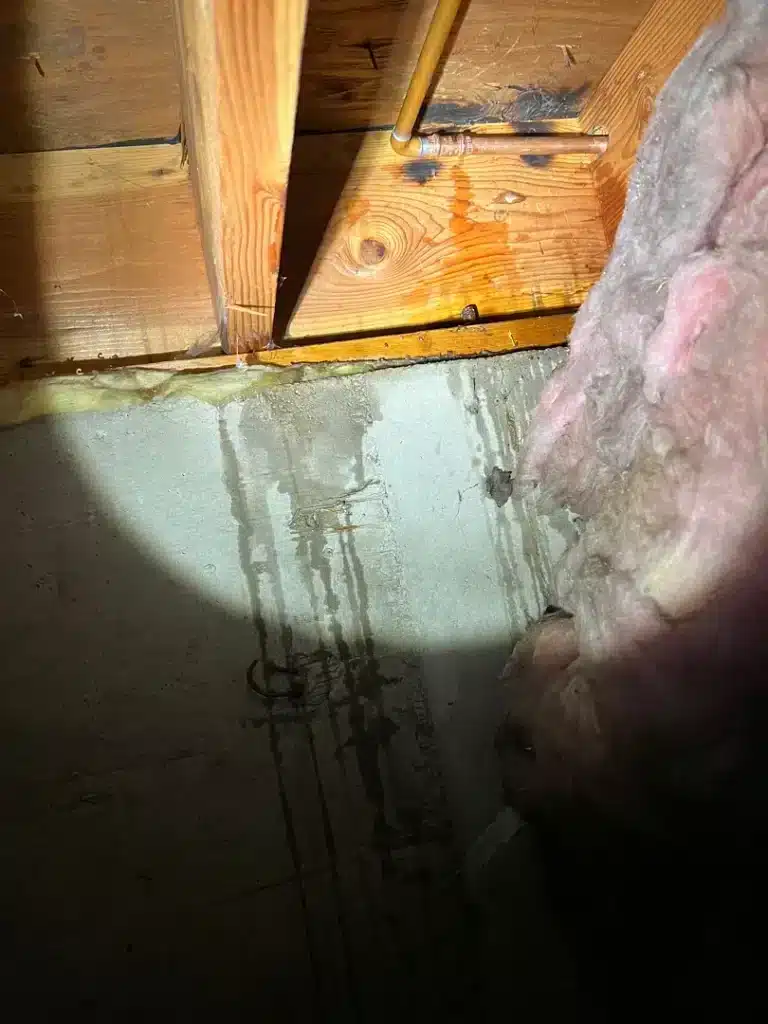
- Problem: Replace outside hose bibb
- Found: Frozen broke hose bib
- Fixed: Crawlspace was very muddy and full of water. Turn off cold and drained the water out. Cut out old silcock and replaced with new. install copper fittings to tie into old line.
- Outcome: Turned on water and tested. Working properly
How Cardom Plumbing & Heating Can Help
Our faucet service process addresses both immediate problems and underlying conditions that could cause future failures. We've developed our approach specifically for Lakewood's water quality and housing stock characteristics.
Our Step-by-Step Faucet Service Process
- Initial Assessment – We examine the faucet's condition, test water pressure, check supply line integrity, and identify the specific make and model to source correct replacement parts
- Water Supply Inspection – We evaluate shut-off valves beneath the sink for proper operation and check for corrosion or mineral buildup in supply lines
- Diagnostic Testing – We determine whether the issue originates from the faucet itself, water pressure irregularities, or supply-side problems
- Repair or Replacement Execution – We complete the necessary work using manufacturer-specified parts and proper installation techniques
- System Testing – We verify full functionality across hot and cold settings, check for leaks at all connection points, and confirm proper drainage
- Final Walkthrough – We demonstrate the completed work and provide maintenance recommendations specific to your fixture and water conditions
Methods and Techniques We Employ
- Non-invasive leak detection to identify hidden moisture damage
- Pressure testing to verify supply line integrity
- Descaling treatments for mineral-affected components
- Proper torque application to prevent overtightening damage
- Thread sealant and plumber's putty application per manufacturer specifications
- Aerator cleaning and flow rate optimization
Communication Throughout the Process
Before beginning any work, we explain what we've found and present your options clearly. If a repair makes sense, we'll tell you. If replacement offers better long-term value given your faucet's age and condition, we'll explain why. You'll never face surprise charges or unnecessary upsells.
Why Choose Cardom Plumbing & Heating
Cardom Plumbing & Heating brings licensed, insured expertise to every faucet service call in Lakewood. Our technicians hold current Colorado plumbing licenses and participate in ongoing training on new fixture technologies and installation methods. We maintain familiarity with both traditional and contemporary faucet designs from all major manufacturers.
Local Knowledge That Matters
We've served Lakewood neighborhoods from Applewood to Bear Creek for years, giving us direct experience with the specific plumbing configurations found in local homes. We understand which builders used which materials during different construction periods – knowledge that helps us anticipate potential complications and arrive prepared with appropriate parts and tools.
Our Service Commitments
- Responsive scheduling – We offer same-day and next-day appointments for urgent faucet issues causing active leaks or water damage
- Transparent pricing – You'll receive a clear quote before work begins with no hidden fees
- Quality guarantee – We stand behind our workmanship and will address any concerns promptly
- Clean work practices – We protect your home during service and clean up completely when finished
Our service vehicles carry extensive parts inventories, including cartridges, stems, seats, and supply lines for common faucet brands. This preparation often allows us to complete repairs in a single visit rather than requiring return trips for parts.
Housing Characteristics & Faucet Considerations
Lakewood's housing stock reflects decades of development patterns, each era bringing distinct plumbing characteristics that affect faucet selection and service approaches.
Mid-Century Homes (1950s-1960s)
Neighborhoods like Eiber and Morse Park contain numerous ranch-style homes built during Lakewood's initial suburban expansion. These properties typically feature:
- Original galvanized steel supply lines that may restrict flow to faucets
- Two-handle faucet designs with compression-style mechanisms
- Smaller under-sink cabinets that complicate modern faucet installations
- Cast iron drain lines that may require adapter fittings for contemporary fixtures
1970s-1980s Construction
Homes built during this period in areas like Green Mountain and Carmody often contain copper supply lines – generally reliable but potentially affected by pinhole leak issues in certain soil conditions. Faucets from this era frequently used brass-bodied construction with replaceable cartridges, though finding exact replacement parts can prove challenging as manufacturers discontinue older models.
Newer Developments and Renovations
Recent construction and remodeled homes throughout Lakewood typically feature:
- PEX or CPVC supply lines with push-fit or crimp connections
- Single-handle faucets with ceramic disc cartridges
- Integrated spray heads and pull-down designs
- Low-flow aerators meeting current water conservation standards
Understanding your home's era and original plumbing materials helps us recommend faucet options that integrate properly with existing infrastructure while meeting your functional and aesthetic preferences.
Environmental Conditions & Faucet Implications
Lakewood's environmental factors directly influence faucet performance, longevity, and maintenance requirements. Understanding these conditions helps homeowners make informed decisions about fixture selection and care.
Water Quality Characteristics
Denver Water, which serves most of Lakewood, draws from mountain reservoirs including Dillon, Gross, and Cheesman. This surface water undergoes treatment at facilities including the Marston and Foothills plants before distribution. Key water quality factors affecting faucets include:
- Moderate hardness – Typically 50-100 mg/L calcium carbonate, causing gradual mineral accumulation on faucet internals and aerators
- Seasonal turbidity variations – Spring runoff can temporarily increase sediment that clogs aerator screens
- Chlorine treatment – Residual chlorine, while safe, can accelerate rubber washer and O-ring degradation over time
- pH levels – Generally neutral to slightly alkaline, minimizing corrosion concerns for most faucet materials
Climate Impacts on Faucet Systems
Lakewood's semi-arid climate with 300+ days of sunshine creates specific conditions affecting faucets. Low humidity accelerates drying and cracking of rubber components, while intense UV exposure through windows can fade and degrade faucet finishes over time. The 5,500+ foot elevation means water boils at lower temperatures, which can affect how hot water feels at the tap.
Soil and Drainage Considerations
Clay-heavy soils prevalent in many Lakewood areas expand and contract seasonally, potentially shifting foundations and stressing plumbing connections. Homes experiencing foundation movement may notice faucet supply line connections loosening or developing leaks. Proper flexible supply line installation accommodates minor movement without failure.
Lakewood Water Infrastructure & Distribution Data
Understanding Lakewood's water infrastructure provides context for faucet performance expectations and maintenance planning. The city's water distribution system represents a complex network that directly affects what flows through residential faucets.
Distribution System Overview
Denver Water operates the primary distribution infrastructure serving Lakewood, maintaining over 3,000 miles of water mains throughout the metro service area. Within Lakewood specifically, the system includes mains ranging from 4-inch residential service lines to 48-inch transmission mains. Key infrastructure data points include:
- System pressure – Typically maintained between 40-80 PSI, though some elevated areas may experience lower pressure requiring pressure-boosting solutions
- Main age variation – Some Lakewood neighborhoods contain water mains installed in the 1950s-1960s, while newer areas feature modern ductile iron or PVC lines
- Annual main breaks – Denver Water addresses hundreds of main breaks annually across its service area, with temporary pressure fluctuations potentially affecting faucet performance during repairs
- Lead service line replacement – Ongoing programs address older service connections, which may temporarily affect water quality during replacement work
How Infrastructure Affects Your Faucets
Aging distribution mains can release sediment during pressure changes or nearby construction, clogging faucet aerators and cartridges. Homes near the end of distribution loops may experience lower pressure or more significant pressure fluctuations. Properties with original galvanized service lines between the main and the house often see reduced flow rates that manifest as poor faucet performance – a problem originating outside the home but affecting every fixture inside.
Cardom Plumbing & Heating considers these infrastructure factors when diagnosing faucet issues. Sometimes the solution involves the faucet itself; other times, we identify supply-side limitations that require different approaches. This comprehensive perspective helps us provide solutions that actually address your specific situation rather than applying generic fixes.


