
Recent Posts
Categories
How to Prevent Gas Leaks in Older Westminster Homes
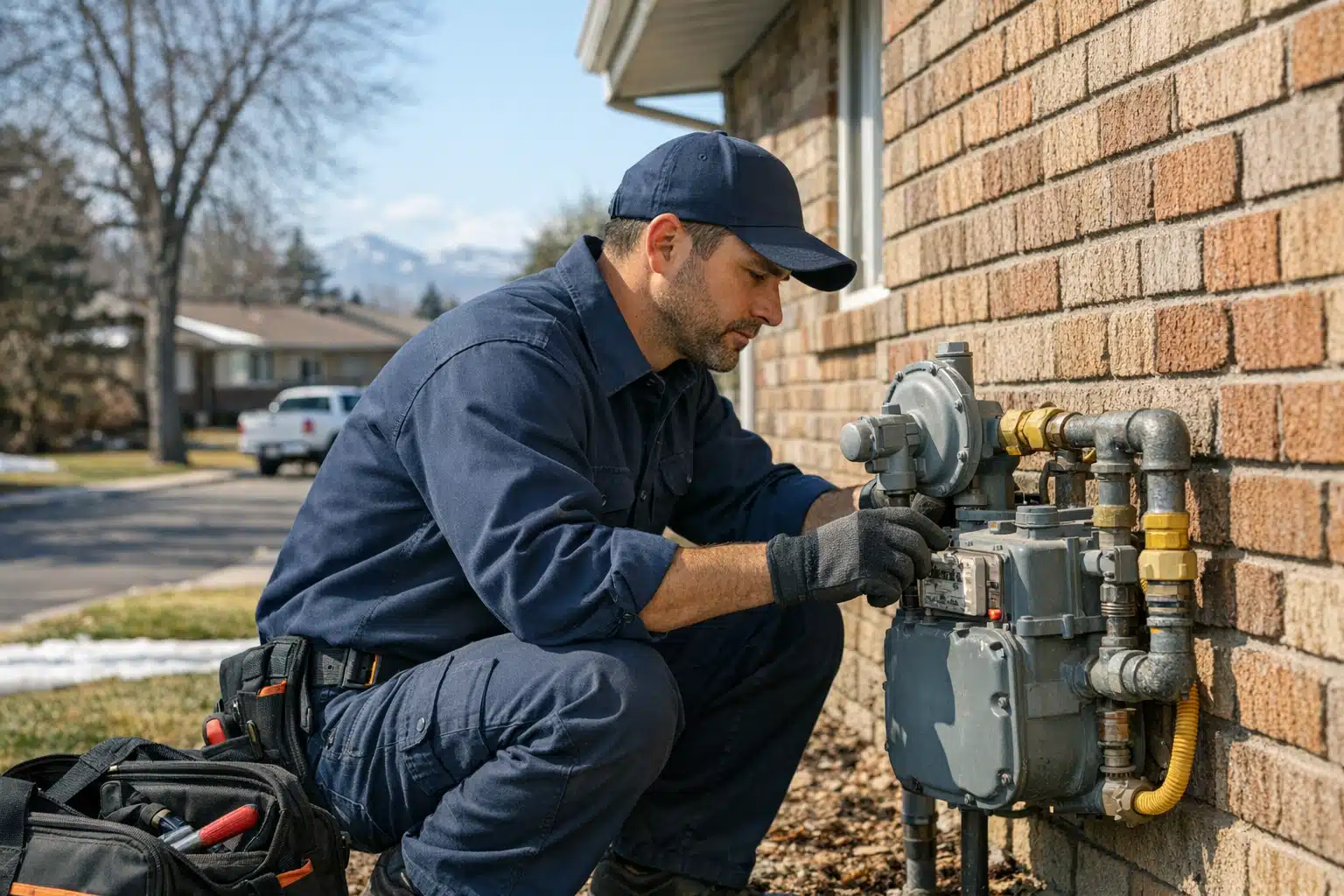
Homes built before 1980 in Westminster often have original gas piping that has degraded over time, creating leak risks from corroded steel lines, soil movement, and outdated appliance connections.
- Warning signs include rotten egg smells, hissing sounds near pipes, dead vegetation patches, higher gas bills, and physical symptoms like headaches or dizziness that clear when leaving the home.
- Prevention involves scheduling annual gas line pressure tests, replacing flex connectors over 10 years old, inspecting visible piping for rust, servicing appliances yearly, and installing carbon monoxide and gas detectors.
- If you suspect a leak, get everyone outside immediately, avoid using phones or switches inside, and call Xcel Energy or 911 from a safe distance before contacting a licensed plumber for repairs.
Preventing gas leaks in older homes requires regular inspection of aging gas piping, especially in homes built before 1980. Watch for warning signs like a rotten egg smell near furnaces or water heaters. Schedule professional inspections of your gas system, replace outdated piping materials, and install gas detectors throughout your home to protect your family from potential hazards.
Many homes built before 1980 in Westminster still run on original gas piping that was never meant to last this long. If you smell rotten eggs near your furnace or water heater, you need to know how to prevent gas leaks before they threaten your family. This post covers the warning signs, the aging materials common in Westminster older homes, and the steps that keep your gas system safe.
Gas leaks rarely announce themselves loudly. In older Front Range houses, the risk often hides behind corroded fittings, buried steel lines, and appliances past their service life.
Why Older Westminster Homes Face Higher Gas Leak Risk
Homes in neighborhoods like Countryside, Sunset Ridge, and parts of south Westminster were plumbed decades ago. The materials and installation standards from that era differ from current code.
Aging Steel and Galvanized Gas Lines
Many homes from the 1960s and 1970s used threaded black steel pipe for gas. Over 40 or 50 years, moisture in Colorado soil corrodes the exterior and weakens threaded joints.
Buried steel lines feeding detached garages or outdoor grills are a frequent trouble spot. Underground corrosion creates pinhole leaks you cannot see or smell above ground.
Soil Movement Along the Front Range
Westminster sits on expansive clay soils that swell and shrink with moisture. That ground movement stresses rigid gas piping and loosens connections over time.
Freeze-thaw cycles each winter add more strain. A joint that held fine for 30 years can separate after one hard season.
Outdated Appliance Connections
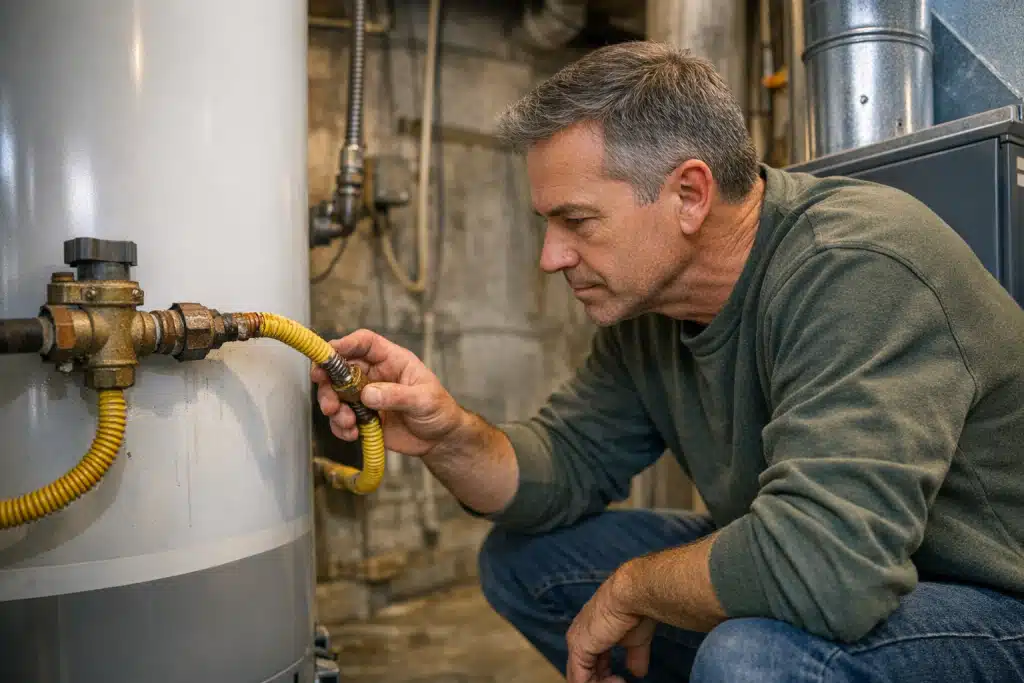
Older furnaces, water heaters, and ranges often have aged flex connectors. Brittle or kinked connectors are a leading cause of leaks in homes over 30 years old.
How to Prevent Gas Leaks in Your Home
Prevention comes down to inspection, maintenance, and knowing the warning signs. Here is how to prevent gas leaks in an aging Westminster house.
- Schedule a gas line pressure test. A licensed plumber pressurizes the system to confirm no leaks exist.
- Replace flex connectors over 10 years old. These are inexpensive and a common failure point.
- Inspect visible piping for rust. Surface corrosion on steel pipe signals deeper trouble.
- Service gas appliances yearly. Furnace and water heater tune-ups catch connection problems early.
- Install carbon monoxide and gas detectors. Colorado law requires CO alarms near sleeping areas.
- Keep the area around meters and regulators clear. Snow, mulch, and debris trap gas and hide leaks.
Doing these six things each year closes the gaps that let small leaks grow into emergencies.
Warning Signs of a Gas Leak
Your senses catch most leaks before a detector does. Act fast if you notice any of the following.
- Rotten egg smell: Utilities add this odor to naturally odorless gas.
- Hissing sounds: A hiss near a pipe, meter, or appliance points to escaping gas.
- Dead grass or plants: A patch of dying vegetation can mark an underground line leak.
- Higher gas bills: Unexplained cost jumps may mean gas is escaping somewhere.
- Physical symptoms: Headaches, dizziness, or nausea that clear when you leave the house.
If you suspect a leak, leave the home and call from outside. Do not flip switches or light anything.
What to Do During a Suspected Gas Leak
A gas leak is an emergency. Follow these steps in order to stay safe.
- Get everyone outside and upwind of the home.
- Do not use phones, switches, or lighters inside the house.
- Leave doors open if you can do so without delay.
- Shut off the gas at the meter only if you have a wrench and clear access.
- Call Xcel Energy or 911 from a safe distance.
- Call a licensed plumber for repair once the area is cleared.
Never try to find the leak source yourself with a flame. A small spark near leaking gas is enough to ignite.
Common Gas Line Problems in Westminster Older Homes
After years working on Front Range houses, our crew sees the same issues repeat in older properties. Knowing them helps you plan ahead.
- Corroded buried lines feeding detached garages and fire pits.
- Undersized piping that cannot support added appliances like a second furnace.
- Improper past repairs using the wrong fittings or non-approved tape.
- Loose meter connections from decades of soil movement.
- Outdated appliance shutoff valves that seize and leak when turned.
Homes that have had DIY remodels carry extra risk. We find unpermitted gas work behind drywall more than most owners expect.

 Posted on Google
Gas Line Inspection and Repair Costs
Pricing varies with home size and line condition. Here are typical ranges for Westminster area homes.
- Gas leak detection and pressure test: $150 to $350
- Flex connector replacement: $75 to $200 per appliance
- Appliance shutoff valve replacement: $150 to $300
- Section of gas line repair: $300 to $800
- Full gas line replacement: $1,500 to $5,000 depending on length
These figures are estimates only. A site visit gives you an accurate quote for your home.
When to Call a Licensed Plumber
Gas work is not a DIY project in Colorado. State and local code require permits and licensed installation for most gas repairs.
Call a licensed plumber if you smell gas, notice corrosion, or plan to add a gas appliance. A yearly inspection is smart for any home over 30 years old.
Westminster homeowners who bought older houses should book an inspection before the first heating season. Catching a weak joint in fall beats finding a leak in January.
Keep Your Older Westminster Home Safe
Aging steel pipe, shifting soil, and worn connectors put older houses at greater risk. Yearly inspections, fresh flex connectors, and working detectors are the best way to prevent gas leaks. Know the warning signs and act fast if you smell rotten eggs.
Cardom Plumbing & Heating serves Westminster, Arvada, Wheat Ridge, Broomfield, and nearby Front Range communities. Call or text us at 720‑775‑8322, email tomd@cardomcolorado.com, or visit https://www.cardomcolorado.com to schedule a gas line inspection.
Sources
- U.S. Consumer Product Safety Commission – Carbon Monoxide Information Center
- PHMSA – Pipeline Safety Awareness
- Xcel Energy – Natural Gas Safety


