
Recent Posts
Categories
Essential Gas Plumbing Safety Tips for Front Range Homes
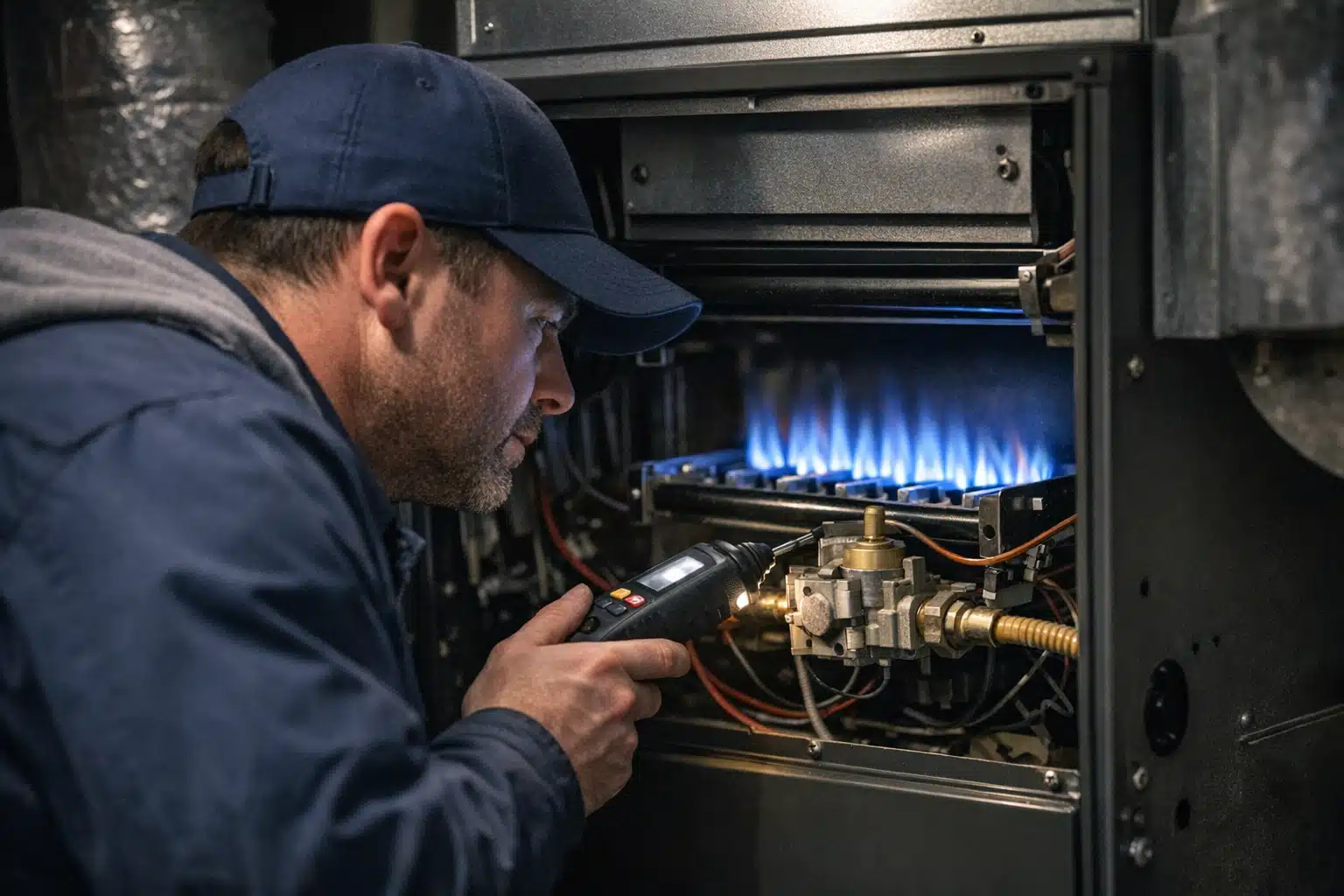
Gas plumbing safety requires extra attention for Front Range homes due to high-altitude combustion differences and extreme temperature swings. Homeowners should watch for leak warning signs, maintain working CO detectors, and schedule yearly inspections before winter.
- At elevations like Arvada's 5,300 feet, air holds 17% less oxygen, so gas appliances need altitude adjustments to burn cleanly and avoid producing excess carbon monoxide.
- Warning signs of gas leaks include rotten-egg smell, hissing sounds, dead grass over buried lines, and unexplained headaches or dizziness that clear when leaving home.
- Seasonal maintenance matters - clear vents of debris in fall, keep snow away from exterior vents in winter, and test CO detectors in spring with battery replacements.
Front Range homeowners should schedule annual inspections of gas lines and connections, especially before winter. High-altitude combustion creates unique stress on gas systems, so check for corrosion, loose fittings, and proper ventilation regularly. Install carbon monoxide detectors on every floor, know how to shut off your gas supply, and never ignore the smell of rotten eggs - a sign of a potential gas leak.
A gas furnace working overtime during a January cold snap in Arvada puts real stress on gas lines and connections. High-altitude combustion behaves differently than it does at sea level. That difference makes gas plumbing safety a bigger concern for homes along the Front Range than most people realize.
This post covers how to spot gas leaks, what elevation does to your appliances, and the seasonal checks that matter for Denver-area homes. You will learn practical steps you can take yourself and the warning signs that mean it’s time to call.
How to Know Your Home’s Gas System Is Safe
A safe gas system has no leaks, proper ventilation, and appliances tuned for high-altitude combustion. Here is a quick answer for homeowners who want the short version.
- Smell test: No rotten-egg odor near appliances or meters.
- Flame check: Burner flames burn blue, not yellow or orange.
- Ventilation: Furnace and water heater vents are clear and sealed.
- Detectors: Working carbon monoxide alarms on every level.
- Inspection: A licensed plumber checks lines and connections yearly.
Miss any of the above, and your system needs attention before winter hits hard.
Why Altitude Changes Gas Plumbing Safety on the Front Range
Arvada sits around 5,300 feet above sea level. At that elevation, air holds roughly 17% less oxygen than at sea level. Gas appliances need extra tuning to burn cleanly with thinner air.
What Thin Air Does to Your Appliances
An improperly adjusted furnace burns rich in the mountains. Rich combustion produces more carbon monoxide and soot. That is why a water heater moved from Kansas to Colorado can run dangerously without adjustment.
Colorado code requires appliances to be de-rated for altitude above 2,000 feet. Many manufacturers cut input around 4% per 1,000 feet of elevation. A furnace not de-rated for Denver’s altitude wastes gas and raises risk.
Cold Snaps and Line Stress
Front Range temperature swings are extreme. A 60-degree day can drop to single digits overnight. Metal gas lines contract in that cold and shift at fittings.
Older black-iron connections in homes built before the 1990s loosen over years of cycling. That slow movement creates small leaks you cannot always smell right away.
Warning Signs of a Gas Leak
Trust your senses first. Most leaks give clear signals before they become dangerous.
- Smell: A sulfur or rotten-egg odor from added mercaptan.
- Sound: Hissing or whistling near a line or appliance.
- Sight: Dead grass or bubbling water over a buried yard line.
- Physical: Headaches, dizziness, or nausea that clears when you leave home.
- Bills: A gas bill that climbs with no change in use.
If you smell strong gas, leave the house immediately. Do not flip switches or light anything.
What to Do During a Suspected Leak
- Get everyone outside and away from the home.
- Leave doors open if you can do it quickly.
- Do not use phones, lights, or garage door openers inside.
- Call your gas utility and a licensed plumber from outside.
- Do not return until the leak is confirmed fixed.
Carbon Monoxide: The Silent High-Altitude Risk
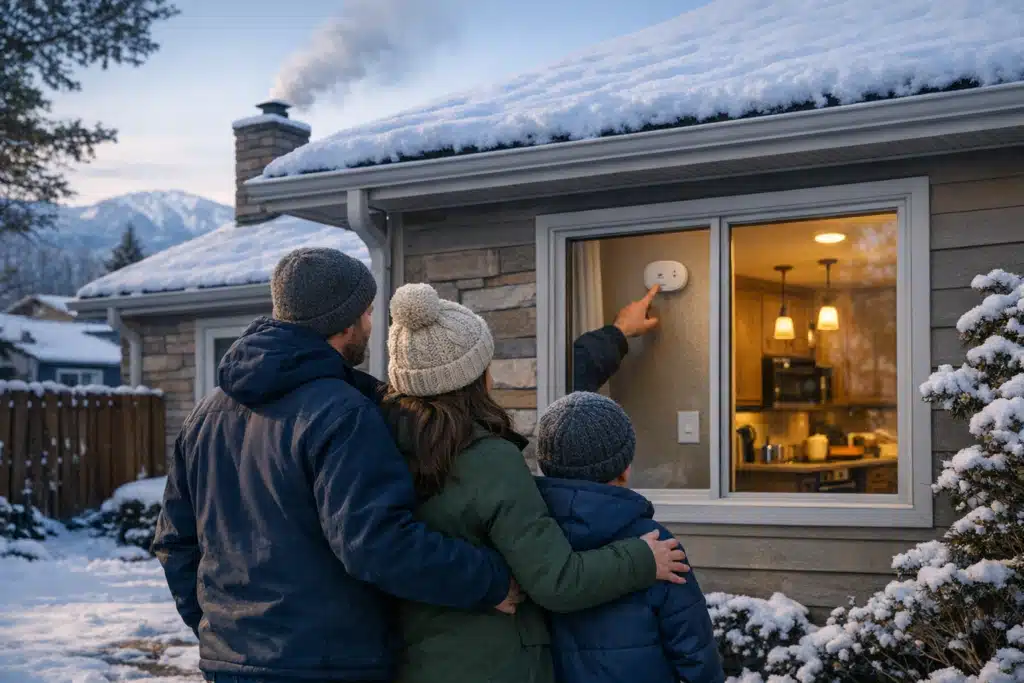
Carbon monoxide is odorless and colorless. At Denver’s altitude, incomplete combustion produces it faster than at sea level. That makes working detectors non-negotiable for Front Range homes.
Colorado law requires CO alarms in homes with gas appliances or attached garages. Place one within 15 feet of each sleeping area. Replace detectors every 5 to 7 years, since sensors wear out.
A yellow furnace flame is an early clue. Blue means clean combustion. Yellow or flickering orange means incomplete burning and possible CO output.
Seasonal Gas Safety Checklist for Arvada Homes
Front Range weather makes timing matter. Run these checks before each heating season.
- Fall: Schedule furnace and water heater inspection before first freeze.
- Fall: Clear vents and flues of bird nests and debris.
- Winter: Keep snow away from exterior vent terminations.
- Winter: Check that high-efficiency furnace PVC vents stay ice-free.
- Spring: Test every CO detector and replace batteries.
- Year-round: Keep the area around gas appliances clear of storage.
Snow-blocked vents cause more CO calls in Broomfield and Westminster than most people expect. A drifted vent can back exhaust into the home within hours.

 Posted on Google
Common Gas Plumbing Problems in Front Range Homes
Aging Gas Lines in Older Neighborhoods
Many Wheat Ridge and older Arvada homes still run black-iron pipe from the 1960s and 70s. Corrosion at threaded joints is the top failure point. A pressure test can find leaks before they become emergencies.
Improperly Installed Flexible Connectors
Uncoated brass connectors from decades past can crack and fail. Modern coated stainless connectors last far longer. Swapping old connectors during any appliance replacement is smart practice.
Water Heater Venting Issues
Atmospheric water heaters share flues in many Denver-area homes. A cracked flue or reversed draft sends CO into living space. This is one of the most missed hazards during DIY inspections.
What Gas Line Work Costs Along the Front Range
Prices vary with access, materials, and permits. Here is a rough range for planning.
- Gas leak detection and test: $150–$400 depending on line count.
- Minor connector or fitting repair: $200–$500.
- New appliance gas line run: $400–$1,200.
- Full gas line replacement: $1,500–$5,000 for larger homes.
- Annual safety inspection: $100–$250.
Arvada and Jefferson County require permits and inspection for most gas line work. Licensed plumbers pull those permits and handle code compliance. Skipping permits can void insurance after a loss.
DIY Steps That Are Safe and Steps That Are Not
Some checks are fine for homeowners. Others belong to licensed hands only.
Safe to Do Yourself
- Test CO detectors and change batteries.
- Clear snow from exterior vents.
- Look at burner flame color.
- Keep appliance areas clear.
Leave to a Licensed Plumber
- Repairing or extending gas lines.
- Pressure testing the gas system.
- Adjusting appliances for altitude.
- Reconnecting gas after a leak.
Colorado requires a licensed plumber for gas line work. That rule protects your home and your family.
Final Takeaways for Front Range Homeowners
Gas plumbing safety on the Front Range starts with altitude-tuned appliances and working CO alarms. Watch for yellow flames, rotten-egg smells, and snow-blocked vents during winter. Schedule a yearly inspection before the first hard freeze.
The team at Cardom Plumbing & Heating knows Arvada homes and the demands of high-altitude gas systems. Call or text us at 720‑775‑8322, email tomd@cardomcolorado.com, or visit https://www.cardomcolorado.com to book your gas safety inspection.
Sources
- U.S. Consumer Product Safety Commission – Carbon Monoxide Information Center
- Occupational Safety and Health Administration – Carbon Monoxide Hazards
- U.S. Department of Energy – Furnaces and Boilers
- Colorado General Assembly – Carbon Monoxide Alarm Requirements


