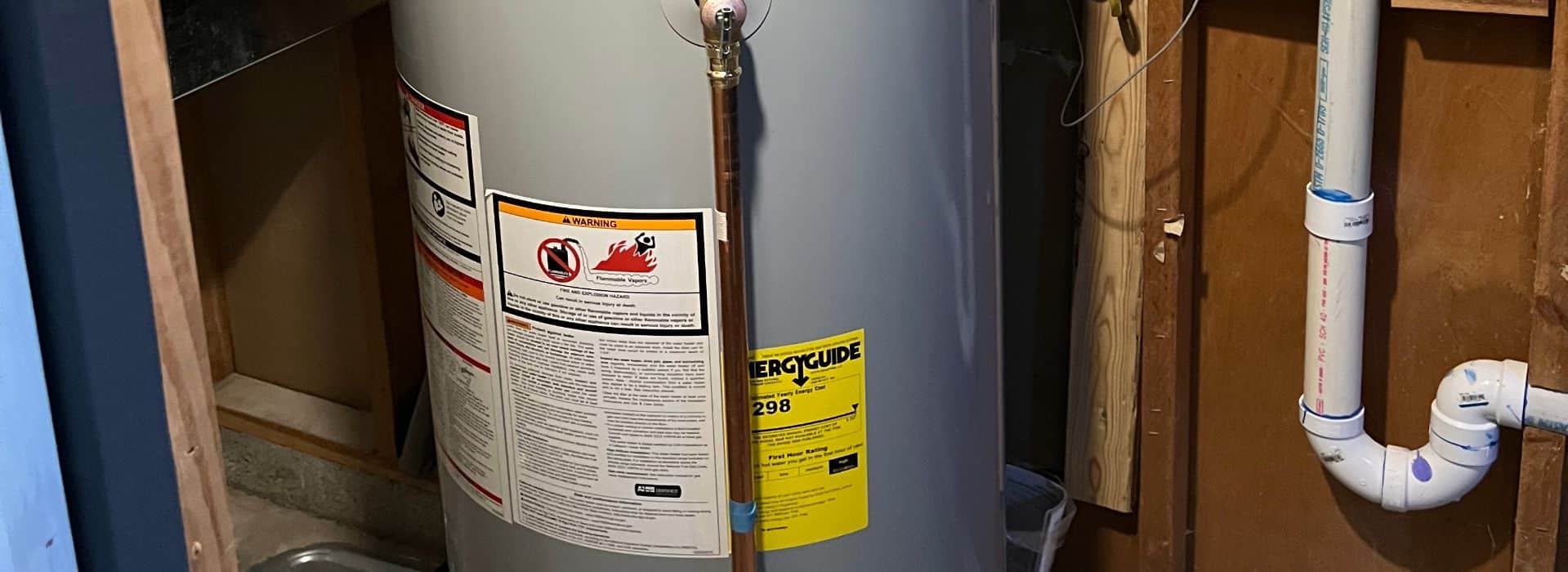
In Federal Heights, CO, reliable water heater services are critical due to harsh winter conditions and unique local challenges. Cardom Plumbing & Heating offers comprehensive solutions including installation, repair, and maintenance tailored to the specific needs of the community.
They provide a full range of water heater services, from installation to routine maintenance.
Their technicians are trained to handle the specific challenges posed by the local climate and water quality.
Cardom Plumbing & Heating emphasizes clear communication and customer education throughout the service process.
What is the importance of a reliable water heater in Federal Heights, CO?
A reliable water heater is essential in Federal Heights, CO, especially during winter when temperatures drop below freezing. It ensures that residents have access to hot water for daily needs, such as morning showers, making it a critical component of everyday life in the area.
Water Heater Services in Federal Heights, CO
That moment when you turn the faucet and ice-cold water hits your hands tells you something has gone wrong with your water heater. In Federal Heights, where winter temperatures regularly plunge below freezing and morning showers are non-negotiable, a reliable water heater isn't a luxury – it's essential infrastructure for daily life.
Water heater service encompasses the full lifecycle of your home's hot water system. This includes installation of new units, repair of failing components, routine maintenance to extend equipment life, and complete replacement when systems reach the end of their service span. Whether you're dealing with a traditional tank-style heater, a tankless on-demand system, or a hybrid heat pump model, professional diagnosis ensures you understand exactly what's happening inside your equipment.
Federal Heights presents unique challenges for water heaters. The city's elevation of approximately 5,300 feet affects combustion efficiency in gas-fired units. Local water quality – sourced primarily from the South Platte River watershed – carries mineral content that accelerates sediment buildup. Housing stock dating from the 1970s through the 1990s often contains original water heaters well past their expected lifespan.
Proper sizing calculations based on household demand and recovery rates
Venting system evaluation for safe combustion gas exhaust
Anode rod inspection to prevent tank corrosion
Thermostat calibration for optimal efficiency at altitude
Cardom Plumbing & Heating provides Water Heater services in all neighborhoods of Federal Heights including Countryside Village, Denver Cascade, Friendly Village, Holiday Hills Village, Kimberly Hills, Lamplighter Trailer Park, Redwood Estates, The Lodge, and Tuscan Heights.
Federal Heights homeowners face a distinct combination of factors that stress water heating equipment. The semi-arid climate means dramatic temperature swings – sometimes 40 degrees or more in a single day – which causes metal components to expand and contract repeatedly. This thermal cycling weakens connections, loosens fittings, and accelerates wear on heating elements.
The municipal water supply serving Federal Heights contains dissolved minerals that precipitate out when heated. Calcium and magnesium deposits accumulate on the bottom of tank-style heaters, forming an insulating layer between the burner and the water. Your system works harder, runs longer, and consumes more energy while delivering less hot water. In tankless units, scale buildup restricts flow through heat exchangers and triggers error codes.
Seasonal timing matters significantly here. Water heaters fail most often during winter months when incoming water temperatures drop to near freezing. The unit must work substantially harder to achieve the same output temperature, pushing aging components past their limits. Spring snowmelt can also affect municipal water pressure and quality, introducing sediment that clogs inlet screens.
Local Factors Affecting Water Heaters
Altitude-related combustion challenges requiring adjusted gas orifices and venting modifications
Hard water mineral content averaging 150-200 ppm causing accelerated sediment accumulation
Older housing infrastructure with undersized gas lines or outdated electrical panels
Temperature extremes stressing expansion tanks and pressure relief valves
Soil conditions in some areas causing foundation settling that shifts plumbing connections
Aging municipal water infrastructure occasionally introducing particulates into the supply
Warning Signs to Watch For
Your water heater often signals problems before complete failure. Recognizing these indicators early can prevent emergency situations and water damage.
Rusty or discolored hot water indicating tank corrosion or failing anode rod
Rumbling or popping sounds during heating cycles suggesting sediment buildup
Inconsistent water temperature or inability to maintain setpoint
Visible moisture, dripping, or pooling around the unit base
Pilot light that repeatedly extinguishes or burns yellow instead of blue
Noticeable decrease in hot water volume or recovery time
Our approach to water heater service begins with understanding what you're experiencing – not just what we observe. Every service call starts with a conversation about symptoms, timeline, and your household's hot water demands.
Our Diagnostic Process
Initial assessment of visible conditions including connections, venting, and surrounding areas for moisture or damage
Operational testing to observe heating cycles, burner function, and thermostat response
Temperature and pressure measurements at multiple points to identify performance gaps
Inspection of safety components including T&P valve, expansion tank, and gas connections
Water quality evaluation to assess mineral content impact on system components
Review of installation compliance with current codes and manufacturer specifications
Service Methods and Techniques
Depending on diagnostic findings, our technicians employ various repair and maintenance approaches tailored to your specific equipment and situation.
Tank flushing to remove accumulated sediment and restore heating efficiency
Anode rod replacement to extend tank life and prevent corrosion
Thermocouple and igniter replacement for reliable pilot operation
Element testing and replacement in electric units
Gas valve diagnostics and replacement when control systems fail
Venting system correction for proper draft and combustion safety
Expansion tank installation or replacement to protect against thermal expansion
Installation Approach
When replacement makes more sense than repair, we guide you through equipment selection based on your household's actual needs – not just matching what was there before.
Load calculation based on fixture count, occupancy patterns, and simultaneous use demands
Fuel source evaluation considering existing infrastructure and operating costs
Space assessment for proper clearances, venting options, and code compliance
Professional installation with proper permitting and inspection coordination
System testing and homeowner orientation on operation and maintenance
Throughout every phase, we maintain clear communication. You'll know what we're doing, why we're doing it, and what to expect next. No surprises, no pressure – just straightforward information to help you make informed decisions.
Why Choose Cardom Plumbing & Heating
Cardom Plumbing & Heating brings licensed, insured technicians to every water heater service call in Federal Heights. Our team holds current certifications for gas appliance work, understands Colorado's altitude-specific requirements, and maintains ongoing training on evolving equipment technologies. We're not generalists dabbling in plumbing – this is our focus and our expertise.
Local knowledge matters when diagnosing water heater problems. We understand Federal Heights' water quality characteristics, the common installation practices used in neighborhood developments from different eras, and the specific challenges posed by this region's climate. When we arrive at your home, we're not starting from scratch – we're applying years of accumulated experience with similar situations in your community.
What Sets Us Apart
Responsive scheduling with same-day availability for urgent water heater failures
Upfront assessment before any work begins – no hidden charges or surprise additions
Quality components from established manufacturers with meaningful warranty coverage
Thorough testing and verification before considering any job complete
Follow-up support if questions arise after service
Digital diagnostic tools for accurate readings and documentation
We carry common repair parts on our service vehicles, minimizing delays and return trips for straightforward repairs. For installations, we coordinate directly with local inspectors and handle permit requirements so you don't have to navigate municipal processes. Our goal is making water heater service as smooth and stress-free as possible while delivering lasting results.
Housing Characteristics & Water Heater Considerations
Federal Heights developed primarily during two distinct building periods that significantly influence water heater service approaches. The first wave occurred during the 1970s suburban expansion, producing single-family homes and apartment complexes with construction practices and materials typical of that era. The second major growth phase came in the 1980s and early 1990s, adding additional residential density.
1970s Era Construction
Homes from this period often feature characteristics that affect water heater installation and replacement.
Original galvanized steel supply piping that may restrict flow to newer high-efficiency units
Smaller utility spaces with limited clearance for modern equipment dimensions
Electrical panels with lower amperage capacity that may require upgrades for electric water heaters
Natural draft venting systems that may not support power-vented or direct-vent models without modification
Gas line sizing based on older appliance demands that may need evaluation for high-capacity units
1980s-1990s Construction
Later developments brought improved standards but introduced different considerations.
Copper supply lines in better condition but potentially undersized for current household demands
Tighter building envelopes requiring careful attention to combustion air supply
Water heaters often located in finished basements where leak damage carries higher stakes
Original equipment now reaching 25-35 years of age – well beyond typical service life
Multi-family properties throughout Federal Heights present additional complexity. Shared venting systems, common utility areas, and HOA regulations can all influence equipment selection and installation approaches. We work with property managers and homeowner associations regularly to address these situations.
Replacement Considerations by Home Type
Matching new water heater equipment to existing infrastructure requires careful evaluation of several factors.
Available space dimensions and required clearances for different unit types
Existing venting configuration and modification requirements
Electrical service capacity for electric or hybrid units
Gas line sizing for high-efficiency condensing models
Drain pan and overflow provisions for interior installations
Environmental Conditions & Water Heater Implications
Federal Heights sits within the North Front Range region, experiencing a semi-arid continental climate that directly impacts water heater performance and longevity. Average winter lows dip into the teens, with periodic cold snaps pushing temperatures below zero. These conditions mean incoming water temperatures can drop to 40°F or lower during winter months, requiring your water heater to work significantly harder than during summer when inlet temperatures may reach 60°F or higher.
Water Quality Characteristics
The water supply serving Federal Heights comes from multiple sources within the South Platte River basin, treated and distributed through regional water districts. Testing data reveals several characteristics relevant to water heater operation.
Total hardness typically ranges from 150-220 mg/L – moderately hard water that promotes scale formation
pH levels generally fall between 7.5-8.2, slightly alkaline and conducive to mineral precipitation
Chlorine residual from treatment can accelerate corrosion in some tank materials
Seasonal variation in source water affects mineral content and treatment approaches
These water quality factors directly impact anode rod consumption rates, sediment accumulation, and overall equipment lifespan. Regular maintenance becomes more important here than in areas with softer water supplies.
Climate Impacts on Equipment
The high-altitude environment creates specific challenges for water heating equipment.
Lower atmospheric pressure affects gas combustion, requiring altitude-adjusted burner orifices
Intense UV exposure at elevation degrades exterior components and labels faster
Low humidity accelerates evaporation from T&P valve discharge, sometimes masking slow leaks
Rapid temperature changes stress expansion tanks and pressure relief systems
Freeze risk in unheated spaces requires proper insulation and heat tape on exposed lines
Soil and Foundation Effects
Federal Heights sits on expansive clay soils common throughout the Denver metro area. These soils swell when wet and shrink when dry, causing foundation movement that can stress plumbing connections over time. Water heaters with rigid connections may develop leaks at fittings as buildings shift. Flexible connectors and proper support help accommodate this movement.
Drainage patterns around homes also affect water heater installations in basements and crawl spaces. Poor grading or inadequate drainage can introduce moisture problems that accelerate corrosion and create unsafe conditions for gas-fired equipment.
Water Quality Data and Infrastructure in Federal Heights
Federal Heights receives water service primarily through the North Table Mountain Water and Sanitation District and portions of the Farmers Reservoir and Irrigation Company system. Annual water quality reports from these providers reveal data points directly relevant to water heater performance and maintenance requirements in this community.
Recent testing data shows total dissolved solids (TDS) averaging between 200-350 mg/L, placing Federal Heights water in the moderately mineralized category. Calcium hardness specifically measures around 80-120 mg/L, while magnesium contributes additional hardness. This mineral content translates to approximately 10-15 grains per gallon of hardness – enough to cause noticeable scale buildup in water heating equipment over time.
Key Water Quality Statistics
Total hardness: 150-220 mg/L (moderately hard classification)
Chlorine residual: 0.5-1.2 mg/L at distribution points
pH range: 7.4-8.1 throughout the system
Sodium levels: 30-60 mg/L depending on source blend
Iron content: Generally below 0.1 mg/L but can spike during main breaks or flushing
Impact on Water Heater Service
This water quality profile has direct implications for water heater maintenance schedules and equipment selection in Federal Heights.
Tank-style heaters require flushing every 6-12 months to remove sediment – more frequently than soft water areas
Anode rods may need replacement every 3-4 years rather than the typical 5-year interval
Tankless units benefit from annual descaling to maintain flow rates and efficiency
Glass-lined tanks outperform standard steel in this water chemistry
Whole-house water softening can significantly extend water heater lifespan
Municipal infrastructure age varies throughout Federal Heights, with some distribution mains dating to original development in the 1970s. Older pipes can release particulates during pressure changes or maintenance activities. Installing a sediment filter on the cold water inlet to your water heater provides added protection against debris that could damage components or clog heat exchangers in tankless systems.
Common signs include inconsistent water temperatures, strange noises coming from the unit, and visible leaks. If you notice rusty or discolored water, it may indicate corrosion inside the tank. It's best to address these issues promptly to avoid complete failure.
Most traditional tank water heaters last about 10 to 15 years, while tankless models can last up to 20 years with proper maintenance. Factors such as water quality and usage patterns in Federal Heights can affect lifespan, so regular inspections are recommended.
First, turn off the power supply and the cold water inlet to the heater. Then, contact a professional plumber to assess the situation. Leaks can lead to significant water damage, so it's important to act quickly.
Regular maintenance includes flushing the tank to remove sediment buildup, checking the anode rod for corrosion, and inspecting the pressure relief valve. Scheduling annual professional inspections can help identify potential issues before they become serious.
The best type depends on your household's hot water needs. Tankless water heaters are great for on-demand hot water, while traditional tanks are suitable for larger households. Consider factors like energy efficiency and space when making your choice.
You can find reliable water heater services by searching online for local plumbing companies or asking for recommendations from neighbors. Look for businesses with good reviews and experience in handling water heaters specific to the conditions in Federal Heights.
Strange noises can indicate sediment buildup at the bottom of the tank or issues with the heating elements. Banging or popping sounds often mean that mineral deposits are causing the water to boil, which can reduce efficiency and lead to damage.