Cardom Plumbing & Heating offers specialized water heater services in Boulder, CO, addressing the unique challenges posed by the area's high altitude and hard water. Their comprehensive approach includes installation, repair, and maintenance of both tank and tankless systems, ensuring efficient operation year-round.
Boulder homeowners face specific water heater issues due to high altitude and hard water, which can lead to sediment buildup and inefficient heating.
Cardom Plumbing & Heating provides thorough diagnostics to identify problems accurately, helping to avoid unnecessary repairs.
Their technicians are trained to handle the unique requirements of Boulder’s diverse housing stock, ensuring safe and effective service.
What are common water heater problems in Boulder, CO?
Common water heater problems in Boulder, CO include unexpected cold water during showers, strange popping sounds from the unit, and insufficient hot water supply. Given the area's cold winters and high elevation, homeowners need to address these issues quickly to maintain reliable hot water access.
Water Heater Services in Boulder, CO
That morning shock of ice-cold water mid-shower signals something every Boulder homeowner dreads – a water heater problem. Whether your unit is making strange popping sounds, delivering lukewarm water, or has stopped working entirely, these issues demand prompt attention. At 5,430 feet elevation with winter temperatures regularly dropping below freezing, Boulder residents rely on dependable hot water systems more than most.
Water heater service encompasses installation, repair, maintenance, and replacement of both tank-style and tankless systems. Professional diagnosis matters here because water heaters involve complex interactions between gas lines, electrical components, water pressure, and venting systems. A misdiagnosed problem can lead to wasted money on unnecessary repairs – or worse, safety hazards from improper gas connections or pressure relief failures.
Boulder presents unique challenges for water heating systems:
High altitude affects combustion efficiency in gas water heaters, requiring specific adjustments
Older homes in Mapleton Hill and University Hill often have outdated installations
Temperature swings between seasons stress expansion tanks and pressure valves
Understanding these local factors helps explain why water heaters in Boulder often behave differently than identical units installed at sea level. Professional service accounts for these variables, ensuring your system operates safely and efficiently year-round.
Cardom Plumbing & Heating provides Water Heater services in all neighborhoods of Boulder including Arapahoe Ridge, Dakota Ridge, East Aurora, Frazier Meadows, Goss-Grove, Holiday, Keewaydin, Martin Acres, Meadow Glen, Park East, Promontory North, Table Mesa, The Hill, The Promontory, Washington Village, and Wonderland Hills.
Boulder's geographic and climatic conditions create a distinct set of water heater challenges. The city draws its water supply primarily from Boulder Creek and Barker Reservoir, which carries dissolved minerals that accumulate inside water heater tanks over time. This mineral content – particularly calcium and magnesium – forms scale deposits on heating elements and tank bottoms, reducing efficiency and shortening equipment lifespan.
Altitude plays a significant role in how gas water heaters perform here. At Boulder's elevation, there's approximately 17% less oxygen available for combustion compared to sea level. Standard water heaters may struggle to achieve full heating capacity, and improperly adjusted burners can produce carbon monoxide or fail to ignite consistently. Homes in the foothills above Boulder face even more pronounced altitude effects.
Seasonal temperature variations add another layer of complexity. Winter ground temperatures can drop inlet water to near-freezing, forcing your water heater to work significantly harder. Summer brings different challenges – thermal expansion in closed-loop systems can trigger pressure relief valve discharge or stress pipe connections.
Local Factors Affecting Water Heaters
Hard water mineral content averaging 75-150 ppm creates sediment accumulation requiring periodic flushing
High altitude reduces gas combustion efficiency by 4% per 1,000 feet above sea level
Cold winter inlet water temperatures increase recovery time and energy consumption
Older homes in downtown Boulder and Chautauqua areas often have undersized gas lines
Freeze risk for water heaters in unheated garages or crawl spaces during January cold snaps
Rapid pressure fluctuations from municipal system maintenance can damage components
Warning Signs Requiring Attention
Boulder homeowners should monitor their water heaters for these indicators:
Rusty or discolored hot water – often signals internal tank corrosion
Popping or rumbling sounds during heating cycles – sediment buildup on tank bottom
Fluctuating water temperatures – failing thermostats or dip tube problems
Water pooling around the base – tank leaks or pressure relief valve issues
Pilot light that won't stay lit – thermocouple failure or altitude adjustment needed
Hot water running out faster than usual – sediment displacement or element failure
Recent Work
No Hot Water in the Unit. - Boulder
Problem:No hot water to the residence
Found:Found an error code on the circuit board and it was labeled "PCB connection.
Fixed:Checked spade connections and found no issues. Turned off power to tankless and cycled the heater. Reset the error code and ran many cycles on heater and did not get any other errors.
Outcome:Heater is working perfectly at this time.
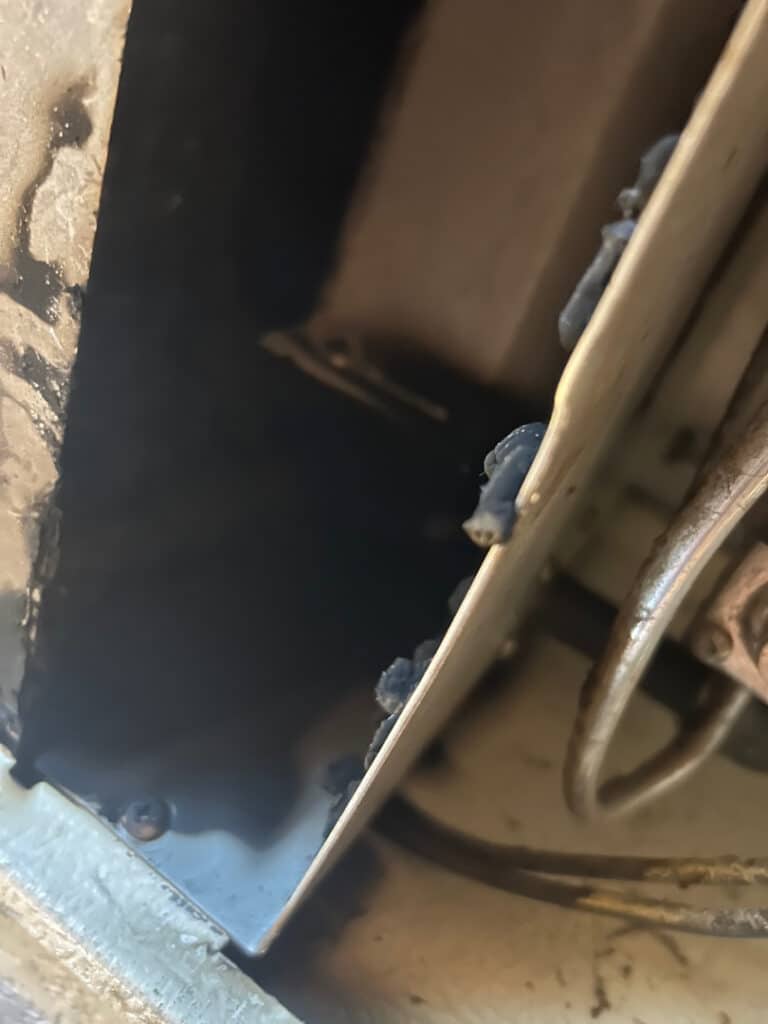
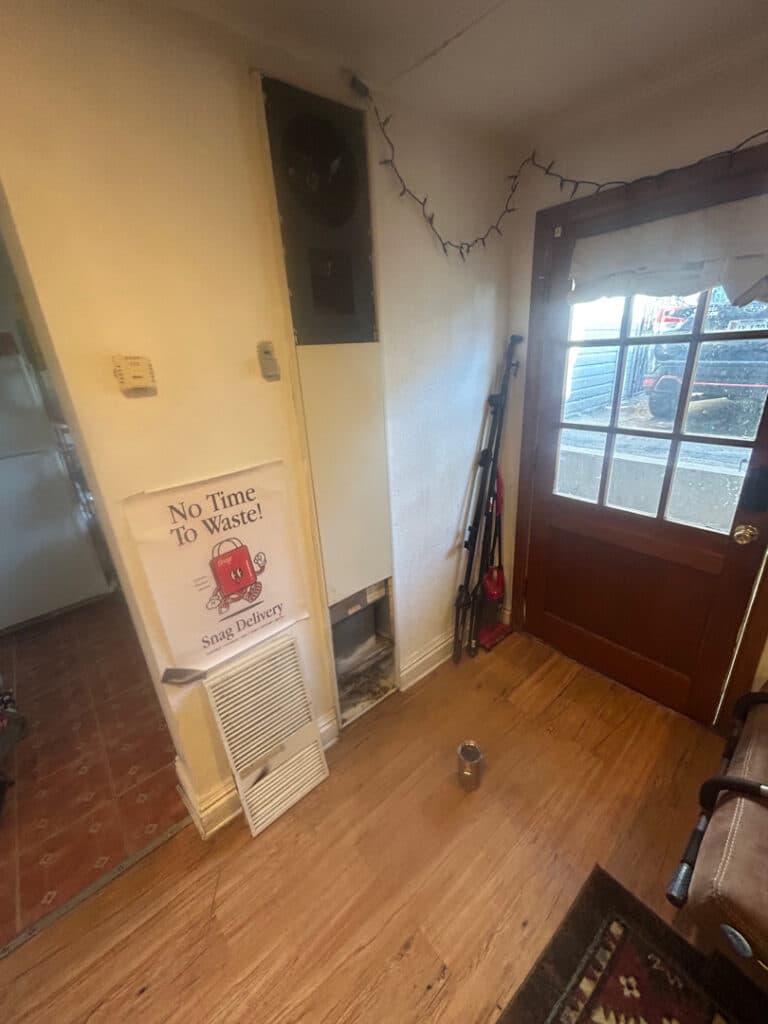
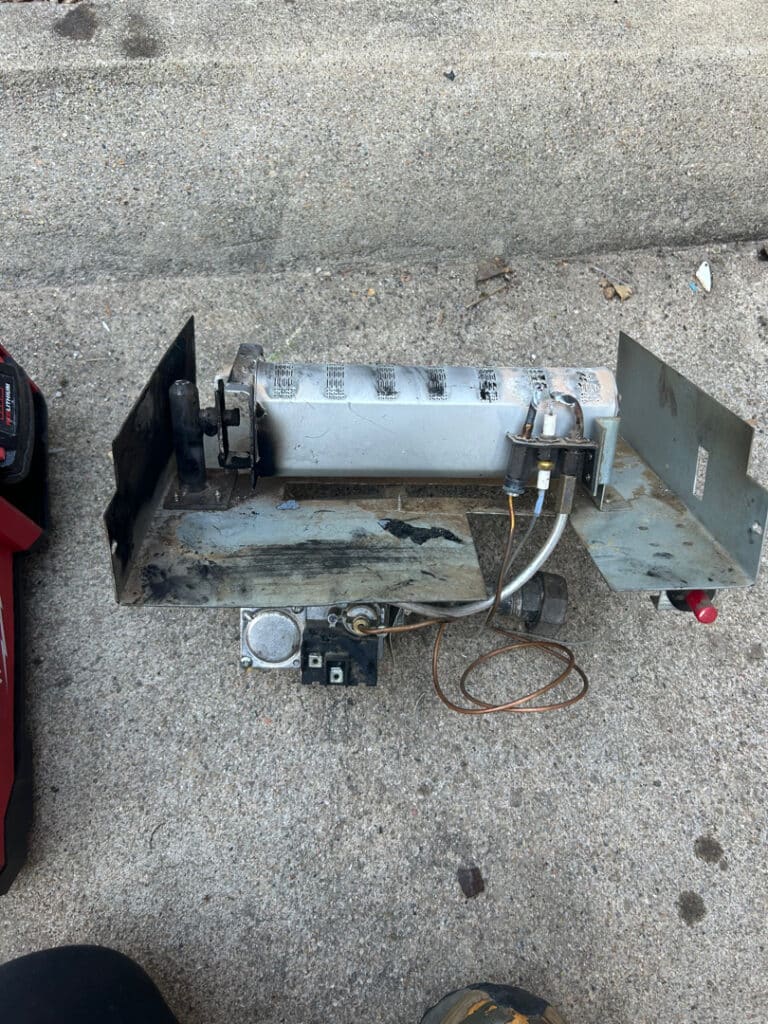
Space Heater Issue - Boulder
Problem:Flame was rolling out of burner assembly aggressively causing soot to make its way past cover
Found:Entire flue was soothed up very badly
Fixed:Reinstalled gcv with gas left isolated to unit and low voltage wires left disconnected
Outcome:We strongly recommended that the unit get replaced with one that has all the proper safeties.
Our approach to water heater service begins with thorough diagnostics rather than assumptions. Many water heater problems share similar symptoms but have vastly different causes and solutions. Proper diagnosis saves you money and prevents repeat service calls.
Our Water Heater Service Process
Initial Assessment – We inspect the entire water heating system, including supply lines, gas connections or electrical service, venting, and the unit itself
Diagnostic Testing – Using combustion analyzers, multimeters, and pressure gauges, we identify the specific failure point
Problem Explanation – Before any work begins, we explain what's wrong, why it happened, and your repair or replacement options
Service Execution – Whether repairing components or installing new equipment, we complete the work to manufacturer specifications
System Testing – We verify proper operation, check for leaks, confirm temperature output, and test safety controls
Documentation – You receive information about what was done and recommendations for future maintenance
Repair Techniques and Methods
Our technicians employ specialized methods suited to Boulder's conditions:
Altitude-adjusted burner calibration for gas water heaters
Anode rod inspection and replacement to combat hard water corrosion
Sediment flushing procedures designed for high-mineral content water
Expansion tank installation and pressure adjustment for closed-loop systems
Thermocouple and gas valve replacement with altitude-rated components
Electric element testing and replacement with proper wattage verification
Installation Standards
When replacement makes more sense than repair, we handle complete water heater installations:
Proper sizing calculations based on household demand and recovery rate needs
Code-compliant venting for gas units, including high-efficiency condensing models
Earthquake strapping and seismic bracing per Colorado requirements
Expansion tank installation where required by local codes
Permit coordination with City of Boulder building department
Throughout the process, we maintain clear communication about timeline expectations. Simple repairs typically complete in a single visit. Water heater replacements generally require scheduling for equipment procurement, with installation completed within the same day once we arrive.
Why Choose Cardom Plumbing & Heating
Cardom Plumbing & Heating brings specific expertise to Boulder's water heater challenges. Our technicians hold certifications for both gas and electric water heater service, including training on high-efficiency tankless systems from major manufacturers. We understand the altitude adjustments, venting requirements, and local code specifications that affect every installation in Boulder County.
Local knowledge matters for water heater service. We've worked in Boulder's diverse housing stock – from historic bungalows in Whittier to modern construction in Gunbarrel. Each neighborhood presents different access challenges, existing infrastructure conditions, and common problem patterns. This familiarity allows us to arrive prepared with appropriate equipment and parts.
What Sets Us Apart
Licensed and insured – not just certified – for all gas and electric water heater work
Same-day response available for emergency water heater failures
Upfront pricing before work begins – no surprise charges
Quality components from established manufacturers with solid warranty support
Follow-up contact after major repairs or installations to confirm satisfaction
Ongoing maintenance programs to extend equipment lifespan
Our diagnostic approach uses modern testing equipment rather than guesswork. Combustion analyzers verify that gas water heaters operate safely at Boulder's altitude. Digital multimeters precisely identify electrical failures. Infrared thermometers and pressure gauges confirm system performance meets specifications. This technology investment means accurate diagnoses and effective repairs.
We also prioritize customer education. Understanding why your water heater failed helps you make informed decisions about repair versus replacement. Knowing what maintenance extends equipment life puts you in control of future costs. We take time to answer questions and explain options without pressure.
Housing Characteristics & Water Heater Considerations
Boulder's housing stock spans more than a century of construction methods, each era bringing different water heater installation challenges. The city's strict growth limitations have preserved many older homes while encouraging renovation and modernization of existing properties.
Historic Neighborhoods
Areas like Mapleton Hill, Whittier, and the University Hill district contain homes built between 1890 and 1940. These properties frequently present:
Undersized gas lines originally designed for smaller appliances
Limited mechanical room space requiring compact water heater solutions
Outdated venting systems that may not support modern high-efficiency units
Galvanized supply piping approaching or exceeding its functional lifespan
Electrical panels with insufficient capacity for large electric water heaters
Retrofitting water heaters in these homes often requires creative solutions and code-compliant upgrades to supporting infrastructure.
Mid-Century Development
Homes built during Boulder's expansion from the 1950s through 1970s – common in Table Mesa, Martin Acres, and parts of North Boulder – typically feature:
Basement or garage installations with adequate space for standard tank units
Copper supply piping in generally good condition
Gas lines sized appropriately for water heater loads
Atmospheric venting through existing chimneys or B-vent systems
Modern Construction
Newer developments in Gunbarrel, Dakota Ridge, and recent infill projects often include:
High-efficiency water heaters with direct-vent or power-vent configurations
Tankless systems gaining popularity for space savings and energy efficiency
Pre-plumbed recirculation loops for instant hot water delivery
Expansion tanks already installed per current code requirements
Understanding your home's construction era helps predict what water heater options will work best and what additional modifications might be necessary during installation or replacement.
Environmental Conditions & Water Heater Implications
Boulder's environmental conditions directly impact water heater performance, longevity, and maintenance requirements. From water chemistry to climate patterns, these factors shape how we approach service in this area.
Water Quality Characteristics
Boulder's municipal water supply comes primarily from surface sources in the Boulder Creek watershed. The city's water treatment facility produces water that meets all federal standards but carries characteristics affecting water heaters:
Moderate hardness levels – typically 75-150 mg/L as calcium carbonate
Slightly alkaline pH ranging from 7.5 to 8.5
Low chloride content, reducing corrosion concerns
Seasonal turbidity variations during spring runoff periods
While not extremely hard by national standards, Boulder's water contains enough dissolved minerals to create sediment accumulation in tank water heaters over time. Annual flushing helps maintain efficiency and extends tank life.
Climate Impacts
Boulder's semi-arid mountain climate creates specific stresses on water heating systems:
Winter inlet water temperatures drop to 40-45°F, increasing heating demand by 20-30%
Rapid temperature swings – sometimes 40+ degrees in a single day – stress expansion tanks
Low humidity accelerates corrosion on exposed metal components
Freeze risk threatens water heaters in unheated spaces during cold snaps
Homes with water heaters in attached but unheated garages face particular freeze vulnerability. Insulation wraps and pipe heating cables provide protection during extended cold periods.
Altitude Effects on Combustion
At Boulder's elevation, atmospheric pressure measures approximately 83% of sea-level pressure. This reduced air density affects gas water heater operation:
Standard burner orifices may be oversized for available oxygen
Flame characteristics change, potentially affecting heat transfer efficiency
Proper altitude adjustment improves combustion and reduces carbon monoxide risk
High-altitude rated equipment performs more reliably than standard models
Tankless water heaters with electronic combustion management typically self-adjust for altitude, making them well-suited for Boulder installations when properly configured.
Boulder Water Quality and Infrastructure Data
Boulder's water infrastructure directly influences water heater performance and service requirements throughout the city. The municipal system serves approximately 105,000 residents through a network that includes both newer distribution mains and segments dating back several decades.
According to Boulder's annual water quality reports, the city maintains consistent water chemistry that falls within EPA guidelines but carries specific characteristics relevant to water heater owners:
Total hardness averages 100-120 mg/L – moderate by Colorado standards but sufficient to cause scale buildup over time
Water temperature at the treatment plant outlet ranges from 45°F in winter to 65°F in summer
System pressure varies by neighborhood elevation – lower areas may see 80+ psi, requiring pressure regulation
Occasional pressure fluctuations during main repairs can stress water heater components
The city's infrastructure renewal program has replaced many older distribution mains, but service lines connecting to individual properties remain homeowner responsibility. Homes in older neighborhoods may still have original galvanized service lines that restrict flow and introduce particulates into water heaters.
How This Affects Water Heater Service
These infrastructure realities shape our service approach in several ways:
We check inlet pressure during every service call – high pressure accelerates component wear
Sediment flushing frequency recommendations account for local mineral content
Anode rod inspections help gauge corrosion rates specific to Boulder's water chemistry
Supply line condition assessment identifies restrictions affecting water heater performance
Boulder's commitment to water quality monitoring means homeowners can access detailed information about their water supply. This data helps us make informed recommendations about water heater maintenance intervals, appropriate equipment choices, and whether water treatment additions might benefit specific installations. Understanding the interaction between local water characteristics and water heating equipment allows for more effective, longer-lasting service outcomes.
Common signs include strange noises like popping or rumbling, inconsistent water temperature, leaks around the unit, or discolored water. If you experience any of these issues, it's best to have a professional inspect your water heater.
Most traditional tank water heaters last about 8 to 12 years, while tankless models can last up to 20 years with proper maintenance. Regular servicing can help extend the lifespan of your unit.
First, turn off the power supply and water supply to the unit to prevent further damage. Then, contact a professional plumber to assess the situation and determine if repairs or replacement are necessary.
It's recommended to have your water heater serviced at least once a year. Regular maintenance helps identify potential issues early and ensures the unit operates efficiently.
Tank water heaters store a specific amount of hot water for use, while tankless water heaters heat water on demand, providing a continuous supply. Tankless models are often more energy-efficient but may have higher upfront costs.
You can find reliable water heater services by searching online for local plumbing companies or asking for recommendations from friends and neighbors. Look for companies with good reviews and experience in handling water heater issues.
Consider the size of your household, your hot water usage patterns, energy efficiency ratings, and the type of fuel available in your area. Additionally, think about whether you prefer a tank or tankless model based on your needs.