Cardom Plumbing & Heating offers comprehensive water heater services in Louisville, CO, addressing issues from installation to maintenance for both tank and tankless systems. They focus on diagnosing problems accurately, considering local factors like hard water and elevation that affect performance.
They provide professional installation, repair, and maintenance services tailored to the unique challenges of Louisville's water supply and climate.
Their technicians are licensed and insured, ensuring safe and compliant service for all water heater needs.
Cardom emphasizes clear communication throughout the service process, keeping customers informed about diagnostics and options.
What does a malfunctioning water heater indicate?
A malfunctioning water heater often indicates that there is a problem with the appliance, which can manifest as cold water during showers or water pooling around the unit. This disruption can significantly affect daily activities that rely on hot water, highlighting the importance of timely repairs.
Water Heater Services in Louisville, CO
That moment when your morning shower turns ice cold – or when you notice water pooling around your utility closet – signals something's wrong with one of your home's hardest-working appliances. Your water heater operates quietly in the background, delivering hot water for showers, dishwashing, laundry, and countless daily tasks. When it fails, the disruption ripples through your entire household routine.
Water heater service encompasses installation, repair, maintenance, and replacement of both tank-style and tankless units. Whether your system runs on natural gas, propane, or electricity, professional diagnosis pinpoints the exact cause of performance problems – from sediment buildup and faulty thermostats to corroded anode rods and failing heating elements.
Consistent hot water supply – properly sized and maintained units deliver reliable performance for your household's demands
Energy efficiency – modern systems and regular maintenance reduce utility costs, particularly relevant at Louisville's 5,300-foot elevation where heating demands increase
Safety assurance – professional installation and inspection prevent gas leaks, carbon monoxide hazards, and pressure-related failures
Extended equipment lifespan – routine service catches small problems before they become expensive replacements
Louisville's unique combination of hard mineral water, significant temperature swings, and homes ranging from 1970s construction to new developments creates specific water heater challenges. Professional assessment accounts for these local variables, matching solutions to your home's actual conditions rather than applying generic fixes.
Cardom Plumbing & Heating provides Water Heater services in all neighborhoods of Louisville including Balfour, Centennial Heights, Cherrywood II, Eagle Place, Paragon Estates, Parco Dello Zingaro, Steel Ranch Subdivision, and Waneka Landing.
Louisville sits at the base of the Front Range foothills, where winter temperatures regularly drop below freezing while summer afternoons climb into the 90s. This temperature variance stresses water heater components through constant expansion and contraction cycles. The area's semi-arid climate also means your water heater works harder during cold months when incoming water temperatures drop significantly – sometimes entering your home at 40°F or colder.
The mineral content in Louisville's water supply creates particular problems for water heaters. Calcium and magnesium deposits accumulate on heating elements and tank bottoms, reducing efficiency and accelerating corrosion. Homes in older Louisville neighborhoods – including those near downtown and the original coal mining settlement areas – often have original or aging water heaters that struggle against decades of mineral buildup.
Local Factors Affecting Water Heater Performance
Hard water mineral content – Louisville's water contains dissolved minerals that form scale deposits, coating heating elements and reducing heat transfer efficiency by up to 25%
Elevation effects – at over 5,000 feet, water boils at lower temperatures and atmospheric pressure differences affect pressure relief valve calibration
Temperature extremes – 100+ degree annual temperature swings stress tank seams, fittings, and expansion tanks
Aging housing stock – many Louisville homes built in the 1970s-1990s have water heaters approaching or exceeding their 10-15 year expected lifespan
Natural gas variations – seasonal pressure fluctuations in gas supply can affect burner performance and pilot light reliability
Power quality issues – mountain storms cause electrical surges that damage electronic ignition systems and digital controls
Warning Signs Louisville Residents Should Monitor
Recognizing early symptoms prevents emergency failures and water damage. Watch for these indicators:
Rusty or discolored hot water – especially when cold water runs clear
Rumbling, popping, or banging sounds during heating cycles
Longer recovery times between hot water uses
Water temperature fluctuations during use
Moisture, corrosion, or mineral deposits around the tank base
Our approach to water heater service begins with understanding what you're experiencing – not just the symptoms, but how the problem affects your daily life. From there, we conduct systematic diagnostics to identify root causes rather than applying temporary fixes.
Our Water Heater Service Process
Initial consultation – we discuss your symptoms, water usage patterns, and any recent changes to help narrow diagnostic focus before arrival
Comprehensive inspection – our technicians examine the entire water heating system including supply lines, venting, electrical or gas connections, and safety components
Diagnostic testing – we measure water temperature at multiple points, check element resistance, test thermostat accuracy, and inspect anode rod condition
Clear explanation – you receive a straightforward assessment of what we found, what it means, and your repair or replacement options
Professional service – whether repairing, maintaining, or installing, we complete work to manufacturer specifications and local code requirements
System verification – before leaving, we test operation, check for leaks, verify safety controls, and confirm proper temperature output
Techniques and Methods We Employ
Sediment flushing – removes mineral accumulation that reduces efficiency and causes premature tank failure
Anode rod inspection and replacement – this sacrificial component protects your tank from corrosion – we check condition and replace when depleted
Element testing and replacement – electric water heater elements fail over time; we diagnose which element has failed and restore heating capacity
Thermostat calibration – ensures accurate temperature control and prevents scalding or inadequate heating
Expansion tank assessment – closed-loop plumbing systems require properly functioning expansion tanks to prevent pressure damage
Venting inspection – gas water heaters require proper draft and venting to operate safely and efficiently
Communication Throughout Service
We keep you informed at every step. Before beginning any repair, you'll understand:
What we found during inspection
Why the problem occurred
What options exist for resolution
What to expect during and after service
Why Choose Cardom Plumbing & Heating
Cardom Plumbing & Heating brings licensed, insured technicians to every Louisville water heater service call. Our team holds current certifications for gas line work, water heater installation, and plumbing repair – qualifications that matter when dealing with pressurized tanks and combustion appliances in your home.
We've served the Louisville community long enough to understand its specific plumbing challenges. Our technicians recognize the telltale signs of hard water damage common in this area, know which neighborhoods have older infrastructure, and understand how elevation affects water heater performance. This local knowledge translates into faster, more accurate diagnoses.
What Sets Us Apart
Responsive scheduling – we understand that water heater failures don't wait for convenient times and prioritize urgent situations accordingly
Stocked service vehicles – our trucks carry common replacement parts, reducing the need for multiple visits
Quality workmanship – we stand behind our repairs and installations with follow-up support if issues arise
Code compliance – all work meets current Colorado plumbing codes and manufacturer requirements
Honest assessments – if your water heater can be repaired cost-effectively, we'll tell you; if replacement makes more sense, we'll explain why
Our diagnostic approach uses modern testing equipment to verify problems before recommending repairs. We don't guess at solutions – we measure, test, and confirm. This precision prevents unnecessary part replacements while ensuring we address actual failure points.
Housing Characteristics & Water Heater Considerations
Louisville's housing stock reflects the town's evolution from a coal mining community to a desirable Boulder County suburb. This diversity means water heater needs vary significantly across different neighborhoods and construction eras.
Historic and Older Neighborhoods
Homes near downtown Louisville and the original town center – many dating from the early 1900s through the 1960s – present unique water heater challenges:
Smaller utility spaces that limit water heater size options
Older gas lines that may require inspection before new unit installation
Original plumbing configurations that complicate replacement
Electrical systems that may need updating for modern electric water heaters
1970s-1990s Subdivisions
Many Louisville neighborhoods developed during this period, including areas near Centennial Park and the Coal Creek corridor. These homes typically feature:
Standard 40-50 gallon tank water heaters – often the original units now reaching end of life
Basement or garage installations with adequate space for modern replacements
Copper or early CPVC supply lines that may show age-related wear
Gas water heaters with atmospheric venting that may benefit from power-vented upgrades
Newer Construction
Louisville's recent developments – including areas near the Louisville Recreation Center and newer subdivisions – often include:
High-efficiency water heaters with electronic controls
Tankless units requiring specific venting and gas line sizing
Recirculation systems for instant hot water delivery
Expansion tanks already installed per current code requirements
Understanding your home's construction era helps us anticipate installation requirements, potential complications, and upgrade opportunities specific to your situation.
Recent Work
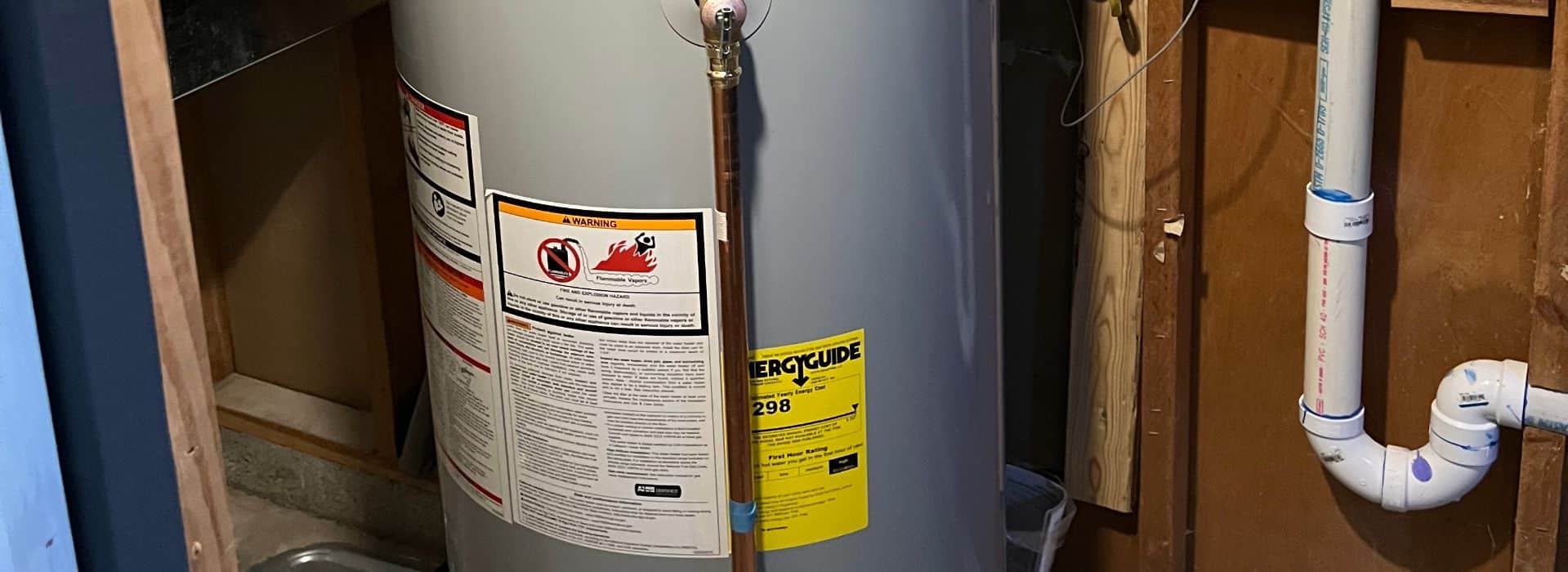
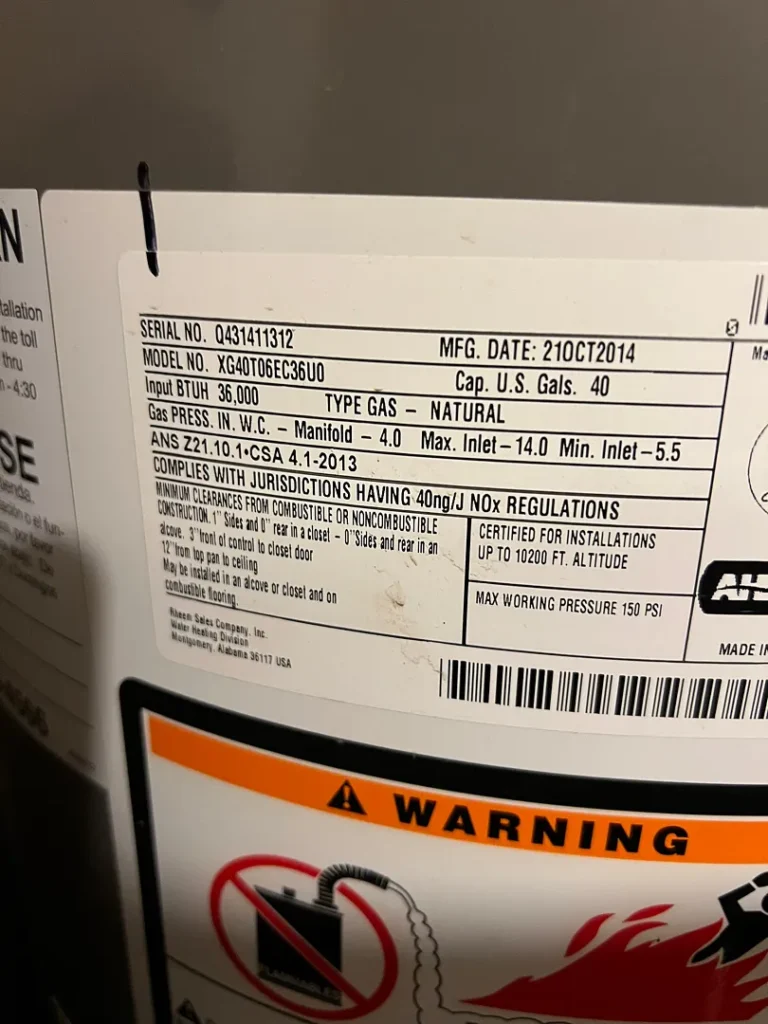
Water Heater Not Working - Louisville
Problem:Clean out heater and try to restart
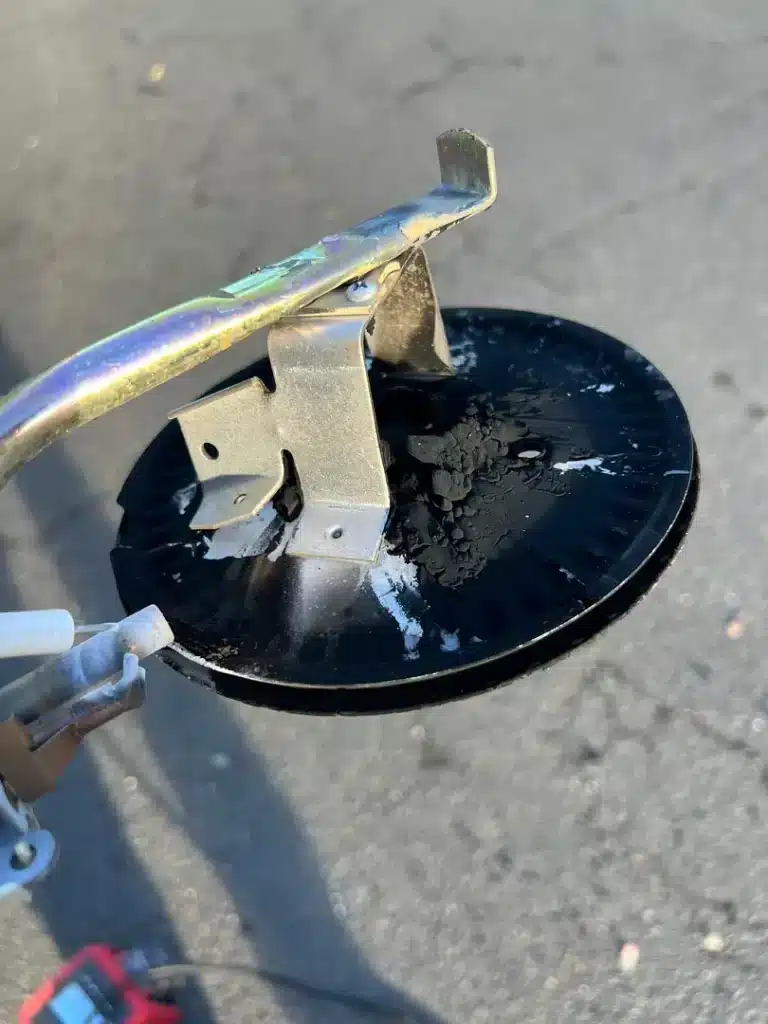
Found:Noticed it was badly sooted up. Scraped all the soot and blew out the main burner and pilot with my compressor.
Fixed:Cleaned the ignition sparker to remove carbon build up. 4.Reassembled all parts. Tried to relight but still main burner was snuffed out after 3 seconds. Could not get the pilot light to stal lit any further.
Environmental Conditions & Water Heater Implications
Louisville's Front Range location creates environmental conditions that directly affect water heater performance and longevity. Understanding these factors helps homeowners make informed decisions about maintenance and replacement.
Water Quality Characteristics
Louisville receives water from multiple sources including the Northern Colorado Water Conservancy District. The water supply characteristics affect your water heater in specific ways:
Mineral hardness – Louisville's water contains calcium and magnesium that precipitate out when heated, forming scale deposits on tank walls and heating elements
pH levels – slightly alkaline water accelerates certain corrosion processes, making anode rod maintenance particularly relevant
Seasonal variations – source water temperature and mineral content fluctuate seasonally, affecting heating demands and scale formation rates
Climate Impact on Water Heaters
Louisville experiences a semi-arid continental climate with significant daily and seasonal temperature variations:
Winter cold – incoming water temperatures drop dramatically, increasing heating demands and energy consumption; garage-installed units face additional stress from ambient cold
Summer heat – attic and garage temperatures can exceed 120°F, affecting relief valve operation and control component lifespan
Rapid temperature swings – Louisville commonly experiences 40-50 degree temperature changes within 24 hours, stressing tank seams and connections through repeated expansion and contraction
Elevation Effects
At approximately 5,300 feet elevation, Louisville's atmospheric conditions affect water heater operation:
Lower air pressure affects gas combustion efficiency – burners may require altitude-specific orifices
Water boils at approximately 202°F rather than 212°F, affecting pressure relief valve specifications
Reduced oxygen density can affect draft in atmospheric-vented gas water heaters
These environmental factors make professional installation and maintenance particularly valuable – proper setup accounts for Louisville's specific conditions rather than applying sea-level assumptions.
Louisville Water Quality Data and Infrastructure
Louisville's water supply comes primarily from the Colorado-Big Thompson Project through the Northern Colorado Water Conservancy District, supplemented by local sources. The city's 2023 Water Quality Report indicates total hardness levels averaging 120-180 mg/L – classified as moderately hard to hard water. This mineral content directly affects water heater performance and longevity.
The practical impact of Louisville's water hardness becomes apparent inside water heaters. At these mineral concentrations, scale accumulation on heating elements and tank bottoms occurs steadily. Industry data suggests that 1/8 inch of scale buildup can reduce water heater efficiency by up to 12% – meaning Louisville homeowners with unmaintained water heaters often pay significantly more in energy costs while receiving less hot water.
Infrastructure Age and Water Heater Implications
Municipal water system – Louisville's distribution system includes pipes installed across several decades; older sections may contribute additional sediment that accumulates in water heater tanks
Average home age – many Louisville homes are 25-40 years old, meaning original water heaters have exceeded their expected lifespan
Gas infrastructure – Xcel Energy serves Louisville with natural gas; seasonal pressure variations and aging service lines can affect water heater burner performance
Electrical grid – mountain storm activity causes power fluctuations that can damage electronic ignition systems and digital water heater controls
What This Means for Louisville Homeowners
These local infrastructure characteristics create specific service needs:
Annual sediment flushing becomes more valuable given water hardness levels
Anode rod inspection should occur every 2-3 years rather than the 5-year intervals sometimes recommended for softer water areas
Water heater replacement planning should begin around year 8-10 rather than waiting for complete failure
Surge protection for electric water heaters helps prevent storm-related control damage
Cardom Plumbing & Heating factors these Louisville-specific conditions into every water heater service recommendation, ensuring solutions match your actual local environment rather than generic national guidelines.
Common signs include inconsistent water temperature, strange noises coming from the unit, and visible leaks around the tank. If you notice your hot water running out quickly or if the water appears rusty, these could also indicate that your water heater needs attention.
Most water heaters last between 8 to 12 years, depending on the type and maintenance. Regular maintenance can extend the lifespan, while neglecting service can lead to premature failure.
In Louisville, you can find both tank-style and tankless water heaters. Tank-style units store hot water in a tank, while tankless models heat water on demand, providing a continuous supply without the need for storage.
To enhance efficiency, consider regular maintenance such as flushing the tank to remove sediment buildup, insulating the tank and pipes, and setting the thermostat to a lower temperature. Upgrading to a more energy-efficient model can also help reduce utility costs.
If your water heater is leaking, turn off the power supply and the water supply to the unit immediately. It's best to contact a professional plumber to assess the situation and determine whether it can be repaired or needs replacement.
Yes, Louisville's hard mineral water can lead to sediment buildup and corrosion in water heaters. Additionally, the area's temperature fluctuations can stress the components, making regular maintenance even more important.
You can find water heater services in Louisville through local plumbing companies. Many offer installation, repair, and maintenance services tailored to the specific needs of homes in the area.