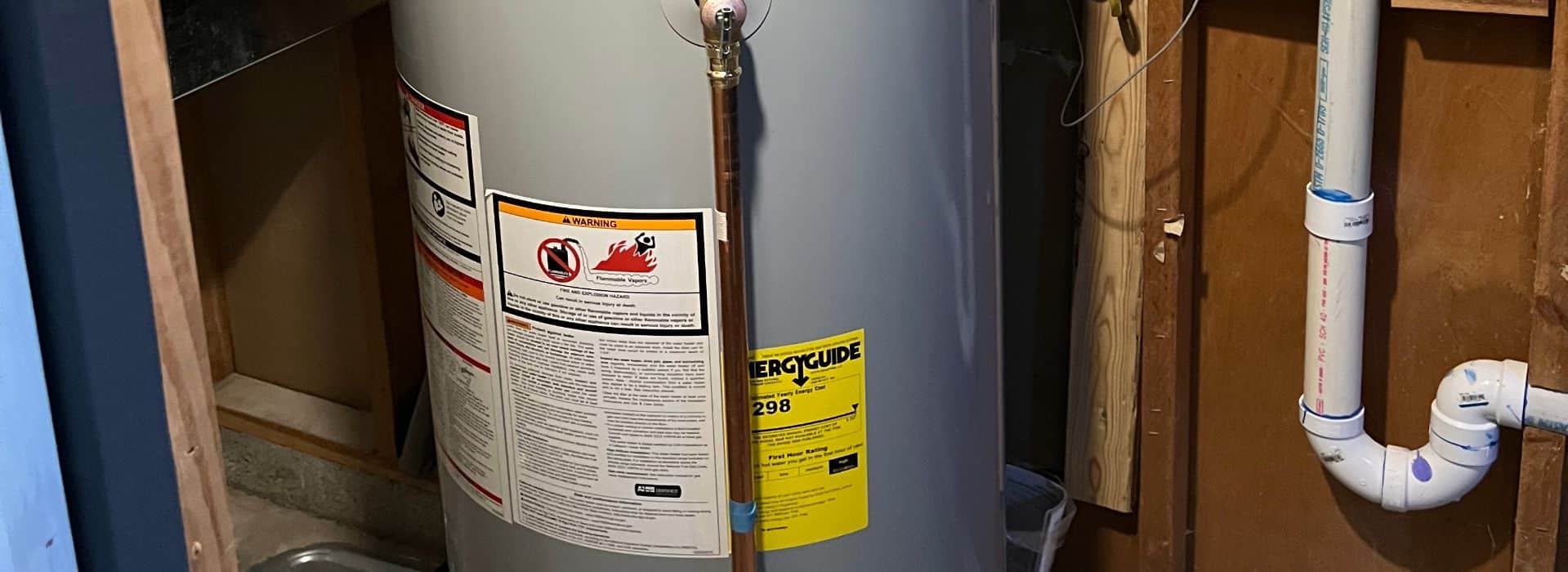
In Glendale, CO, water heater issues can arise from unique environmental factors, necessitating professional service for effective diagnosis and repair. Cardom Plumbing & Heating offers comprehensive water heater services tailored to the specific needs of local residents.
They provide routine maintenance, efficiency optimization, and complete system replacements. Professional diagnosis helps identify root causes of problems rather than just treating symptoms. Understanding local conditions like altitude and water quality is essential for effective service.
Water Heater Services in Glendale, CO That morning shower turning cold halfway through.
The kitchen sink running lukewarm when you need hot water for dishes.
What does a malfunctioning water heater indicate in Glendale, CO?
A malfunctioning water heater in Glendale, CO often indicates issues such as sediment buildup, thermostat problems, or heating element failures. These problems can lead to inconsistent water temperatures, affecting daily activities like showering and dishwashing. Understanding these issues is essential for timely repairs and maintaining hot water availability.
Water Heater Services in Glendale, CO
That morning shower turning cold halfway through. The kitchen sink running lukewarm when you need hot water for dishes. These frustrations signal something's happening with your water heater – and in Glendale's unique environment, understanding why matters as much as fixing the problem itself.
Water heater service encompasses everything from routine maintenance and efficiency optimization to complete system replacement. Whether you're dealing with a traditional tank-style unit or a modern tankless system, professional diagnosis identifies root causes rather than just treating symptoms. This distinction becomes particularly relevant in Glendale, where altitude, mineral-rich water, and temperature extremes create specific demands on heating equipment.
Why Professional Water Heater Diagnosis Matters
A water heater that's underperforming might have sediment buildup, a failing heating element, thermostat issues, or pressure problems. Without proper diagnostic equipment and training, homeowners often replace components that weren't actually failing – or worse, miss warning signs of dangerous conditions like gas leaks or tank corrosion.
Accurate identification of efficiency losses and their causes
Safety evaluation of gas connections, venting, and pressure relief systems
Assessment of remaining equipment lifespan and repair-versus-replace decisions
Optimization recommendations based on household usage patterns and local water conditions
Glendale sits at approximately 5,300 feet elevation within the Denver metropolitan area, which affects water boiling points and heating system performance. The area's water supply carries dissolved minerals that accumulate inside tanks and on heating elements over time. Combined with the region's dramatic temperature swings – from summer heat to winter freezes – water heaters here face challenges that coastal or low-altitude systems simply don't encounter.
Cardom Plumbing & Heating provides Water Heater services in all neighborhoods of Glendale including Bellaire Plaza, Glendale, and The Birch.
Glendale's compact urban footprint contains a mix of residential buildings ranging from mid-century apartments to newer construction. This diversity means water heater issues vary significantly based on building age, system type, and installation quality. However, certain problems appear repeatedly across the community due to shared environmental factors.
The Denver Water supply serving Glendale originates from mountain snowmelt and reservoir systems. While treated and safe, this water contains calcium and magnesium that precipitate out when heated. Inside your water heater tank, these minerals form scale deposits that reduce heating efficiency, create noise, and eventually cause premature failure. Tankless units aren't immune either – scale buildup restricts flow through heat exchangers and triggers error codes.
Local Factors Affecting Water Heater Performance
Altitude effects: Water boils at approximately 202°F at Glendale's elevation, which changes pressure dynamics inside sealed tanks and affects thermostat calibration
Hard water mineral content: Denver Water reports moderate hardness levels that accelerate sediment accumulation in tank-style heaters
Temperature extremes: Incoming cold water temperatures drop significantly during winter, forcing heaters to work harder and longer to reach set temperatures
Aging infrastructure: Many Glendale buildings date from the 1960s through 1980s, with original or outdated water heating equipment still in service
Mixed building types: Commercial-residential proximity means varied gas line pressures and electrical service configurations
Compact lot sizes: Limited space often results in water heaters installed in tight locations with inadequate ventilation or access
Warning Signs Glendale Residents Should Watch For
Catching water heater problems early prevents emergency failures and water damage. Pay attention to these indicators:
Rumbling, popping, or banging sounds during heating cycles – typically sediment buildup
Rusty or discolored hot water, especially after the system sits unused
Fluctuating water temperatures or inability to maintain set temperature
Visible moisture, corrosion, or mineral deposits around tank base or connections
Pilot light that won't stay lit or repeatedly goes out
Significant increase in gas or electric bills without usage changes
Hot water running out faster than it used to
Seasonal timing matters too. Winter months stress water heaters most heavily – incoming water temperatures can drop 20-30 degrees compared to summer, dramatically increasing recovery time and energy consumption. Many failures occur during cold snaps when systems are working hardest.
Our approach to water heater service begins with understanding what you're experiencing and ends with a system you can rely on. We've developed systematic processes that address both immediate concerns and underlying conditions specific to Glendale properties.
Our Water Heater Service Process
Initial assessment and history review: We discuss your symptoms, hot water usage patterns, system age, and any previous repairs or maintenance
Comprehensive system inspection: Visual examination of the tank or unit, connections, venting, and surrounding area for signs of wear, damage, or code violations
Diagnostic testing: Temperature readings at multiple points, pressure checks, combustion analysis for gas units, and element testing for electric models
Water quality evaluation: Assessment of sediment levels, anode rod condition, and mineral accumulation affecting performance
Findings presentation: Clear explanation of what we found, what it means, and your options – repair, maintenance, or replacement
Service execution: Completion of agreed-upon work with attention to manufacturer specifications and local codes
Testing and verification: Operational testing to confirm proper function, safety checks, and temperature verification
Documentation and recommendations: Written summary of work performed plus maintenance suggestions for extended equipment life
Methods and Techniques We Use
Tank flushing and sediment removal: Clearing accumulated minerals that reduce efficiency and cause noise
Anode rod inspection and replacement: This sacrificial component protects your tank from corrosion – when it's depleted, your tank becomes vulnerable
Thermostat calibration: Adjusting temperature settings for accuracy and efficiency at Glendale's altitude
Element replacement: For electric units with failed or degraded heating elements
Gas valve and burner service: Cleaning, adjustment, and replacement of combustion components
Expansion tank installation: Managing thermal expansion in closed-loop systems to prevent pressure damage
Venting evaluation and correction: Proper exhaust venting is critical for safety and efficiency in gas-fired units
Tankless descaling: Chemical flush procedures to remove scale from heat exchangers
Communication and Quality Control
We explain findings in plain language before recommending any work. You'll understand what's happening with your system and why specific repairs or replacements make sense. After service completion, we test thoroughly – checking temperatures, monitoring for leaks, and verifying safety controls function correctly.
Why Choose Cardom Plumbing & Heating
Glendale residents have options when water heater problems arise. What separates Cardom Plumbing & Heating from other providers comes down to local expertise, technical capability, and how we treat the people we serve.
Qualifications and Technical Expertise
Our technicians hold current licensing for plumbing and gas work in Colorado. We maintain manufacturer certifications for major water heater brands including Rheem, A.O. Smith, Bradford White, Rinnai, and Navien. This training matters – modern water heaters include sophisticated controls and safety systems that require specific knowledge to service properly.
Licensed master plumbers on staff
Gas fitting certifications for all combustion appliance work
Ongoing technical training as equipment technology evolves
Proper insurance coverage protecting your property
Local Knowledge and Availability
We understand Glendale's building stock – the 1970s apartment complexes with original water heaters, the commercial buildings with high-demand systems, and the newer construction with tankless installations. This familiarity means faster diagnosis and appropriate solutions rather than generic recommendations.
When your water heater fails, waiting days for service isn't acceptable. We prioritize responsive scheduling and maintain parts inventory for common repairs. Emergency situations receive same-day attention whenever possible.
Our Service Commitment
Upfront pricing before work begins – no surprises
Clean work practices that respect your property
Follow-up to confirm satisfaction and system performance
Honest assessment when repair isn't cost-effective
Housing Characteristics & Water Heater Considerations
Glendale occupies just over 0.3 square miles, making it one of Colorado's smallest municipalities by area. Despite its compact size, the city contains diverse building types that create varied water heater service requirements.
Building Age and Construction Patterns
Much of Glendale's residential construction dates from the 1960s through 1980s, coinciding with the area's development as an entertainment and commercial district surrounded by housing. These properties often feature:
Original galvanized or copper supply lines: Older piping affects water quality reaching the heater and may restrict flow
Utility closet installations: Water heaters tucked into small spaces with limited ventilation and access
Atmospheric-vent gas units: Older venting technology that's less efficient than modern power-vent or direct-vent systems
40-gallon standard tanks: Sizing that may not match current occupancy or usage patterns
Multi-Family Housing Considerations
Glendale's housing mix includes significant multi-family inventory – apartments, condominiums, and townhomes. These properties present specific water heater challenges:
Shared mechanical rooms requiring coordination with property management
Central hot water systems serving multiple units
Recirculation loops that affect temperature and efficiency
HOA or building regulations governing equipment replacement
Newer Construction and Renovations
Recent development and renovation projects in Glendale often incorporate tankless water heaters, high-efficiency tank units, or hybrid heat pump models. These systems require different maintenance approaches and specialized service knowledge. Gas supply sizing, electrical requirements, and venting configurations differ substantially from traditional equipment.
Environmental Conditions & Water Heater Implications
Glendale's environmental conditions directly impact water heater performance, longevity, and service requirements. Understanding these factors helps explain why certain problems occur and how to prevent them.
Water Quality Characteristics
Denver Water supplies Glendale's municipal water, drawing from mountain watersheds and treating it at facilities before distribution. Key characteristics affecting water heaters include:
Moderate hardness: Calcium and magnesium levels range from 50-150 mg/L depending on source blend, contributing to scale formation
Low turbidity: Clean water with minimal suspended particles, reducing sediment from external sources
Chloramine disinfection: More stable than chlorine but can affect certain rubber components over time
Seasonal variation: Water chemistry shifts slightly between seasons as source blends change
Scale accumulation remains the primary water quality concern for water heaters in this area. Annual flushing and periodic anode rod replacement help manage mineral buildup effectively.
Climate Impacts on Water Heating Systems
Glendale experiences Colorado's semi-arid continental climate with significant seasonal temperature variation. Winter lows regularly reach single digits, while summer highs exceed 90°F. This range affects water heaters in several ways:
Incoming water temperature swings: Ground temperature variations mean incoming cold water ranges from near 40°F in winter to 65°F or higher in summer – a 25+ degree difference your heater must overcome
Freeze risk for exterior components: Outdoor tankless units, exposed supply lines, and pressure relief discharge pipes require freeze protection
Thermal expansion stress: Daily temperature cycling causes repeated expansion and contraction of tank components
Combustion air considerations: Cold, dense winter air affects gas burner performance and efficiency
Altitude Effects
At 5,300 feet elevation, atmospheric pressure is approximately 17% lower than at sea level. This affects water heater operation in subtle but measurable ways – lower boiling points, different pressure dynamics in sealed systems, and combustion characteristics that require altitude-adjusted equipment. Gas appliances installed in Glendale should be configured for high-altitude operation, with appropriately sized orifices and adjusted gas pressure settings.
Water Quality and Infrastructure Data for Glendale
Denver Water's annual water quality reports provide valuable insight into conditions affecting Glendale water heaters. The utility serves approximately 1.5 million people across the metropolitan area, including Glendale, through an extensive treatment and distribution network.
Key Water Quality Metrics
Total hardness: Averages 75-120 mg/L as calcium carbonate – classified as moderately hard
pH levels: Maintained between 7.0-8.5, slightly alkaline to reduce pipe corrosion
Total dissolved solids: Typically 100-200 mg/L, within acceptable ranges but contributing to mineral deposits
Temperature at treatment: Varies seasonally from approximately 35°F to 70°F before distribution
Distribution System Considerations
Glendale's water distribution infrastructure includes mains of varying ages and materials. Some sections date to the area's original development, while others have been upgraded or replaced. Older ductile iron and cast iron mains can contribute trace amounts of iron to water – not a health concern, but potentially visible as slight discoloration, particularly in hot water that's been sitting in tanks.
The compact nature of Glendale's service area means relatively short distribution distances from main transmission lines. This generally results in consistent pressure and temperature throughout the community. However, properties at the end of distribution loops or on smaller service lines may experience pressure fluctuations that affect water heater fill rates and performance.
How This Data Impacts Water Heater Service
Understanding local water quality helps us recommend appropriate maintenance intervals and equipment choices. For Glendale properties, we typically suggest:
Annual tank flushing to remove accumulated sedite
Anode rod inspection every 2-3 years, with replacement when significantly depleted
Consideration of water softening or conditioning for properties with particularly hard water
Tankless descaling every 1-2 years depending on usage volume
Expansion tank installation where thermal expansion causes pressure relief valve discharge
These recommendations reflect real conditions in Glendale rather than generic manufacturer guidelines written for average national water quality. Tailoring maintenance to local factors extends equipment life and maintains efficiency throughout the system's service years.
Common signs include inconsistent water temperatures, strange noises coming from the unit, and visible leaks. If your hot water runs out quickly or you notice a decrease in water pressure, these could also indicate a problem that requires attention.
It's recommended to have your water heater serviced at least once a year. Regular maintenance can help identify potential issues early, improve efficiency, and extend the lifespan of the unit.
Typically, a traditional tank water heater lasts about 10 to 15 years, while tankless models can last up to 20 years with proper maintenance. Factors like water quality and usage patterns can influence the lifespan.
Yes, hard water can lead to mineral buildup inside the tank, which reduces heating efficiency and can cause premature failure. Regular flushing and maintenance can help mitigate these effects.
If you notice a leak, it's important to turn off the power supply and water supply to the unit immediately. Then, contact a professional plumber to assess the situation and determine whether repair or replacement is necessary.
Tankless water heaters can be more energy-efficient and provide hot water on demand, which can save space and reduce energy costs over time. However, the initial investment is higher, so it's essential to evaluate your household's hot water needs.
You can find reliable water heater services by searching online for local plumbing companies, checking reviews, and asking for recommendations from friends or neighbors. Make sure to choose a service that specializes in water heater repair and maintenance.