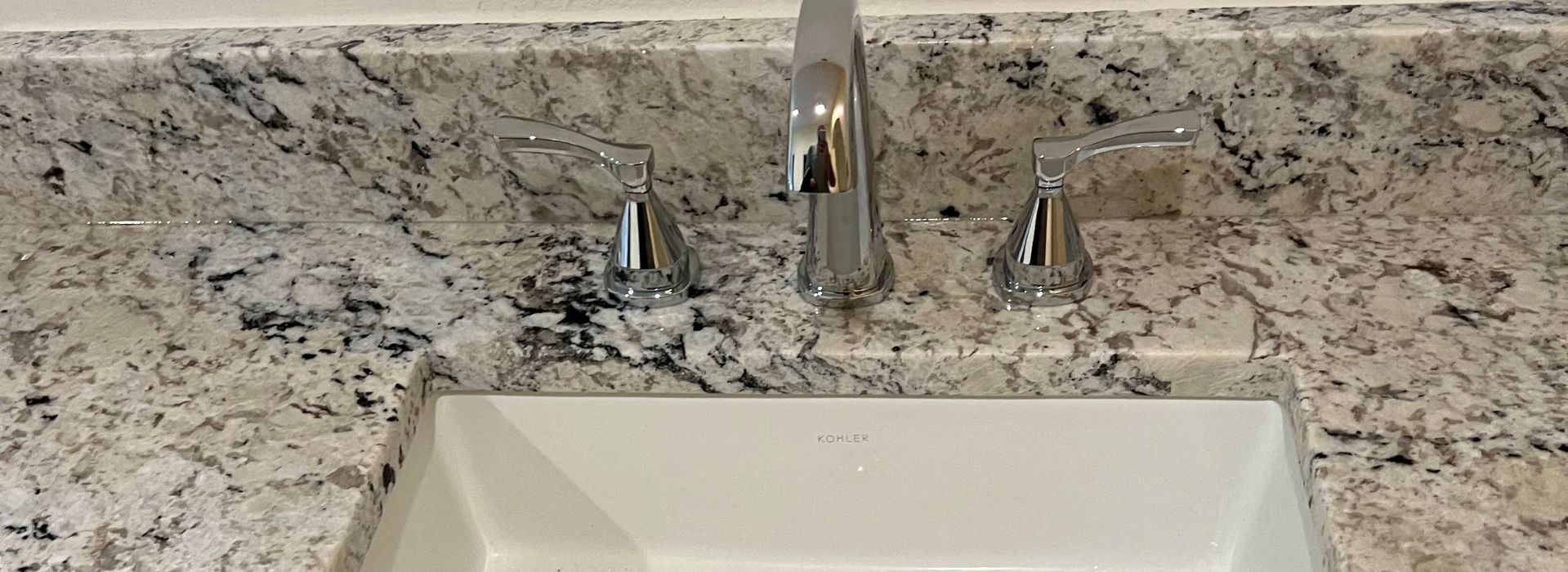
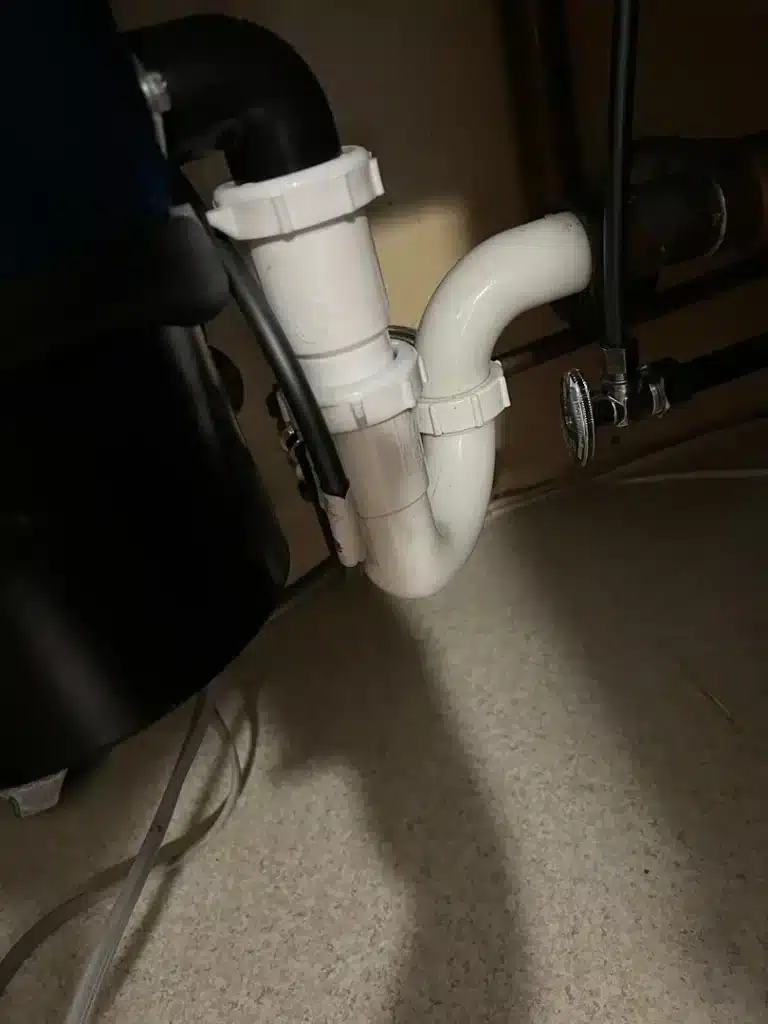
Cardom Plumbing & Heating offers expert sink plumbing services in Boulder, CO, addressing common issues like slow drains and leaks with a focus on local conditions. Their trained technicians diagnose problems accurately and provide tailored solutions for various plumbing systems.
They specialize in diagnosing sink plumbing issues that may indicate deeper problems, such as corroded pipes or improper venting. Cardom Plumbing & Heating uses advanced techniques like video inspections and hydro-jetting to resolve stubborn clogs effectively.
The company is familiar with Boulder’s unique plumbing challenges, including hard water effects and aging infrastructure, ensuring appropriate solutions for local homes.
With a commitment to clear communication and quality workmanship, they provide upfront estimates and follow-up support to ensure customer satisfaction.
What are common sink plumbing problems?
Common sink plumbing problems include slow drains, persistent leaks from faucets, and clogs caused by food debris or grease buildup. These issues often arise unexpectedly, causing inconvenience during busy times such as holiday preparations or daily routines. Addressing these problems promptly can help maintain a functional and efficient plumbing system.
Sink Plumbing Services in Boulder, CO
That slow drain in your kitchen sink isn't going to fix itself. Neither is the persistent drip from your bathroom faucet that's been keeping you awake at night. Sink plumbing problems have a way of announcing themselves at the worst possible times – right before holiday guests arrive, during your morning rush, or when you're elbow-deep in dinner prep.
Sink plumbing encompasses every component that brings water to your basin and carries wastewater away. This includes supply lines, shut-off valves, faucet assemblies, drain pipes, P-traps, garbage disposals, and the connections that tie everything together beneath your countertop. When any single element fails, the entire system can grind to a halt.
Professional diagnosis matters because sink issues often mask deeper problems. What appears to be a simple clog might actually indicate corroded pipes, improper venting, or municipal water pressure fluctuations common in Boulder's foothills neighborhoods. A trained plumber identifies root causes rather than applying temporary fixes that fail within weeks.
Boulder presents unique challenges for sink plumbing systems:
Hard water with high mineral content accelerates fixture wear and creates stubborn buildup inside pipes
Older homes in Mapleton Hill and University Hill often contain original galvanized steel supply lines approaching end-of-life
Dramatic temperature swings between day and night stress pipe connections and seals
High altitude affects water pressure regulation and can impact garbage disposal performance
Cardom Plumbing & Heating brings specialized knowledge of these local conditions to every sink repair and installation throughout Boulder County.
Cardom Plumbing & Heating provides Sink Plumbing services in all neighborhoods of Boulder including Arapahoe Ridge, Dakota Ridge, East Aurora, Frazier Meadows, Goss-Grove, Holiday, Keewaydin, Martin Acres, Meadow Glen, Park East, Promontory North, Table Mesa, The Hill, The Promontory, Washington Village, and Wonderland Hills.
Boulder's water originates primarily from snowmelt collected in the Boulder Creek watershed and treated at the Betasso Water Treatment Facility. While this mountain water tastes excellent, it carries dissolved minerals that deposit inside pipes, aerators, and valve seats over time. These calcium and magnesium deposits – visible as white crusty buildup around faucet bases – gradually restrict water flow and damage internal components.
The city's housing stock spans more than a century of construction methods and plumbing materials. Downtown Victorian homes may still have cast iron drain stacks. Mid-century ranches in Martin Acres often feature copper supply lines with brass fittings. Newer developments in Gunbarrel and north Boulder use PEX and ABS plastic. Each material responds differently to local water chemistry and temperature extremes.
Seasonal Timing Factors
Winter brings the most urgent sink plumbing emergencies. Pipes running through exterior walls or unheated crawl spaces face freeze risk when overnight temperatures plunge below zero – a regular occurrence from December through February. Spring snowmelt can overwhelm aging sewer connections, causing drain backups. Summer construction season increases sediment in municipal lines, which can clog aerators and damage cartridges.
Local Factors Affecting Boulder Sinks
Mineral-rich water supply – Creates scale buildup that clogs aerators, damages cartridge seals, and restricts drain flow
Our approach to sink plumbing combines systematic diagnostics with practical repair strategies suited to Boulder's specific conditions. We don't guess – we investigate, identify, and resolve.
Our Sink Service Process
Initial Assessment – We examine the visible components, test water flow and drainage, and listen for abnormal sounds that indicate hidden problems
Diagnostic Investigation – Using inspection cameras for drain lines and pressure testing for supply systems, we pinpoint exact failure points
Options Presentation – We explain findings in plain language and present repair versus replacement options with honest recommendations
Skilled Repair or Installation – Our technicians execute the agreed-upon solution using quality materials appropriate for Boulder's water conditions
System Testing – We verify proper function under actual use conditions before considering any job complete
Documentation and Guidance – You receive information about what was done and maintenance recommendations to extend system life
Methods and Techniques We Employ
Video drain inspection – Fiber-optic cameras reveal blockages, pipe damage, and connection failures without destructive exploration
Hydro-jetting – High-pressure water clears stubborn mineral deposits and grease buildup that snaking can't remove
Leak detection equipment – Electronic sensors and thermal imaging locate hidden leaks behind walls and under floors
Pressure testing – We verify supply line integrity and identify failing shut-off valves before they cause flooding
Water quality assessment – Testing helps determine whether filtration or treatment would protect your fixtures
Communication Practices
You'll know what's happening at every stage. We call ahead with arrival windows. Our technicians explain findings using photos and video when helpful. We provide written estimates before beginning work and answer questions until you're satisfied with your understanding. After service, we're available for follow-up questions – your sink problem doesn't end when we leave if you still have concerns.
Why Choose Cardom Plumbing & Heating
Licensed, bonded, and insured – these baseline qualifications protect you. Beyond credentials, Cardom Plumbing & Heating brings decades of combined experience specifically in Boulder County. Our technicians have worked on everything from historic Pearl Street properties to contemporary homes in the Flatirons development. This local experience means faster diagnosis and appropriate solutions.
We stock parts and materials suited to Boulder's conditions. That means faucet cartridges rated for hard water, supply lines with reinforced connections for temperature cycling, and drain components sized for proper venting at altitude. Generic parts from big-box stores often fail prematurely here – we select components that last.
What Sets Us Apart
Responsive scheduling – Same-day and next-day appointments available for urgent sink issues
Upfront communication – No surprise charges; you approve costs before work begins
Workmanship backing – We stand behind our repairs and return if problems recur
Clean work practices – Drop cloths, shoe covers, and thorough cleanup are standard
Continuing education – Our team stays current on plumbing codes, materials, and techniques
We've built our reputation serving Boulder families and businesses. Our trucks are a familiar sight in neighborhoods from North Boulder to Table Mesa, from Newlands to Wonderland Hills. When your neighbor recommends a plumber, there's a good chance they're talking about us.
Boulder's residential landscape reflects waves of development spanning 150 years. Each era brought different plumbing standards, materials, and installation practices – all of which affect sink systems today.
Historic Properties (Pre-1940)
Homes in Mapleton Hill, Whittier, and downtown Boulder often retain original plumbing elements:
Cast iron drain stacks with lead-caulked joints
Galvanized steel supply lines with threaded connections
Wall-mounted sinks with exposed chrome supply tubes
Drum traps instead of modern P-traps
Minimal or absent shut-off valves at individual fixtures
These systems require careful handling. Aggressive snaking can damage fragile drain lines. Replacement parts may need custom fabrication. Upgrades must respect historic preservation requirements in designated districts.
Mid-Century Construction (1945-1975)
Post-war expansion created neighborhoods like Martin Acres, Frasier Meadows, and Table Mesa. Common characteristics include:
Copper supply lines – generally durable but developing pinhole leaks after 50+ years
ABS or early PVC drain lines
Single-handle faucets with cartridge or ball-type valves
Garbage disposals becoming standard in kitchens
Under-sink shut-off valves – though often corroded and non-functional today
Modern Construction (1990-Present)
Newer developments in Gunbarrel, North Boulder, and east county feature contemporary materials:
PEX supply lines with push-fit or crimp connections
Schedule 40 PVC drain systems
Water-efficient faucets with ceramic disc cartridges
Even newer homes develop sink issues. Builder-grade fixtures often use lower-quality internal components that fail within 5-10 years. Poor installation practices – kinked supply lines, improperly sloped drains – create problems regardless of material quality.
Boulder's municipal water meets or exceeds all federal and state standards, but its chemistry affects plumbing systems. The city's annual water quality reports consistently show:
Moderate hardness – Typically 80-120 mg/L calcium carbonate, enough to cause gradual scale accumulation
Low turbidity – Excellent clarity, though spring runoff can temporarily increase sediment
Chlorine treatment – Residual chlorine protects against bacteria but can degrade rubber seals over time
Slightly alkaline pH – Generally 7.5-8.5, which reduces pipe corrosion but accelerates mineral deposition
For sink fixtures, this water chemistry means aerator screens clog with mineral deposits, faucet cartridge seals harden and crack, and drain pipes gradually narrow from scale buildup. Regular maintenance extends fixture life significantly.
Soil and Drainage Effects
Boulder sits at the transition between mountain geology and plains clay soils. Western neighborhoods rest on rocky substrates with good drainage. Eastern areas – particularly near the Boulder Valley – feature expansive clay that swells when wet and shrinks when dry. This seasonal soil movement can:
Shift drain line connections, creating leaks or improper slope
Stress foundation penetrations where pipes enter the home
Cause settling that affects under-slab plumbing
Impact sewer line connections at the property line
Climate Impacts
Boulder's semi-arid climate with intense sun, low humidity, and dramatic temperature swings creates specific plumbing challenges:
Freeze protection – Exterior hose bibs, pipes in unheated spaces, and supply lines in exterior walls face freeze risk approximately 120 nights per year
UV degradation – Exposed plastic components deteriorate faster at altitude due to increased ultraviolet radiation
Thermal expansion – Daily temperature swings of 30-40 degrees stress pipe connections and can loosen fittings
Low humidity – Rubber gaskets and seals dry out faster, shortening their service life
Understanding these environmental factors allows us to select appropriate materials and installation methods that perform reliably in Boulder's demanding conditions.
Boulder Water Infrastructure and Municipal System Data
Boulder operates one of Colorado's most sophisticated municipal water systems, drawing primarily from the Boulder Creek watershed supplemented by Colorado-Big Thompson Project water. The Betasso Water Treatment Facility processes approximately 10 billion gallons annually, serving roughly 105,000 residents plus commercial and institutional users. This infrastructure directly impacts every sink in the city.
The distribution system includes over 400 miles of water mains ranging from 4-inch residential lines to 36-inch transmission mains. Pipe materials vary by installation era:
Pre-1960 installations – Cast iron mains, some with lead service connections to older homes
1960-1990 installations – Ductile iron and early PVC mains
Recent installations – High-density polyethylene and modern PVC
The city maintains system pressure between 40-80 PSI throughout most neighborhoods. However, properties in the foothills and western Boulder may experience higher pressures requiring pressure-reducing valves. Homes at lower elevations near Boulder Creek sometimes see pressure fluctuations during peak demand periods.
Infrastructure Age and Replacement Priorities
Boulder's Utilities Division has identified aging infrastructure as a priority concern. According to city planning documents, significant portions of the water distribution system exceed 50 years of age. The ongoing replacement program addresses approximately 1-2% of the system annually. During main replacement projects, temporary service interruptions and pressure changes can affect sink performance and introduce sediment into home plumbing systems.
For homeowners, this aging infrastructure means:
Periodic water main breaks can introduce sediment that clogs aerators and damages cartridges
Pressure fluctuations stress fixture components and can cause water hammer
Older service lines connecting homes to mains may contain lead or deteriorating materials
Water quality can vary during system maintenance and flushing operations
Cardom Plumbing & Heating stays informed about municipal infrastructure projects affecting our service area. When we diagnose sink problems, we consider whether recent system work or known infrastructure issues might be contributing factors – saving you from unnecessary repairs when the real cause lies outside your property.
Common signs include slow drainage, persistent leaks, unusual noises from the pipes, and water backing up into the sink. If you notice any of these issues, it's best to address them promptly to avoid further damage.
To prevent clogs, avoid putting grease, coffee grounds, and large food particles down the drain. Regularly flushing the sink with hot water and using a drain strainer can also help keep your pipes clear.
If your bathroom sink is leaking, first turn off the water supply to prevent further damage. Then, check for loose connections or damaged washers. If the problem persists, it's advisable to contact a professional plumber for a thorough inspection.
It's a good idea to have your sink plumbing inspected at least once a year. Regular inspections can help identify potential issues before they become major problems, especially in areas with hard water like Boulder.
A slow-draining sink can be caused by a buildup of debris in the pipes, a clogged P-trap, or issues with the venting system. A professional plumber can diagnose the issue and recommend the best solution.
Hiring a professional plumber ensures that the diagnosis is accurate and that repairs are done correctly. Professionals have the tools and expertise to address underlying problems that may not be immediately visible.
You can find reliable sink plumbing services in Boulder by searching online for local plumbing companies, checking reviews, and asking for recommendations from friends or neighbors. Cardom Plumbing & Heating specializes in sink plumbing in the Boulder area.