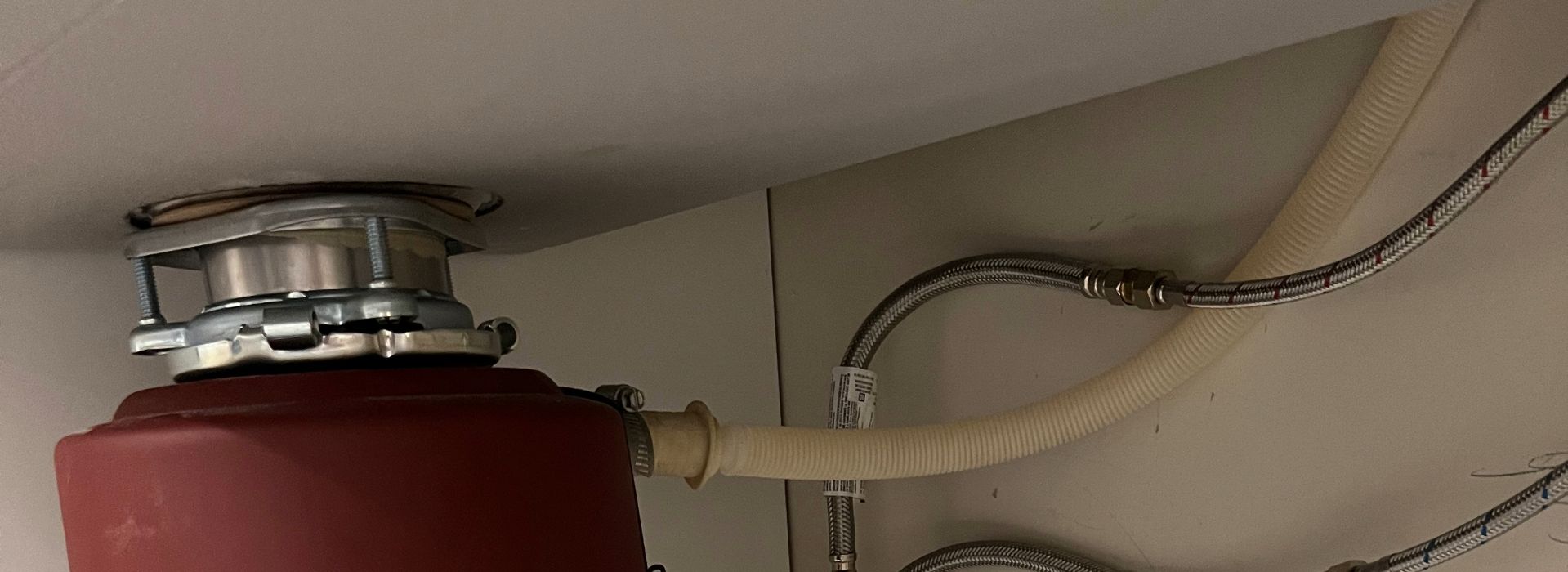
Garbage disposal installation in Edgewater, CO is essential for maintaining efficient kitchen operations. The process requires careful assessment and professional expertise to ensure proper functionality and safety.
Installation involves precise electrical connections and secure mounting to prevent leaks and failures.
Edgewater's unique plumbing configurations and mineral-rich water necessitate tailored solutions for each home.
Licensed plumbers ensure compliance with local codes and provide upfront pricing with follow-up support.
What is the importance of garbage disposal installation in Edgewater, CO?
Garbage disposal installation in Edgewater, CO is essential for maintaining efficient kitchen operations. A reliable garbage disposal helps manage food waste effectively, preventing clogs and ensuring smooth drainage. This installation is crucial for households that prioritize cleanliness and convenience during meal preparation, making it a necessary component in modern kitchens.
Garbage Disposal Installation in Edgewater, CO
That grinding halt, the hum without action, or worse – the complete silence when you flip the switch. Your garbage disposal has reached the end of its working life, and now food waste is piling up in your sink while you consider your options. In Edgewater's active kitchens, a reliable garbage disposal isn't a luxury – it's a daily necessity that keeps meal prep efficient and drains flowing freely.
Garbage disposal installation involves far more than simply sliding a unit under your sink. The process requires precise electrical connections, secure mounting to your sink flange, proper alignment with your drain system, and integration with your dishwasher discharge line if applicable. When installed correctly, your new disposal becomes a seamless part of your kitchen's plumbing infrastructure.
Professional installation matters because improper connections create problems that compound over time. Edgewater homes face specific challenges – from the mineral-rich water that flows through Denver Water's system to the varied plumbing configurations found across the neighborhood's mix of housing ages. A disposal that isn't properly seated or wired can leak, trip breakers, or fail prematurely.
Proper electrical grounding and connection prevents shock hazards and circuit issues
Correct mounting eliminates vibration damage and seal failures
Appropriate unit sizing matches your household's food waste volume
Professional drain alignment prevents clogs and backup issues
Cardom Plumbing & Heating provides Garbage Disposal Installation services in all neighborhoods of Edgewater including Terra Village.
Edgewater sits in a unique position along the western edge of Denver, where infrastructure from multiple eras converges. Homes built in the 1940s through 1960s dominate many blocks, featuring original cast iron drain lines and older electrical systems that weren't designed with modern garbage disposals in mind. These aging systems create specific installation challenges that require careful assessment before any new unit goes in.
The Denver metro area's water contains dissolved minerals that accumulate inside disposal units and drain pipes over time. This mineral buildup accelerates wear on grinding components and can narrow drain passages, making proper installation angle and drainage pitch more significant here than in regions with softer water.
Local Factors Affecting Garbage Disposal Performance
Hard water mineral content – Calcium and magnesium deposits coat internal components, reducing grinding efficiency and shortening unit lifespan
Temperature extremes – Colorado's swing from summer heat to winter cold causes expansion and contraction in mounting hardware and seals
Older electrical panels – Many Edgewater homes have electrical systems that require circuit upgrades to safely power modern disposal units
Mixed pipe materials – Transitions between cast iron, galvanized steel, and PVC create connection points that need proper adaptation
Altitude effects – At 5,280+ feet, motor performance and electrical demands differ slightly from sea-level specifications
Seasonal usage patterns – Holiday cooking seasons and summer grilling put heavy demands on disposal systems
Watch for these warning signs that indicate installation or replacement needs: persistent odors despite cleaning, frequent resets, slow drainage even when the disposal runs, visible corrosion on the unit body, or water pooling beneath the sink cabinet. Unusual grinding sounds or a disposal that hums but won't spin often signals motor failure rather than a simple jam.
Our installation process begins with understanding what's currently under your sink and what you need from your new disposal. We don't assume every kitchen requires the same solution.
Our Step-by-Step Installation Process
Initial assessment – We examine your existing plumbing configuration, electrical supply, sink type, and drain system to identify any modifications needed
Unit selection guidance – Based on your household size, cooking habits, and septic or sewer connection, we recommend appropriate horsepower and features
Preparation work – We shut off water supply, disconnect the existing unit or prepare the sink opening, and verify electrical circuit capacity
Mounting assembly – The sink flange, mounting ring, and snap ring are installed with proper alignment and sealed against leaks
Electrical connection – We wire the unit according to code, ensuring proper grounding and switch functionality
Drain integration – The discharge tube connects to your drain system with correct pitch, and dishwasher knockout is addressed if needed
Testing and verification – We run water, test grinding action, check for leaks at all connection points, and verify electrical safety
Techniques and Methods We Employ
Plumber's putty and mounting gasket inspection for watertight seals
Voltage testing before and after electrical connections
Drain camera inspection when blockages are suspected downstream
Torque verification on mounting hardware to prevent loosening
Water pressure testing to confirm drain flow rates
Throughout the installation, we keep you informed about what we're finding and any adjustments needed. If your drain system shows signs of buildup or your electrical circuit needs attention, we discuss options before proceeding. After completion, we walk you through proper operation and maintenance practices specific to your new unit.
Why Choose Cardom Plumbing & Heating
Licensed plumbers with specific training in kitchen plumbing systems handle every garbage disposal installation we perform. Our technicians carry current Colorado plumbing licenses and stay updated on local code requirements that affect installation practices in Jefferson County jurisdictions. We understand the permit requirements and inspection standards that apply to Edgewater properties.
Working throughout the Denver metro area for years has given us direct experience with the housing stock and plumbing configurations common to Edgewater. We've installed disposals in mid-century ranch homes with original plumbing, newer townhome developments, and everything in between. This familiarity means fewer surprises and faster, cleaner installations.
Same-day and next-day scheduling – We recognize that a non-functional disposal disrupts daily routines
Upfront pricing – You know the cost before work begins, with no surprises at completion
Workmanship backing – Our installations come with follow-up support if any issues arise
Clean job sites – We protect your kitchen surfaces and clean up completely when finished
Code-compliant work – Every installation meets or exceeds local plumbing and electrical requirements
Our diagnostic approach sets us apart. Rather than simply swapping units, we evaluate your entire under-sink system to identify potential problems before they cause failures. This thorough method means your new disposal integrates properly with existing plumbing and operates at peak efficiency from day one.
Edgewater's compact 0.6-square-mile footprint contains a concentrated mix of residential properties that reflect the area's evolution from a small independent town to an urbanized Denver suburb. Single-family homes built between 1940 and 1970 make up a significant portion of the housing stock, featuring construction standards and plumbing approaches typical of post-war residential development.
Housing Age and Plumbing Implications
1940s-1950s homes – Often feature cast iron drain stacks and galvanized supply lines that require careful adapter fittings during disposal installation
1960s-1970s construction – Transitional period with mixed pipe materials; some homes have early plastic drains while others retain metal systems
1980s-1990s updates – Many properties underwent kitchen renovations that may include non-standard configurations
Recent developments – Newer townhomes and infill construction feature modern PVC drain systems and updated electrical panels
Sink styles vary considerably across Edgewater kitchens. Older homes frequently have porcelain-coated cast iron or stainless steel single-basin sinks, while renovated kitchens may feature undermount styles, farmhouse sinks, or composite materials. Each sink type requires specific mounting approaches for garbage disposal installation – what works for a standard stainless drop-in won't apply to a fireclay farmhouse sink.
Electrical System Considerations
Many original Edgewater homes were built with 60-amp or 100-amp electrical service and fuse panels rather than modern breaker boxes. Garbage disposals require dedicated circuits in some configurations, and older homes may need electrical upgrades to safely accommodate new units. We assess your electrical capacity during our initial evaluation to determine if panel work or circuit additions are needed before installation proceeds.
Edgewater receives its water through Denver Water's extensive treatment and distribution system, which draws primarily from mountain snowmelt collected in reservoirs along the Continental Divide. This water undergoes thorough treatment but retains mineral characteristics that affect plumbing fixtures and appliances throughout the service area.
Water Quality Characteristics
Moderate hardness levels – Denver Water reports hardness ranging from 50-150 mg/L depending on source blend, enough to cause gradual mineral accumulation in disposal chambers
Chlorine treatment – Disinfection chemicals can accelerate rubber gasket degradation over time
Seasonal variations – Spring runoff periods may introduce different mineral profiles than winter months
pH levels – Generally neutral to slightly alkaline, which is compatible with most disposal components
Climate Impacts on Installation and Performance
Colorado's semi-arid climate brings temperature swings that stress plumbing connections. Summer temperatures regularly exceed 90°F while winter lows drop well below freezing. This thermal cycling causes expansion and contraction in mounting hardware, potentially loosening connections over time if not properly secured during installation.
Low humidity – Rubber seals and gaskets may dry and crack faster than in humid climates, making quality components more significant
Freeze potential – Disposals in poorly insulated spaces or exterior wall installations face freeze risks during cold snaps
Altitude effects – At Edgewater's elevation above 5,200 feet, motor cooling operates differently than at sea level
Soil conditions in Edgewater consist primarily of clay-heavy compositions that affect drainage around foundations and can contribute to sewer line stress. While this doesn't directly impact garbage disposal installation, it influences the overall drain system performance that your disposal connects to. Homes with older clay tile sewer laterals may experience slower drainage that affects disposal operation.
Water Infrastructure and Municipal Services in Edgewater
Edgewater maintains its own municipal identity while relying on regional utilities for water and wastewater services. Denver Water provides treated water to Edgewater residents through infrastructure that varies in age across different neighborhood sections. Some water mains date to the mid-20th century, while others have been replaced or upgraded more recently as part of ongoing capital improvement programs.
Infrastructure Data Relevant to Garbage Disposal Installation
Sewer service – Metro Wastewater Reclamation District handles wastewater treatment, with collection lines maintained through local agreements
Water pressure – Residential pressure typically ranges from 40-80 PSI depending on elevation and proximity to pressure zones
Service line materials – Homes built before 1970 may have galvanized or lead service lines that affect overall plumbing system performance
Storm and sanitary separation – Edgewater uses separated systems, meaning garbage disposal discharge goes to sanitary sewers rather than storm drains
The condition of your home's connection to municipal sewer lines directly impacts garbage disposal performance. Older properties with original clay tile laterals or cast iron house drains may experience reduced flow capacity that makes proper disposal installation and drain alignment more significant. Roots, joint separation, and internal scaling in aging pipes can create backup conditions that affect disposal drainage.
Denver Water's ongoing lead service line replacement program may affect some Edgewater properties, potentially requiring coordination between plumbing projects. When we install garbage disposals in older homes, we note the overall condition of visible plumbing and can identify concerns that may warrant further investigation or future attention.
Garbage Disposal Installation in Other Service Areas
Before installing a garbage disposal, consider your kitchen's plumbing configuration, the age of your home, and the water quality in Edgewater. Older homes may have unique plumbing challenges, and the mineral-rich water can affect the disposal's performance over time.
The cost of garbage disposal installation in Edgewater can vary based on the unit you choose and any additional plumbing work needed. On average, you might expect to pay between $150 to $300 for installation, including the unit itself.
While some homeowners may attempt a DIY installation, hiring a professional is recommended. Proper installation involves electrical connections and plumbing alignments that, if done incorrectly, can lead to leaks or electrical hazards.
A garbage disposal helps keep your kitchen clean by efficiently grinding food waste, reducing odors, and preventing clogs in your sink. It also makes meal prep easier by allowing you to dispose of scraps quickly.
Most garbage disposals last about 10 to 15 years with proper care and maintenance. Factors like water quality and usage frequency can impact their lifespan, so regular cleaning and avoiding hard-to-grind items are essential.
You can put most soft food scraps in your garbage disposal, such as fruit and vegetable peels, small bones, and cooked meats. However, avoid fibrous foods, grease, and large bones, as they can damage the unit.
If your garbage disposal is making unusual noises, it may indicate a jam or a mechanical issue. First, turn off the unit and check for any obstructions. If the problem persists, it’s best to contact a professional for diagnosis and repair.