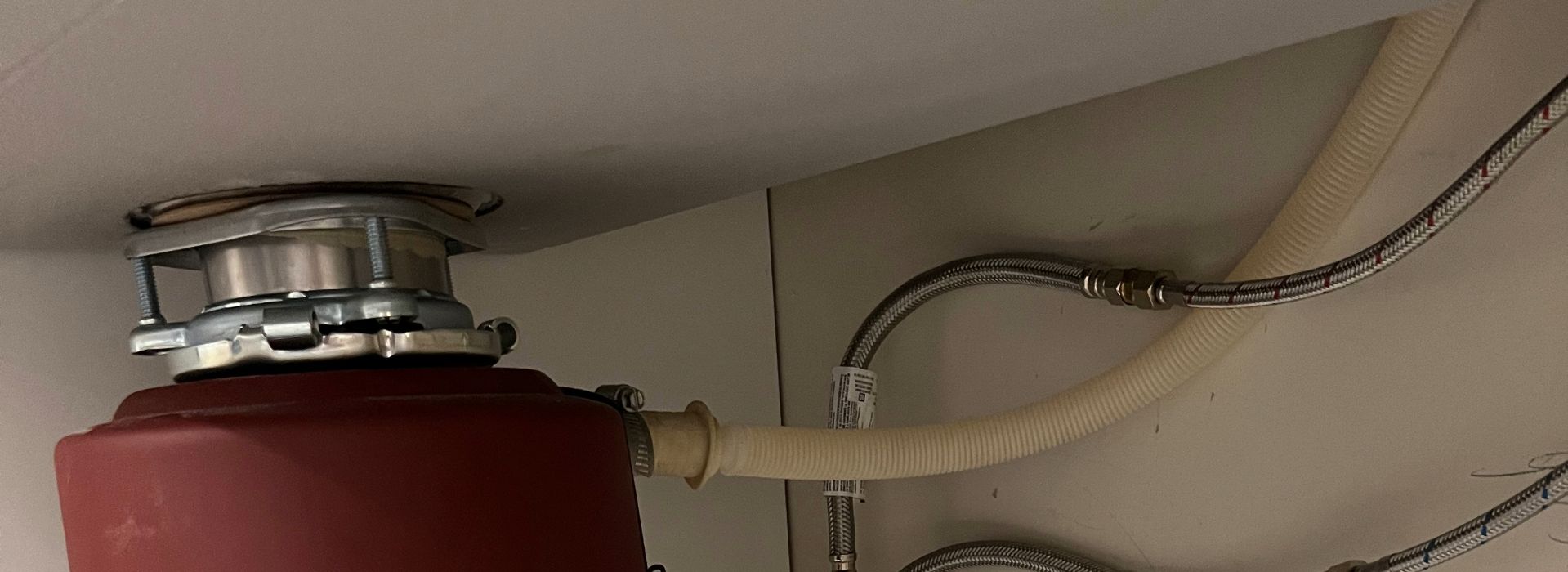
Garbage disposal installation in Denver requires professional expertise due to the city's unique plumbing conditions and environmental factors. Proper installation involves careful assessment and integration with existing systems to ensure functionality and compliance with local codes.
The installation process includes evaluating sink configurations and ensuring electrical safety. Precise mounting and plumbing integration are crucial to prevent leaks and operational noise.
Denver's altitude and water quality can affect disposal performance, necessitating specific models and installation techniques.
Cardom Plumbing & Heating offers licensed expertise and a transparent process, ensuring installations meet current building codes and providing post-installation support.
What is involved in garbage disposal installation in Denver, CO?
Garbage disposal installation in Denver involves assessing the existing plumbing and electrical systems, selecting the appropriate unit, and ensuring proper connections. Professionals handle the installation to comply with local codes and safety standards, providing a reliable solution for kitchen waste management.
Garbage Disposal Installation in Denver, CO
That grinding halt from under your sink – or worse, the complete silence when you flip the switch – signals it's time to address your garbage disposal situation. Whether you're dealing with a unit that's finally given up after years of service or you're upgrading your kitchen with a first-time installation, garbage disposal work in Denver presents unique considerations that demand professional attention.
Garbage disposal installation involves far more than simply connecting a motor to your drain line. The process requires precise electrical connections, proper alignment with your sink flange, secure mounting to prevent vibration damage, and seamless integration with your existing plumbing system. Denver's specific conditions – from our mineral-rich water supply to the electrical demands of high-altitude operation – make professional diagnosis and installation particularly valuable.
Proper sizing assessment based on household usage and sink configuration
Electrical safety verification and code-compliant wiring connections
Secure mounting that prevents leaks and minimizes operational noise
Integration with dishwasher drain lines when applicable
Denver homes range from historic Victorian-era properties in Capitol Hill to modern builds in Stapleton, each presenting distinct plumbing configurations. Our high-altitude environment affects motor performance, while Denver Water's treatment processes influence how disposal units interact with your overall drainage system over time.
Denver's unique combination of altitude, water characteristics, and housing diversity creates specific challenges for garbage disposal systems. Understanding these local factors helps homeowners recognize when professional installation or replacement becomes necessary rather than attempting temporary fixes.
Our elevation of 5,280 feet affects electrical motor performance in ways many homeowners don't anticipate. Disposal units working at altitude experience different cooling dynamics and may require models specifically rated for high-altitude operation. Additionally, Denver's semi-arid climate means many households run disposals less frequently during certain seasons, leading to seal deterioration and gasket failures from irregular use patterns.
Local Factors Affecting Disposal Performance
Hard water mineral buildup – Denver Water reports moderate to high mineral content that accumulates on grinding components and drain connections
Temperature extremes – Winter lows reaching below zero can affect under-sink plumbing, while summer heat impacts motor longevity
Aging infrastructure – Many Denver neighborhoods feature homes with original plumbing from the 1920s through 1960s, requiring careful integration
Electrical system variations – Older homes may lack dedicated circuits or proper grounding for modern disposal units
Altitude-related motor stress – Reduced air density affects cooling efficiency in disposal motors
Clay soil movement – Denver's expansive soils cause foundation shifts that can stress drain line connections
Watch for these warning signs that indicate disposal problems requiring professional attention:
Persistent humming without blade rotation
Water pooling beneath the sink cabinet
Frequent resets required to restore function
Unusual grinding or metallic sounds during operation
Slow drainage even when the disposal runs normally
Visible corrosion on mounting hardware or discharge pipes
Our garbage disposal installation process follows a systematic approach designed for Denver's specific plumbing conditions. We've refined these methods through years of working with the full spectrum of Denver housing stock – from Park Hill bungalows to downtown lofts.
Our Installation Process
Initial Assessment – We evaluate your current sink configuration, electrical availability, and drain line condition before recommending specific units
Unit Selection Guidance – Based on household size, typical usage, and your sink's specifications, we help identify the appropriate horsepower and feature set
Electrical Verification – We confirm proper circuit capacity, grounding, and switch placement before beginning installation
Old Unit Removal – When replacing an existing disposal, we carefully disconnect and remove the old unit while inspecting for hidden damage
Mounting Assembly – We install the sink flange and mounting ring with proper alignment to prevent future leaks
Disposal Connection – The unit is secured to the mounting assembly with attention to vibration dampening
Plumbing Integration – We connect the discharge tube to your drain system and integrate dishwasher connections when present
Testing Protocol – Multiple test runs verify proper operation, drainage speed, and leak-free connections
Techniques and Methods
Plumber's putty application calibrated for Denver's temperature variations
Torque-specific mounting to prevent over-tightening damage
P-trap inspection and replacement when existing components show wear
Dishwasher knockout removal using proper techniques to prevent internal damage
Electrical connection methods meeting current Denver building codes
Throughout the installation, we maintain clear communication about what we're finding and any additional considerations that arise. Our quality control includes running the disposal through multiple cycles while checking all connection points for moisture.
Why Choose Cardom Plumbing & Heating
Cardom Plumbing & Heating brings licensed, insured expertise to every garbage disposal installation across the Denver metro area. Our technicians hold current Colorado plumbing licenses and maintain ongoing training in both traditional and modern plumbing systems – a necessity when working with Denver's diverse housing inventory.
We've built our reputation through consistent presence in Denver neighborhoods, understanding the specific plumbing quirks of different areas. The galvanized drain lines common in Washington Park homes require different approaches than the PVC systems in Green Valley Ranch. This localized knowledge translates to faster diagnostics and more reliable installations.
What Sets Us Apart
Responsive scheduling – We prioritize disposal installations because we understand kitchen functionality impacts daily life
Transparent process – You'll know exactly what we're doing and why before any work begins
Post-installation support – Questions that arise after we leave receive prompt attention
Code compliance focus – Every installation meets current Denver building and electrical codes
Clean worksite practices – We protect your kitchen surfaces and clean up completely before leaving
Our diagnostic approach uses both visual inspection and functional testing to identify issues that might complicate installation. We check drain line condition, electrical circuit integrity, and mounting surface stability before beginning work – preventing mid-project surprises that delay completion.
Denver's housing stock spans more than 140 years of construction practices, creating a fascinating – and sometimes challenging – landscape for garbage disposal installation. Each era brought different plumbing materials, cabinet configurations, and electrical standards that directly impact how we approach your project.
Historic Homes (Pre-1950)
Neighborhoods like Capitol Hill, Cheesman Park, and portions of Five Points feature homes with original cast iron drain lines and limited under-sink space. These properties often present:
Smaller sink basins requiring compact disposal units
Cast iron drain connections needing transition fittings
Electrical systems lacking dedicated kitchen circuits
Homes in Lakewood, Wheat Ridge, and Aurora from this era typically feature galvanized steel drain lines and early plastic piping. Common considerations include:
Cabinet layouts designed before disposals became standard
Mixed material drain systems needing careful transition work
Adequate electrical capacity but potentially outdated wiring methods
Modern Construction (1990-Present)
Newer developments in Stapleton, Green Valley Ranch, and Highlands Ranch generally offer disposal-ready configurations. However, we still encounter:
Builder-grade installations that sacrificed quality for speed
Undersized units relative to household needs
Improper mounting leading to premature failure
Dishwasher integration issues from original installation shortcuts
Understanding your home's era helps us arrive prepared with appropriate materials and anticipate the specific challenges your installation will present.
Denver's environmental factors significantly influence garbage disposal selection, installation methods, and long-term performance. From our water supply characteristics to seasonal temperature swings, these conditions shape how we approach every installation.
Water Quality Characteristics
Denver Water supplies the metro area with a blend of mountain snowmelt and reservoir water. While generally high-quality, this supply carries specific characteristics affecting disposal systems:
Moderate hardness levels – Calcium and magnesium content ranges from 50-150 mg/L depending on source blend, creating mineral deposits on disposal components over time
Seasonal variation – Spring runoff periods bring different mineral profiles than late-summer reservoir draws
Treatment byproducts – Chloramine disinfection can accelerate rubber gasket deterioration in some disposal models
Climate Impact on Plumbing Systems
Denver's 300+ days of sunshine come with temperature extremes that affect under-sink environments:
Winter temperatures dropping below zero can freeze water in P-traps under exterior wall sinks
Rapid temperature swings cause expansion and contraction stress on mounting connections
Low humidity accelerates gasket and seal drying when disposals sit unused
Summer heat in non-air-conditioned spaces can stress disposal motors
Soil and Foundation Considerations
Denver's bentonite clay soils expand and contract dramatically with moisture changes. This soil movement causes foundation shifts that stress drain line connections throughout the home – including the discharge line from your garbage disposal. We inspect these connections carefully during installation to identify any existing damage and ensure secure, flexible connections that accommodate minor movement.
Denver Water Infrastructure and Disposal System Compatibility
Denver's municipal water and sewer infrastructure directly impacts garbage disposal installation decisions and long-term system compatibility. Understanding this infrastructure helps homeowners make informed choices about unit selection and usage practices.
Denver Water serves approximately 1.5 million customers through a system that includes over 3,000 miles of water mains and processes roughly 200 million gallons daily. The Metro Wastewater Reclamation District handles sewage treatment for the region, processing waste from residential garbage disposals alongside other household drainage. This integrated system has specific implications for disposal users.
Infrastructure Data Points
Sewer line age – Many Denver neighborhoods feature clay tile sewer laterals from original construction, some exceeding 80 years old
Treatment capacity – Metro Wastewater processes organic matter from disposals, but high-volume food waste can stress aging collection lines
Combined sewer areas – Portions of older Denver use combined storm and sanitary sewers, making disposal usage during heavy rains potentially problematic
Grease management – Denver's "Cease the Grease" program emphasizes proper disposal practices that affect how residents should use garbage disposals
These infrastructure realities influence our installation recommendations. We advise on appropriate disposal sizing that balances convenience with responsible municipal system usage. For homes with older lateral lines, we may recommend specific usage practices or suggest drain line inspection before installation to identify any existing capacity concerns. Our goal is ensuring your new disposal integrates smoothly with both your home's plumbing and Denver's broader water infrastructure.
Garbage Disposal Installation in Other Service Areas
Common signs include unusual noises, frequent jams, leaks, or a complete lack of power when you try to use it. If your disposal is more than 10 years old and showing these issues, it might be time for a replacement.
The cost can vary widely based on the model you choose and the complexity of the installation. On average, you can expect to pay between $150 and $500, including labor and materials.
While some homeowners may attempt a DIY installation, it is often best to hire a professional. Proper installation requires electrical knowledge and plumbing skills to ensure safety and compliance with local codes.
Look for models specifically rated for high-altitude operation. These disposals are designed to handle the unique cooling dynamics and performance issues that can arise at Denver's elevation.
Yes, Denver has specific plumbing codes that must be followed during installation. It's advisable to consult with a local professional who is familiar with these regulations to ensure compliance.
Regular maintenance includes running cold water while using the disposal, avoiding fibrous or starchy foods, and occasionally grinding ice cubes or citrus peels to keep the blades sharp and freshen odors.
First, turn off the power to the unit and check for loose connections or cracks in the disposal itself. If you can't identify the source of the leak, it’s best to call a professional to assess and repair the issue.