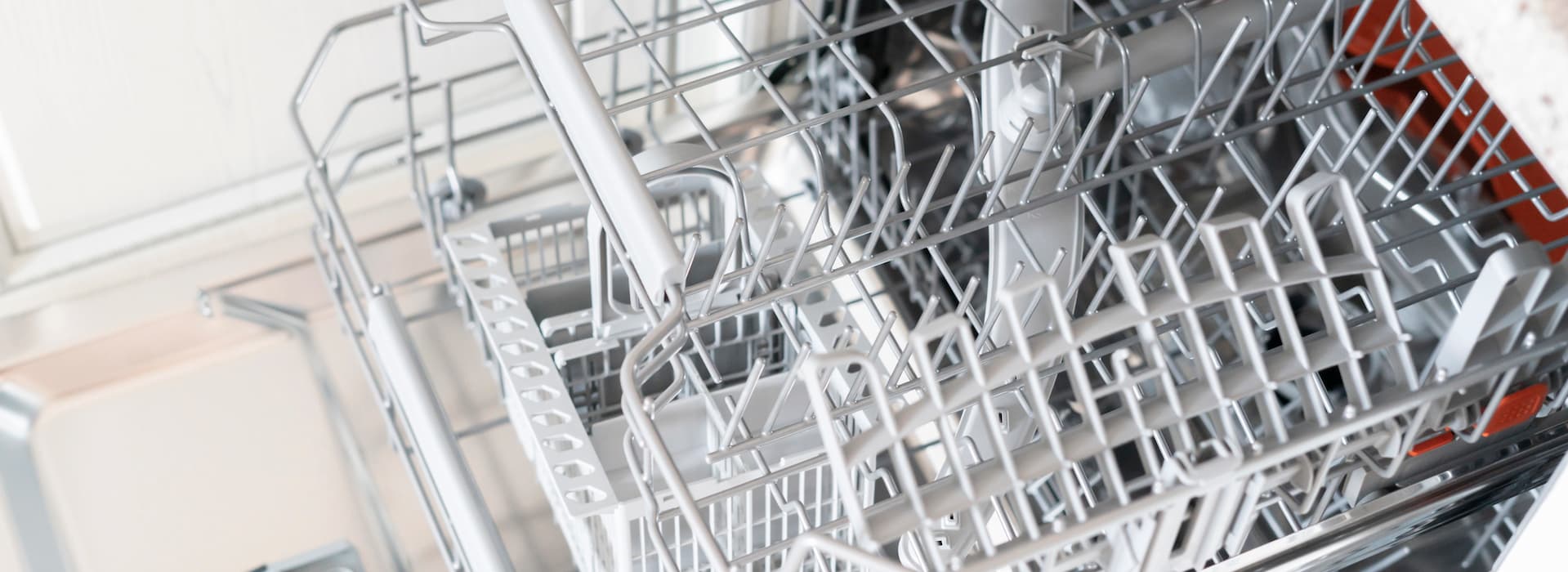
Dishwasher installation in Glendale, CO requires careful attention to plumbing and electrical connections to ensure proper functionality. Professional services address unique local challenges, such as water pressure variations and older plumbing materials.
They connect dedicated hot water lines and install proper drain systems to prevent backflow. Professional installation ensures the unit is level and integrates well with existing plumbing.
Glendale's unique housing stock often features older pipes that may need upgrades for reliable operation. This includes inspecting and potentially replacing corroded supply lines and valves.
Their technicians are licensed and trained to handle local plumbing conditions, providing thorough assessments and transparent communication throughout the installation process.
How to install a dishwasher in Glendale, CO?
To install a dishwasher in Glendale, CO, you need to connect it to your water supply and drainage systems, as well as ensure proper electrical hookups. This process requires careful integration with your existing kitchen plumbing to guarantee efficient operation and prevent leaks.
Dishwasher Installation in Glendale, CO
Your kitchen sink is overflowing with dishes, and that new dishwasher sitting in its box promises relief – but getting it properly connected to your home's plumbing system requires more than just sliding it into place. Dishwasher installation in Glendale involves precise connections to both your water supply and drainage systems, electrical hookups, and careful integration with your existing kitchen plumbing infrastructure.
Professional dishwasher installation means connecting a dedicated hot water supply line, installing proper drain connections with air gaps or high loops to prevent backflow, and ensuring the unit sits level for optimal performance. In Glendale's unique environment – a small enclave surrounded by Denver with its own distinct housing stock and infrastructure characteristics – these connections face specific challenges that generic installation approaches often miss.
Proper water supply line sizing and connection to handle Glendale's water pressure variations
Correct drain line installation that prevents sewage backflow and standing water
Electrical connections that meet local code requirements
Integration with existing plumbing that accounts for older pipe materials common in the area
Getting these details right from the start prevents leaks that damage cabinetry and flooring, eliminates drainage problems that leave dishes dirty, and extends the lifespan of your new appliance.
Glendale sits at approximately 5,400 feet elevation in the South Platte River drainage basin, creating specific conditions that affect dishwasher installations. The city's compact footprint – just over 0.3 square miles – contains a mix of residential and commercial properties with plumbing systems ranging from mid-century construction to recent renovations.
Water pressure fluctuations present ongoing challenges for appliance installations here. Glendale's water infrastructure connects to Denver Water's system, and pressure variations between peak and off-peak usage hours can stress dishwasher inlet valves. Homes closer to the main commercial corridors along Colorado Boulevard often experience different pressure characteristics than those in quieter residential pockets.
Local Factors Affecting Dishwasher Installations
Hard water mineral content – Denver Water's supply contains calcium and magnesium that build up in supply lines and dishwasher components over time
Older galvanized supply lines – Many Glendale homes built before 1980 still have original galvanized pipes that restrict water flow
Drainage system age – Cast iron and clay drain lines in older properties may have partial blockages or root intrusion
Temperature extremes – Winter lows reaching single digits can affect exposed supply lines in unheated spaces
Soil movement – Clay-heavy soils expand and contract seasonally, potentially shifting drain line connections
Mixed plumbing materials – Renovation history often means copper, galvanized, PEX, and CPVC exist in the same system
Warning signs that your current dishwasher setup needs professional attention include water pooling beneath the unit, dishes emerging with residue, unusual noises during fill cycles, and slow drainage after wash cycles complete. These symptoms often indicate connection problems that will only worsen with a new installation if not addressed.
Our dishwasher installation process addresses every connection point to ensure reliable, leak-free operation from day one.
Our Installation Process
Pre-installation assessment – We examine your existing water supply line, shut-off valve condition, drain connection setup, and electrical access before any work begins
Supply line evaluation – Testing water pressure at the connection point and inspecting the shut-off valve for proper function and any corrosion
Drain system inspection – Checking the drain line for proper slope, blockages, and appropriate connection method for your specific plumbing configuration
Old unit removal – Carefully disconnecting and removing your existing dishwasher while protecting flooring and cabinetry
Connection upgrades – Replacing corroded shut-off valves, upgrading supply lines to braided stainless steel, and installing proper drain connections
New unit installation – Positioning, leveling, and securing your new dishwasher with all connections properly made
Testing and verification – Running complete cycles while checking every connection point for leaks and proper drainage
Techniques and Methods
Pressure testing supply connections before and after installation
Installing air gaps or high-loop drain configurations per code requirements
Using thread sealant appropriate for potable water connections
Verifying proper grounding for electrical safety
Checking cabinet and countertop clearances to prevent future access problems
We communicate throughout the process, explaining what we find during assessment and discussing any recommended upgrades before proceeding. After installation, we walk you through proper operation and maintenance practices specific to your new unit and Glendale's water conditions.
Why Choose Cardom Plumbing & Heating
Cardom Plumbing & Heating brings licensed, insured plumbing professionals to every dishwasher installation. Our technicians hold current Colorado plumbing licenses and maintain ongoing training on appliance connection requirements and local code updates. We carry proper liability coverage – protecting your home and investment throughout the installation process.
Our familiarity with Glendale's specific plumbing landscape sets us apart. We understand which neighborhoods have older galvanized supply lines, where water pressure issues commonly occur, and what drainage challenges exist in different parts of this compact community. This local knowledge translates into faster diagnosis and more effective solutions.
What Sets Us Apart
Same-day and next-day availability – We prioritize installation appointments to get your new dishwasher running quickly
Comprehensive connection inspection – We examine the entire pathway from supply to drain, not just the immediate connection points
Quality materials standard – Braided stainless steel supply lines and proper fittings included with every installation
Post-installation support – Questions or concerns after we leave receive prompt attention
Transparent communication – We explain findings and recommendations in plain language before any work begins
We arrive with fully stocked vehicles, prepared for the common upgrades and repairs Glendale installations typically require. This preparation minimizes delays and allows us to complete most installations in a single visit.
Glendale's housing stock reflects its unique history as an independent municipality surrounded entirely by Denver. The city developed primarily during the mid-20th century, with significant residential construction occurring between the 1950s and 1970s. This timeline means many homes feature plumbing systems and kitchen configurations from that era – presenting specific considerations for modern dishwasher installations.
Common Housing Types and Their Plumbing Implications
Mid-century single-family homes – Often have original galvanized supply lines and cast iron drains that may need updating for reliable dishwasher operation
Multi-family units and apartments – Shared drainage systems require careful installation to prevent backflow issues affecting neighboring units
Renovated properties – May have mixed plumbing materials where different renovation phases used different pipe types
Newer construction and additions – Generally feature modern PEX or copper supply lines with PVC drainage
Kitchen layouts in Glendale homes vary considerably. Older homes often have dishwashers positioned farther from the sink, requiring longer supply and drain runs. Some properties have dishwashers installed in islands or peninsulas – configurations that demand specialized drain solutions to maintain proper function.
Age-Related Plumbing Considerations
Homes built before 1970 frequently have shut-off valves that no longer close completely or supply lines with interior corrosion restricting water flow. These conditions affect dishwasher fill times and cleaning performance. During installation assessments, we evaluate these components and recommend upgrades when existing hardware compromises your new appliance's operation.
Galvanized supply lines may have only 30-50% of their original interior diameter due to mineral buildup
Original gate valves often fail to seal completely after decades without use
Cast iron drain lines may have rough interior surfaces that catch debris and slow drainage
Older electrical connections may lack proper grounding for modern appliances
Glendale's environmental conditions directly impact dishwasher installation requirements and long-term appliance performance. Understanding these factors helps explain why professional installation matters in this specific location.
Water Quality Characteristics
Denver Water supplies Glendale's municipal water, drawing primarily from mountain snowmelt collected in reservoirs along the Continental Divide. This water contains moderate mineral content – typically measuring between 50-150 parts per million of total dissolved solids depending on seasonal source variations.
Calcium and magnesium content – Creates scale buildup in dishwasher spray arms, heating elements, and supply line connections
Seasonal hardness variations – Spring runoff periods often bring softer water, while late summer draws from deeper reservoir levels with higher mineral content
Chlorine treatment – Residual chlorine can degrade rubber gaskets and seals over time
pH levels – Generally neutral to slightly alkaline, affecting detergent performance
Climate Impacts on Plumbing Systems
Glendale experiences Colorado's semi-arid climate with significant temperature swings. Winter temperatures regularly drop below freezing, while summer highs exceed 90°F. These extremes affect dishwasher installations in several ways.
Supply lines routed through unheated spaces – garages, crawlspaces, exterior walls – risk freezing during cold snaps
Thermal expansion and contraction stress connection fittings throughout the year
Low humidity accelerates gasket and seal degradation
Rapid temperature changes can cause condensation issues around appliance connections
Soil and Drainage Considerations
The South Platte River basin soils beneath Glendale contain significant clay content. These expansive soils swell when wet and shrink during dry periods – movement that can affect underground drain lines and foundation-level plumbing connections. Proper dishwasher drain installation accounts for these potential shifts by using flexible connections where appropriate and ensuring adequate support for drain line runs.
Water Infrastructure and Pressure Data in Glendale
Glendale's water infrastructure presents specific considerations for appliance installations. The city receives treated water through Denver Water's distribution system, which serves over 1.5 million people across the metropolitan area. This large-scale system maintains consistent water quality but creates pressure variations that affect individual properties differently based on their location within the distribution network.
Water pressure in Glendale residential areas typically ranges from 40-80 PSI, though properties at different elevations and distances from main transmission lines experience varying conditions. Homes along the Colorado Boulevard corridor – Glendale's primary commercial spine – often see pressure fluctuations during business hours when commercial water demand peaks. Residential areas away from this corridor generally experience more stable pressure.
Key Infrastructure Data Points
Distribution system age – Much of Glendale's water infrastructure dates to the 1950s-1970s development period, with ongoing replacement and rehabilitation projects
Service line materials – Older properties may have original copper or galvanized service lines connecting to the main
Pressure regulation – Many Glendale homes benefit from pressure-reducing valves, though older installations may have failing regulators
Water main replacement – Denver Water's ongoing infrastructure improvements occasionally affect local pressure temporarily
For dishwasher installations, these infrastructure characteristics matter because modern dishwashers require consistent water pressure between 20-120 PSI for proper fill valve operation. Pressure outside this range – or significant fluctuations during fill cycles – can cause incomplete fills, extended cycle times, or valve damage. Our installation assessments include pressure testing to identify whether your specific location needs pressure regulation adjustments for optimal dishwasher performance.
Dishwasher installation typically involves several key steps. First, the appliance needs to be connected to a dedicated hot water supply line. Next, proper drain connections must be made to prevent backflow, often requiring air gaps or high loops. Finally, electrical hookups need to be completed, and the unit should be leveled to ensure optimal performance.
While some homeowners may attempt a DIY installation, hiring a professional is often recommended. Professionals have the expertise to handle the specific plumbing and electrical requirements, especially in Glendale where older homes may have unique challenges. This can help prevent potential issues like leaks or drainage problems.
In Glendale, factors such as water pressure variations and the age of plumbing systems are important to consider. Homes may have older galvanized pipes or drainage systems that can affect installation. Additionally, the hard water mineral content from Denver Water can lead to buildup in your dishwasher over time.
The installation process usually takes about 1 to 3 hours, depending on the complexity of the plumbing and electrical connections. If any modifications are needed for older plumbing systems or if there are complications, it may take longer.
Common issues include improper drainage connections that can lead to backflow, inadequate water supply line sizing, and electrical connections that do not meet local code requirements. Additionally, older plumbing materials may present challenges that require special attention.
In Glendale, local building codes may require permits for certain plumbing and electrical work. It is advisable to check with the city’s building department or consult with a professional installer to ensure compliance with any necessary regulations.
If your dishwasher is leaking, first turn off the water supply to prevent further damage. Check all connections for any loose fittings or damaged hoses. If the issue persists, it is best to contact a professional to diagnose and fix the problem, as leaks can lead to significant damage if not addressed promptly.