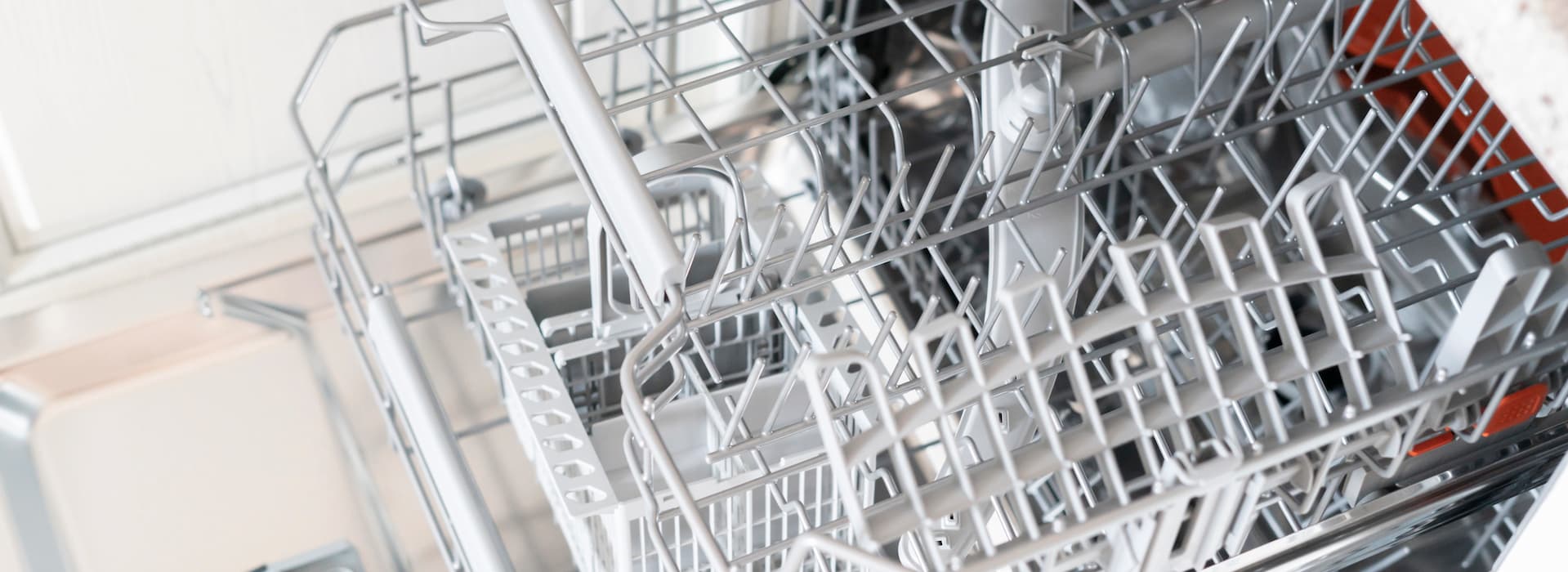
Dishwasher installation in Wheat Ridge, CO involves more than just placing an appliance in a cabinet. It requires careful connection of water supply lines, drainage systems, and electrical components, often revealing outdated plumbing that needs attention.
Professional installation ensures proper connections to prevent leaks and drainage issues. Many homes in Wheat Ridge face unique plumbing challenges due to their age and infrastructure.
Our team conducts thorough assessments to identify any plumbing modifications needed before installation begins.
We offer same-day and next-day installation with upfront pricing and follow-up support to address any post-installation issues.
How to install a dishwasher in Wheat Ridge, CO?
To install a dishwasher in Wheat Ridge, CO, you need to connect the water supply lines, drainage systems, and electrical components. Ensure the space is suitable for modern appliances, and follow the manufacturer's instructions for proper installation to avoid leaks and ensure functionality.
Dishwasher Installation in Wheat Ridge, CO
Your kitchen sink is overflowing with dishes, and that old dishwasher finally gave up. Or maybe you've been hand-washing for years in a home that never had one installed. Either way, you're ready for a working dishwasher – and that means connecting water supply lines, drainage systems, and electrical components in a space that might not be set up for modern appliances.
Dishwasher installation involves far more than sliding an appliance into a cabinet opening. Professional installation requires connecting a dedicated hot water supply line, routing drainage properly through your sink's plumbing or garbage disposal, and ensuring the electrical connection meets current code requirements. In Wheat Ridge homes – many built decades before today's dishwasher standards existed – this work often reveals outdated plumbing that needs attention.
Proper water supply connections prevent leaks that damage cabinets and flooring
Correct drain line installation eliminates backflow and standing water issues
Code-compliant electrical work protects your home and appliance warranty
Professional leveling and securing prevents vibration damage and noise
Wheat Ridge's housing stock presents unique installation challenges. Homes built in the 1950s through 1970s often have galvanized supply lines, undersized drain connections, or limited electrical capacity in kitchen areas. The area's mineral-rich water from Consolidated Mutual Water Company can also affect how new appliances perform from day one.
Cardom Plumbing & Heating provides Dishwasher Installation services in all neighborhoods of Wheat Ridge including Applewood Lane, Kipling Villiage, Outlook Clear Creek, The Ridge, and Vista Village.
Wheat Ridge sits at approximately 5,400 feet elevation, and that altitude affects water pressure throughout the municipal system. Many homes experience pressure fluctuations that impact dishwasher fill cycles, leading to incomplete cleaning or extended run times. Older neighborhoods near 44th Avenue and Wadsworth Boulevard often have original water mains that contribute to inconsistent pressure during peak usage hours.
The city's housing development patterns created distinct plumbing generations across different neighborhoods. Post-war ranch homes in the Apel Bacher area frequently have cast iron drain stacks that have corroded over 60+ years. Mid-century splits near Lutheran Medical Center may have copper supply lines with mineral buildup restricting flow. These aging systems directly impact how – and whether – a new dishwasher can be installed without additional plumbing modifications.
Local Factors Affecting Dishwasher Installation
Hard water deposits – Wheat Ridge water contains calcium and magnesium that accumulate in supply valves and spray arms
Galvanized pipe corrosion – Pre-1970s homes often have deteriorating steel pipes that restrict water flow
Undersized drain lines – Original 1.25-inch drains may not handle modern high-efficiency dishwasher discharge rates
Basement-level kitchens – Split-level homes common here require careful drain routing to prevent backflow
Winter temperature swings – Pipes in exterior walls can freeze, damaging supply connections
Settling foundations – Clay soils in parts of Wheat Ridge cause shifting that stresses rigid plumbing connections
Watch for these warning signs that indicate installation complications: slow-draining kitchen sinks, visible corrosion on shut-off valves under the sink, water stains on cabinet floors, or musty odors suggesting hidden moisture. If your existing dishwasher leaks intermittently or fails to fill properly, the underlying plumbing issue will affect any replacement unit until addressed.
Our dishwasher installation process begins with understanding your specific situation – not just the appliance you've chosen, but the plumbing infrastructure supporting it.
Our Installation Process
Pre-installation assessment – We inspect existing water supply valves, drain connections, and electrical access before any work begins
Infrastructure evaluation – Testing water pressure, checking drain flow rates, and identifying any code compliance issues
Supply line preparation – Installing or upgrading the hot water connection with appropriate shut-off valves and braided stainless supply lines
Drain system connection – Routing the discharge hose with proper high-loop or air gap installation to prevent contamination
Electrical verification – Confirming adequate power supply and proper grounding for safe operation
Appliance positioning – Leveling the unit, securing mounting brackets, and adjusting feet for proper alignment
System testing – Running complete cycles while checking all connections for leaks and proper drainage
Techniques and Methods
Pressure testing supply connections before concealing them
Video inspection of drain lines when slow drainage is suspected
Thermal imaging to identify moisture behind cabinets from previous leaks
Water quality testing to recommend filtration when hardness levels are extreme
Proper torque specifications on all threaded connections
Communication happens at every stage. Before beginning work, we explain exactly what we've found and what modifications your installation requires. If your home needs supply valve replacement or drain line upgrades, you'll understand why before we proceed. After installation, we walk you through the connections and show you where shut-off valves are located for future reference.
Why Choose Cardom Plumbing & Heating
Cardom Plumbing & Heating brings licensed, insured technicians to every dishwasher installation in Wheat Ridge. Our team holds Colorado state plumbing licenses and maintains ongoing training in current installation codes and best practices. We've worked in Wheat Ridge neighborhoods for years – from the older homes near Prospect Park to newer construction along Kipling Street.
Local knowledge matters for appliance installation. We understand which Wheat Ridge subdivisions have problematic water pressure, where galvanized pipes are most common, and which areas experience seasonal drainage challenges. This familiarity means faster diagnosis and fewer surprises during installation.
What Sets Us Apart
Same-day and next-day installation availability for most projects
Upfront pricing with no hidden fees for standard installations
Full inspection of existing plumbing included with every installation
Manufacturer warranty protection through proper installation documentation
Follow-up support if any issues develop after installation
Coordination with appliance delivery when timing matters
We arrive with fully stocked vehicles carrying supply lines, valves, drain fittings, and common repair parts. When your installation reveals an unexpected issue – a corroded valve or damaged drain fitting – we can typically address it immediately rather than scheduling a return visit. Your time matters, and our preparation reflects that.
Wheat Ridge's residential landscape reflects decades of development patterns, each creating distinct installation scenarios. The city's housing stock spans from 1940s bungalows to contemporary builds, with the majority constructed between 1950 and 1980. This mid-century concentration means most kitchens were designed for smaller, less water-intensive appliances than today's dishwashers.
Housing Era Breakdown
Pre-1960 homes (approximately 25% of housing) – Often lack dedicated dishwasher spaces; may require cabinet modification and new plumbing runs
1960-1980 homes (approximately 45% of housing) – Usually have dishwasher spaces but with original supply valves and potentially undersized drains
1980-2000 homes (approximately 20% of housing) – Generally code-compliant but may have worn components needing replacement
Post-2000 construction (approximately 10% of housing) – Typically straightforward installations with modern infrastructure
Common Housing Styles and Their Challenges
Ranch homes dominate many Wheat Ridge neighborhoods. These single-story layouts often have kitchens on concrete slabs, making drain line modifications more complex when existing connections are inadequate. The low cabinet heights in some original ranch kitchens also limit which dishwasher models will fit.
Split-level and bi-level homes present elevation challenges. Kitchens positioned between floors may drain to lower-level plumbing, requiring careful routing to maintain proper drainage slope. Some split-levels have kitchens above crawl spaces, providing easier access for new plumbing runs but requiring freeze protection for exposed pipes.
Brick ranch homes often have limited access behind kitchen walls
Remodeled kitchens may have non-standard cabinet dimensions
Basement apartments in converted homes frequently have improvised plumbing
Historic homes near Wheat Ridge town center may have unique layout constraints
Wheat Ridge receives water primarily from Consolidated Mutual Water Company, which sources from Clear Creek and various mountain reservoirs. This water contains moderate mineral content – typically measuring between 100-150 parts per million total dissolved solids. While not classified as extremely hard, these mineral levels affect dishwasher performance and longevity over time.
Calcium deposits accumulate on spray arms and heating elements
Mineral buildup in supply valves can restrict water flow within 5-10 years
Hard water spots on glassware indicate potential scaling inside the appliance
Water softener installation may be recommended for optimal dishwasher performance
Soil and Drainage Considerations
Wheat Ridge sits on a mix of clay and sandy soils that affect underground plumbing differently across neighborhoods. Areas with heavy clay – particularly near the southern city limits – experience soil expansion and contraction with moisture changes. This movement stresses sewer connections and can cause settling that affects drain line slope over time.
Homes near Clear Creek or in lower-elevation areas face occasional drainage challenges during heavy rain events. Sewer systems in these zones may experience backflow during storms, making proper dishwasher drain installation with backflow prevention particularly important.
Climate Impacts on Plumbing Systems
Winter freezing – Temperatures regularly drop below 0°F; supply lines in exterior walls or unheated spaces risk freezing
Temperature swings – 40-50 degree daily temperature variations stress pipe joints and connections
Low humidity – Dry conditions can cause rubber gaskets and seals to deteriorate faster
Altitude effects – Lower atmospheric pressure at 5,400 feet affects some appliance drainage cycles
These environmental factors influence both installation methods and long-term maintenance needs. Proper insulation of supply lines, appropriate drain routing, and quality connection materials help your dishwasher installation withstand Wheat Ridge's demanding conditions.
Water Infrastructure & Supply System Data in Wheat Ridge
Understanding Wheat Ridge's water infrastructure helps explain why professional dishwasher installation matters here. Consolidated Mutual Water Company serves most Wheat Ridge residents through a system that includes aging distribution mains alongside newer infrastructure improvements. The water district has invested in system upgrades, but many neighborhood distribution lines date to original subdivision development.
Key Water System Statistics
Average water pressure ranges from 50-80 PSI depending on elevation and neighborhood
Peak demand periods (typically 6-9 AM and 5-8 PM) can reduce pressure by 10-15 PSI
Approximately 30% of service lines in pre-1970 neighborhoods are original installations
Water temperature from the tap averages 55-65°F, requiring dishwasher heating elements to work harder
Seasonal pressure variations occur as mountain reservoir levels fluctuate
The municipal sewer system in Wheat Ridge connects to the Metro Wastewater Reclamation District. Sewer mains in older neighborhoods – particularly those developed before 1965 – may have reduced capacity due to root intrusion, joint separation, or sediment accumulation. These conditions can affect dishwasher drainage, especially in homes where kitchen drains connect to compromised sewer laterals.
How This Affects Your Installation
Pressure variations mean dishwasher supply connections must accommodate fluctuations without leaking or failing. We install quality shut-off valves rated for pressure spikes and use braided stainless steel supply lines that withstand repeated pressure cycling. For homes with consistently high pressure (above 80 PSI), we may recommend pressure regulation to protect the appliance and connections.
Supply valve selection accounts for local pressure conditions
Drain connections are sized for reliable discharge even with partial sewer restrictions
High-loop or air gap installation prevents sewer backup from affecting the dishwasher
Water heater proximity is evaluated to minimize hot water wait times
Wheat Ridge's infrastructure reality means cookie-cutter installation approaches often fall short. Cardom Plumbing & Heating evaluates each home's specific conditions – water pressure, drain capacity, pipe materials, and connection points – to deliver installations that perform reliably for years in your particular situation.
Before installing a dishwasher, check your kitchen's plumbing and electrical systems. Many homes in Wheat Ridge may have outdated plumbing that requires upgrades, especially if they were built in the 1950s to 1970s. Additionally, consider the water pressure in your area, as fluctuations can affect dishwasher performance.
The cost of dishwasher installation in Wheat Ridge can vary based on the complexity of the job and any necessary plumbing or electrical upgrades. On average, you might expect to pay between $150 to $500 for installation, not including the cost of the dishwasher itself.
While some homeowners may attempt a DIY installation, hiring a professional is often recommended. A professional can ensure that all connections are up to code and properly installed, which helps prevent leaks and electrical issues that could arise from improper installation.
Common plumbing issues include outdated supply lines, undersized drain connections, and mineral buildup that restricts water flow. In Wheat Ridge, older homes may have galvanized pipes or corroded drain stacks that need to be addressed before a new dishwasher can be installed.
The installation process typically takes about 1 to 3 hours, depending on the complexity of the plumbing and electrical work required. If modifications are needed, such as upgrading old pipes or wiring, it may take longer.
Yes, local building codes in Wheat Ridge may have specific requirements for plumbing and electrical work. It's important to ensure that any installation meets these codes to avoid potential fines and to maintain your appliance warranty.
If your dishwasher is not draining properly, check for clogs in the drain line or garbage disposal. Ensure that the drain hose is installed correctly and not kinked. If the problem persists, it may be best to consult a professional to diagnose and fix the issue.