
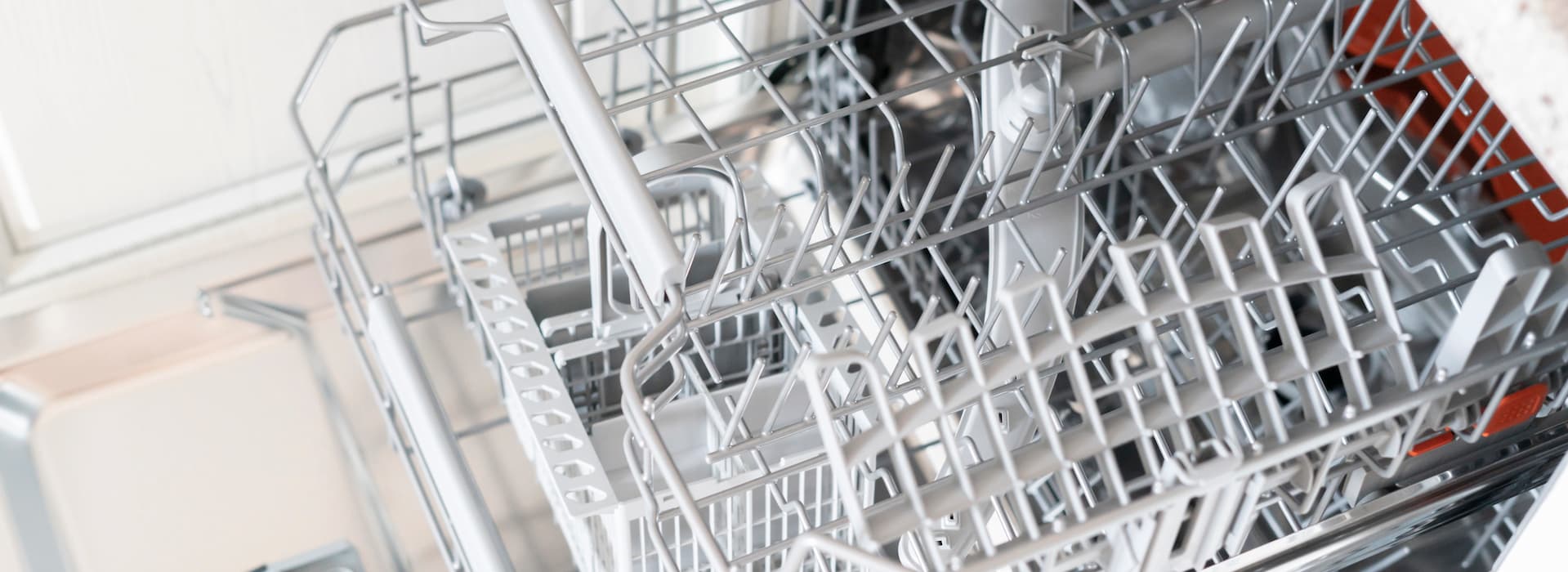
Dishwasher installation in Lafayette, CO requires professional expertise due to the unique plumbing challenges presented by the area's diverse housing stock. Each installation must consider factors such as water supply, drainage systems, and local environmental conditions to ensure proper functionality and prevent future issues.
- Lafayette homes vary in plumbing standards based on their construction era, affecting installation approaches. Plumbing issues like hard water and outdated pipes can complicate new dishwasher setups. Professional assessment and installation help avoid costly surprises and ensure compliance with local codes.
- Dishwasher Installation in Lafayette, CO That moment when you realize your old dishwasher has finally given up – or when you’re staring at an empty cabinet space in your newly remodeled kitchen – signals it’s time for professional installation.
- Dishwasher installation connects directly to your home’s water supply and drainage system, making it far more than a simple appliance swap.
Dishwasher installation in Lafayette, CO involves connecting the appliance to the home’s water supply and drainage system, which requires careful consideration of the plumbing specifics. Given the variety of home styles in the area, each installation can present unique challenges that necessitate professional expertise.
Dishwasher Installation in Lafayette, CO
That moment when you realize your old dishwasher has finally given up – or when you're staring at an empty cabinet space in your newly remodeled kitchen – signals it's time for professional installation. Dishwasher installation connects directly to your home's water supply and drainage system, making it far more than a simple appliance swap. In Lafayette, where homes range from historic downtown properties to modern developments near Rock Creek, the plumbing considerations vary dramatically from one installation to the next.
A dishwasher installation involves multiple plumbing connections that must work in harmony with your existing kitchen infrastructure. This includes tapping into the hot water supply line, connecting to the drain system (typically through your garbage disposal or a dedicated drain line), and ensuring proper electrical hookups. When any of these connections fail, you're looking at water damage, drainage backups, or an appliance that simply won't function correctly.
Professional diagnosis matters because Lafayette's plumbing systems present unique challenges. Homes built during different eras feature varying pipe materials, water pressure levels, and drainage configurations. Add in the area's mineral-rich water supply and elevation-related pressure considerations, and you have a recipe for installation complications that only trained eyes can anticipate.
- Proper water line connections prevent leaks and ensure adequate flow to your new appliance
- Correct drain line installation eliminates backflow issues and standing water problems
- Professional assessment identifies existing plumbing limitations before they become costly surprises
- Code-compliant installation protects your home and maintains warranty coverage
Common Plumbing Issues in Lafayette, CO
Cardom Plumbing & Heating provides Dishwasher Installation services in all neighborhoods of Lafayette including Anna's Farm, Autumn Meadows, Blue Heron Estates, Cross Ridge, Greenlee Park, Indian Peaks, Nyland Cohousing Community, South Pointe, Spring Creek, Steel Ranch Subdivision, The Boulder, The Ranch, Trails at Coal Creek, Waneka Landing, Waneka Pointe, and Water's Edge.
Lafayette sits at approximately 5,200 feet elevation along Colorado's Front Range, and this geography directly impacts how plumbing systems behave. The semi-arid climate brings temperature swings that stress pipe connections, while the region's hard water leaves mineral deposits that affect water flow and appliance performance over time.
Many Lafayette homes were built during distinct development periods – the original downtown area features properties from the early 1900s, mid-century ranch homes populate established neighborhoods, and newer construction continues in areas like Indian Peaks. Each era brought different plumbing standards, pipe materials, and installation practices that affect how modern dishwashers integrate with existing systems.
Local Factors Affecting Dishwasher Installations
- Hard water mineral buildup – Lafayette's water supply contains calcium and magnesium that accumulate in supply lines, potentially restricting flow to new appliances
- Older galvanized pipes – Homes built before the 1970s may have corroded galvanized supply lines with reduced interior diameter
- Undersized drain lines – Some vintage kitchens feature 1.25-inch drain lines that struggle to handle modern high-efficiency dishwasher discharge
- Water pressure fluctuations – Elevation changes across Lafayette neighborhoods create varying pressure conditions that affect fill cycles
- Freeze-thaw pipe stress – Winter temperature swings cause connection points to expand and contract, loosening fittings over time
- Basement and crawlspace access – Many Lafayette homes have limited access to plumbing connections beneath kitchen floors
Watch for warning signs that indicate potential installation complications: discolored water when you first turn on the tap, low water pressure at your kitchen sink, slow drainage from your existing sink, or visible corrosion on supply valves under the cabinet. These symptoms suggest underlying plumbing issues that need addressing before or during your dishwasher installation.
How Cardom Plumbing & Heating Can Help
Our dishwasher installation process addresses Lafayette's specific plumbing challenges through systematic assessment and professional execution. We've installed dishwashers in homes throughout the community – from tight galley kitchens in older downtown properties to spacious layouts in newer Indian Peaks residences.
Our Installation Process
- Pre-installation assessment – We examine your existing water supply lines, drain connections, and electrical setup to identify any upgrades needed before installation day
- Supply line evaluation – We test water pressure and inspect supply valve condition, recommending replacement of corroded or outdated shut-off valves
- Drain system inspection – We verify proper drain line size and check for existing clogs or slow drainage that could affect dishwasher performance
- Old unit removal – If replacing an existing dishwasher, we carefully disconnect and remove the old unit, inspecting connection points for wear or damage
- New connections – We install fresh supply lines, secure drain connections with proper air gaps or high loops, and ensure all fittings meet current code requirements
- Testing and calibration – We run complete cycles to verify fill levels, drainage speed, and leak-free operation at all connection points
- Final walkthrough – We demonstrate proper operation and point out shut-off valve locations for future reference
Techniques and Methods
- Braided stainless steel supply lines for durability and burst resistance
- Proper high-loop or air gap installation to prevent drain backflow
- Thread sealant and compression fittings appropriate for your pipe material
- Water pressure testing before and after installation
- Leak detection inspection using visual and tactile methods at all connection points
Communication stays consistent throughout the process. We explain what we find during assessment, discuss any recommended upgrades, and provide clear information about timeline expectations. If we encounter unexpected issues – like discovering corroded pipes behind the wall – we discuss options before proceeding.
Why Choose Cardom Plumbing & Heating
Cardom Plumbing & Heating brings licensed, insured expertise to every dishwasher installation in Lafayette. Our technicians hold current Colorado plumbing licenses and maintain ongoing training on installation best practices for modern appliances. We understand the specific plumbing characteristics found throughout Lafayette's diverse housing stock – knowledge that comes from years of service in this community.
Local presence means faster response and familiarity with area conditions. We know which Lafayette neighborhoods typically have hard water issues, which developments feature specific pipe materials, and how seasonal conditions affect installation timing. This localized knowledge translates into more accurate assessments and fewer surprises during installation.
What Sets Us Apart
- Same-day and next-day scheduling available for most installations
- Upfront pricing with no hidden fees for standard installations
- Follow-up contact to verify your new dishwasher is performing correctly
- Warranty support on all workmanship and installed components
- Clean work practices – we protect your floors and clean up completely
Our diagnostic approach uses systematic inspection rather than guesswork. We test water pressure, examine existing connections, and verify drain function before making recommendations. This thorough process prevents the callbacks and complications that result from rushed installations.
Housing Characteristics & Dishwasher Installation Considerations
Lafayette's housing inventory reflects over a century of development patterns, each bringing distinct plumbing configurations that affect dishwasher installation approaches. Understanding your home's era helps anticipate what lies behind cabinet walls and beneath kitchen floors.
Historic Downtown and Old Town Properties (Pre-1950)
These older homes often feature original galvanized steel supply pipes that have accumulated decades of mineral deposits. Kitchen layouts in these properties weren't designed with modern appliances in mind, sometimes requiring creative routing for supply and drain lines. Crawlspace access in these homes can be limited, and some feature basement kitchens with unique drainage considerations.
- Galvanized pipes may need replacement or bypass for adequate water flow
- Older drain systems sometimes lack proper venting
- Cabinet spaces may require modification for modern dishwasher dimensions
Mid-Century Ranch Homes (1950s-1970s)
Lafayette saw significant development during this period, producing many single-story ranch homes with copper supply lines and cast iron or early PVC drainage. These homes typically have more accessible plumbing but may feature outdated shut-off valves and smaller drain line sizes.
- Copper supply lines generally in good condition but may have corroded fittings
- Gate-style shut-off valves often need replacement with modern ball valves
- Adequate cabinet space but sometimes awkward electrical outlet placement
Modern Developments (1990s-Present)
Newer Lafayette neighborhoods like Indian Peaks, Silo, and Coal Creek feature contemporary plumbing with PEX or copper supply lines and PVC drainage. These homes typically offer straightforward installations with good access and code-compliant infrastructure.
- Modern plumbing materials simplify connections
- Dedicated dishwasher electrical circuits already in place
- Proper drain venting and adequate line sizing
Environmental Conditions & Dishwasher Installation Implications
Water Quality Characteristics
Lafayette receives water from multiple sources through the city's municipal system, which draws from Left Hand Water District and other regional suppliers. The water contains moderate to high mineral content – primarily calcium and magnesium – that creates the hard water conditions common throughout the Front Range. While treated for safety, these minerals affect appliance performance and plumbing longevity.
- Hard water averages 150-250 parts per million in the Lafayette area
- Mineral deposits accumulate in supply lines and appliance components over time
- Water heater sediment can affect hot water quality reaching dishwashers
- Some homeowners benefit from water softener systems to protect appliances
Climate Impacts on Plumbing Systems
Lafayette's semi-arid climate brings hot summers, cold winters, and dramatic temperature swings that stress plumbing connections. Winter freezing presents particular concerns for homes with supply lines running through unheated spaces. The freeze-thaw cycle causes pipe fittings to expand and contract, potentially loosening connections over time.
- Winter temperatures regularly drop below freezing, stressing exterior wall plumbing
- Low humidity can dry out rubber gaskets and seals in older connections
- Spring snowmelt occasionally affects drainage system performance
Soil and Drainage Considerations
Lafayette's soil composition includes clay-heavy areas that affect underground drainage and foundation stability. Homes with basement kitchens or below-grade installations face specific drainage challenges, as dishwasher discharge must overcome gravity to reach main sewer lines. Proper pump systems or elevated drain connections become necessary in these situations.
- Clay soils can shift, affecting drain line alignment over time
- High water table periods may stress basement drainage systems
- Older sewer laterals in some neighborhoods show root intrusion
Lafayette Water Infrastructure and Supply Data
Lafayette's water system serves approximately 30,000 residents through a network that has expanded significantly since the city's incorporation. The municipal water supply comes primarily from the Left Hand Water District, supplemented by other regional sources during peak demand periods. This blended supply creates water quality variations throughout the year that can affect appliance performance.
The city maintains water pressure between 40-80 PSI across most service areas, though elevation differences between neighborhoods create localized variations. Homes in higher-elevation areas near the foothills may experience lower pressure, while properties in lower sections sometimes see pressure spikes that stress supply connections. Understanding your home's pressure characteristics helps determine whether pressure regulation is needed for optimal dishwasher operation.
Key Infrastructure Statistics
- Average water hardness: 12-17 grains per gallon (moderately hard to hard)
- Municipal water pressure target: 50-70 PSI at street level
- Older distribution mains in downtown area date to mid-20th century
- Newer developments feature modern PVC and ductile iron mains
- Annual water quality reports available through city utilities showing treatment methods
For dishwasher installations, these infrastructure factors mean we pay close attention to incoming pressure levels and water quality indicators. Homes with pressure above 80 PSI benefit from pressure-reducing valves to protect appliance components. Properties with particularly hard water may see better long-term dishwasher performance with water treatment solutions. We assess these factors during every installation to help Lafayette homeowners get the best results from their new appliances.


