

Dishwasher installation in Denver requires careful attention to local building codes and the unique challenges posed by high-altitude living. Professional installation is essential to avoid issues like water damage and electrical hazards.
- Proper connections to water supply, drainage, and electrical systems are critical for safe operation. Denver's altitude affects water pressure and appliance performance, making expert knowledge necessary.
- Older homes may have outdated plumbing and electrical systems that complicate installations. A thorough assessment can identify potential problems before they escalate.
- Cardom Plumbing & Heating offers licensed technicians, transparent pricing, and post-installation support to ensure reliable and efficient dishwasher operation.
Dishwasher installation in Denver involves connecting the appliance to the home’s water supply, drainage system, and electrical circuit, ensuring compliance with local building codes. This process requires careful attention to detail due to the unique demands of high-altitude living, making it essential for proper functionality and safety.
Dishwasher Installation in Denver, CO
Your kitchen sink is overflowing with dishes, and that aging dishwasher finally gave out – or maybe you're upgrading your kitchen and need a new unit connected properly. Dishwasher installation involves far more than sliding an appliance into a cabinet opening. It requires precise connections to your home's water supply, drainage system, and electrical circuit – all of which must meet Denver's building codes and withstand the unique demands of high-altitude living.
Professional installation matters because improper connections lead to water damage, drainage backups, and electrical hazards. Denver's mile-high elevation affects water pressure and appliance performance in ways that standard installation guides don't address. Our local expertise means understanding how your home's plumbing system interacts with new appliances.
- Proper water supply line connection with appropriate shut-off valves
- Correct drain line installation to prevent backflow and standing water
- Electrical connections that meet current code requirements
- Leveling and securing to prevent vibration damage and leaks
Denver's aging housing stock, hard water conditions, and temperature extremes create specific challenges for dishwasher installations. A professional assessment catches potential problems before they become expensive repairs.
Common Plumbing Issues in Denver, CO
Denver's plumbing infrastructure faces a unique combination of challenges that directly affect dishwasher installations. The city's housing stock spans over a century, with many homes built during the post-war boom of the 1940s and 1950s. These older properties often have galvanized steel pipes, outdated drain configurations, and electrical systems that weren't designed for modern appliances.
Water quality presents another significant factor. Denver Water serves the metro area with snowmelt-sourced water that contains moderate mineral content. While not as hard as groundwater-fed systems, the mineral buildup still affects dishwasher components over time. Homes in certain neighborhoods experience pressure fluctuations, particularly during peak usage hours in summer months.
Local Factors Affecting Dishwasher Installations
- Altitude-related pressure changes – At 5,280 feet, water boils at lower temperatures and pressure dynamics differ from sea-level installations
- Extreme temperature swings – Denver's 60-degree daily temperature variations cause pipe expansion and contraction, stressing connections
- Older drain line materials – Many homes still have cast iron or clay drain lines that may not properly accommodate modern dishwasher discharge rates
- Hard water mineral deposits – Calcium and magnesium buildup affects both existing plumbing and new appliance connections
- Freeze-thaw cycles – Kitchen plumbing on exterior walls faces freezing risks during Denver's cold snaps
- Foundation settling – Denver's expansive clay soils cause foundation movement that shifts drain line alignments
Warning signs that indicate installation problems include water pooling under the dishwasher, slow drainage after cycles, unusual noises during operation, and dishes that remain dirty or spotted. These symptoms often point to connection issues rather than appliance failures.
How Cardom Plumbing & Heating Can Help
Our dishwasher installation process addresses every component of a successful, long-lasting connection. We don't simply hook up appliances – we evaluate your entire kitchen plumbing system to prevent future problems.
Our Installation Process
- Pre-installation assessment – We inspect existing water supply lines, drain connections, and electrical access before any work begins
- Shut-off valve evaluation – We verify that your hot water shut-off valve functions properly and recommend replacement if corroded or failing
- Drain line inspection – We check the air gap or high loop configuration and assess the garbage disposal connection if applicable
- Old unit removal – We carefully disconnect and remove existing dishwashers, inspecting for hidden water damage or mold
- Connection preparation – We clean and prepare all connection points, replacing worn supply lines and drain hoses
- New unit installation – We position, level, and secure the dishwasher with proper clearances for door operation
- System testing – We run complete cycles while checking for leaks at every connection point
- Final walkthrough – We demonstrate operation and explain maintenance requirements
Techniques and Methods
- Braided stainless steel supply lines rated for high-pressure applications
- Proper high-loop drain installation to prevent wastewater backflow
- Thread sealant and compression fittings appropriate for Denver's water chemistry
- Leak detection testing under full operating pressure
- Level verification using precision instruments to prevent drainage issues
Communication throughout the process keeps you informed. We explain what we find during the assessment, discuss any necessary upgrades, and provide clear timelines for completion. Most installations complete within a single visit, though homes requiring plumbing upgrades may need additional work.
Recent Work
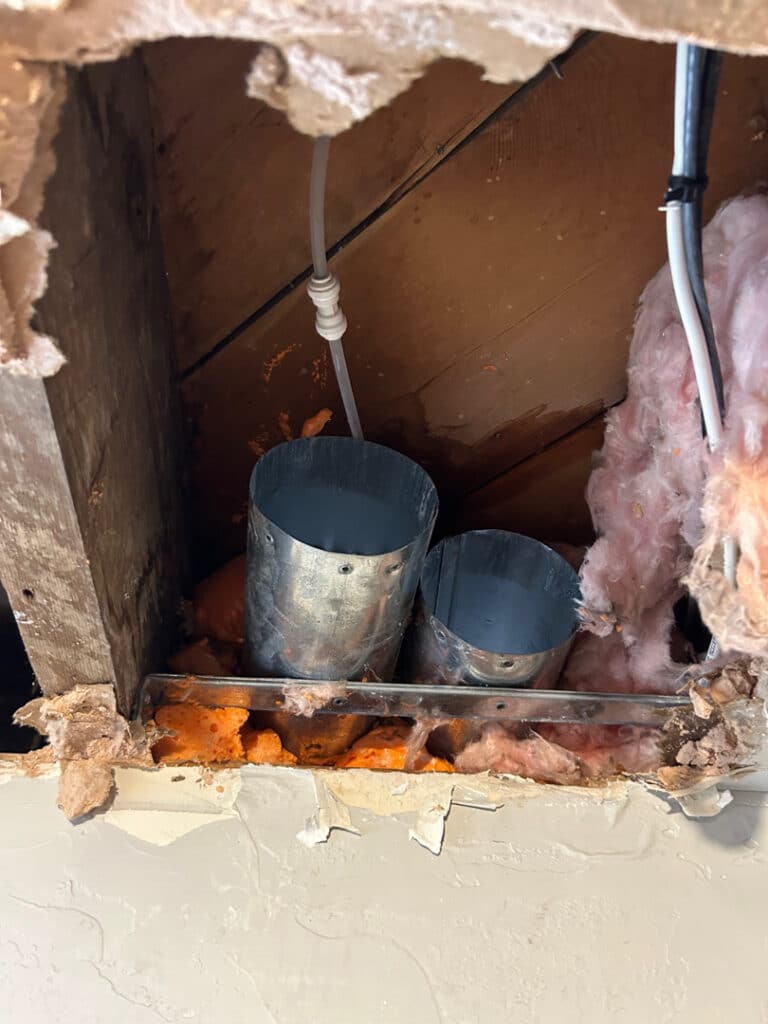
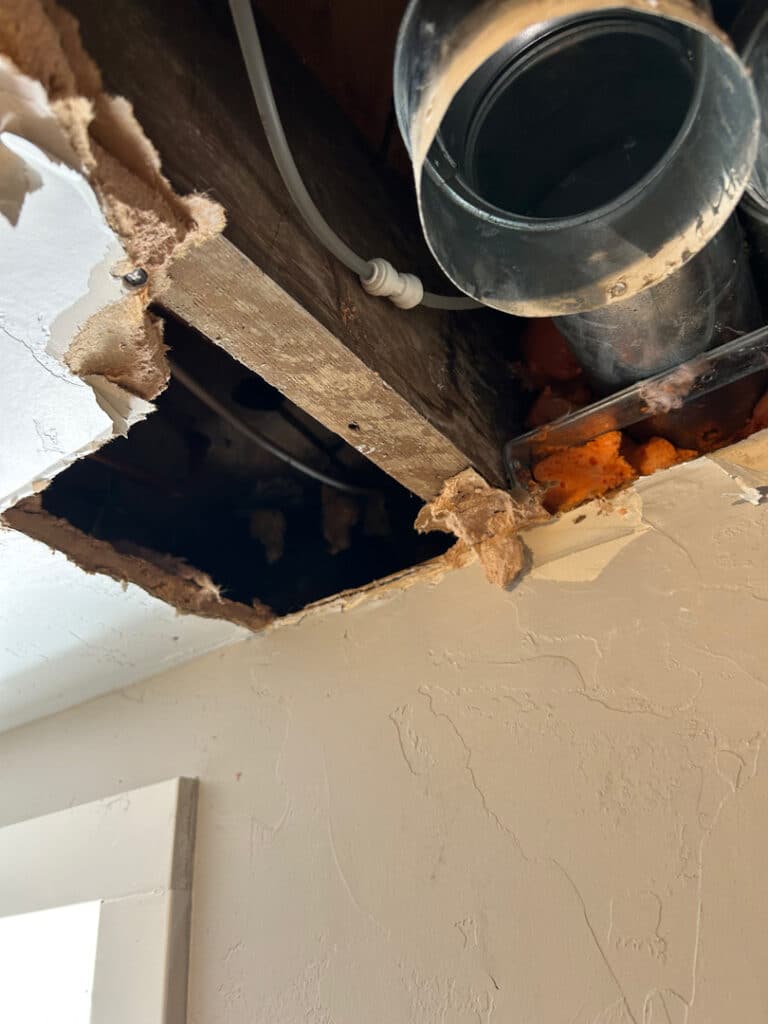
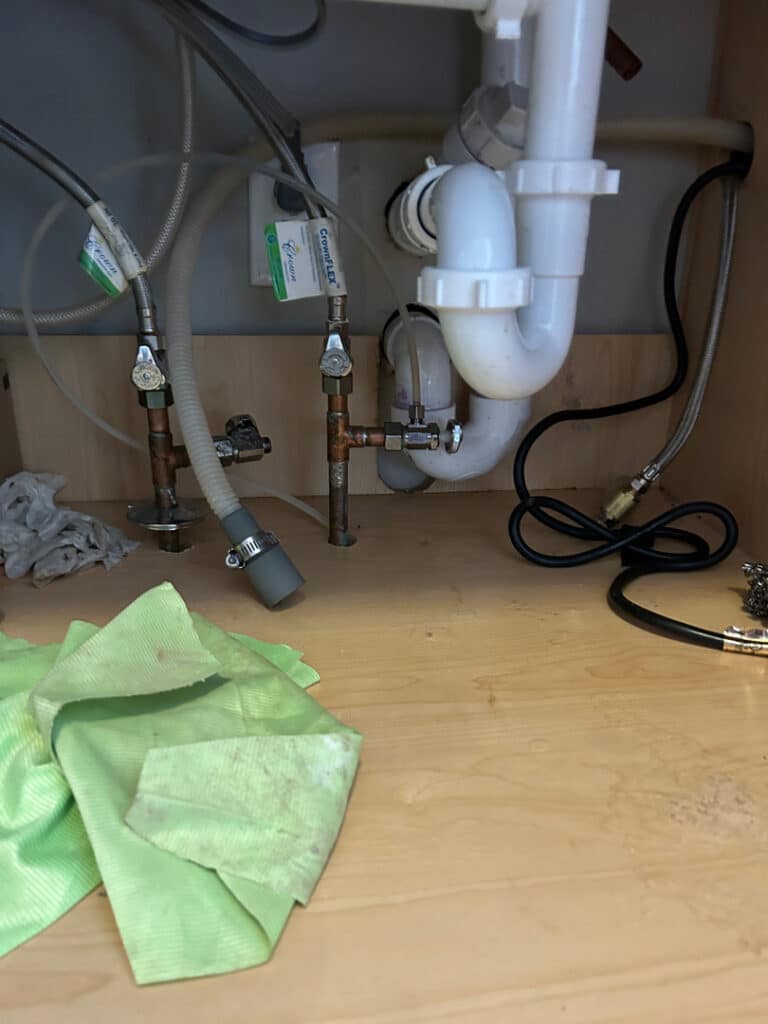
Leak Behind Dishwasher in the Wall - Denver
- Problem: Turned on the water to the house and found a trickle of water from the fresh air intake located in the basement laundry room.
- Found: Cut section of drywall and found a 1/4" plastic icemaker line that froze and split because of the cold weather.
- Fixed: Picked up a 1/4” plastic coupler. Cut out the split pipe and a little more and installed the coupling.
- Outcome: Turned on the water and tested. No leaks. Reinstalled duct work and cleaned up the kitchen and basement laundry room.
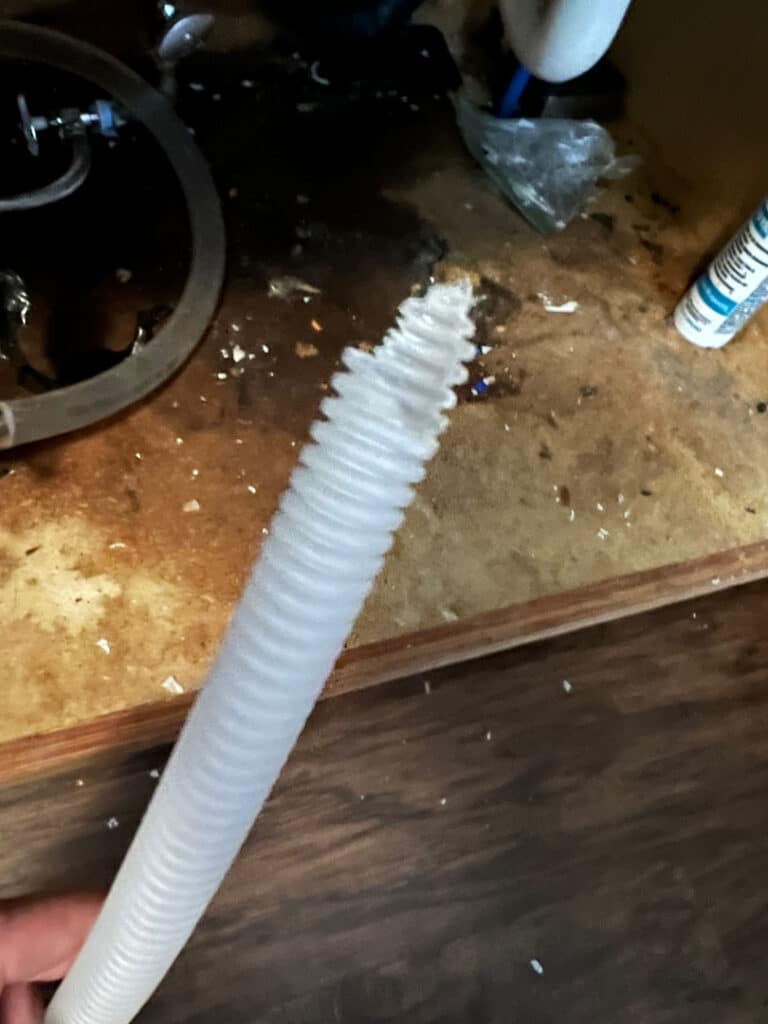
Replace Rodent-Damaged Dishwasher Drain Hose - Denver
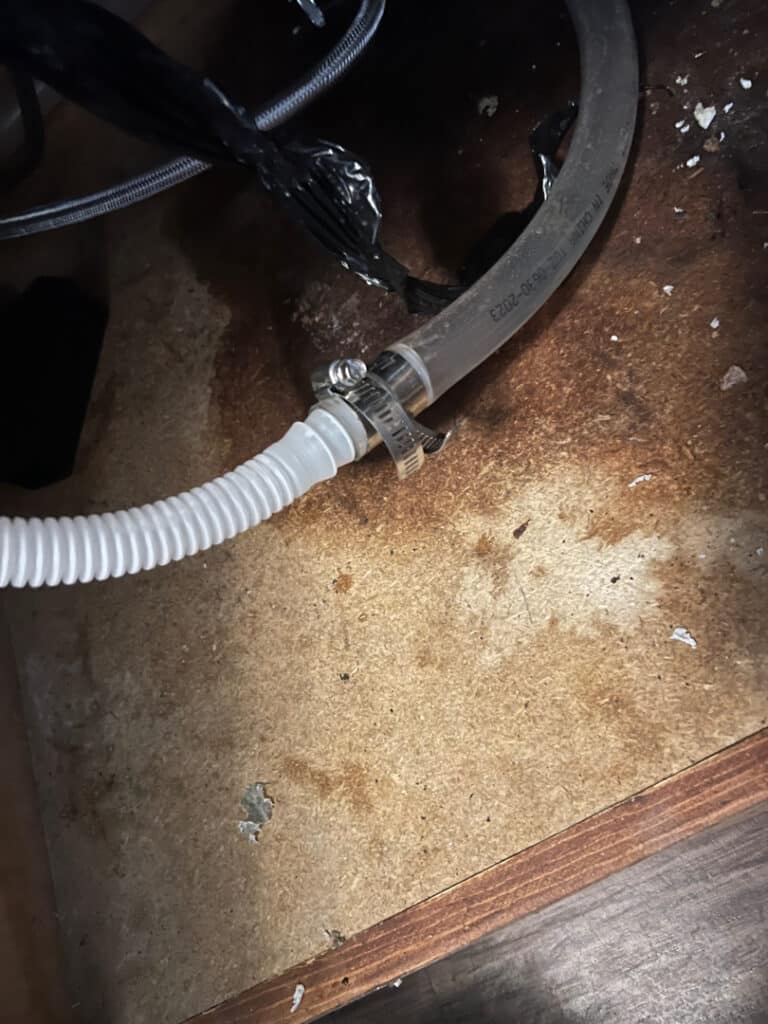
- Problem: Leak in dishwasher drain
- Found: Plastic drain hose from the dishwasher that was ripped in half. It was reported that a mouse chewed through it.
- Fixed: Replaced section with rubber material since it is stronger then the plastic and hard for a mouse to chew it.
- Outcome: urned on and tested. No leaks found Check for second leak but did not find one.
New Washer Box - Denver
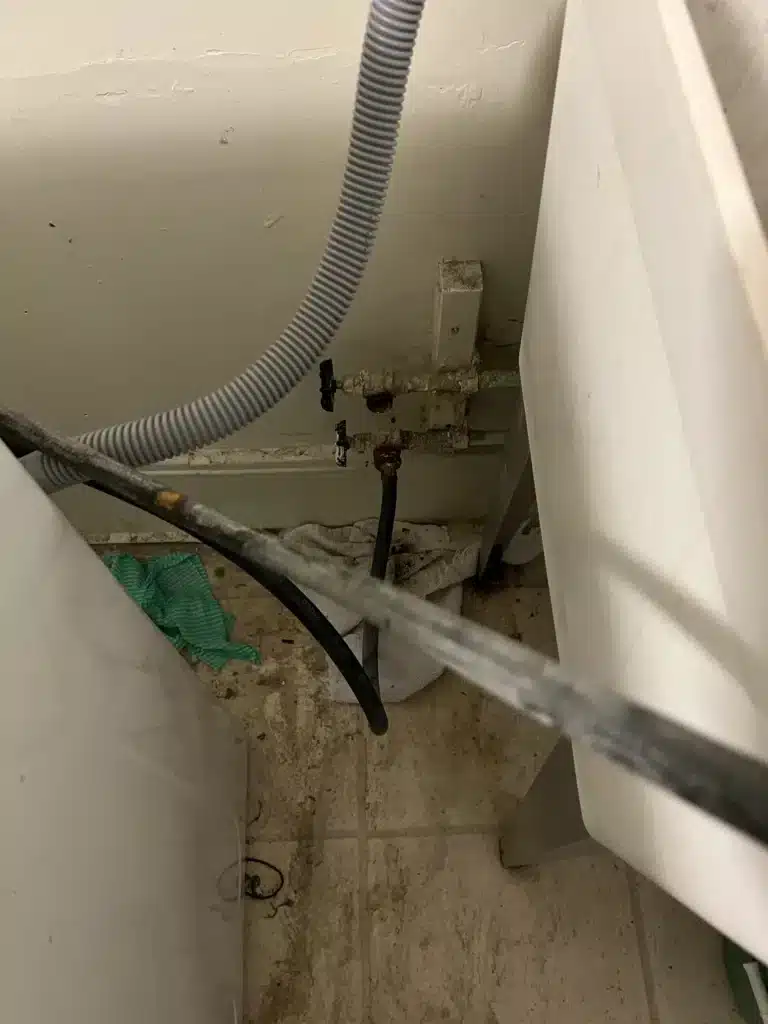
- Problem: New Washer box
- Found: Old water to washing machine.
- Fixed: Cut out old water to washing machine. Add new surfacce mounted washer box with hammer arrestors. Clean copper and run new copper to the washer box.
- Outcome: Test and cleanup.
Why Choose Cardom Plumbing & Heating
Cardom Plumbing & Heating brings licensed, insured technicians to every dishwasher installation. Our team holds current certifications and maintains ongoing training in appliance connection standards. We understand Denver's building codes and pull permits when required – protecting your home's resale value and insurance coverage.
Local knowledge sets us apart. We've worked in Denver neighborhoods from Capitol Hill's Victorian-era homes to newer developments in Stapleton and Green Valley Ranch. This experience means we recognize common plumbing configurations, anticipate potential challenges, and arrive prepared with the right materials for your specific situation.
What Sets Us Apart
- Same-day and next-day scheduling – We understand that a non-functioning dishwasher disrupts your household
- Fully stocked service vehicles – Our trucks carry common parts and materials to complete most installations in one visit
- Transparent pricing – We provide detailed quotes before work begins with no hidden charges
- Workmanship guarantees – We stand behind our installations and return to address any concerns
- Post-installation support – Questions after we leave? We're available to help troubleshoot
Our diagnostic approach uses modern leak detection equipment and pressure testing tools. We don't guess at problems – we identify them precisely and fix them correctly the first time.
Recent Work
Leak Behind Dishwasher in the Wall - Denver
- Problem: Turned on the water to the house and found a trickle of water from the fresh air intake located in the basement laundry room.
- Found: Cut section of drywall and found a 1/4" plastic icemaker line that froze and split because of the cold weather.
- Fixed: Picked up a 1/4” plastic coupler. Cut out the split pipe and a little more and installed the coupling.
- Outcome: Turned on the water and tested. No leaks. Reinstalled duct work and cleaned up the kitchen and basement laundry room.
Replace Rodent-Damaged Dishwasher Drain Hose - Denver
- Problem: Leak in dishwasher drain
- Found: Plastic drain hose from the dishwasher that was ripped in half. It was reported that a mouse chewed through it.
- Fixed: Replaced section with rubber material since it is stronger then the plastic and hard for a mouse to chew it.
- Outcome: urned on and tested. No leaks found Check for second leak but did not find one.
New Washer Box - Denver
- Problem: New Washer box
- Found: Old water to washing machine.
- Fixed: Cut out old water to washing machine. Add new surfacce mounted washer box with hammer arrestors. Clean copper and run new copper to the washer box.
- Outcome: Test and cleanup.
Housing Characteristics & Dishwasher Installation Considerations
Denver's housing stock presents distinct installation scenarios based on neighborhood and construction era. Understanding these characteristics helps anticipate the specific challenges your home may present.
Historic Neighborhoods (Pre-1940)
Homes in areas like Park Hill, Congress Park, and Washington Park often feature original plumbing that predates modern dishwashers entirely. Common characteristics include:
- Galvanized steel water supply lines with reduced interior diameter from corrosion
- Cast iron drain stacks that may have partial blockages or improper venting
- Kitchen configurations without dedicated dishwasher spaces
- Electrical systems lacking dedicated circuits for appliances
- Basement-level shut-off valves requiring extended supply line runs
Mid-Century Construction (1940-1970)
Post-war bungalows and ranch homes throughout Lakewood, Wheat Ridge, and Aurora present their own challenges. These homes often have copper supply lines in good condition but may feature drain configurations designed for older appliance discharge rates.
Modern Construction (1990-Present)
Newer homes in developments like Highlands Ranch, Parker, and newer Denver infill typically have PEX or copper supply lines and PVC drain systems. Installation in these homes generally proceeds smoothly, though builder-grade shut-off valves sometimes require replacement.
- Standard cabinet openings accommodate most dishwasher models
- Dedicated electrical circuits already in place
- Air gap or high-loop drain configurations per current code
- Accessible shut-off valves under the sink
Regardless of your home's age, we assess the specific conditions and recommend any necessary upgrades to support reliable dishwasher operation for years to come.
Environmental Conditions & Dishwasher Installation Implications
Denver's environmental factors significantly impact dishwasher installation requirements and long-term appliance performance. Understanding these conditions helps explain why professional installation matters.
Water Quality Characteristics
Denver Water's supply comes primarily from mountain snowmelt collected in reservoirs along the Continental Divide. The treatment process produces water with moderate hardness – typically 50-150 parts per million depending on seasonal source variations. This mineral content affects dishwasher installations in several ways:
- Calcium deposits form at connection points over time, requiring proper fitting selection
- Supply line screens and inlet valves need periodic cleaning
- Water heater temperature settings affect cleaning performance at altitude
- Some neighborhoods experience higher mineral content from local distribution system characteristics
Climate Impacts on Plumbing Systems
Denver averages 53 days per year with temperatures below 32°F, creating freeze risk for kitchen plumbing on exterior walls. Dishwasher supply lines and drain connections near outside walls require additional protection during cold snaps. The city's low humidity – averaging 30-40% – accelerates rubber gasket and seal deterioration.
- Temperature swings cause thermal expansion stress on rigid connections
- Dry conditions require more frequent seal inspection
- Winter freeze events can damage supply lines if improperly routed
Soil and Drainage Considerations
Denver's expansive clay soils – particularly prevalent in the southern metro area – cause foundation movement that affects drain line alignment. Homes experiencing foundation settling may develop drain slope problems that impact dishwasher drainage efficiency. We assess drain line function during every installation to identify potential issues.
Denver Water Infrastructure and Appliance Connection Data
Denver Water serves approximately 1.5 million people across the metro area through a distribution system that includes over 3,000 miles of pipe. The system's age varies significantly by neighborhood, with some mains dating to the early 1900s while newer developments feature modern infrastructure. This variation directly affects water pressure and quality at individual homes.
Water pressure throughout Denver typically ranges from 40-80 PSI, though some areas experience higher pressures that require pressure-reducing valves. Dishwashers operate optimally at 20-120 PSI, but pressures above 80 PSI can stress supply line connections and internal appliance components. Homes in higher-elevation neighborhoods like Genesee or areas near pressure zones may experience fluctuations that affect appliance performance.
Key Infrastructure Statistics
- Average water main age in central Denver neighborhoods exceeds 60 years
- Denver Water replaces approximately 30 miles of pipe annually through ongoing infrastructure improvements
- Water hardness averages 4-8 grains per gallon – classified as moderately hard
- Peak summer demand can reduce pressure in some distribution zones by 10-15 PSI
- Newer developments in northeast Denver connect to recently installed mains with consistent pressure
These infrastructure characteristics influence dishwasher installation decisions, from supply line material selection to pressure regulation needs. Our technicians understand Denver's water system nuances and configure installations accordingly. We also advise homeowners on water treatment options when mineral content or pressure conditions warrant additional equipment.


