
Recent Posts
Categories
How to Futureproof Older Plumbing Systems
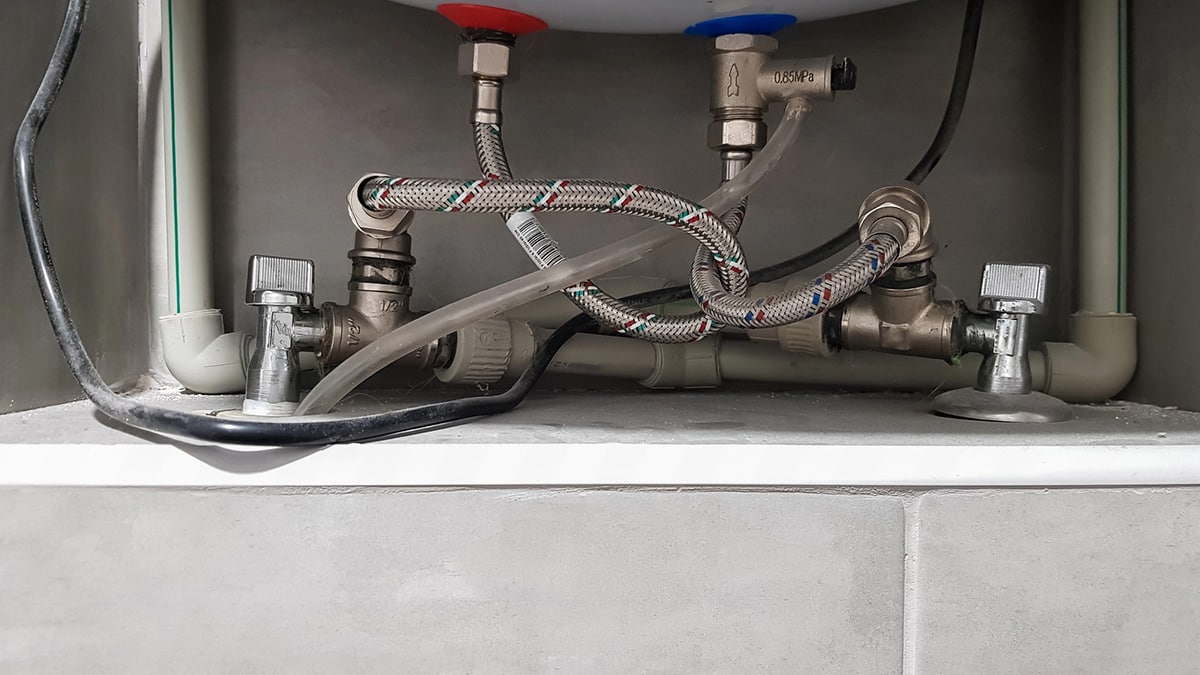
Older plumbing systems can create challenges for homeowners and property managers, from leaky pipes to inefficient fixtures and rising repair costs. Fortunately, modern upgrades, such as replacing outdated pipes with durable materials, installing water-saving fixtures, and investing in energy-efficient water heaters, can extend the life of your system while reducing expenses. Updating these components not only improves performance and safety but also helps ensure your plumbing meets current codes and standards.
Common Signs Your Plumbing Needs Modernization
Over time, plumbing systems wear down, and outdated materials or fixtures can create costly and even hazardous problems. Recognizing the early signs that your plumbing needs upgrading can help you avoid emergencies and plan improvements proactively. Some of the most common warning signs include:
- Frequent Leaks: Recurring leaks in pipes, faucets, or toilets often point to aging materials that are no longer reliable.
- Low Water Pressure: Mineral buildup, corrosion, or failing pipes can restrict water flow and reduce efficiency.
- Discolored or Rusty Water: Brown or yellow water is often a sign of corroded pipes releasing rust and contaminants into your supply.
- Outdated Pipe Materials: Homes with galvanized steel pipes or polybutylene pipes are at higher risk of leaks and bursts, as these materials deteriorate over time.
- Chronic Drain Issues: Constant clogs, slow drains, or sewer backups can signal that your system is no longer handling wastewater effectively.
- Old or Inefficient Fixtures: Older faucets, toilets, and showerheads waste significant amounts of water compared to modern, low-flow models.
- Noisy or Inefficient Water Heater: If your water heater struggles to keep up, makes banging noises, or is more than 10–15 years old, it may be time for an energy-efficient replacement.
- High Utility Bills: Rising energy or water bills can often be traced back to hidden leaks, inefficient fixtures, or outdated appliances.
Upgrading your plumbing system when these signs appear can improve water quality, reduce utility costs, and protect your property from major damage.
Assessing Your Current Plumbing System’s Age and Condition
To make sure your plumbing system is working well and up to date, it’s important to check how old it is and what shape it’s in. Plumbers look at different parts of the system by checking with their eyes, using special tools, and looking at old records to see how strong everything is.
- Pipe Materials: Plumbers find out what the pipes are made of, like copper, steel, or PVC, to see if they work well with new sinks and toilets.
- Age of Pipes: They look at when the pipes were put in, check permits, and compare how long materials usually last.
- How Well It Works: They test water pressure, look for leaks, and see how quickly water drains.
This helps find any weak spots or problems that might cause trouble soon. Knowing these things helps homeowners make good plans to fix or upgrade their plumbing so it works now and in the future.
It also helps keep everything up to date with plumbing rules.
Essential Tools for Monitoring Pipe Health
Modern plumbing maintenance uses special tools to find problems in pipes before they get worse. These important tools include cameras for looking inside pipes, devices to find hidden moisture, and tools to check water flow.
| Tool Type | What It Does |
| Pipe Camera | Lets you see inside pipes to spot issues |
| Moisture Meter | Finds leaks behind walls or under floors |
| Pressure Gauge | Checks if water pressure is too high or too low |
Experts also use special tools that can hear tiny leaks and cameras that show temperature changes to find weak spots in pipes. Kits to test water quality, check for minerals and acidity that might cause pipes to rust. Smart water meters watch how much water you use and send alerts if something seems wrong, like a leak or a broken pipe.
These tools help keep your plumbing in good shape and prevent big problems.
Smart Water Monitoring Solutions for Aging Systems
Aging plumbing systems can be tricky, but smart water tech can help keep them in good shape. Modern sensors and Internet of Things (IoT) devices find problems before they get too big, giving live updates on how the system is doing and where it might have weak spots.
- Flow Sensors: These spot unusual water use, helping find hidden leaks and worn-out pipes.
- Pressure Devices: These warn you about dangerous changes in water pressure that could harm old pipes.
- Water Quality Checkers: These keep an eye on water minerals, spotting signs of rust or corrosion.
These tools connect with phone apps and building systems, sending alerts and planning maintenance. When used right, smart tech makes old plumbing last longer and lowers the chance of sudden problems.
Upgrading to Pressure-Balanced Fixtures
Pressure-balanced fixtures are a big upgrade for old plumbing systems. These fixtures help keep the water temperature and pressure steady, so there are no sudden changes that could harm pipes or cause danger.
When you install pressure-balanced valves in showers and faucets, they adjust when the water pressure changes. This is helpful when more than one fixture is used at the same time. The system has a special part that automatically balances hot and cold water, making sure the water stays the same temperature even if the system is busy.
These fixtures protect older pipes by stopping problems like water hammer and sudden pressure changes. They also meet plumbing rules and use less water, about 20-30% less than old fixtures, while still working well.
Preventing Corrosion in Older Pipes
Corrosion can damage old plumbing systems, especially in houses with metal pipes from before 1970. Here’s how to keep these pipes in good shape and make sure the water stays clean:
- Use water treatment systems. They change the water’s pH levels and take out minerals that cause rust.
- Add sacrificial anodes. These are special metal pieces that protect pipes from rusting by taking on the rust themselves.
- Keep water temperatures below 140°F. This helps prevent heat from causing pipes to wear out.
Check your pipes and water often. Look for signs of rust. Install valves that can shut off water when needed, and follow a plan to keep everything in working order.
Have a professional check your plumbing every two years. By doing these things, you help your old plumbing last longer and keep the water safe.
Modern Pipe Materials Worth Considering
Modern plumbing uses new types of pipes that are better than the old metal ones. These new pipes are stronger, cheaper, and easier to put in. Some of these materials are PEX, CPVC, and PP-R. They are good because they don’t break down easily, and they can handle cold weather.
| Material | Good Things About It | Where It’s Used |
| PEX | Bends easily, won’t break if it freezes | Water pipes in homes |
| CPVC | Doesn’t get damaged by chemicals, safe in fire | Hot water pipes, factories |
| PP-R | Joints that don’t leak, don’t rust | Big buildings, heating systems |
These pipes have smart ways to connect them, so there are fewer places for leaks. PEX bends, so it needs fewer joints. PP-R uses heat to join, making it almost leak-proof. CPVC handles hot water well and doesn’t make water taste like metal. They all follow rules for safe drinking water.
Strategic Pipe Replacement Planning
To replace old pipes with new ones, property owners need a careful plan. This helps keep things running smoothly and uses resources wisely. Here’s how to do it:
- Identify Problem Areas: A plumber should check where pipes are and what they’re made of. They will also look at how old and worn out they are.
- Assess Risks: Some pipes might be more likely to fail or cause a lot of damage. These should be fixed first.
- Plan in Phases: Replace pipes step-by-step so it fits your budget and doesn’t disturb people living or working there too much.
Use maintenance records, water tests, and pressure checks to guide the plan.
Work with certified plumbers to set timelines and backup plans. This ensures everything follows local rules and keeps the plumbing working during the upgrade.
Water Quality Improvements for Aging Systems
To make water better in old plumbing, we need to clean, filter, and check the water well. We can put filters where water enters the building to catch dirt and bad stuff.
Water softeners help stop hard water buildup, and special chemicals can stop pipes from rusting.
It’s important to test water often for acidity levels, minerals, and germs. Using sensors in the water pipes helps us watch the water all the time and fix problems early.
If a building has lead or copper pipes, keeping the right acidity and phosphate levels can help stop these metals from getting into the water.
Other helpful things include flushing out water that sits too long, changing old faucets and showerheads to save water, and setting up regular maintenance to make sure filters work well.
Implementing Water Conservation Technologies
Modern water-saving technologies change old plumbing into efficient systems. Important tools include low-flow faucets, dual-flush toilets, and smart systems to find leaks by checking water use and pressure.
To update old pipes, you need to carefully install flow controllers and pressure-reducing valves. Smart meters help track water use right away.
Moisture sensors and automatic shut-off valves stop big leaks. Systems that recycle water from sinks and showers can be used for watering plants or flushing toilets.
These changes usually cut water use by 30-50% and still keep good water pressure. A pro should check old pipes and water pressure before putting in these new tools to make sure everything works well and doesn’t cause problems.
Maintenance Schedule for Older Plumbing
Taking care of old plumbing is important to stop big problems and make sure it lasts a long time.
Plumbers suggest checking the plumbing every few months and doing special jobs each season to fix small problems before they get big.
- Every Month: Look at pipes you can see for leaks, check how strong the water comes out, clean faucet screens, and make sure you can turn off water valves.
- Every Three Months: Look at pipe coverings, clean drains, check how well the water heater works, and test sump pumps.
- Every Year: Have a plumber use a camera to look inside the main sewer line, test the water to see if it’s clean, and check if pipes are rusting.
Write down all maintenance work, including dates, what you find, and any fixes.
This helps keep track of how the plumbing is doing and can show if there are bigger problems starting.
Professional Inspection Guidelines
Professional plumbing checks must be done by trained plumbers who know the rules and local laws. They look at pipes, water pressure, fixtures, and drains using special tools.
Important things to check are pipe joints for rust, water quality, how valves work, and hidden pipes using cameras. Reports should list pipe materials, when they were put in, any fixes made, and if they meet current rules.
Old pipes, over 30 years old, need checking every year. Pipes 15-30 years old need checking every two years. Newer ones should be checked every three years.
Reports should tell about any problems, rule-breaking, and suggest fixes, so owners know what to do to keep systems working well.
Cost-Effective Retrofit Options
To fix problems in a building’s water system without replacing everything, you can make some smart and cheap changes. These updates can make your system last longer and work better.
- Use water pressure regulators and anti-hammer devices. These tools help stop pipes from getting stressed and keep joints and fixtures from wearing out.
- Add pipe insulation and heat tape in spots where pipes might freeze. This keeps pipes from freezing and saves energy.
- Put in smart leak detectors that can shut off water automatically. This helps stop big water accidents.
Other helpful changes include switching old fixtures for ones that use less water, putting in water filters where you use water the most, and upgrading pipe supports to stop pipes from sagging and to help with drainage.
These changes usually cost 30-40% less than buying a whole new system and still make a big difference in how well things work.
Protecting Pipes in Extreme Weather
Pipes can get damaged in bad weather, especially when it’s very hot or cold. To stop pipes from freezing and breaking in the cold, cover them with insulation like foam sleeves or heat tape.
In hot weather, pipes need to be able to expand, so using expansion joints helps. It’s also good to keep water pressure steady to avoid stressing old pipes. Putting sensors near pipes can help you catch problems early. Plumbers suggest putting shut-off valves where you can reach them easily during emergencies.
To keep pipes safe, do seasonal checks. In winter, drain outdoor faucets. In summer, make sure there’s enough airflow around pipes. This way, your plumbing stays safe all year.
Dealing With Hard Water Impact
Hard water can damage old pipes over time because of the buildup of minerals like calcium and magnesium. To stop this, homeowners should use water treatment methods.
The best way to deal with hard water is by installing a water softener, especially for buildings with old pipes. Here’s what experts suggest:
- Test the water to check how hard it is. Use a meter that measures minerals.
- Put in a water softener where the water enters the building. Make sure it fits the building’s water flow.
- Clean pipes and fixtures regularly with safe chemicals or use devices that help prevent buildup.
By doing these things, you can make your plumbing last longer and keep water flowing well.
Regular checks can catch problems early before they cause big damage.
Upgrading Drainage Systems
According to the Environmental Protection Agency (EPA), households can reduce water usage by 30% or more with eco-friendly plumbing fixtures. But saving water is only part of the equation; upgrading old drainage systems is just as important for keeping water flowing efficiently and preventing costly damage. Common improvements include adding cleanout points for easier maintenance, replacing outdated metal pipes with durable PVC, and installing backwater valves to stop sewage from backing up into the home.
Proper pipe slope is also essential, with about a quarter-inch drop per foot, ensuring wastewater moves smoothly. For older systems, trenchless solutions like pipe relining can repair damage without extensive digging, while upsizing pipes allows them to handle the higher demands of modern appliances. Plumbers also recommend upgrading vent stacks, replacing worn traps, and adding filters in key areas to reduce clogs. Smart monitoring systems are another valuable tool, helping detect leaks and blockages early before they become emergencies.
Together, these upgrades improve efficiency, extend the lifespan of plumbing systems, and create a safer, more reliable setup for today’s households.
Water Pressure Management Solutions
Taking care of water pressure is important for old plumbing systems. Plumbers suggest using pressure-reducing valves (PRVs) and monitoring tools to keep old pipes safe. These tools help pipes last longer and stop big problems from happening.
Some key ways to manage water pressure are:
- Use systems that watch pressure all the time and alert you if it gets too high.
- Manage pressure by zones to fit different building levels and use patterns.
- Add water hammer arrestors to stop damage from sudden pressure changes.
Make sure to regularly check and adjust these devices so they work well.
Keeping water pressure between 45-65 PSI is usually good. This range gives enough water flow while keeping old pipes and fixtures safe from wear and tear.
Building Code Compliance Updates
Plumbing rules change every three to four years. This means owners of older plumbing systems need to check if their systems still meet the rules. These updates often focus on safety, new technology, and protecting the environment.
Important areas to check include devices that stop water from flowing the wrong way, safety features on water heaters, what pipes are made of, and how pipes should be vented. Owners should compare their systems to the latest International Plumbing Code (IPC) and Uniform Plumbing Code (UPC).
Sometimes, old systems don’t have to change if they were built before the rules changed, but big fixes usually mean you have to update.
Plumbers can help by checking your system for any problems with the rules. They can make a plan to fix things over time, so it’s not too expensive all at once. This keeps your system safe and up to date.
Emergency Shut-off System Modernization
Modern emergency shut-off systems are important for old plumbing setups. They help stop big water damage by using both manual and automatic features. Smart sensors find leaks and control valves shut off the water quickly.
- Wireless water sensors: These are placed near important pipes, sinks, and places where leaks might happen.
- Central control units: You can connect these to your smartphone to check on things and control water valves from far away.
- Automatic shut-off valves: These valves have flow meters that detect if too much water is being used.
These systems can be added to current plumbing setups by putting control valves where water enters the building and in key areas.
Getting a professional to install these ensures that sensors work right and connect with building systems, giving strong protection against water emergencies.


